Avocado Slicer Vs Knife for Slicing: Which Is Best for You?
If you’re new to cooking or just starting your kitchen journey, you’ve probably seen both avocado slicers and regular knives used for slicing avocados. Choosing the right tool can make your daily meal prep easier, safer, and even more fun. In this article, I’ll walk you through the real differences, practical tips, and common mistakes , from my experience as a home cook and chef. Whether you want perfect avocado slices for salad or just want to avoid a messy kitchen, you’ll find answers here. Let’s solve the avocado slicing puzzle together!
What Is An Avocado Slicer?
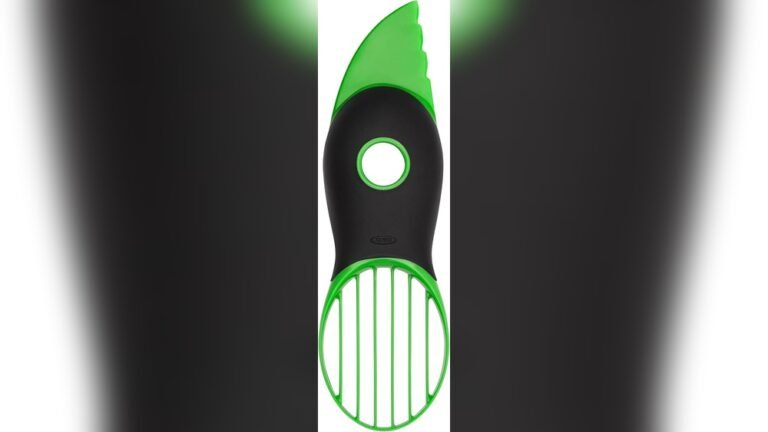
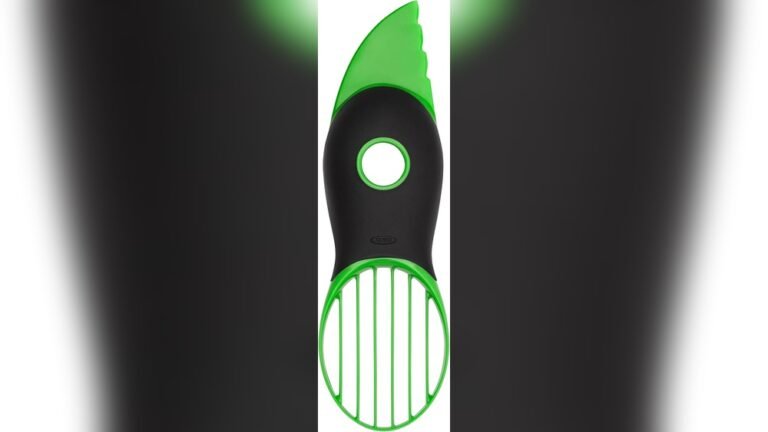
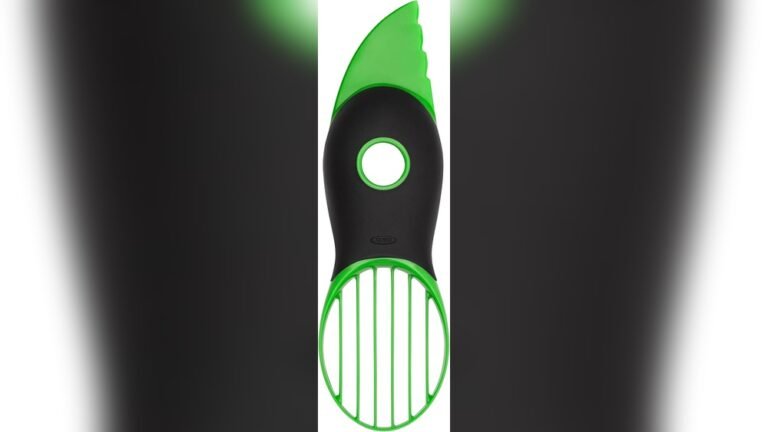
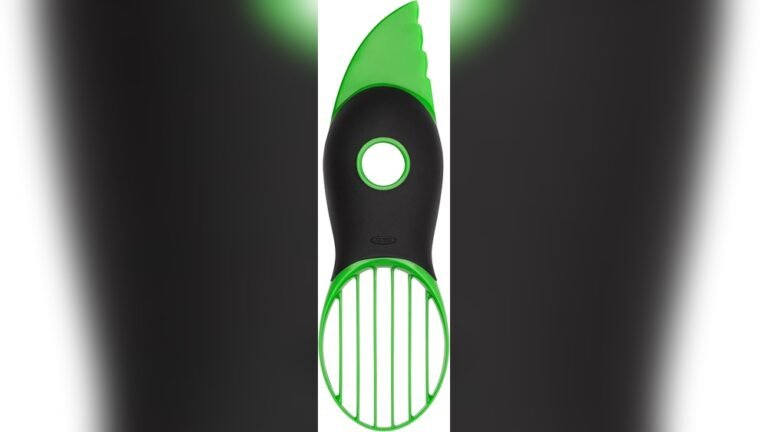
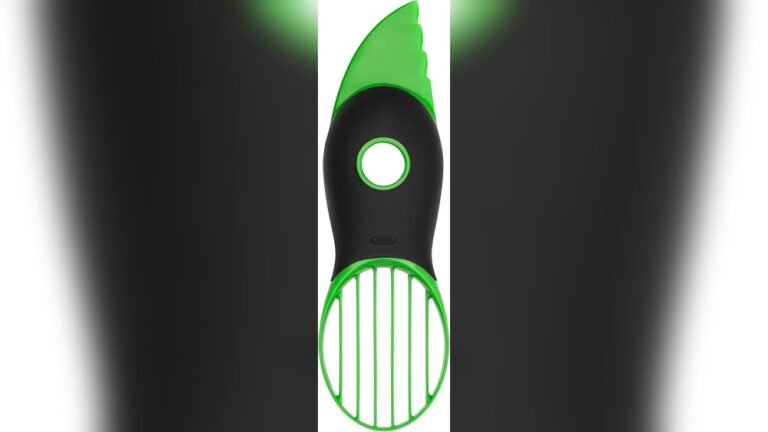
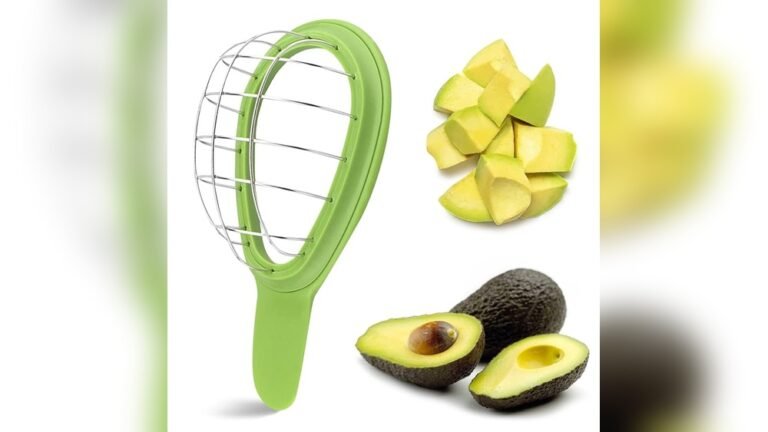
An avocado slicer is a small kitchen tool designed for cutting, pitting, and slicing avocados. It often has a rounded blade for halving, a pit remover, and a fan-shaped end for making even slices. Most slicers are made from plastic or stainless steel. They are usually lightweight and safe for beginners.
Main Features
- Multiple functions: Most slicers can split, pit, and slice avocados.
- Safe design: Rounded edges protect your fingers.
- Easy to clean: Dishwasher-safe in most cases.
When To Use An Avocado Slicer
Avocado slicers are ideal for people who:
- Want quick, even slices without much skill.
- Are worried about cutting themselves.
- Prefer simple tools for daily use.
Using A Knife For Slicing Avocado
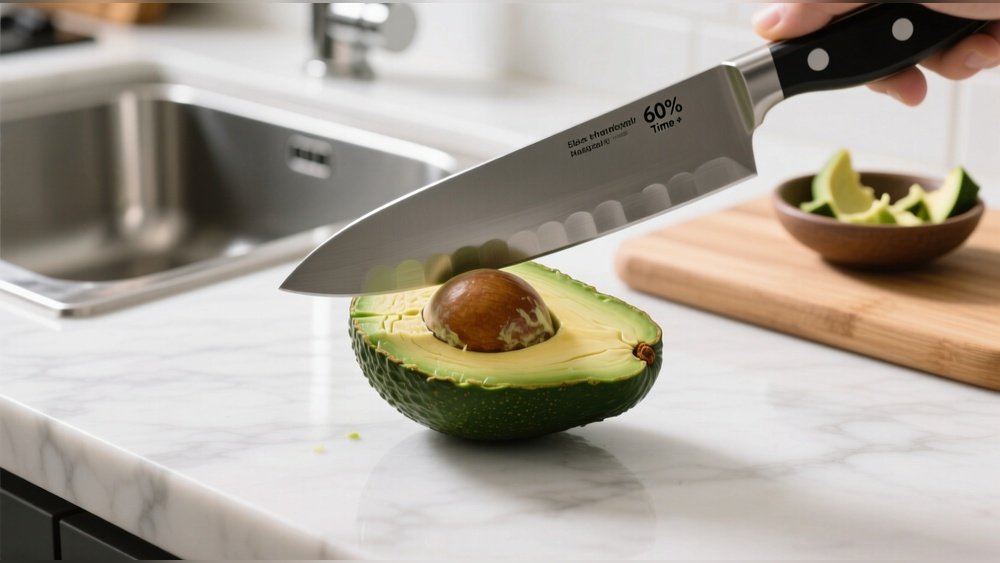
A knife is the classic tool for slicing avocados. Most cooks use a sharp chef’s knife or paring knife. Knives offer more control, but require some practice and care. With a knife, you can slice, dice, or create avocado cubes for salads, sandwiches, or toast.
Main Features
- Versatile: You can use it for many fruits and vegetables.
- Precision: Lets you choose slice thickness and shape.
- Requires skill: Needs careful handling, especially for beginners.
When To Use A Knife
Knives are best for people who:
- Want more control over slice size.
- Are comfortable with basic knife skills.
- Need to cut avocados in different ways.
Comparing Avocado Slicer Vs Knife
Let’s look at how these tools perform in real kitchen situations. Here’s a quick overview:
| Feature | Avocado Slicer | Knife |
|---|---|---|
| Ease of Use | Very easy | Needs practice |
| Safety | Safe for beginners | Risk of cuts |
| Slice Quality | Even slices | Can be uneven |
| Speed | Fast | Depends on skill |
| Cleaning | Simple | Simple |
| Multi-use | No | Yes |
Avocado slicers make slicing easy and safe, but they’re made for just one task. Knives can do much more, but need careful handling.
Step-by-step: How To Slice Avocado With Each Tool
Using An Avocado Slicer
- Cut the avocado in half: Use the slicer’s blade to split the fruit.
- Remove the pit: Push the pit remover into the seed and twist.
- Slice the flesh: Drag the fan-shaped end through the avocado to create even slices.
Tip: Press gently. Too much force can crush the slices.
Using A Knife
- Cut the avocado in half: Place the fruit on a board, slice lengthwise.
- Remove the pit: Hold the avocado steady, tap the pit with the knife, twist and lift.
- Slice the flesh: Score the flesh inside the skin for cubes, or slice for strips. Scoop out with a spoon.
Tip: Always keep your fingers away from the blade. Use a sharp knife for cleaner cuts.
Safety Tips For Avocado Slicing
Avocado accidents are common, especially for beginners. The term “avocado hand” describes injuries from using knives to remove the pit. Here’s how to stay safe:
- Use the right tool: Avocado slicers reduce risk of cuts.
- Cut on a stable surface: Use a cutting board, not your hand.
- Keep fingers clear: Never hold the avocado in your palm while slicing.
- Sharp knife, slow moves: Dull knives slip easily. A sharp knife gives you control.
- Don’t rush: Take your time, especially when removing the pit.
Maintenance And Cleaning
Good tools last longer if you care for them. Here’s how to keep your slicer or knife in top shape.
Avocado Slicer
- Wash after use: Rinse with warm soapy water or put in the dishwasher if allowed.
- Check for cracks: Plastic slicers can break over time. Inspect regularly.
- Store safely: Keep in a drawer or utensil holder.
Knife
- Hand wash: Clean with soap and water. Avoid dishwashers, which dull blades.
- Dry quickly: Prevent rust by drying after washing.
- Sharpen often: Use a sharpening stone or professional service.
Common Mistakes Beginners Make
Everyone learns from mistakes. Here are some to avoid:
- Using too much force: Both tools work best with gentle pressure.
- Wrong avocado ripeness: Hard avocados are tough to slice; overripe ones turn mushy.
- Holding avocado in hand: This increases risk of injury.
- Dirty tools: Food residue invites bacteria and dulls blades.
- Ignoring maintenance: Dull knives and broken slicers make slicing harder.
When Should You Replace Your Avocado Slicer?
Even the best slicers don’t last forever. Replace your slicer if you notice:
- Cracks or bends: Damaged plastic or metal can break in use.
- Stuck pit remover: If the pit remover no longer grips the seed, it’s time for a new slicer.
- Rust or stains: Stainless steel should stay shiny. Rust means it’s no longer safe.
- Loose parts: If the blade or handle feels wobbly, don’t risk it.
A good slicer usually lasts 1–2 years with daily use. For knives, sharpening can extend their life much longer.

Credit: cuisinox.com
Practical Tips For Perfect Avocado Slices
- Choose ripe avocados: A gentle squeeze should give slightly, but not feel mushy.
- Use a spoon: After slicing, scoop out the flesh to keep slices neat.
- Wipe the blade: Clean between slices for prettier results.
- Try both tools: Practice with slicer and knife to find what feels best.
Real-life Examples And Data
A study from the American Society for Surgery of the Hand found that avocado-related injuries rose by over 10% in the US between 2013 and 2017. Most accidents happened when removing the pit with a knife. Avocado slicers are now recommended for safer home use.
If you want to see how these tools compare in real kitchens, here’s another look:
| Task | Avocado Slicer | Knife |
|---|---|---|
| Pitting | Easy, safe | Risky, needs care |
| Slicing | Even, quick | Flexible, but tricky |
| Cleaning | Simple | Simple |
| Durability | 1–2 years | Many years |
Choosing The Right Tool For Your Kitchen
If you’re a new home cook, ask yourself:
- Do I want perfect slices every time? Choose the slicer.
- Do I need a tool for many foods? The knife is best.
- Am I worried about safety? Slicer wins for beginners.
- Do I like experimenting? Try both and compare.
Don’t feel pressured. Both tools have their place in the kitchen. For avocado toast, salads, or party platters, a slicer saves time and stress. For more complex recipes, a knife lets you customize.
What Beginners Often Miss
Many new cooks don’t realize:
- Avocado slicers work best with medium-sized, ripe avocados. Large or extra-small fruits can make slicing awkward.
- Even with a slicer, you may need a knife to cleanly halve the fruit or fix uneven edges.
- Knives are not all the same. A dull paring knife is much riskier than a sharp chef’s knife.
Extra Safety And Kitchen Advice
- Store tools safely: Keep knives and slicers away from children.
- Don’t use broken tools: Replace damaged slicers or knives immediately.
- Practice on soft fruits: Try slicing kiwis or bananas to build confidence before using a knife on avocado.
Expert Insight: Why The Problem Happens
Most avocado injuries happen because people:
- Rush to prepare food.
- Hold the avocado in their hand while slicing.
- Use dull knives or broken slicers.
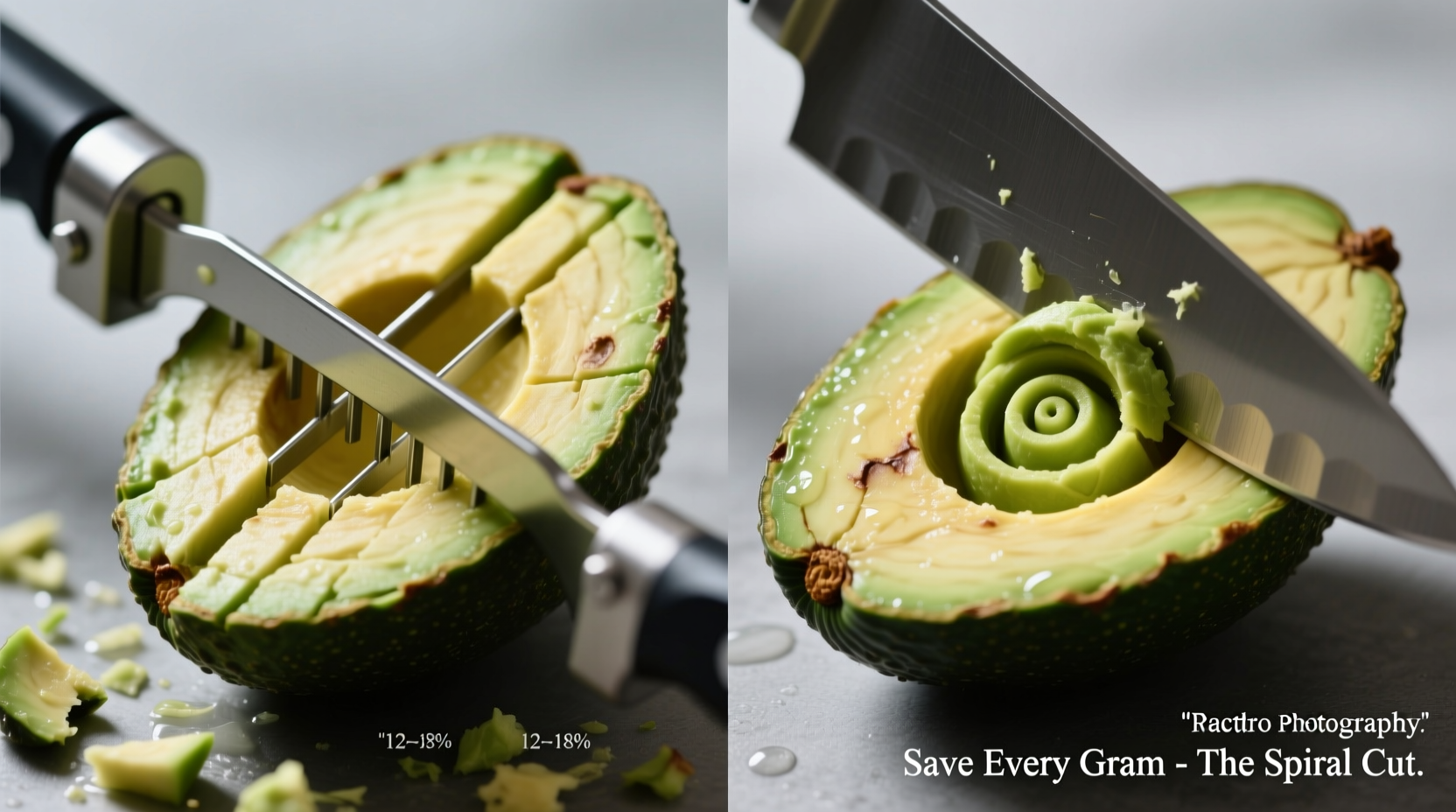
Simple changes, like using a cutting board and choosing the right tool, prevent 90% of these issues.
Credit: lifetips.alibaba.com
Summary Takeaway
As a new cook, your goal should be safe, easy, and tasty food. Avocado slicers are perfect for beginners, providing quick, clean slices with almost no risk. Knives give you more options, but require patience and skill. If you’re unsure, start with a slicer and practice with a knife when you feel confident. Keep your tools clean, sharp, and well-maintained. Remember, you don’t have to be a chef to enjoy great avocados — just choose the tool that fits your kitchen and your style.
For more kitchen safety info, check Wikipedia’s avocado hand article.
Frequently Asked Questions
What Is The Safest Way To Slice An Avocado?
The safest way is to use an avocado slicer on a cutting board. Avoid holding the fruit in your hand. If using a knife, go slow and keep your fingers away from the blade.
Can I Use An Avocado Slicer On Other Fruits?
Most slicers are made for avocados, but some can slice soft fruits like kiwis or bananas. Don’t use them for hard fruits — they may break.
How Do I Know If My Avocado Slicer Needs Replacing?
Check for cracks, rust, or loose parts. If the slicer doesn’t remove the pit easily or slices are messy, it’s time for a new one.
What Type Of Knife Is Best For Slicing Avocado?
A sharp chef’s knife or paring knife works well. Avoid dull blades, which are dangerous and make slicing harder.
Why Do People Get Hurt Slicing Avocados?
Most injuries happen when removing the pit with a knife. Rushing, using dull blades, or holding the avocado in your hand are common causes. Using an avocado slicer reduces risk.

Credit: microplane.com

Hi, I’m Emma Carter, a passionate home cook with over 12 years of hands-on experience in home kitchens. I love testing kitchen tools, trying new recipes, and helping everyday cooks make smarter buying decisions. Every review and guide I write is based on real cooking experience, practical testing, and honest opinions, not marketing claims.