Best Tips for How to Store Cheese Grater Handheld
You love the convenience of a handheld cheese grater, but do you struggle with where and how to store it properly? Keeping your grater in the right place not only saves space but also protects its sharp edges and keeps it ready for your next meal.
You’ll discover simple, effective ways to store your handheld cheese grater so it stays clean, safe, and easy to grab whenever you need it. By the end, you’ll have smart storage solutions that make your kitchen more organized and your cooking more enjoyable.
Ready to transform how you store your grater? Let’s dive in!

Credit: augustak9center.com
Choosing The Right Spot
Choosing the right spot to store your handheld cheese grater keeps your kitchen neat and safe. A well-chosen place protects the grater’s sharp edges and saves space. It also makes the grater easy to find when you need it.
Consider the grater’s size and shape before deciding where to store it. Think about how often you use it and what fits best in your kitchen layout. The right spot can help prevent accidents and keep your kitchen tidy.
Hang On Kitchen Hooks
Hanging your cheese grater on kitchen hooks is simple and practical. It keeps the grater off counters and out of drawers. Hooks allow the grater to dry quickly after washing. This method saves drawer space and keeps the grater within easy reach.
Store In Drawer Organizers
Drawer organizers keep your grater safe and separate from other utensils. They prevent the grater from moving around and getting damaged. Organizers also protect your fingers from the sharp grater edges. This option is good for small kitchens with limited wall space.
Use Dedicated Containers
Dedicated containers store your cheese grater cleanly and safely. Containers protect the grater’s blades and keep your kitchen clutter-free. Choose containers with good ventilation to avoid moisture buildup. This option works well if you want to keep your grater dust-free.

Credit: www.amazon.com
Protecting The Blades
Protecting the blades of a handheld cheese grater is key to keeping it sharp and safe. Proper storage prevents damage and helps the grater last longer. Blades can dull or bend if not stored carefully. Follow simple steps to shield the blades from harm.
Use Blade Covers
Blade covers are designed to fit over the grater’s sharp edges. They stop the blades from touching other items. This prevents dulling and accidental cuts. Many graters come with covers, or you can buy them separately. Using a blade cover is a quick way to protect your grater.
Wrap In Dish Towels
Wrapping the grater in a clean dish towel keeps the blades safe. The towel acts as a soft barrier around the sharp edges. It also stops the grater from scratching other kitchen tools. Change the towel often to keep it clean and dry. This method is simple and effective.
Separate Compartments
Store your cheese grater in a separate compartment or drawer. Avoid tossing it into a crowded drawer with other utensils. A dedicated spot prevents the blades from hitting hard objects. You can also use utensil organizers to keep it in place. This keeps the grater safe and easy to find.
Cleaning Before Storage
Cleaning your handheld cheese grater before storage keeps it sharp and safe. Cheese bits can stick to the grater and cause rust or bacteria buildup. Proper cleaning removes all residue and prevents smells from forming.
Follow simple steps to clean your grater thoroughly. This care extends its life and keeps it ready for the next use.
Rinse Immediately
Rinse the grater right after using it. Warm water helps remove fresh cheese bits. This stops the cheese from drying and sticking to the blades. Rinsing quickly makes cleaning easier later.
Use Brushes For Tough Residue
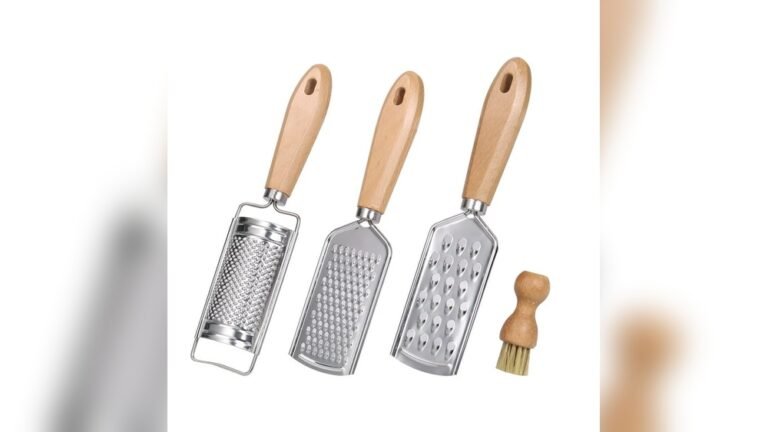
Use a small brush to clean stuck cheese. A toothbrush or nylon brush works well. Brush along the blades, not across, to avoid damage. For oily or sticky cheese, soak the grater in warm soapy water first. Then brush away the loosened bits.
Deep Sanitizing Tips
Sanitize your grater to kill bacteria. Boil it in hot water for a few minutes if it is all metal. Running it through a dishwasher on a hot cycle also works. Make sure the grater is dry before storing it to stop rust.
Storing Grated Cheese Safely
Storing grated cheese properly keeps it fresh and tasty longer. It also prevents spoilage and waste. Safe storage helps maintain the cheese’s flavor and texture. Follow simple steps to store grated cheese with care.
Use Sealable Containers
Choose airtight containers to store grated cheese. Sealable containers stop air and moisture from reaching the cheese. This slows down drying and mold growth. Glass or plastic containers with tight lids work best. Avoid using bags that do not seal well.
Refrigeration Guidelines
Keep grated cheese in the refrigerator at all times. Store it at or below 40°F (4°C) to prevent bacteria growth. Use grated cheese within 5 to 7 days for best quality. Label the container with the date to track freshness. Do not leave cheese out at room temperature for long.
Avoid Cross-contamination
Use clean utensils when handling grated cheese. Do not mix grated cheese with raw foods or unwashed hands. Store grated cheese separately from strong-smelling foods to avoid odor transfer. Clean containers and utensils regularly to keep cheese safe to eat.
Organizing For Kitchen Efficiency
Organizing handheld cheese graters properly boosts kitchen efficiency. A well-kept kitchen saves time and reduces stress. It helps you find tools quickly and keeps your workspace neat. Simple organizing tips can make storing your cheese grater easier and more practical.
Group Similar Tools
Store your handheld cheese grater near other similar tools. Keep graters, peelers, and small slicers together. This groups items by their use and makes them easy to find. It also prevents clutter in drawers or cabinets. When tools share a spot, your kitchen stays tidy and organized.
Label Storage Areas
Label shelves or drawers where you keep your cheese grater. Clear labels help everyone know where each tool belongs. Use simple words or pictures for easy understanding. Labels reduce the time spent searching for items. They also keep your kitchen orderly and user-friendly.
Maximize Vertical Space
Use vertical space to store your handheld cheese grater. Hang it on hooks inside a cabinet door or on a wall rack. This frees up drawer and counter space. Vertical storage keeps the grater accessible and dry. It also protects the blades from damage and keeps your kitchen safe.
| Rotary Cheese Grater Hand Crank | View on Amazon → |
| OXO Good Grips Two-Fold Etched Grater | View on Amazon → |
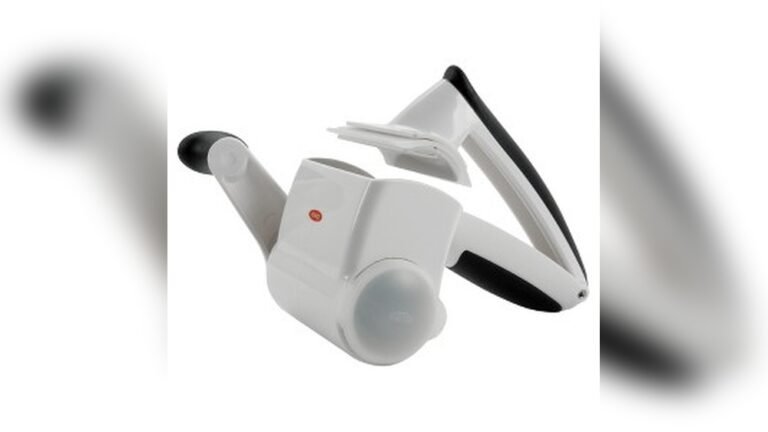
| Zyliss Classic Rotary Cheese Grater – NSF Restaurant Certified | View on Amazon → |
Maintaining Your Cheese Grater
Maintaining your handheld cheese grater ensures it stays sharp and safe to use. Proper care helps avoid damage and keeps your grater ready for any recipe. Simple routines can extend its life and improve performance.
Focus on cleaning, checking for damage, and storing it properly. These small steps protect your grater from rust and wear.
Regular Inspection
Check your cheese grater before and after each use. Look for bent or dull blades that reduce grating efficiency. Inspect the handle for cracks or loose parts. Spotting damage early prevents accidents and keeps the grater working well.
Avoiding Rust
Keep your grater dry after washing to prevent rust. Wipe it with a clean towel or let it air dry completely. Avoid leaving it in damp places or soaking it too long. Rust weakens the metal and makes grating unsafe.
Replacing When Needed
Replace your cheese grater if blades become dull or damaged. If rust appears despite care, it’s time for a new one. A worn grater wastes cheese and can cause injury. Choose a new grater that fits your needs and use it carefully.
Frequently Asked Questions
How To Store A Grater?
Store a grater by hanging it on a hook or placing it in a drawer with blade guards. Keep it dry to prevent rust.
How To Clean A Hand Held Cheese Grater?
Rinse the grater under warm water immediately after use. Use a brush to clean between teeth. For sticky cheese, soak briefly in warm, soapy water. Dry thoroughly to prevent rust. Occasionally sanitize by boiling or dishwasher if fully metal.
Does Grated Cheese Need To Be Refrigerated?
Grated cheese should be refrigerated to maintain freshness and prevent spoilage. Keep it in an airtight container.
How To Keep A Grater Safe?
Clean the grater immediately after use by rinsing with water and brushing off food particles. Store it hanging or in a protective sleeve to avoid dulling blades and prevent injuries. Keep it dry to prevent rust and maintain sharpness.
Conclusion
Storing your handheld cheese grater properly keeps it safe and clean. Hang it on a hook to avoid damage and save space. Always dry it well before storing to prevent rust and bacteria. Use a protective cover or wrap it in a cloth if you keep it in a drawer.
Regular cleaning after use makes grating easier next time. Taking these simple steps helps your grater last longer and work better. Enjoy fresh, tasty cheese with less hassle every day.

Hi, I’m Emma Carter, a passionate home cook with over 12 years of hands-on experience in home kitchens. I love testing kitchen tools, trying new recipes, and helping everyday cooks make smarter buying decisions. Every review and guide I write is based on real cooking experience, practical testing, and honest opinions, not marketing claims.