
Rotary Grater Vs Box Grater: Ultimate Showdown for Kitchen Efficiency
When it comes to grating in your kitchen, the choice between a rotary grater and a box grater can make a big difference in how smoothly your cooking goes. You might wonder which one will save you time, keep your fingers safe, and handle the foods you love best.
Whether you’re shredding hard Parmesan, zesting citrus, or tackling vegetables, picking the right grater can change your experience from frustrating to effortless. You’ll discover the key differences, benefits, and drawbacks of rotary and box graters, so you can find the perfect tool that fits your cooking style and needs.
Ready to make grating easy and efficient? Let’s dive in and find out which grater deserves a spot in your kitchen.
| Rotary Cheese Grater Hand Crank | View on Amazon → |
| OXO Good Grips Two-Fold Etched Grater | View on Amazon → |
| Zyliss Classic Rotary Cheese Grater – NSF Restaurant Certified | View on Amazon → |
| OXO Good Grips Etched Box Grater with Removable Zester | View on Amazon → |
Box Grater Features
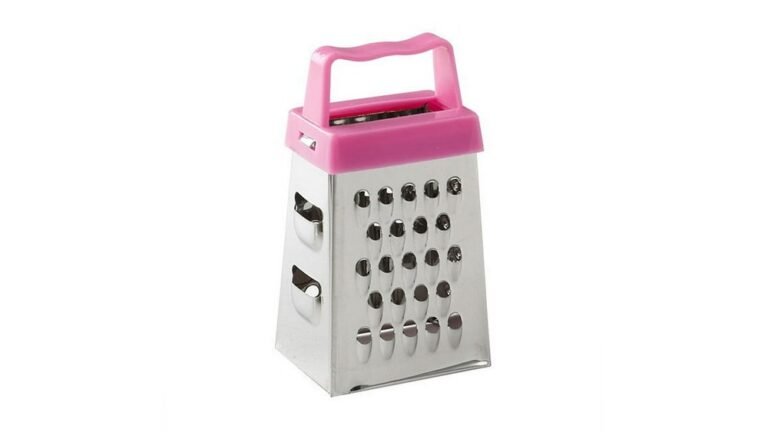
Box graters offer a classic and practical design for everyday grating needs. They feature multiple grating surfaces on one tool, allowing users to switch between different textures easily. This all-in-one approach makes box graters a staple in many kitchens.
Their sturdy shape stands firmly on countertops, giving users control and stability during use. Cleaning is straightforward due to their open design and simple construction. These features combine to make box graters reliable and user-friendly.
Design And Surfaces
A box grater usually has four vertical sides with different grating options. Each side serves a unique purpose: coarse grating, medium grating, fine grating, and slicing. The coarse side is perfect for shredding cheese or vegetables quickly. The medium and fine sides work well for zesting citrus or grating chocolate. The slicer side creates thin, even slices of vegetables or fruits.
The box shape allows it to stand upright, which helps gather grated food inside. The handle on top offers a firm grip, making it easy to hold and control. Most box graters are made of stainless steel for durability and rust resistance.
Versatility In Use
Box graters handle a wide range of foods with ease. They work well on soft cheeses like mozzarella and harder ones like Parmesan. Vegetables such as carrots and zucchini grate smoothly on different sides. Chocolate can be finely grated for baking or coarsely for toppings. Citrus zest adds flavor without the bitter pith.
The slicer side helps create thin, uniform slices for salads or garnishes. Users can grate nuts for baking or sprinkle over dishes. This versatility makes the box grater a useful tool for many recipes and cooking styles.
Pros And Cons
Box graters offer many benefits. Their multi-surface design saves space by combining tools in one. They provide stable use thanks to their box shape and sturdy handle. The open sides let grated food collect neatly inside for easy transfer. Cleaning is simple with fewer parts to disassemble.
Some drawbacks exist. The size can be bulky for small kitchens. Fingers can get close to sharp edges, requiring care during use. Grating very hard foods may take more effort compared to specialized graters. Still, their versatility and ease of use outweigh these minor issues for most home cooks.

Credit: www.nytimes.com
Rotary Grater Features
The rotary grater offers a unique design and function that sets it apart from traditional box graters. It uses a rotating drum to shred food quickly and with minimal effort. This feature makes it ideal for certain kitchen tasks, especially when working with hard ingredients.
Understanding the features of a rotary grater helps in choosing the right tool for your cooking needs. Below, we explore how it works, its best uses, and some limitations you should consider.
Mechanism And Operation
The rotary grater works with a hand-cranked drum inside a small chamber. You place food into the chamber and turn the handle. The drum rotates and shreds the food against sharp blades.
This mechanism keeps your fingers away from the blades, making it safer. The grated food comes out in small pieces, perfect for sprinkling or melting. It requires less physical effort than a box grater.
Best Uses And Advantages
Rotary graters excel at grating hard cheeses like Parmesan. They also work well for nuts and chocolate. The grating happens fast and produces fine, even pieces.
The design helps reduce mess because grated food stays inside the chamber until released. It is a great choice for recipes needing large amounts of grated ingredients. Its compact size makes storage easy.
Limitations And Drawbacks
Rotary graters are not as versatile as box graters. They usually handle only one grating size. Cleaning can be more time-consuming due to many small parts.
This grater struggles with soft or large items that do not fit well inside the chamber. It also requires careful use to avoid jamming. Users should check the size limits before purchasing.
Performance Comparison
Comparing the performance of rotary graters and box graters reveals clear differences. Each tool shines in certain tasks. Understanding these helps choose the right grater for your kitchen needs.
Speed And Efficiency
Rotary graters work fast, especially with hard cheeses and nuts. The hand-crank drum spins quickly, shredding large amounts without much effort. Box graters are slower. They require up-and-down motion, which can tire your hand. They work well for small tasks and different textures.
Safety Considerations
Rotary graters offer better safety. Your fingers stay away from sharp blades inside the drum. The design lowers the risk of cuts. Box graters expose blades directly. Care is needed to avoid scraping your fingers. Using a glove or holder can help protect your hands.
Suitability For Different Foods
Box graters are versatile for many foods. They handle soft cheese, vegetables, chocolate, and citrus zest. Each side offers a different grating size or slicing option. Rotary graters suit hard, firm foods like aged cheese and nuts. They struggle with soft or wet ingredients, which can clog the drum.
:max_bytes(150000):strip_icc()/sea-cheese-graters-taylor-murray-3-1136b2c79b5f4aecb8d0bb0d4297dfe3.jpeg)
Credit: www.seriouseats.com
Cleaning And Storage
Cleaning and storage are important factors when choosing between a rotary grater and a box grater. Both tools have unique designs that affect how easy they are to clean and where you can store them. Keeping your grater clean helps prevent bacteria buildup. Proper storage saves space in your kitchen and keeps the grater ready for use.
Ease Of Cleaning
Box graters are usually easier to clean. Their flat surfaces and open design allow you to rinse off food quickly. Some box graters fit in dishwashers. However, food can get stuck in the small holes, requiring a brush or toothpick to remove it. Rotary graters have a drum inside a casing. This drum can trap food, making cleaning harder. You may need to disassemble the parts for a thorough wash. Some rotary graters are dishwasher safe, but many require hand washing. Overall, box graters often take less time and effort to clean.
Storage Requirements
Box graters have a tall, rectangular shape. They can fit in most kitchen drawers or cupboards standing up. Their flat sides also allow stacking with other kitchen tools. Rotary graters tend to be bulkier due to their crank handle and enclosed drum. They need more space for storage. Some models come with covers to protect the blades and keep them compact. Consider your kitchen space before choosing a rotary grater. Box graters are better for smaller kitchens because of their slim design.
Choosing The Right Grater
Selecting the perfect grater depends on how you cook and what you need. Both rotary and box graters have unique strengths. Understanding these can help you pick the best tool for your kitchen. Consider your cooking style and frequency of use before deciding.
Cooking Habits And Needs
Think about the foods you often prepare. If you grate cheese, nuts, or butter regularly, a rotary grater can make the job faster and safer. It keeps your fingers away from sharp blades. For a variety of tasks, like slicing vegetables or zesting citrus, a box grater offers more options. Its multiple sides handle different textures and sizes.
Occasional Vs Frequent Use
Use a box grater if you only grate sometimes. It is simple and easy to clean. Rotary graters work best for frequent users who need speed and efficiency. They handle large amounts of hard cheese or nuts with less effort. Consider how often you will use your grater to choose wisely.
Multi-functionality Vs Specialization
Box graters provide several grating surfaces in one tool. This makes them versatile for many kitchen tasks. Rotary graters focus mainly on hard foods like Parmesan cheese or nuts. They specialize in quick, uniform grating. Decide if you want one tool for many jobs or one that excels in a specific task.
Professional And Home Use
Choosing between a rotary grater and a box grater depends on the user’s needs. Both tools serve different purposes in kitchens. Professionals and home cooks value these graters for their unique features. Efficiency, safety, and ease of use play key roles in their preferences.
Professional kitchens often demand speed and precision. Rotary graters provide quick, safe grating of hard cheeses and nuts. Home users appreciate box graters for versatility and ease of cleaning. Each grater type fits specific cooking styles and ingredient needs.
Graters Preferred By Chefs
Chefs often select rotary graters for grating Parmesan or hard cheeses. The hand-cranked drum helps grate large amounts quickly. It protects fingers from sharp blades, reducing injury risk. This tool suits busy kitchens where efficiency matters.
Box graters also have a place in professional kitchens. Their multiple grating surfaces offer versatility for different textures. Chefs use them to shred vegetables, cheese, and zest citrus. The sturdiness and easy cleanup make box graters reliable daily tools.
Popular Models And Brands
Among rotary graters, brands like Zyliss and KitchenAid are popular. These models offer comfortable handles and sharp drums for smooth grating. Stainless steel construction ensures durability and hygiene.
For box graters, OXO Good Grips and Rösle stand out. OXO’s etched surfaces provide sharp, long-lasting edges. Their graters include non-slip bases and ergonomic handles for user comfort. Rösle’s stainless steel graters combine style with functionality.
Tips For Effective Grating
Grating ingredients correctly improves your cooking and saves time. Using the right technique helps you get consistent results. It also keeps your hands safe and your tools in good shape. Follow these tips to grate effectively, whether you use a rotary grater or a box grater.
Handling Hard Vs Soft Ingredients
Hard ingredients like Parmesan or nuts need firm, steady pressure. Use a rotary grater for these to avoid slipping. Soft items like zucchini or cheese require gentle strokes. A box grater works well for soft foods to prevent crushing. Match your grating style to the ingredient texture for best results.
Maintaining Sharpness
Sharp blades make grating easier and cleaner. Wash graters by hand to protect edges. Avoid using a dishwasher that dulls blades quickly. Dry graters completely to prevent rust. Store graters in a dry place with blade covers if available. Regularly check and replace dull parts if possible.
Safety Tips
Always grip the grater firmly on a stable surface. Keep fingers away from the blades at all times. Use protective gloves for extra safety with rotary graters. Grate slowly and with control to avoid slips. Stop grating before the ingredient gets too small to hold safely.

Credit: www.amazon.com
Frequently Asked Questions
What Is The Best Type Of Grater To Use?
The best grater depends on use: box graters offer versatility and easy cleanup, while rotary graters excel at fast, safe shredding of hard cheeses and nuts. Choose based on your needs for speed, safety, and ingredient type.
What Graters Do Professional Chefs Use?
Professional chefs use box graters for versatility and rotary graters for speed and safety with hard cheeses. Both offer unique benefits.
Can You Use A Rotary Grater For Butter?
Yes, you can use a rotary grater for butter, especially if it is frozen. It grates butter efficiently and safely.
What Are The Benefits Of Using A Rotary Grater?
Rotary graters shred hard cheeses, nuts, and chocolate quickly and safely. They protect fingers with a food pusher and offer stable, one-handed use.
Conclusion
Choosing between a rotary grater and a box grater depends on your needs. Box graters offer versatility with multiple grating options in one tool. They are easy to clean and ideal for various foods. Rotary graters work best for grating hard cheeses or nuts quickly and safely.
They keep your fingers away from sharp blades. Both tools have unique benefits and fit different kitchen tasks. Consider how often you grate and what foods you prepare. This will help you pick the right grater for your kitchen.

Hi, I’m Emma Carter, a passionate home cook with over 12 years of hands-on experience in home kitchens. I love testing kitchen tools, trying new recipes, and helping everyday cooks make smarter buying decisions. Every review and guide I write is based on real cooking experience, practical testing, and honest opinions, not marketing claims.