How to Grate Cheese by Hand: Easy Tips for Perfect Results
Grating cheese by hand might seem simple, but getting it just right can make all the difference in your cooking. Whether you’re topping a homemade pizza or adding that perfect sprinkle to your pasta, knowing how to grate cheese properly saves you time and effort.
You’ll avoid messes, prevent sore wrists, and get evenly shredded cheese every time. Ready to master this kitchen skill? Keep reading, and you’ll discover easy tips and tricks that make hand-grating cheese faster, cleaner, and more enjoyable.
:max_bytes(150000):strip_icc()/faw-zyliss-smooth-glide-dual-grater-heather-riske-08-1-71a34501088b45b198e7e073b2b84c06.jpeg)
Credit: www.foodandwine.com
Choosing The Right Grater
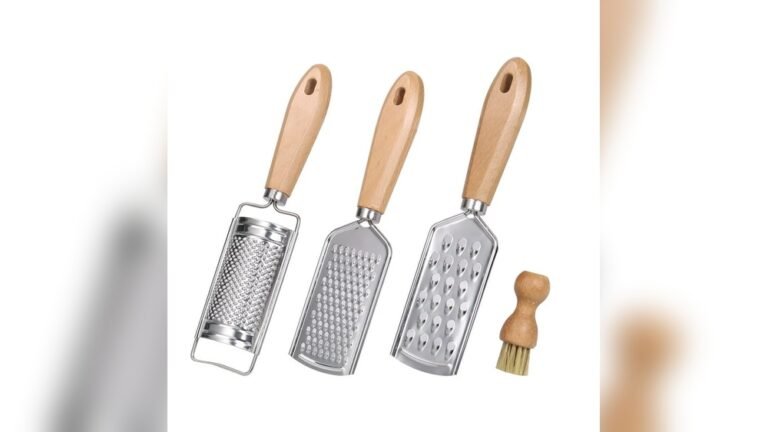
Choosing the right grater is key to grating cheese easily and quickly. The right tool depends on how much cheese you need and what texture you want. Different types of graters offer unique benefits for various tasks. Knowing these will help you pick the perfect grater for your kitchen.
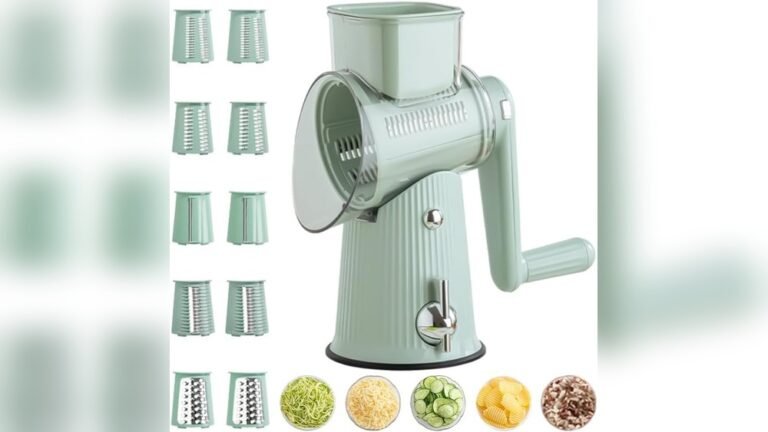
| Rotary Cheese Grater Hand Crank | View on Amazon → |
| OXO Good Grips Two-Fold Etched Grater | View on Amazon → |
| Zyliss Classic Rotary Cheese Grater – NSF Restaurant Certified | View on Amazon → |
| OXO Good Grips Etched Box Grater with Removable Zester | View on Amazon → |
Box Graters Vs Handheld Graters
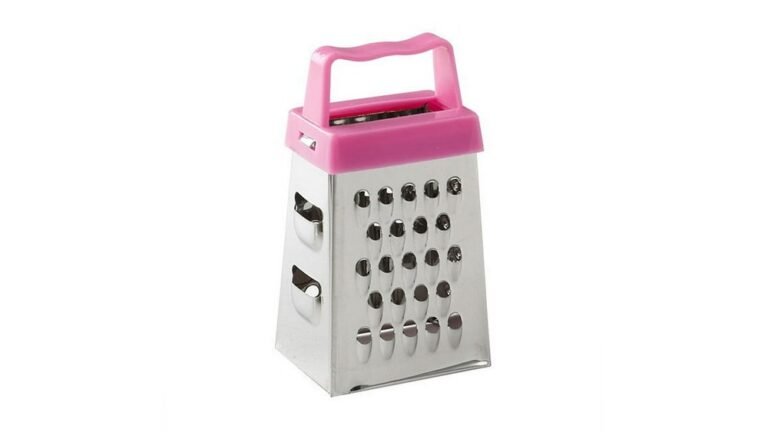
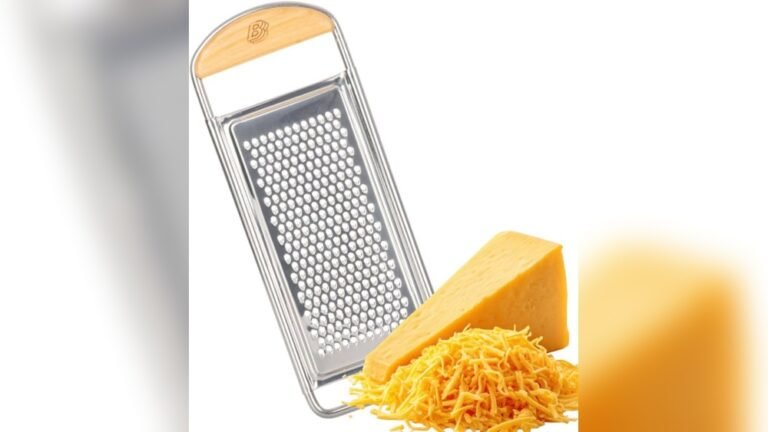
Box graters stand upright and have multiple sides with different hole sizes. They are stable and good for grating large amounts of cheese. Handheld graters are smaller and easier to use for quick tasks. They work well for grating directly over dishes. Box graters suit big jobs, while handheld ones offer more control.
Different Grating Surfaces
Graters have different hole sizes and shapes for varied results. Large holes create thick shreds, perfect for cheddar or mozzarella. Medium holes produce finer shreds for Parmesan or garnishes. Some graters have microplane surfaces for very fine zest or cheese dust. Choose a surface based on the cheese type and recipe needs.
Grater Maintenance And Sharpening
Keep your grater clean to prevent cheese buildup and rust. Wash it right after use with warm water and a brush. Dry it thoroughly to avoid corrosion. Over time, graters can lose sharpness. Sharpen dull graters by grating a piece of aluminum foil several times. Proper care extends your grater’s life and improves performance.

Credit: thishealthykitchen.com
Preparing Cheese For Grating
Preparing cheese for grating makes the process easier and cleaner. Proper preparation helps you get even, perfect shreds. It also saves time and reduces mess. This section explains how to choose, chill, and handle cheese for grating.
Selecting The Best Cheese Type
Choose cheeses that grate well by hand. Hard and semi-hard cheeses like cheddar, Parmesan, and Gouda work best. Softer cheeses tend to clump or smear. Fresh cheeses usually do not grate well. Pick a cheese that matches your recipe and grating needs.
Chilling Cheese For Easier Grating
Cold cheese is firmer and easier to grate. Chill cheese in the fridge for at least 30 minutes before grating. For very soft cheese, a short time in the freezer helps. Avoid freezing hard cheese for too long to prevent crumbling. Cold cheese also reduces stickiness on the grater.
Handling Soft And Sticky Cheeses
Soft cheeses need gentle handling to grate well. Lightly coat the grater with cooking spray to stop sticking. Use a fine grater to get small shreds without tearing. Work slowly and clean the grater often. Grating soft cheese over parchment paper or a plate catches shreds without waste.
Grating Techniques
Grating cheese by hand is simple with the right techniques. Using proper methods makes the process faster and safer. This section covers three key tips to improve your grating skills.
These techniques help you get evenly shredded cheese without tiring your hands. Follow them to enjoy fresh, fluffy cheese every time.
Proper Grater Placement
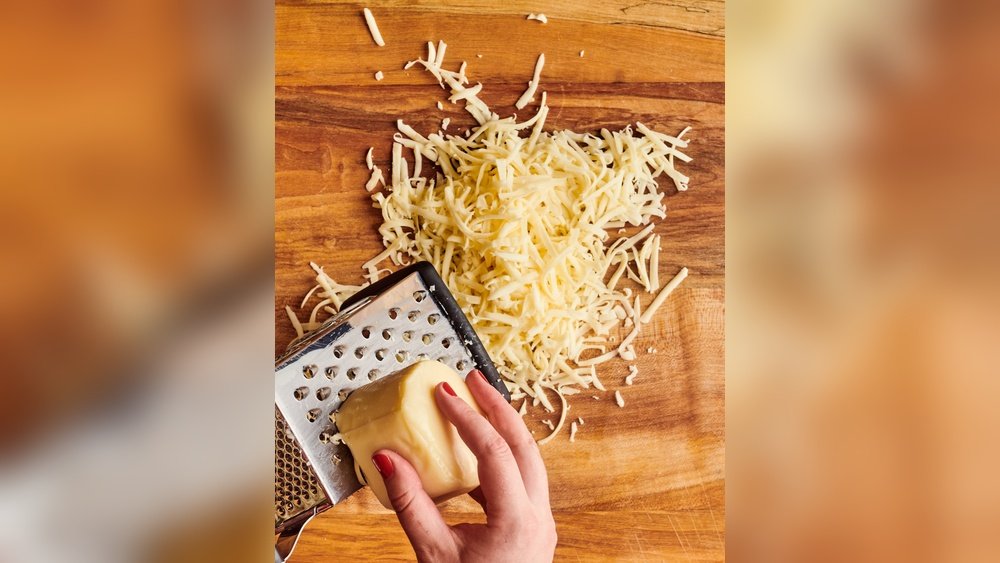
Place your grater on a stable surface before starting. A cutting board works well to prevent slipping. Hold the grater firmly with one hand to keep it steady. Position the grater so it is slightly tilted toward you. This angle helps the cheese slide down smoothly. Make sure the base does not wobble during use.
Using Your Body Weight Effectively
Use your body weight to press the cheese against the grater. Lean slightly forward to add gentle pressure. Avoid using only your wrist or fingers. This method reduces strain and speeds up grating. Let your arm muscles assist but do not rely on them alone. This balanced approach prevents hand fatigue.
Grating Direction And Pressure Tips
Move the cheese in a downward motion along the grater’s surface. Keep the pressure steady but not too hard. Too much force can cause the cheese to crumble or stick. Use long, smooth strokes for even shreds. Lift the cheese away carefully before starting a new stroke.
Preventing Cheese From Sticking
Grating cheese by hand can be tricky when the cheese sticks to the grater. Sticking slows down the process and makes a mess. Simple steps help keep the cheese flowing smoothly. Using barriers on the grater surface reduces sticking and eases cleanup. Follow these tips to make grating easier and faster.
Applying Nonstick Sprays
Spraying the grater with a light coat of nonstick spray helps stop cheese from sticking. Use a cooking spray that is safe for food. Spray the grater blades evenly before starting. The spray forms a thin layer between the cheese and metal. This layer prevents the cheese from clumping on the grater. Spray again if needed during grating for best results.
Using Oil Or Other Barriers
Oiling the grater lightly also prevents cheese from sticking. Use a neutral oil like vegetable or canola oil. Apply a small amount on a paper towel and rub it on the grater surface. Oil creates a smooth barrier that stops cheese buildup. Some cooks use a thin slice of wax paper or parchment to cover the grater. These barriers reduce friction and keep cheese shreds clean.
Cleaning Tips During Grating
Cleaning the grater often helps avoid stuck cheese. Rinse the grater under warm water during breaks. Use a soft brush or sponge to remove cheese bits from the holes. Avoid scrubbing too hard to protect the grater’s sharp edges. Dry the grater well before resuming. Keeping the grater clean keeps the cheese from clumping and sticking.
Tips For Safety And Efficiency
Grating cheese by hand can be quick and simple. Taking care of safety keeps fingers safe. Working efficiently saves time and effort. These tips help you grate cheese smoothly and safely.
Protecting Your Fingers
Hold the cheese firmly but keep fingers away from the grater. Use the flat surface of your fingertips to press the cheese. Stop grating before you reach the end to avoid cuts. You can also use a food holder or a small piece of wax paper to grip the cheese. Always move the cheese downwards against the grater, never sideways.
Avoiding Wrist Strain
Keep your wrist straight and relaxed while grating. Use your whole arm to move the cheese up and down. Take breaks if you feel any discomfort. Try placing the grater on a stable surface to reduce the effort. Using a larger grater surface lets you grate more cheese in fewer strokes.
Using Parchment Or Plates For Cleanup
Place parchment paper or a plate below the grater to catch cheese shreds. This keeps your countertop clean and makes cleanup fast. You can lift the paper or plate and pour the cheese directly into your dish. Wiping the grater with a damp cloth right after grating prevents cheese from drying on the surface. Avoid rinsing the grater immediately if cheese is soft; let it soak briefly to remove stuck bits easily.

Credit: www.epicurious.com
Alternative Grating Methods
Grating cheese by hand is simple with the right tools. Sometimes, the traditional grater is not handy or you want to try different ways. Alternative grating methods can save time and effort. These options work well for different cheese types and kitchen setups.
Grating Without A Traditional Grater
You can grate cheese without a regular grater by using a knife carefully. Cut the cheese into very thin slices, then stack and slice those slices into thin strips. This creates small pieces that work like grated cheese. Another way is to use a vegetable peeler to shave thin layers from the cheese block. These shavings melt quickly on hot dishes.
Using Food Processors
Food processors help grate cheese fast and with less mess. Use the shredding attachment and pulse the cheese in short bursts. This controls the size of the shreds. Make sure the cheese is cold to avoid clumping. Clean the processor right after to stop cheese from sticking. This method works great for large cheese amounts.
Creative Household Tools
Other tools can also grate cheese in a pinch. A clean, fine box grater works well. If not available, try a microplane or zester for hard cheeses like Parmesan. Some use a clean cheese slicer to get thin slices, then break them into small pieces. Even a sharp fork can be used to scrape small bits from soft cheese. These tools offer handy options when traditional graters are missing.
Storing And Using Grated Cheese
Grated cheese adds flavor and texture to many dishes. Proper storage keeps it fresh and easy to use. Using grated cheese correctly enhances your cooking experience. Follow these tips for best results.
Best Storage Practices
Store grated cheese in an airtight container or a resealable plastic bag. Keep it in the refrigerator to prevent spoilage. Use wax paper or parchment paper between layers to avoid moisture buildup. Label the container with the date to track freshness. Consume grated cheese within a week for best taste and safety.
Preventing Clumping
Clumping happens when moisture makes cheese stick together. Toss grated cheese with a small amount of cornstarch or flour. This absorbs moisture and keeps shreds separate. Avoid washing or rinsing cheese before storing. Keep the container sealed tightly to reduce humidity. Stir cheese gently before use if clumps form.
Incorporating Grated Cheese Into Recipes
Sprinkle grated cheese on salads, pasta, and soups for added flavor. Use it as a topping on casseroles or baked dishes. Mix grated cheese into dough or batter for cheesy bread and muffins. Add cheese gradually to melted dishes for even melting. Serve grated cheese fresh for the best texture and taste.
Frequently Asked Questions
What Is The Easiest Way To Grate Cheese?
Place a box grater on a cutting board with parchment underneath. Hold cheese firmly and grate using downward strokes. For less effort, lay the grater on its side and use body weight to shred cheese evenly.
What Do Professional Chefs Use To Grate Cheese?
Professional chefs typically use a box grater or microplane to grate cheese quickly and evenly. They prefer sharp, durable tools for efficiency.
How Do I Grate My Cheese Without A Grater?
Use a knife to finely chop cheese into small pieces or freeze it slightly, then crumble by hand for a grated effect.
Which Side Do You Grate Cheese On?
Grate cheese on the side with the holes that match your desired shred size. Use large holes for soft cheeses and small holes for hard cheeses. Lay the grater on its side for easier shredding and better control.
Conclusion
Grating cheese by hand is simple and rewarding. Use a steady surface and choose the right side of your grater. Keep your movements smooth to avoid injury and mess. Remember, a sharp grater works best and makes the task easier.
With a bit of practice, you will grate cheese quickly and neatly every time. Enjoy adding fresh, grated cheese to your meals!

Hi, I’m Emma Carter, a passionate home cook with over 12 years of hands-on experience in home kitchens. I love testing kitchen tools, trying new recipes, and helping everyday cooks make smarter buying decisions. Every review and guide I write is based on real cooking experience, practical testing, and honest opinions, not marketing claims.