How to Grate Cream Cheese Easily – Our Expert Guide
Have you ever tried to grate cream cheese and ended up with a sticky mess instead of those perfect, fluffy shreds? You’re not alone.
Cream cheese is soft and smooth, making it tricky to handle with a regular grater. But imagine how much easier your recipes could be if you knew the simple tricks to grate cream cheese effortlessly. Whether you want to add it to salads, pasta, or baked goods, grating cream cheese the right way can save you time and frustration.
Keep reading, and you’ll discover easy, practical tips that turn this kitchen challenge into a quick, stress-free task. Your cooking will never be the same!

Credit: www.girlgonegourmet.com
| Rotary Cheese Grater Hand Crank | View on Amazon → |
| OXO Good Grips Two-Fold Etched Grater | View on Amazon → |
| Zyliss Classic Rotary Cheese Grater – NSF Restaurant Certified | View on Amazon → |
Choosing The Right Cream Cheese
Choosing the right cream cheese makes grating easier and more effective. Not all cream cheese types work well for grating. The texture and moisture content affect how the cheese behaves on a grater. Picking the right kind ensures smooth, even shreds.
Consider the type and firmness before starting. These factors help you get the best results with less mess.
Types Of Cream Cheese
Cream cheese comes in several varieties. Regular cream cheese is soft and spreadable. It often contains more moisture and can be too soft to grate easily.
Neufchâtel cheese is similar but has less fat and a slightly firmer texture. This option can be better for grating.
Some brands offer block-style cream cheese. These blocks are firmer and hold their shape well. They provide better results when grated.
Selecting The Best Texture For Grating
Look for cream cheese with a firm texture. Soft, spreadable cream cheese will clump and stick to the grater. Firmer cream cheese slides smoothly across the grater blades.
Cold cream cheese is easier to grate than room temperature cheese. Chill the block before grating for cleaner shreds. Avoid overly hard or frozen cheese as it can crumble instead of grate.
Choosing cream cheese that holds shape without being too hard is key. This balance helps you grate quickly and with less waste.
Preparing Cream Cheese For Grating
Preparing cream cheese for grating requires careful steps to handle its soft texture. Cream cheese is much softer than hard cheeses, so it needs to be firm enough to grate without smearing. Proper preparation helps create fine, even shreds that blend well in recipes.
Follow these simple methods to prepare cream cheese perfectly for grating.
Chilling Techniques
Chilling cream cheese makes it firmer and easier to grate. Place it in the refrigerator for at least 30 minutes before grating. For faster results, put the cream cheese in the freezer for 10 to 15 minutes. Watch closely to avoid freezing it solid. Cold cream cheese holds its shape better and produces cleaner shreds.
Cutting Into Manageable Pieces
Cut cream cheese into small blocks or cubes before grating. This helps you hold the pieces securely and prevents slipping. Smaller pieces fit better on the grater, making the process safer and faster. Use a sharp knife to make clean cuts without squashing the cheese.
Grating Methods
Grating cream cheese may seem tricky due to its soft texture. Several methods help make this task easier. Choosing the right tool and technique ensures you get fine, even shreds.
Below are common grating methods that work well for cream cheese. Each method offers unique benefits depending on your kitchen setup.
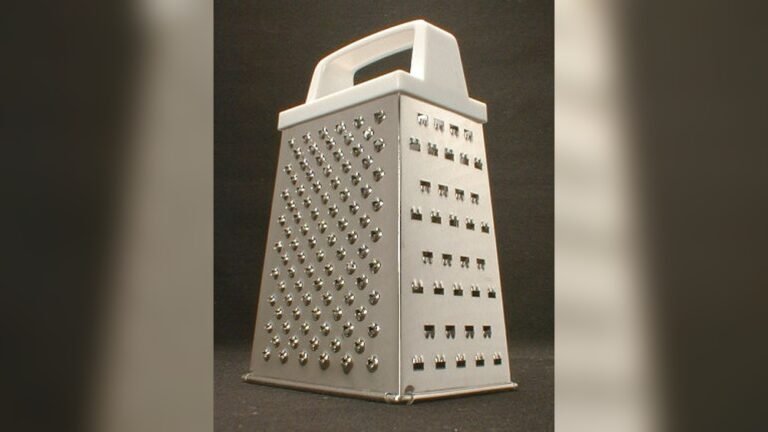
Using A Box Grater
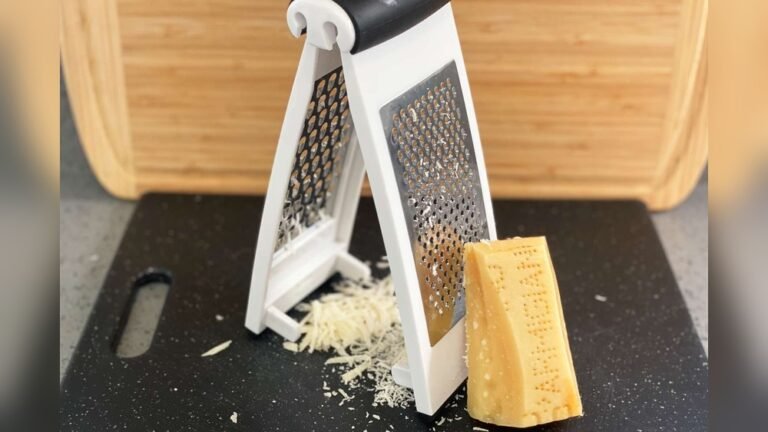
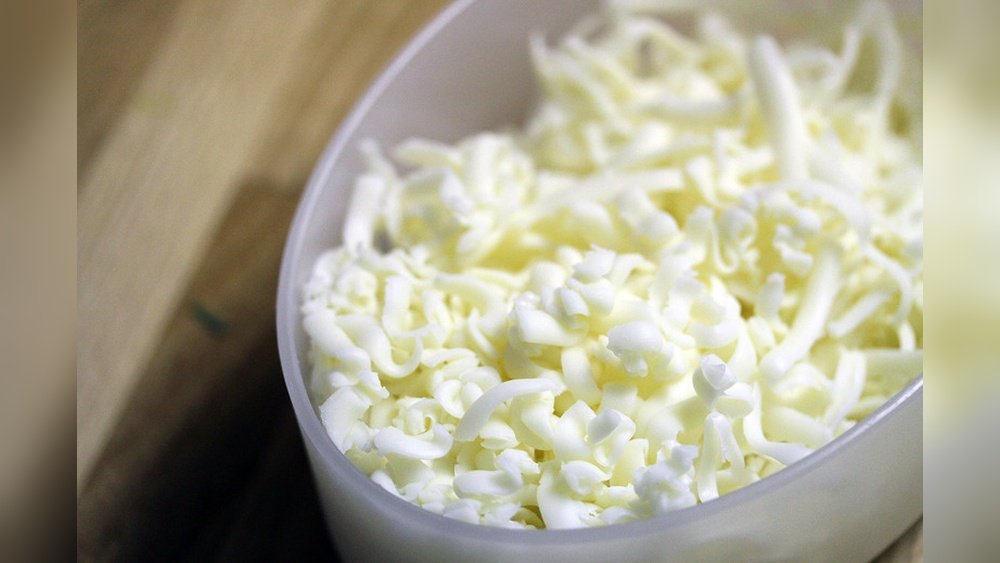
A box grater is simple and effective for cream cheese. Chill the cream cheese first to firm it up. Use the side with medium-sized holes for best results. Hold the grater steady on a cutting board. Rub the cold cream cheese gently against the grater. This technique produces soft, fluffy shreds perfect for recipes.
Food Processor Tips
A food processor speeds up grating cream cheese. Cut the cream cheese into small cubes. Attach the shredding disc or grater blade. Feed the cubes through the chute slowly to avoid clumping. Pulse if needed to control texture. This method works well for large quantities and saves time.
Alternative Tools For Grating
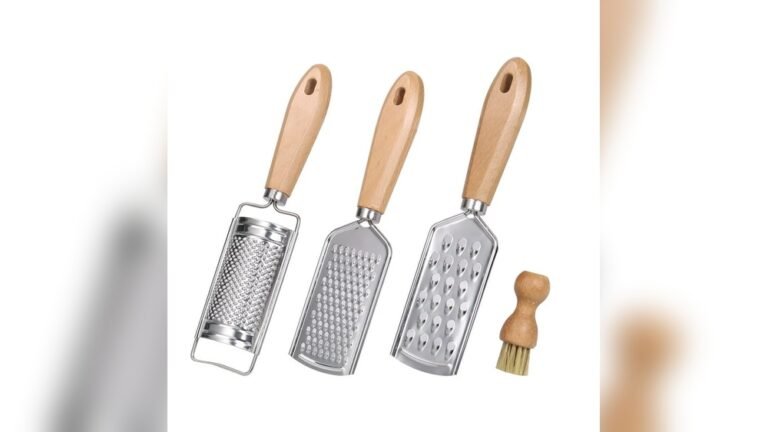
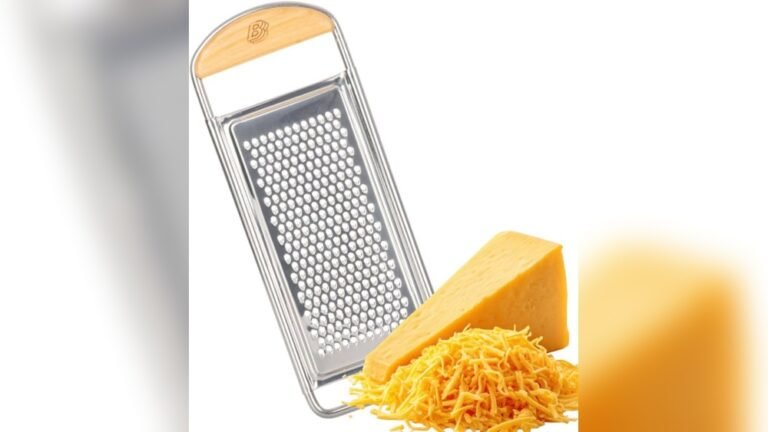
If you lack a box grater or food processor, try other tools. A microplane or fine grater can create soft cream cheese shreds. Use a fork or spoon to mash cream cheese into small pieces for recipes. Some use a vegetable peeler to create thin slices, then chop them finely. These alternatives work well in a pinch.

Credit: www.reddit.com
Avoiding Common Grating Issues
Grating cream cheese can be tricky due to its soft texture. Common problems like sticking and crumbling often occur. Avoiding these issues makes the process smoother and faster. Use the right techniques to keep the cheese manageable and neat.
Preventing Cheese From Sticking
Coat the grater lightly with cooking spray or oil. This creates a thin barrier that stops cheese from clinging. Chilling the cream cheese before grating helps it hold shape better. Cold cheese slides off the grater easier. Clean the grater frequently to avoid buildup, which causes sticking.
Handling Softness And Crumbliness
Use a firm block of cream cheese for grating. If the cheese is too soft, freeze it for 15-20 minutes first. This firms it up without freezing solid. Grate gently to prevent the cheese from crumbling. Use a food processor with a shredding blade for softer cheeses. It reduces pressure and keeps the cheese intact.
Achieving The Perfect Texture
Achieving the perfect texture when grating cream cheese can be tricky. Cream cheese is soft and creamy, so it needs a gentle touch. The goal is to create fine, even shreds without turning it into a mushy mess. Knowing how to control speed and pressure helps you get the right texture every time. Also, mixing grated cream cheese with other ingredients can enhance its texture and flavor. This makes it easier to work with in recipes.
Adjusting Grating Speed And Pressure
Grate cream cheese slowly to avoid smashing it. Use light pressure to keep the shreds intact. Too much force will cause the cheese to clump. A steady, gentle motion works best. If you use a food processor, feed the cheese slowly. This prevents the machine from over-processing and turning the cheese into a paste. Take breaks if the cheese starts to soften too much. Cool cream cheese grates better than room temperature cheese.
Combining Grated Cream Cheese With Other Ingredients
Mix grated cream cheese with dry ingredients to firm up the texture. Flour or breadcrumbs help absorb moisture and add structure. Adding grated cheese or herbs can improve flavor and texture. Use a fork or spatula to fold ingredients gently. Avoid over-mixing, which can make the mixture too soft. Combining ingredients this way helps create perfect spreads, dips, or fillings. It also makes handling the cream cheese easier for cooking or baking.
:max_bytes(150000):strip_icc()/how-to-soften-cream-cheese-quickly-3057602_final-6dfdc919e18e42fcb2e1204b80cfbf55.png)
Credit: www.thespruceeats.com
Storage Tips For Grated Cream Cheese
Storing grated cream cheese properly keeps it fresh and tasty. Cream cheese is soft and moist. This makes storage a bit tricky. Knowing how to store it right helps keep its texture and flavor. Below are easy tips for freezing, refrigerating, and keeping it fresh.
Freezing And Refrigeration
Place grated cream cheese in an airtight container or zip-lock bag. Remove as much air as possible before sealing. Store in the refrigerator for up to one week. For longer storage, freeze the grated cheese.
When freezing, separate portions with parchment paper. This stops clumps from forming. Use frozen grated cream cheese within two months for best taste.
Maintaining Freshness And Texture
Keep grated cream cheese cold to avoid spoilage. Always use clean utensils to scoop or sprinkle it. Avoid leaving it out at room temperature for long.
To keep texture smooth, stir grated cream cheese before using. If it becomes watery, drain excess liquid gently. These steps help maintain the creamy feel and good flavor.
Frequently Asked Questions
How Do You Grate Cream Cheese?
Chill cream cheese until firm, then use a box grater or food processor to grate it. Work quickly to avoid softening.
How To Grate Cheese Instead Of Shredding?
Use a fine grater or microplane for soft cheeses. Chill the cheese first to firm it up. Grate gently to avoid clumping.
How Do I Grate My Cheese Without A Grater?
Use a knife to finely chop cheese or freeze it briefly, then break into small pieces by hand for a grated texture.
What Is The Best Thing To Grate Cheese With?
The best tool to grate cheese is a rotary grater for hard cheeses or a flat grater for versatility. For soft cheeses, use a food processor to shred easily and avoid clumping.
Conclusion
Grating cream cheese can be simple with the right technique. Use a cold block for best results. A food processor or fine grater works well. Soft cheese can be tricky but patience helps. Small, even pieces mix better in recipes.
Practice makes the process quicker and neater. Enjoy smoother dishes with freshly grated cream cheese. Try different methods to find what suits you best. Cooking becomes easier and more fun this way.

Hi, I’m Emma Carter, a passionate home cook with over 12 years of hands-on experience in home kitchens. I love testing kitchen tools, trying new recipes, and helping everyday cooks make smarter buying decisions. Every review and guide I write is based on real cooking experience, practical testing, and honest opinions, not marketing claims.