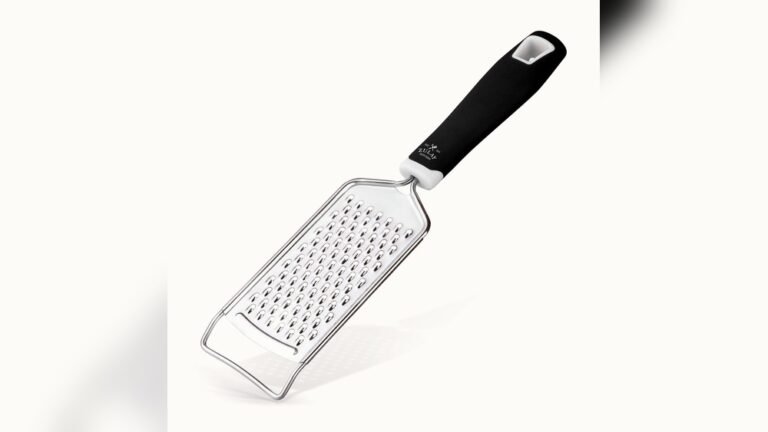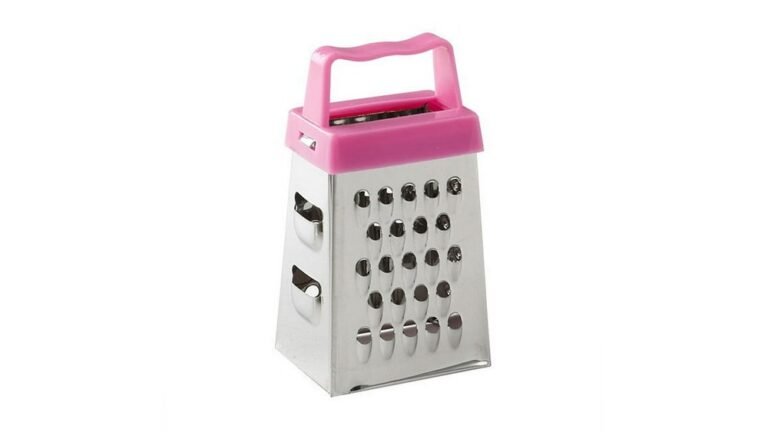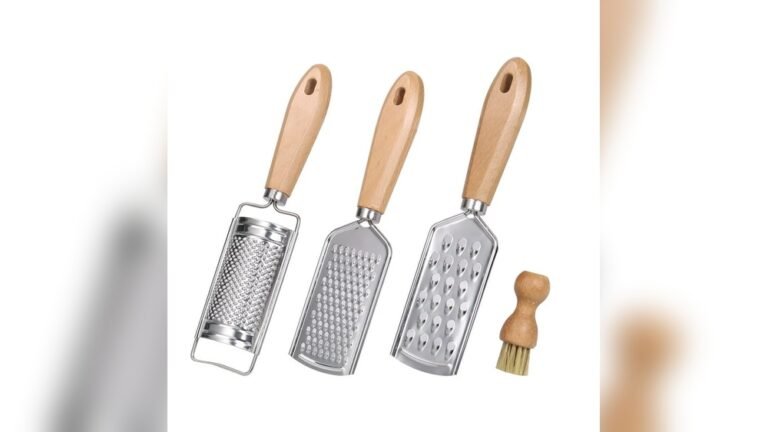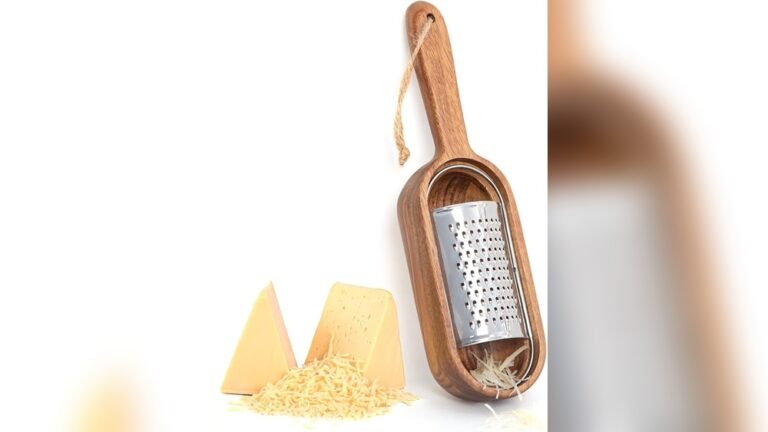
What Side of the Cheese Grater to Use for Perfect Results
Have you ever stared at your box grater, wondering which side is best for your cheese? You’re not alone.
That trusty kitchen tool has four different sides, each designed for a specific purpose. Using the wrong one can turn your cooking prep into a frustrating mess. But once you know what each side does, grating cheese and even other ingredients becomes faster, easier, and more enjoyable.
Keep reading, and you’ll discover exactly what side of the cheese grater to use for every task, so you can master this simple kitchen skill and impress your guests with perfectly grated cheese every time.
| Rotary Cheese Grater Hand Crank | View on Amazon → |
| OXO Good Grips Two-Fold Etched Grater | View on Amazon → |
| Zyliss Classic Rotary Cheese Grater – NSF Restaurant Certified | View on Amazon → |
Box Grater Basics
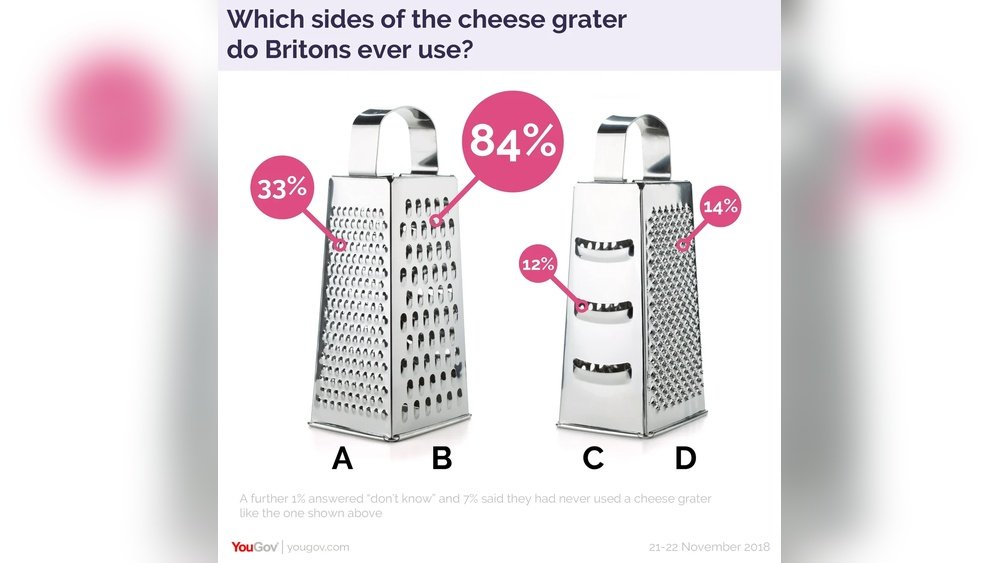
A box grater is a kitchen tool with four different sides. Each side has a unique grating surface. Knowing which side to use helps you prepare ingredients faster. It also improves the texture of your food.
The box grater is simple but very useful. You can grate cheese, vegetables, and even spices. Using the right side for the right food makes cooking easier.
Four Sides Explained
The box grater has four distinct sides. The largest holes shred cheese and vegetables into thick pieces. The medium holes create finer shreds for salads and toppings. The smallest holes make fine, almost powder-like grating, perfect for hard cheeses or spices. The slicing side cuts thin slices, ideal for cucumbers or potatoes.
Each side serves a different purpose in the kitchen. Choosing the right side depends on the texture you want. This variety makes the box grater a versatile tool.
Materials Suitable For Each Side
Large holes work best for semi-hard cheeses like cheddar or mozzarella. They also handle firm vegetables like carrots and zucchini. Medium holes suit softer cheeses and firmer vegetables that need finer shreds. Small holes are perfect for hard cheeses like Parmesan and for grating spices such as nutmeg.
The slicing side is good for thin slices of cucumber, potatoes, or even cheese slices. It does not shred but cuts, which is great for salads or layering dishes. Using the right side helps keep food texture just right.

Credit: www.youtube.com
Coarse Shredding Side
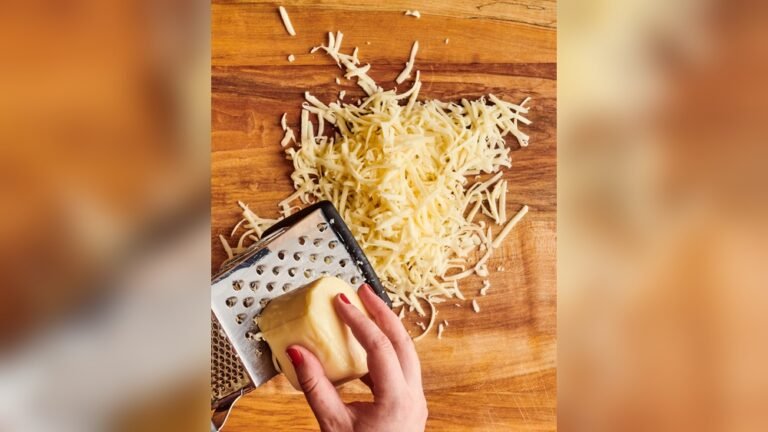
The coarse shredding side of a cheese grater has large, sharp holes. It creates thick, wide strips of cheese. This side works best for cheeses that need to melt well or add texture. Coarse shreds offer a satisfying bite and hold their shape in dishes. Using this side brings out rich flavor and a pleasing look in meals.
Best Cheeses For Coarse Shreds
Semi-hard cheeses like cheddar shred well on the coarse side. Monterey Jack and Gruyère also work great. These cheeses shred easily and melt smoothly. Harder cheeses, such as Fontina, can be shredded coarsely too. Avoid very soft cheeses on this side because they may clump or smear.
Uses In Cooking And Garnishing
Coarse shredded cheese is perfect for tacos and quesadillas. It melts evenly and adds texture to nachos. Use it on cheese toasts for a rich, melty topping. Coarse shreds also work well in salads and pasta dishes. They add flavor and a rustic look that stands out on any plate.
Medium Shredding Side
The medium shredding side of a cheese grater offers a balance between fine and coarse textures. It creates shreds that are perfect for melting evenly. This side works well for various cheeses and cooking uses.
Ideal Cheese Types
Use the medium shredding side for semi-hard cheeses like cheddar and Monterey Jack. It also suits Gruyère and Fontina. These cheeses shred well without crumbling or clumping. The size of the shreds helps them melt smoothly in recipes.
Versatile Kitchen Applications
The medium shredding side fits many cooking needs. It works great for topping salads, tacos, and baked dishes. Use it to prepare cheese for quesadillas and sandwiches. It also helps spread cheese evenly over casseroles and pizza. This side offers flexibility in both raw and cooked dishes.
Fine Grating Side
The fine grating side of a cheese grater is perfect for small, delicate shreds. It produces very thin pieces that blend easily into dishes. This side works well with hard cheeses and spices. It also creates powdery textures that add flavor without bulk.
Hard Cheeses And Spices
Use the fine grating side for hard cheeses like Parmesan and Pecorino. It breaks them down into tiny, soft flakes. These flakes melt quickly and spread flavor evenly. This side is also great for grating spices such as nutmeg and cinnamon. The fine texture releases their aroma and taste effectively.
Creating Powdery Textures
The fine grating side creates a powdery texture that mixes well in sauces and dressings. It helps ingredients dissolve or melt faster. Use it for zesting citrus fruits to add bright flavor. This fine texture is ideal for dusting desserts or finishing dishes with a light sprinkle. It adds subtle flavor and a refined look.
Zesting Side
The zesting side of a cheese grater features very small, sharp holes. This side is perfect for creating fine, delicate shreds. It works best for adding subtle flavors without changing texture much. Many cooks keep this side handy for zesting and finely grating spices.
Citrus Zests And Nutmeg
The zesting side excels at removing thin layers of citrus peel. Lemon, lime, orange, and grapefruit zest add fresh, bright notes to dishes. Use gentle pressure to avoid the bitter white pith beneath the skin. This side also grates hard spices like nutmeg into fine powder. Freshly grated nutmeg delivers a warmer, richer flavor than pre-ground versions.
Delicate Grating Techniques
Hold the ingredient firmly but lightly against the zesting side. Move it in a slow, steady motion to prevent slipping. Small, controlled strokes work best for precise grating. Clean the grater frequently to avoid clogging the tiny holes. This technique preserves the aroma and texture of delicate ingredients.

Credit: ingredientsolutionsltd.com
Tips For Efficient Grating
Grating cheese can be quick and easy with the right approach. Efficient grating saves time and effort. It also keeps your hands safe and comfortable. Use these tips to improve your grating technique and get the best results.
Reducing Fatigue With Grater Positioning
Hold the grater steady on a flat surface. A cutting board or plate works well. Tilt the grater slightly toward you. This angle helps cheese slide down smoothly. Use your dominant hand to grate and the other to hold the grater. Take short, controlled strokes. This reduces strain on your wrist and arm. Rest your hand or wrist between grating sessions. Keep your movements calm and steady. Avoid pressing too hard to prevent tiring out quickly.
Safety Measures To Avoid Injury
Use a firm grip on both the cheese and grater. Keep your fingers clear from the grating surface. Grate slowly as you near the end of the cheese block. Stop before your fingers reach the sharp edges. Use the largest side of the grater for harder cheeses. Choose smaller holes for soft cheeses to avoid slipping. Clean the grater carefully with a brush or sponge. Always dry it completely to prevent rust and maintain safety.
Cleaning And Maintenance
Proper cleaning and maintenance keep your cheese grater in top shape. It helps prevent rust and keeps the grater sharp. Clean graters also reduce bacteria and make food taste fresh. Regular care saves money by extending the grater’s life. Follow simple steps to keep your grater ready for use.
Removing Stuck Food Particles
Food bits often get stuck in grater holes. Use a small brush to remove them. A toothbrush works well for this task. Rinse the grater under warm water before scrubbing. Avoid using your fingers to prevent cuts. For tough spots, soak the grater in warm soapy water. Then scrub gently to clear the particles.
Extending Grater Lifespan
Dry your grater immediately after washing to stop rust. Store it in a dry place away from moisture. Avoid using harsh cleaners that dull the blades. Hand washing is better than dishwasher cleaning. Regularly check the grater for signs of wear or damage. Replace the grater when blades become dull or bent. This keeps your grating smooth and safe.
:max_bytes(150000):strip_icc()/box-cheese-grater-getty-0621-2000-affabbcc971c411ba88d13a6c64a3437.jpg)
Credit: www.marthastewart.com
Frequently Asked Questions
What Side Of The Cheese Grater Is Best For Soft Cheese?
Use the side with large holes for soft cheese. It creates thick, fluffy shreds perfect for melting or topping dishes.
Which Grater Side Is Ideal For Fine Cheese Dust?
The fine, small-hole side produces a powdery texture. It’s great for hard cheese like Parmesan and spices such as nutmeg.
How Do I Choose The Right Grater Side For Vegetables?
Use the medium-sized shredder side for vegetables. It works well for zucchini, carrots, and cucumbers to add texture in salads or fritters.
What Is The Slicing Side Of A Cheese Grater Used For?
The slicing side creates thin, uniform slices. Use it for cheese, cucumbers, or potatoes when you want precise, thin cuts instead of shreds.
Conclusion
Choosing the right side of the cheese grater makes cooking easier. Use the large holes for thick shreds, perfect for melting. The medium holes work well for salads and tacos. The fine side creates a light dusting for garnishes. The smallest side is ideal for zesting or grating spices.
Each side serves a special purpose in the kitchen. Knowing which side to use saves time and effort. Enjoy cooking with confidence using your cheese grater today.
Hi, I’m Emma Carter, a passionate home cook with over 12 years of hands-on experience in home kitchens. I love testing kitchen tools, trying new recipes, and helping everyday cooks make smarter buying decisions. Every review and guide I write is based on real cooking experience, practical testing, and honest opinions, not marketing claims.