What is the Small Holes on a Cheese Grater for: Surprising Uses Revealed
Have you ever stared at your cheese grater and wondered, “What exactly are those small holes for?” You’re not alone. Many people only use one side of their grater and miss out on the full potential of this handy kitchen tool.
Those tiny holes aren’t just for show, they serve a special purpose that can transform your cooking. Whether you want to add a burst of fresh citrus flavor or create delicate, fluffy cheese shreds, understanding how to use the small holes will take your meals to the next level.
Keep reading, and you’ll discover simple tips to master every side of your grater and make your time in the kitchen easier and more fun.
| Rotary Cheese Grater Hand Crank | View on Amazon → |
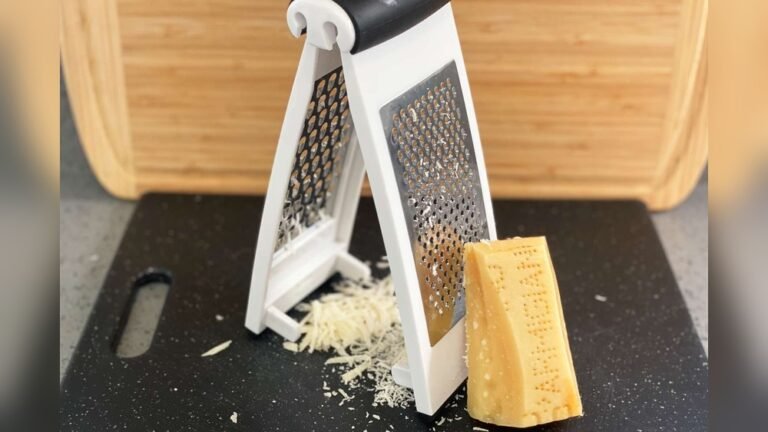
| OXO Good Grips Two-Fold Etched Grater | View on Amazon → |
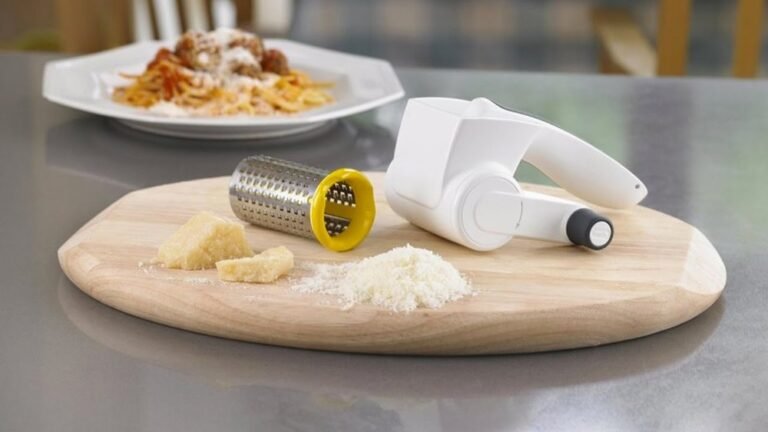
| Zyliss Classic Rotary Cheese Grater – NSF Restaurant Certified | View on Amazon → |

Credit: www.reddit.com
Small Holes Explained
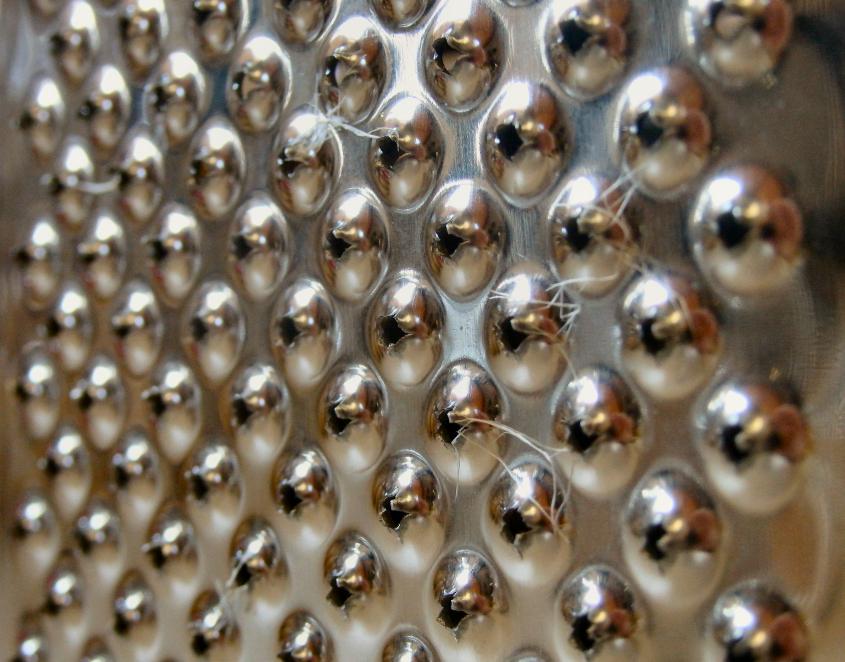
The small holes on a cheese grater serve specific purposes. They are designed for fine grating tasks. These tiny perforations create very fine shreds or powders. Such fine textures enhance the flavor and texture of many dishes. Understanding their use helps you get the best from your grater.
Using the small holes correctly makes food preparation easier. They are not just for cheese but have many versatile uses. Let’s explore some common techniques and ingredients suited for these small holes.
Fine Grating Techniques
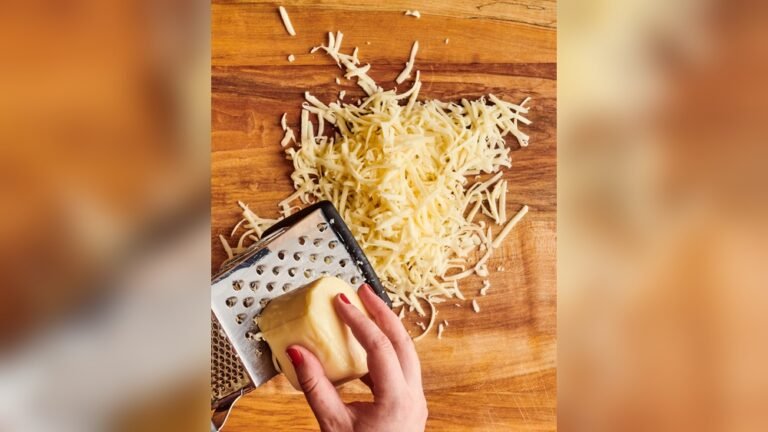
Small holes produce very fine shreds, almost like a powder. This works well for hard cheeses like Parmesan. It allows the cheese to melt quickly and mix smoothly. Fine grating also helps when you want a delicate texture. It is perfect for garnishing dishes subtly without large chunks.
Zesting Citrus Fruits
The small holes are ideal for zesting citrus fruits. Lemons, limes, and oranges can be grated to release their flavorful zest. The zest adds fresh aroma and taste to recipes. Be careful to grate only the colorful outer layer. Avoid the white pith, which tastes bitter.
Grating Hard Spices
Hard spices like nutmeg or cinnamon can be grated with small holes. This creates fine spice powder that evenly spreads in recipes. Freshly grated spices have stronger flavor than pre-ground ones. Use the small holes to add a fresh touch to your cooking.
Using Small Holes For Cheese
The small holes on a cheese grater serve a unique purpose. They are perfect for creating fine, delicate shreds of cheese. This texture works well for certain types of cheese and dishes. Using the small holes allows for better melting and blending.
This section explains why small holes are ideal for hard cheeses and how they improve pizza with fine shreds.
Hard Cheese Benefits
Small holes work best with hard cheeses like Parmesan and Pecorino. They break the cheese into tiny pieces that melt quickly. This enhances flavor and texture in dishes. Finely grated hard cheese spreads evenly over food. It also adds a nice, subtle taste without overpowering other ingredients.
Improving Pizza With Fine Shreds
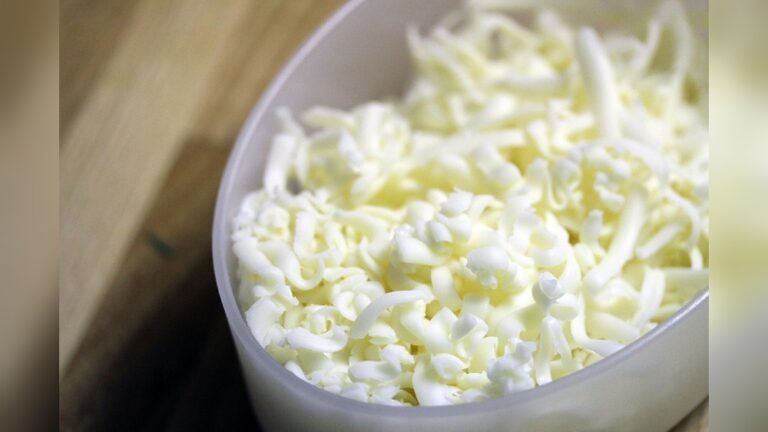
Using small holes to grate mozzarella creates soft, fine shreds. These shreds melt smoothly and evenly on pizza. The cheese covers the crust better and forms a creamy layer. Fine shreds prevent clumps and promote even cooking. This results in a tastier and more appealing pizza.
Vegetable Grating With Small Holes
The small holes on a cheese grater are perfect for grating vegetables finely. They create thin, delicate shreds that work well in many recipes. These tiny holes help break down vegetables into smaller pieces, making them easier to cook or mix.
Using the small holes is ideal for softer vegetables or when you want a smoother texture. The fine grating surface is great for adding vegetables to salads, baking, or even making veggie-based sauces. This method saves time and effort compared to chopping by hand.
Carrots And Zucchini
Carrots and zucchini grate well with the small holes. They turn into fine strands that blend easily into dishes. These shreds cook quickly and add moisture to recipes like muffins or fritters. Grated carrots and zucchini also mix smoothly into sauces or salads.
The small holes help keep the vegetable texture light and soft. This is perfect for recipes that need subtle vegetable pieces without large chunks. Grated carrots and zucchini also release their natural sweetness when finely shredded this way.
Creating Fine Vegetable Shreds
Fine vegetable shreds add a delicate texture to meals. The small holes on the grater produce these thin, even pieces. This size works well for garnishes, toppings, or mixing into dressings. It also helps vegetables cook faster and evenly.
Grating with small holes allows better flavor absorption. The tiny pieces soak up sauces and spices more easily. This technique improves the overall taste and presentation of many dishes.
Safety Tips For Small Hole Grating
Using the small holes on a cheese grater can be tricky. These tiny holes are great for finely grating hard foods like nutmeg or zesting citrus fruits. But their size also means there is a higher risk of hurting your fingers. Follow these safety tips to keep your hands safe while grating.
Protecting Your Fingers
Keep your fingers away from the grater’s surface. Use the flat part of your fingertips to hold the food. Avoid pressing too hard. Stop grating when the food piece becomes too small. Use a food holder or glove for extra protection. Always grate slowly and carefully.
Proper Grating Technique
Hold the grater steady on a flat surface. Move the food up and down against the small holes. Use even pressure to avoid slipping. Keep your wrist straight and relaxed. Clean the grater carefully after use to avoid cuts. Dry it well before storing to prevent rust.
Other Sides Of A Box Grater
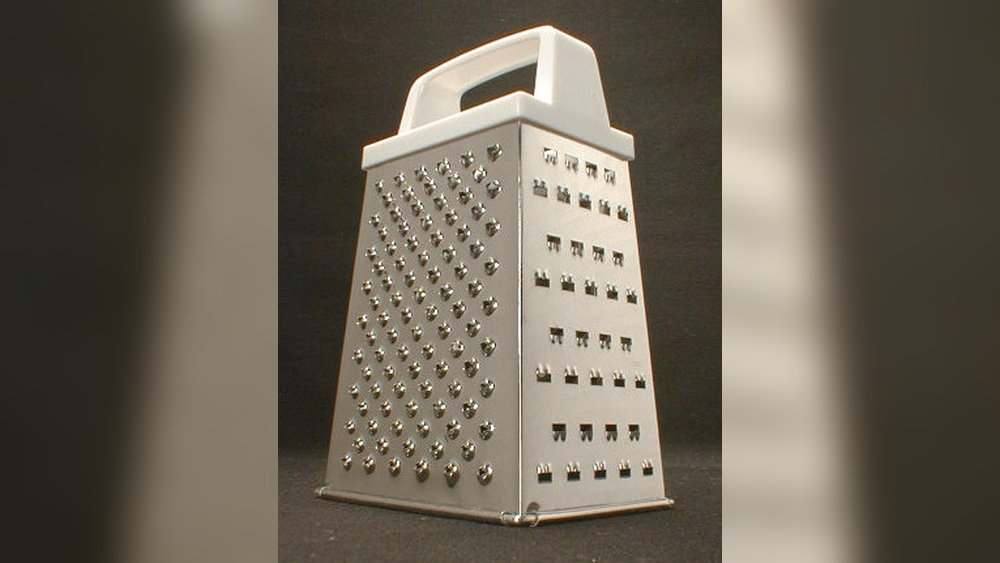
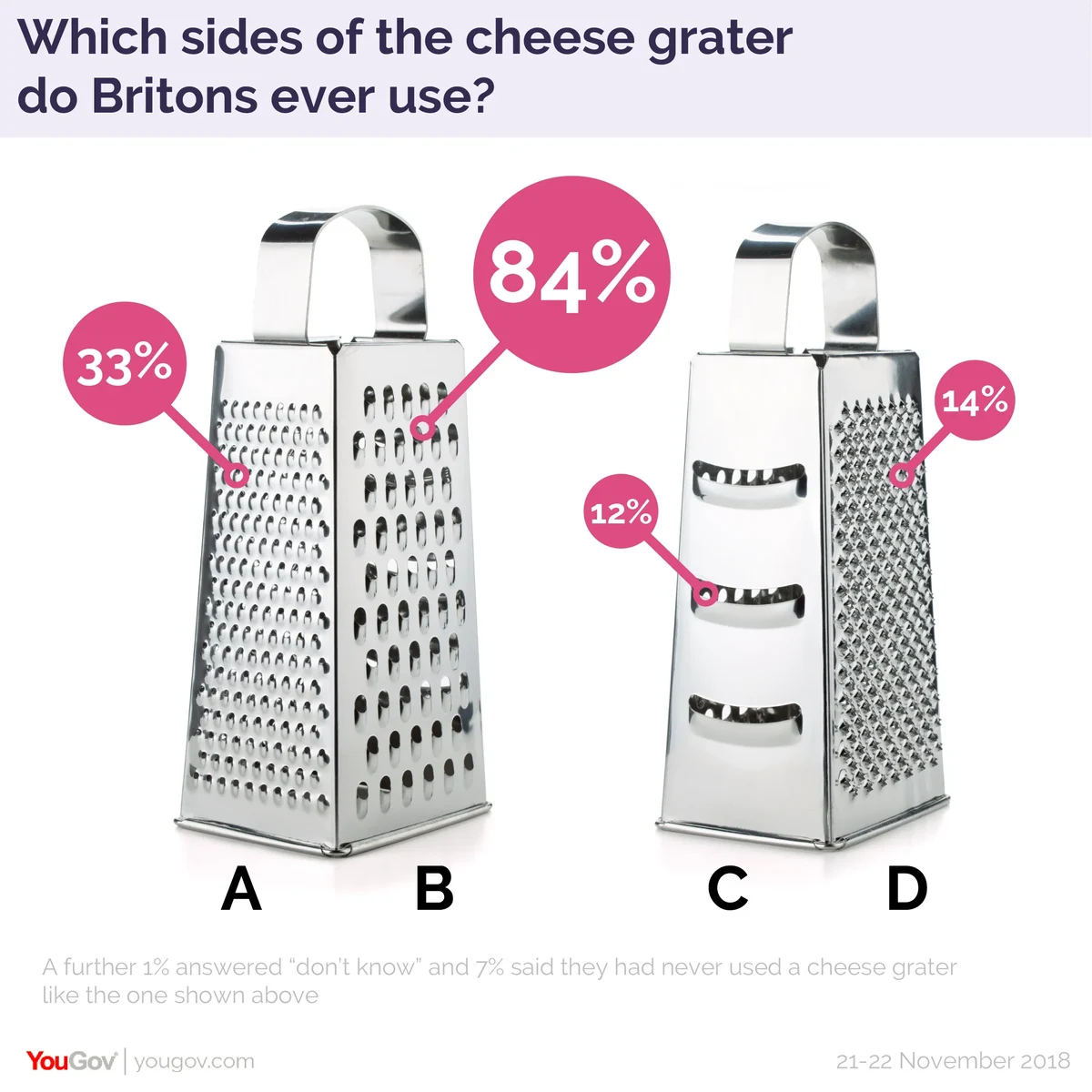
A box grater has four different sides, each designed for a specific task. Many people only use the small or medium holes for grating cheese. The other sides offer unique ways to prepare ingredients and add texture to dishes.
Exploring all sides of a box grater helps in cooking more efficiently. Each side can handle different foods and create varied results. Understanding their uses makes the grater a versatile kitchen tool.
Coarse Grating Uses
The coarse side has larger holes. It is perfect for shredding vegetables like carrots and zucchini. This side also works well for grating cheese that melts easily, such as mozzarella. It creates bigger, fluffier pieces that cook quickly.
Use the coarse grating side for making hash browns or topping salads. It adds texture and bulk to meals. The large shreds are easy to handle and cook evenly.
Slicing And Shaving
One side of the box grater has a straight, sharp edge. It is used for slicing or shaving foods into thin pieces. This works well with cucumbers, potatoes, or even chocolate.
Sliced vegetables cook faster and look great in salads. Thin chocolate shavings add a delicate touch to desserts. This side helps create elegant and uniform slices.
Star Grater For Nutmeg And More
The star-shaped holes are sharp and small. They are excellent for grating spices like nutmeg, ginger, or garlic. This side allows you to add fresh flavors to dishes.
Grating whole nutmeg releases more aroma than pre-ground spices. The star grater can also zest citrus fruits, adding bright notes to recipes. It is a handy tool for fine, flavorful grating.
Credit: yougov.com
Creative Uses For Small Holes
The small holes on a cheese grater offer more than just fine grating. They are perfect tools for adding flavor and texture to many dishes. These holes help you work with delicate ingredients that need a gentle touch. Using them creatively can make your cooking easier and more enjoyable.
Aromatics And Spices
Small holes are great for grating fresh aromatics like garlic and ginger. They release strong flavors without turning the ingredients into mush. You can also grate hard spices, such as nutmeg or cinnamon sticks, directly onto your food. This method gives a fresh, vibrant taste that pre-ground spices cannot match. Zesting citrus fruits is another popular use. The tiny holes help remove only the colorful outer skin, avoiding the bitter white pith. This zest adds a bright, fresh aroma to desserts and savory dishes.
Unique Kitchen Hacks
The fine holes can shred soft cheeses like mozzarella into light, fluffy pieces. This makes melting faster and more even in recipes like pizza or pasta. Grating cold butter with the small holes creates tiny flakes, perfect for mixing into dough quickly. You can also use this side to grate chocolate or hard candies for decoration. Another trick is to use the small holes for finely shredding vegetables like carrots or cucumbers. These thin pieces blend well into salads or slaws without overpowering other flavors.
Credit: cooking.stackexchange.com
Frequently Asked Questions
What Are The Smallest Holes On A Grater For?
The smallest holes on a grater finely grate hard cheeses, zest citrus fruits, and shred firm vegetables into delicate pieces.
What Are The Different Parts Of A Grater For?
A grater’s coarse side shreds vegetables and cheese. Fine holes zest citrus or grate hard spices. The slicer side creates thin slices. The spiky side breaks down tough ingredients or makes fine shreds. Each part offers unique textures for cooking and garnishing.
What Are The Spiky Holes On A Grater For?
The spiky holes on a grater finely shred hard cheeses, zest citrus fruits, and grate tough spices or vegetables.
What Is The Pokey Side Of A Cheese Grater For?
The pokey side of a cheese grater finely grates hard cheeses, zest citrus fruits, and shreds vegetables into small, delicate pieces.
Conclusion
The small holes on a cheese grater serve many useful purposes. They help finely grate hard cheeses like Parmesan. These holes also work well for zesting citrus fruits. You can even use them to grate spices like nutmeg. Using this side adds texture and flavor to your dishes.
Next time you cook, try the small holes for a finer grate. Your meals will taste fresher and more flavorful. A simple tool with many handy uses.
Hi, I’m Emma Carter, a passionate home cook with over 12 years of hands-on experience in home kitchens. I love testing kitchen tools, trying new recipes, and helping everyday cooks make smarter buying decisions. Every review and guide I write is based on real cooking experience, practical testing, and honest opinions, not marketing claims.