Microplane Vs Cheese Grater: Which Is Best for Your Kitchen?
When it comes to grating in your kitchen, you might wonder: should you reach for a Microplane or a traditional cheese grater? Both tools look similar but deliver very different results.
If you want perfectly fine zest, fluffy cheese, or finely grated spices, knowing which grater to use can save you time and frustration. You’ll discover the key differences between a Microplane and a cheese grater, how each one works, and which one fits your cooking style best.
Keep reading to find out how to make your cooking easier and more enjoyable with the right grating tool.
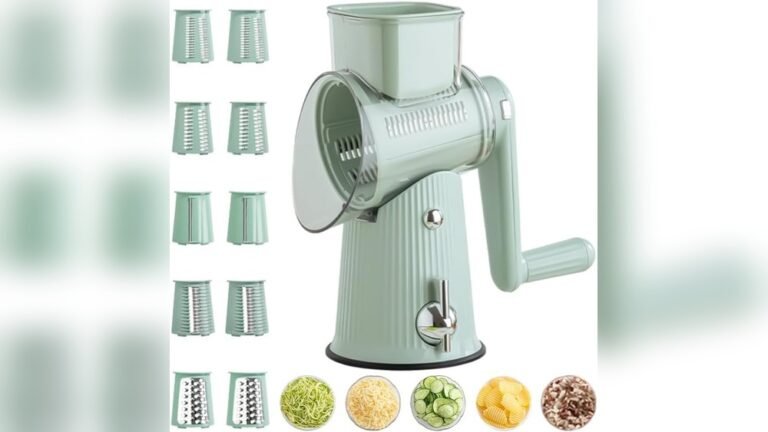
| Rotary Cheese Grater Hand Crank | View on Amazon → |
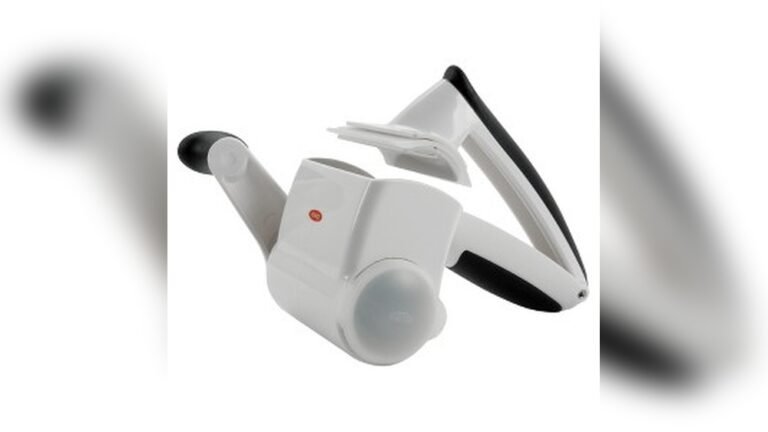
| OXO Good Grips Two-Fold Etched Grater | View on Amazon → |
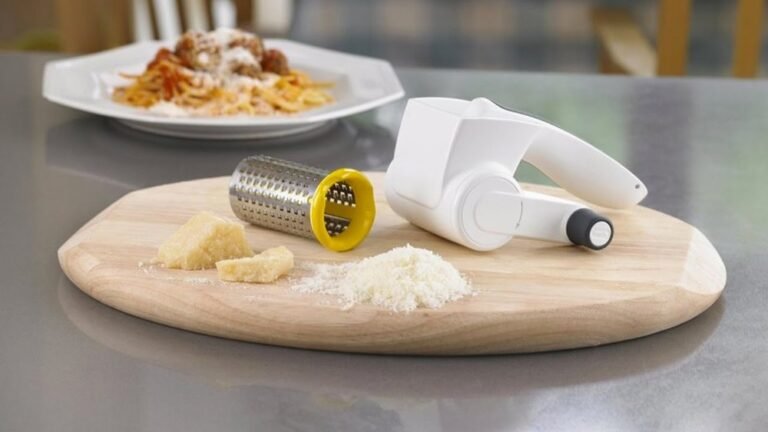
| Zyliss Classic Rotary Cheese Grater – NSF Restaurant Certified | View on Amazon → |
:max_bytes(150000):strip_icc()/faw-zesters-group-heather-riske-01-1-56b2647123ca432598fb3ff16c2a7555.jpeg)
Credit: www.foodandwine.com
Microplane Features
The Microplane stands out with unique features that make it a must-have in kitchens. It is not just a grater; it is a precision tool. Its design focuses on efficiency and ease of use. Chefs and home cooks appreciate its sharpness and fine results. The Microplane handles tough ingredients with ease.
Sharp Razor Teeth
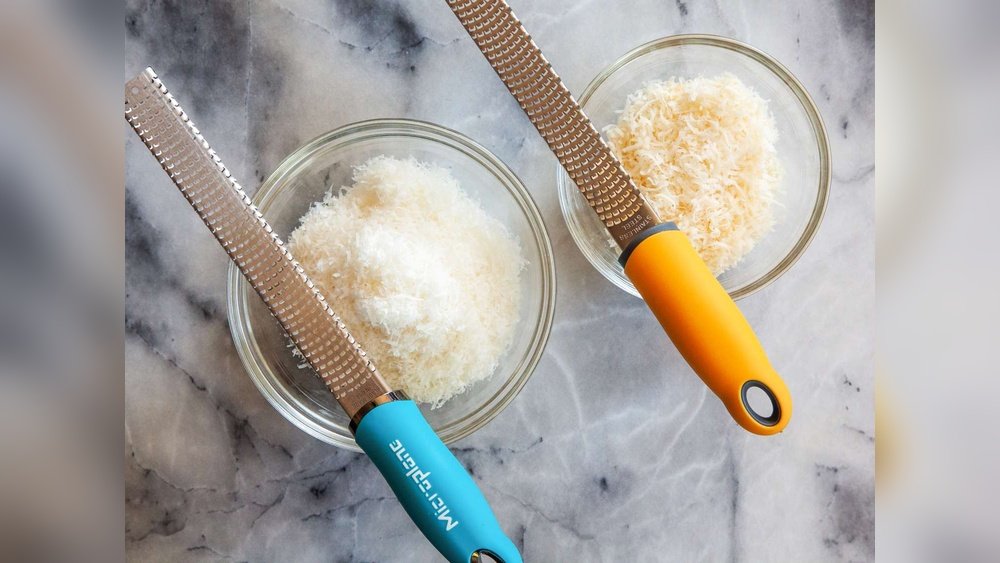
The Microplane has razor-sharp teeth made by chemical etching. These tiny teeth slice through food cleanly. They do not crush or tear like traditional graters. The sharpness stays longer compared to other graters. This allows smooth grating with less effort.
Fine, Powdery Texture
Food grated with a Microplane turns into a fine, powdery texture. This is perfect for adding delicate flavors to dishes. It works well for zesting citrus fruits without the bitter pith. The texture is much finer than what a cheese grater produces.
Ideal Uses
The Microplane excels with hard cheeses like Parmesan and Pecorino. It also works great for zesting lemons, limes, and oranges. Use it for grating spices such as nutmeg or cinnamon. It finely shreds garlic, ginger, and even chocolate. Its precision enhances flavor release in cooking.
Cheese Grater Features
Cheese graters are essential tools in many kitchens. They help transform blocks of cheese into manageable pieces for cooking and garnishing. Understanding their features helps you choose the right grater for your needs.
Cheese graters come with different designs and functions. Each feature affects how the cheese is grated and the final texture you get. Here are some key features to consider.
Stamped Metal Holes
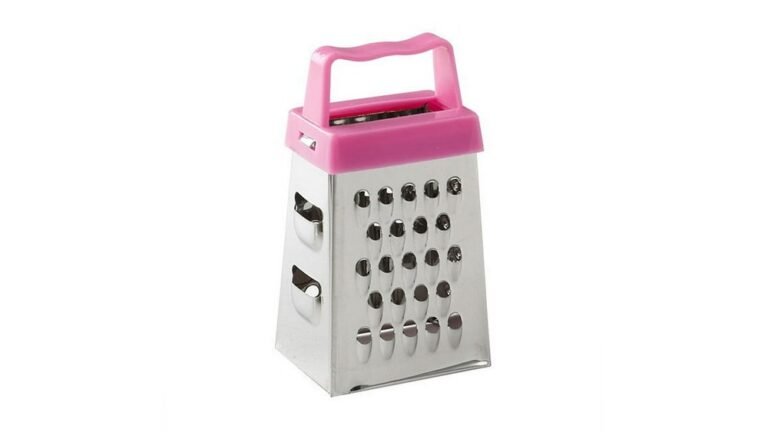
Traditional cheese graters have holes punched or stamped into metal sheets. These holes create sharp edges that cut the cheese as you grate. The size and shape of the holes affect how much cheese is shredded with each stroke. Larger holes make thicker shreds, while smaller ones produce finer pieces.
Shredding And Tearing Action
Cheese graters work by shredding and tearing cheese rather than slicing it cleanly. This action breaks the cheese into small strands or flakes. It works well for soft and semi-hard cheeses like cheddar or mozzarella. This texture helps cheese melt evenly in recipes.
Versatile Grating Sizes
Many cheese graters offer multiple grating sizes on one tool. This feature allows you to choose between fine, medium, and coarse grates. Each size fits different cooking needs, from finely grated cheese for sauces to thicker shreds for salads. Some graters also include slicing options for added versatility.
Performance Comparison
Comparing the performance of a Microplane and a traditional cheese grater shows clear differences. Each tool suits specific kitchen tasks. Understanding their strengths helps in choosing the right tool for your needs.
Grating Hard Cheeses
The Microplane excels at grating hard cheeses like Parmesan. Its sharp, fine teeth shave cheese into fluffy, light textures. This enhances melting and blends well in dishes.
Traditional cheese graters struggle with very hard cheeses. They often produce thicker shreds or chunks. These may not melt evenly or mix smoothly in recipes.
Handling Soft Cheeses
Soft cheeses like mozzarella work better with traditional cheese graters. The larger holes create neat, thick shreds that hold shape. This is ideal for pizza or salads.
The Microplane can clog with soft cheeses. Its fine teeth do not handle sticky textures well. This slows down grating and requires frequent cleaning.
Zesting Citrus
The Microplane is perfect for zesting citrus fruits. It removes only the colorful outer layer without the bitter pith. The result is fine, fragrant zest that adds fresh flavor.
Cheese graters are less effective for zesting. Their larger holes can dig too deep into the peel. This may add unwanted bitterness to your dishes.
Grating Vegetables And Spices
Vegetables like carrots and spices such as nutmeg grate well on both tools. Traditional graters offer multiple grating sizes, good for coarse or medium textures.
The Microplane creates very fine grates, perfect for delicate spices and garlic. It requires less force and produces a powdery finish that blends easily into recipes.
Ease Of Use
Ease of use is a key factor when choosing between a Microplane and a traditional cheese grater. Both tools serve similar purposes but differ in handling, effort, and upkeep. Understanding these differences helps in picking the right tool for your kitchen tasks.
Manual Effort Required
The Microplane requires less force due to its sharp, fine teeth. It glides smoothly over hard foods, producing fluffy shreds or zest quickly. A traditional cheese grater needs more pressure, especially for harder cheeses. The wider holes tear rather than slice, which can tire your hand faster.
Handling And Safety
Microplanes are lightweight and easy to hold with a firm grip. Their slim design fits well in one hand, offering precise control. Cheese graters are bulkier and may feel awkward, especially the box type. Both tools can cause cuts if not used carefully, but Microplanes require extra caution due to their sharper edges.
Cleaning And Maintenance
Microplanes clean easily with a quick rinse or brush to remove stuck bits. Their fine teeth dry fast, reducing rust risk. Cheese graters can trap cheese and food inside larger holes, needing thorough scrubbing. They often require more drying time to prevent corrosion, especially if made from lower-quality metal.
Durability And Maintenance
Durability and maintenance are key factors when choosing between a Microplane and a traditional cheese grater. Both tools face wear and tear from frequent use. How well they hold up affects their performance and your cooking experience. Easy upkeep ensures they stay sharp and safe to use.
Blade Sharpness Over Time
Microplane blades start razor-sharp and stay sharp longer. The tiny teeth slice food cleanly without crushing it. Traditional cheese graters often dull faster because their larger holes get worn down. Dull blades need more force and can damage food texture. Keeping blades sharp improves safety and speed in the kitchen.
Material Quality
Microplanes use high-quality stainless steel that resists rust and corrosion. This metal holds its edge well. Traditional cheese graters also use stainless steel but may vary in thickness and finish. Thinner metal bends or dents easier. Choosing a grater with strong, rust-proof steel extends its life. Good material quality means fewer replacements.
Storage Considerations
Microplanes are slim and lightweight, so they fit easily in drawers. Their exposed blades need protection to avoid damage or injury. Many come with covers or cases. Traditional cheese graters are bulkier and harder to store. Box graters take up counter or cabinet space. Proper storage keeps blades sharp and prevents accidents.
:max_bytes(150000):strip_icc()/Web_1500-SEA-Group-Shot-Rasp-Style-Grater-Irvin-Lin-Photo-01-4660-Irvin-cbf7c505fc3d4becb761103ccaf2cdde.jpg)
Credit: www.seriouseats.com
Price And Value
Price and value play key roles when choosing between a Microplane and a traditional cheese grater. Both tools serve different purposes but can affect your budget and kitchen experience. Understanding cost differences and product worth helps make a smart purchase.
Cost Comparison
Microplanes usually cost more than regular cheese graters. A basic Microplane grater can range from $10 to $20. Traditional cheese graters often cost between $5 and $15. The price gap reflects the Microplane’s sharpness and precision. Cheaper graters may lack durability or effectiveness. The initial cost depends on your cooking needs and preferences.
Long-term Investment
Microplanes last longer due to high-quality materials and sharp blades. They maintain performance over time, reducing the need for replacements. Traditional graters may dull faster and require more effort during use. Frequent cooking with hard ingredients favors investing in a Microplane. For occasional grating, a cheese grater might be sufficient. Consider how often you cook and what foods you prepare.
Brand Reputation
Microplane is known for premium kitchen tools with strong customer trust. Their products receive positive reviews for sharpness and ease of use. Well-known brands for cheese graters offer budget-friendly options with decent quality. Brand reputation affects pricing and product reliability. Choosing a trusted brand ensures better value and satisfaction. Check reviews and user feedback before buying either tool.
Which To Choose When
Choosing between a Microplane and a traditional cheese grater depends on the task in your kitchen. Each tool has strengths suited for different cooking needs. Understanding these can help you pick the right one for your recipes and kitchen space.
Best For Everyday Cooking
A traditional cheese grater works well for daily kitchen tasks. It handles soft and semi-hard cheeses like cheddar and mozzarella easily. It also shreds vegetables such as carrots and potatoes. The wider holes create larger, coarser shreds, perfect for salads or toppings. Its versatility fits many common cooking needs.
Best For Specialty Tasks
The Microplane shines with specialty tasks requiring fine textures. It excels at zesting citrus fruits to add bright flavors. Hard cheeses like Parmesan become fluffy and light when grated with it. The Microplane also works well for grating garlic, ginger, and chocolate. Its tiny, sharp teeth create powdery results that enhance delicate dishes.
Space And Budget Constraints
Space in your kitchen might limit your choices. A traditional cheese grater usually takes more room due to its box shape. It also comes with several grating surfaces, which can be bulky. Microplanes are slim and lightweight, easy to store in drawers or hang on hooks. Budget-wise, basic cheese graters often cost less than Microplanes, but the difference is small. Consider your storage space and how often you use each tool before buying.

Credit: www.amazon.com
Tips For Optimal Use
Using a Microplane or a traditional cheese grater correctly improves your cooking experience. Each tool has unique features that suit different tasks. Simple tips help you get the best results and keep the tools in top condition. Follow these guidelines for smoother, safer, and more efficient grating.
Maximizing Grating Efficiency
Hold the grater firmly on a stable surface. Use even pressure and move the food in one direction. Avoid sawing back and forth to prevent dulling the blades. For a Microplane, grate at a slight angle to catch more food. With a cheese grater, use the side with the right hole size for the texture you want. Keep the food item firm for better control and cleaner shreds.
Avoiding Common Mistakes
Do not press too hard; it can cause slips or uneven grating. Avoid grating very soft foods on a Microplane, as they may clog the teeth. Do not use a cheese grater for hard spices or zest, as it can damage the holes. Clean the grater immediately after use to avoid residue buildup. Always grate away from your fingers to avoid cuts.
Care And Storage Tips
Wash graters by hand with warm, soapy water and a brush to remove stuck bits. Avoid using a dishwasher, which can dull the blades over time. Dry thoroughly to prevent rust and corrosion. Store graters in a dry place, preferably with blade covers or in a protective sleeve. Keep them separate from other utensils to avoid damage and maintain sharpness.
Frequently Asked Questions
Is A Microplane Better Than A Grater?
A Microplane excels at fine, fluffy grating, ideal for hard cheeses and zest. Traditional graters shred softer foods and offer more versatility.
What Graters Do Professional Chefs Use?
Professional chefs prefer Microplane graters for fine zesting and hard cheeses, while box graters suit shredding softer cheeses and vegetables.
Can I Grate Cheese With A Microplane?
Yes, you can grate cheese with a Microplane. It works best for hard cheeses like Parmesan, producing fine, fluffy shavings.
Do Microplanes Get Dull?
Yes, Microplanes can get dull over time with frequent use. Proper care and occasional sharpening help maintain their sharpness.
Conclusion
Choosing between a Microplane and a cheese grater depends on your needs. Microplanes work best for hard cheeses and fine zesting. Traditional graters handle softer cheeses and larger shredding tasks well. Both tools have unique strengths in the kitchen. Keep in mind the texture and size of your ingredients.
Using the right grater saves time and improves your cooking. Try both to see which fits your style. Simple tools can make meal prep easier and more enjoyable.

Hi, I’m Emma Carter, a passionate home cook with over 12 years of hands-on experience in home kitchens. I love testing kitchen tools, trying new recipes, and helping everyday cooks make smarter buying decisions. Every review and guide I write is based on real cooking experience, practical testing, and honest opinions, not marketing claims.