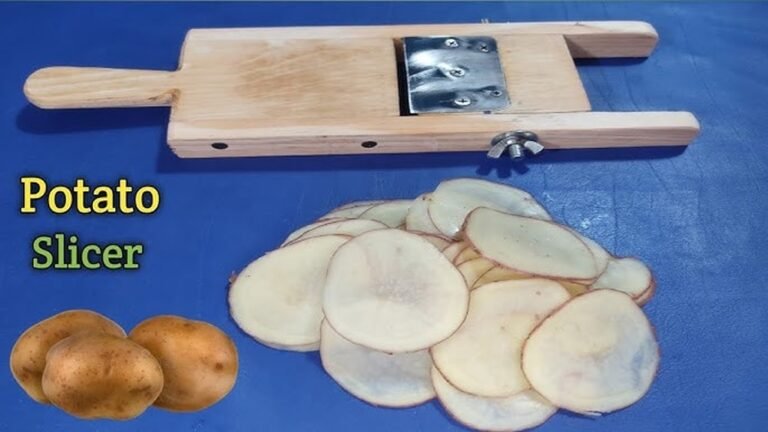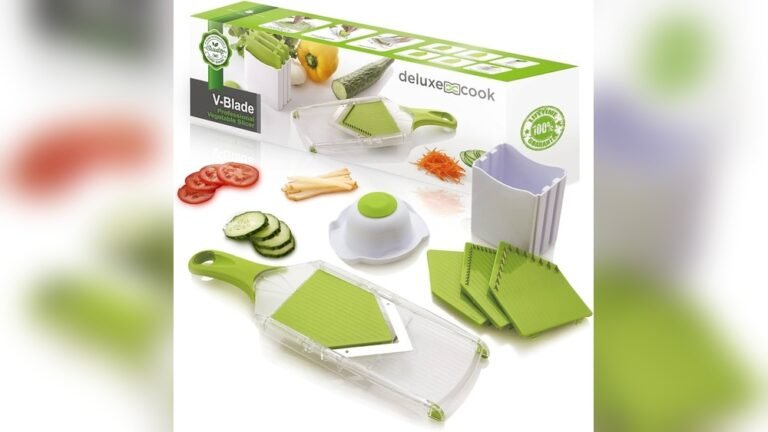

Maintenance Tips for Potato Chip Cutter | Easy & Effective Guide
If you rely on your potato chip cutter every day, keeping it in top shape is essential. A well-maintained cutter not only lasts longer but also ensures your potato chips come out perfectly every time.
You don’t want dull blades or sticky parts slowing you down or ruining your batch. You’ll discover simple, practical maintenance tips that anyone can follow. From cleaning to sharpening and lubrication, these easy steps will help you get the best performance from your cutter and save you time and money in the long run.
Keep reading to learn how to care for your potato chip cutter like a pro!
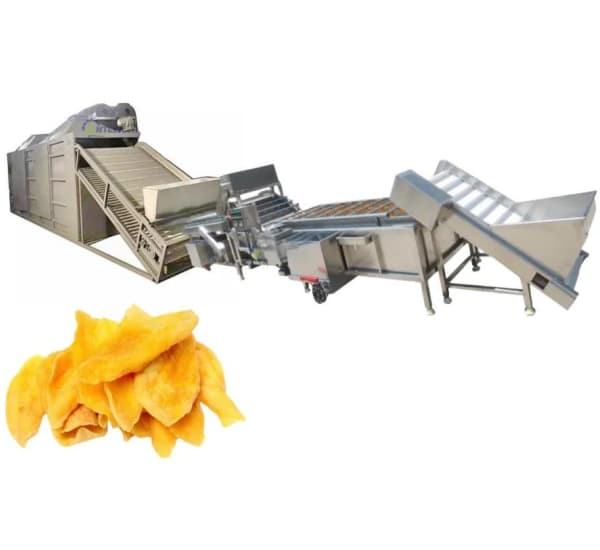
Credit: www.dtfoodmachine.com
Daily Cleaning Routine
Maintaining a clean potato chip cutter ensures better performance and longer machine life. Daily cleaning removes food residue and prevents contamination. This routine keeps the cutter safe and ready for use every day.
Disassemble For Thorough Cleaning
Start by carefully taking apart the potato chip cutter. Remove blades, frames, and other removable parts. This step allows access to hard-to-reach areas. Cleaning each part separately helps remove all debris. Handle blades with care to avoid injury.
Use Of Detergents And Sanitizers
Wash all parts using warm water and mild detergent. Avoid harsh chemicals that can damage the machine. After cleaning, apply a food-safe sanitizer to kill bacteria. Rinse parts well to remove detergent and sanitizer residue. This process keeps the cutter hygienic and safe.
Drying And Storage Tips
Dry all components thoroughly with a clean cloth or air dry. Moisture left on parts can cause rust and damage. Store the cutter and its parts in a dry, clean place. Cover the machine to protect it from dust. Proper drying and storage help maintain cutter quality.
Blade Care
Blade care is crucial for a potato chip cutter’s performance and safety. Sharp, well-maintained blades produce clean cuts and consistent chip thickness. Dull or damaged blades can cause uneven slices and strain the machine. Proper blade care extends the cutter’s life and improves productivity.
Regular checks and maintenance prevent costly repairs and downtime. Focus on sharpening, alignment, and replacement to keep blades in top condition.
Regular Sharpening Techniques
Sharpen blades often to maintain cutting efficiency. Use a sharpening stone or a specialized blade sharpener. Hold the blade at the correct angle to ensure a smooth edge. Sharpen both sides evenly to avoid imbalance. Always clean the blade before and after sharpening to remove metal particles.
Checking For Alignment
Check blade alignment regularly to ensure even cuts. Misaligned blades cause uneven thickness and damage to the cutter. Use a straight edge or alignment tool to inspect the blade position. Adjust the blade carefully following the cutter’s manual. Proper alignment reduces wear and improves cutting quality.
Replacing Damaged Blades
Inspect blades for chips, cracks, or bends before use. Replace damaged blades immediately to avoid poor cuts and safety risks. Use only manufacturer-approved replacement blades. Turn off and unplug the cutter before blade replacement. Secure the new blade tightly and test the cutter before full operation.
Lubrication And Moving Parts
Proper lubrication of moving parts keeps your potato chip cutter working smoothly. It reduces friction and wear. This prevents breakdowns and extends the machine’s life. Paying attention to lubrication avoids costly repairs and downtime. It also helps maintain consistent cutting quality.
Selecting The Right Lubricant
Choose a food-safe lubricant for your potato chip cutter. This ensures no harmful chemicals contact the potatoes. Use lubricants designed for food processing machines. Avoid thick greases that attract dust and debris. Light oils or silicone-based lubricants work well. Always check the manufacturer’s recommendations before applying any lubricant.
Frequency Of Lubrication
Lubricate the moving parts regularly to keep the cutter in top shape. For machines used daily, apply lubricant once a week. Less frequent use requires lubrication every two weeks. Inspect the parts for dryness or squeaking sounds. These signs indicate the need for lubrication. Consistent care prevents parts from seizing up or wearing out.
Preventing Rust And Corrosion
Rust damages metal parts and reduces cutter efficiency. Keep moving parts dry and clean after each use. Wipe off moisture before applying lubricant. Store the cutter in a dry place to avoid corrosion. Use rust inhibitors if the machine is in a humid environment. Regular lubrication creates a protective barrier against rust.
Inspection And Troubleshooting
Regular inspection and troubleshooting keep your potato chip cutter running smoothly. Early detection of problems helps avoid costly repairs and downtime. Routine checks let you spot wear and tear before it worsens. Troubleshooting ensures quick fixes to maintain cutting quality and safety.
Identifying Common Issues
Look for uneven cuts or blade jams during operation. Notice any unusual noises or vibrations from the machine. Check if the cutter struggles to slice through potatoes. Signs of blade dullness or damage appear as rough edges on chips. Watch for loose or missing screws and bolts. These issues affect performance and safety.
Adjusting Loose Components
Tighten screws, bolts, and nuts using the correct tools. Ensure the blade frame is secure and aligned properly. Check the handle and push plate for firm attachment. Adjust tension on springs or levers if the cutter feels loose. Regularly lubricate moving parts to prevent stiffness. Proper adjustments prevent breakdowns and maintain cutting accuracy.
When To Seek Professional Help
Contact a technician if blades need replacement or sharpening. Seek expert service for electrical or motor problems. Call professionals if the machine shows persistent malfunction despite adjustments. Avoid fixing complex issues alone to prevent damage or injury. Professional help ensures safe, effective repairs and extends machine life.
Safe Usage Practices
Safe usage practices protect both the operator and the potato chip cutter. They help keep the machine in good shape and prevent accidents. Following these simple steps makes cutting potatoes easier and safer. Below are key safe usage tips for your potato chip cutter.
Proper Handling Techniques
Always hold the potato chip cutter firmly. Use both hands if the design allows. Keep fingers away from the blades at all times. Place the potato securely before cutting. Avoid rushing; slow and steady cutting improves safety. Use a pushing tool if provided instead of hands. Proper handling reduces the risk of injury and damage.
Avoiding Overloading
Do not force too many potatoes into the cutter at once. Overloading strains the blades and motor. It can cause the cutter to jam or break. Cut potatoes in small batches for smoother operation. Overloading also increases the chance of uneven cuts. Regularly check the cutter’s capacity and stay within limits. This keeps the machine working longer without issues.
Ensuring Operator Safety
Wear protective gloves to guard against cuts. Keep your work area clean and dry to avoid slips. Make sure the cutter is on a stable surface. Switch off and unplug the cutter before cleaning or maintenance. Never leave the machine running unattended. Keep children and pets away from the workspace. These safety steps protect the operator from harm.
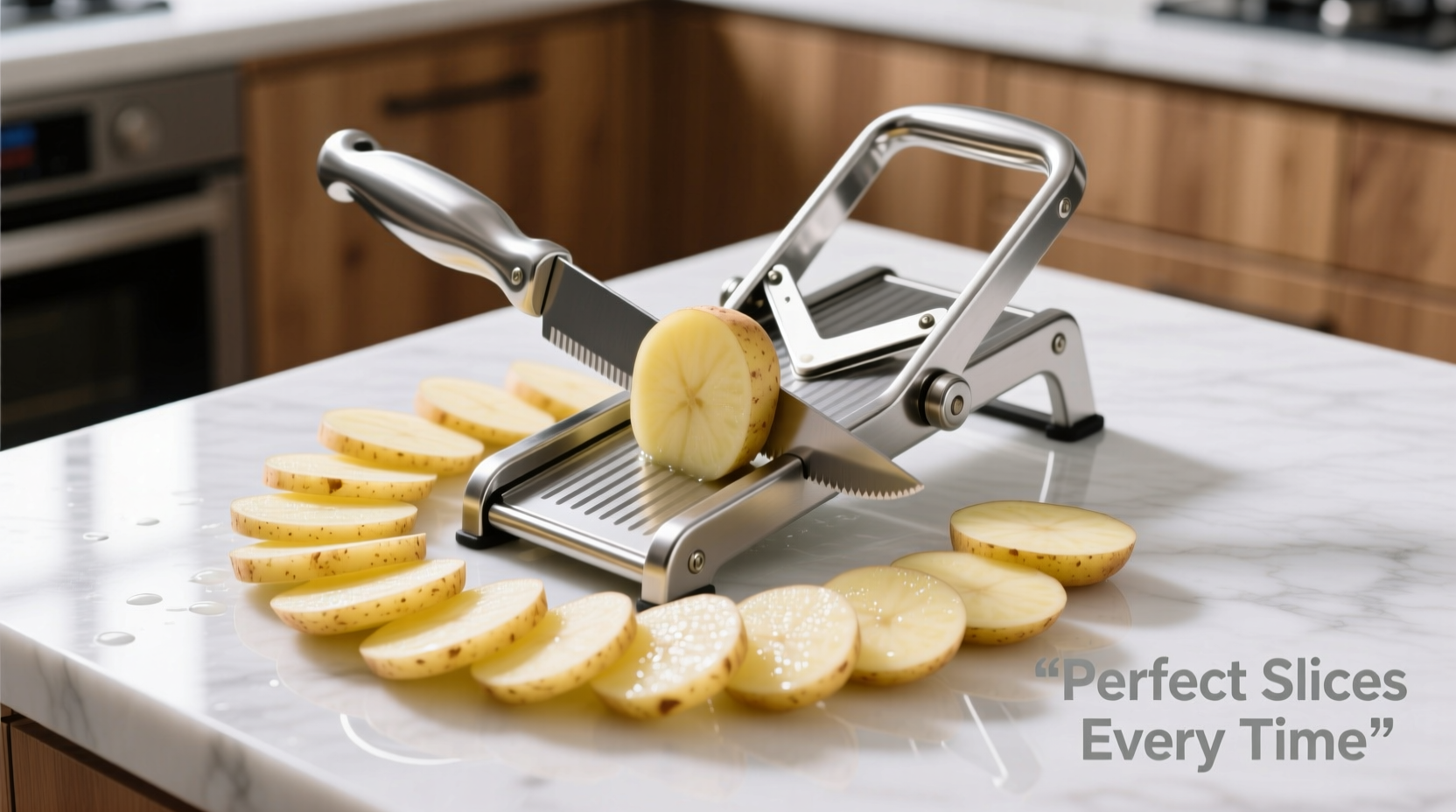
Credit: spice.alibaba.com
Storage And Environment
Proper storage and environment play a big role in keeping your potato chip cutter in top shape. A well-maintained space can extend the life of the cutter and keep it ready for use. Avoid places that harm the machine or cause damage over time. Follow simple steps to create the best conditions for your cutter.
Ideal Storage Conditions
Store the cutter in a clean, dry area away from direct sunlight. Keep the temperature stable to avoid metal expansion or contraction. Avoid damp basements or places with high humidity. Ensure the storage spot has good ventilation to prevent rust. Place the cutter on a shelf or table, not on the floor. Cover it with a cloth or plastic cover to keep dust away.
Protecting From Moisture
Moisture is the main cause of rust and corrosion on metal parts. Dry the cutter completely after each use and cleaning. Use silica gel packets or moisture absorbers in the storage area. Avoid storing the cutter near sinks or water sources. If the cutter has removable parts, store them separately in dry containers. Regularly check for any signs of moisture or rust and act quickly.
Preventing Contamination
Food particles and dirt can cause contamination and affect cutter performance. Clean the cutter thoroughly before storing it each time. Store it away from chemicals, oils, and strong smells. Use clean cloths and brushes for cleaning only to avoid cross-contamination. Label storage areas to keep food and non-food items separate. Keep pets and insects away from the storage zone to maintain hygiene.
Maintenance Schedule
Maintaining a potato chip cutter regularly ensures smooth operation and long machine life. A clear maintenance schedule helps prevent breakdowns and keeps the cutter efficient. Follow daily, weekly, and monthly tasks to protect your investment and maintain quality cuts.
Daily Tasks
Clean the cutter thoroughly after each use. Remove all potato pieces and debris from blades and surfaces. Wipe down with a damp cloth and food-safe cleaner. Dry all parts completely to avoid rust. Check blades for any visible damage or dullness. Lubricate moving parts lightly to keep them smooth. Ensure the cutter is stored in a dry place.
Weekly Checks
Inspect blade sharpness closely and sharpen if needed. Tighten all screws, bolts, and fasteners to prevent loosening. Examine electrical components and cords for any wear or damage. Test the cutter’s safety features to confirm they work properly. Clean and sanitize harder-to-reach areas. Check for any unusual noises during operation.
Monthly Deep Maintenance
Disassemble the cutter carefully for a deep clean. Remove blades and soak them in a sanitizing solution. Inspect the blade frame and replace any worn parts. Lubricate all moving parts thoroughly with recommended oils. Check alignment of blades and adjust if necessary. Review the entire machine for signs of wear or corrosion. Perform a test run to ensure smooth and safe operation.
Credit: www.tasteofhome.com
Frequently Asked Questions
What Is The Maintenance Of A Cutter?
Clean the cutter after each use to remove debris. Sharpen blades regularly for efficient cutting. Lubricate moving parts to prevent rust. Inspect for damage and tighten loose components. Store in a dry place to maintain performance and longevity.
How To Clean A Potato Cutter?
Disassemble the potato cutter by unscrewing wing nuts. Wash parts with detergent and disinfectant. Rinse thoroughly and dry before reassembling. Clean after each use to prevent buildup and rust.
What Is The Best Way To Cut Potatoes For Chips?
Cut potatoes into uniform thin slices, about 1/8 inch thick, using a sharp knife or slicer. This ensures even, crispy chips.
How To Use A Potato Chip Cutter?
Place the potato on the cutter. Push firmly to slice through the blades. Remove the cut chips carefully. Clean the cutter after use to maintain sharpness and hygiene.
Conclusion
Proper maintenance keeps your potato chip cutter working well. Clean the blades and parts after each use. Sharpen blades regularly for smooth, even cuts. Lubricate moving parts to stop rust and wear. Check screws and bolts often to keep the cutter stable.
Store it in a dry, safe place to protect it. These simple steps save time and money in the long run. A well-kept cutter makes better chips every time. Small efforts lead to big results. Keep your equipment ready for the next use.

Hi, I’m Emma Carter, a passionate home cook with over 12 years of hands-on experience in home kitchens. I love testing kitchen tools, trying new recipes, and helping everyday cooks make smarter buying decisions. Every review and guide I write is based on real cooking experience, practical testing, and honest opinions, not marketing claims.