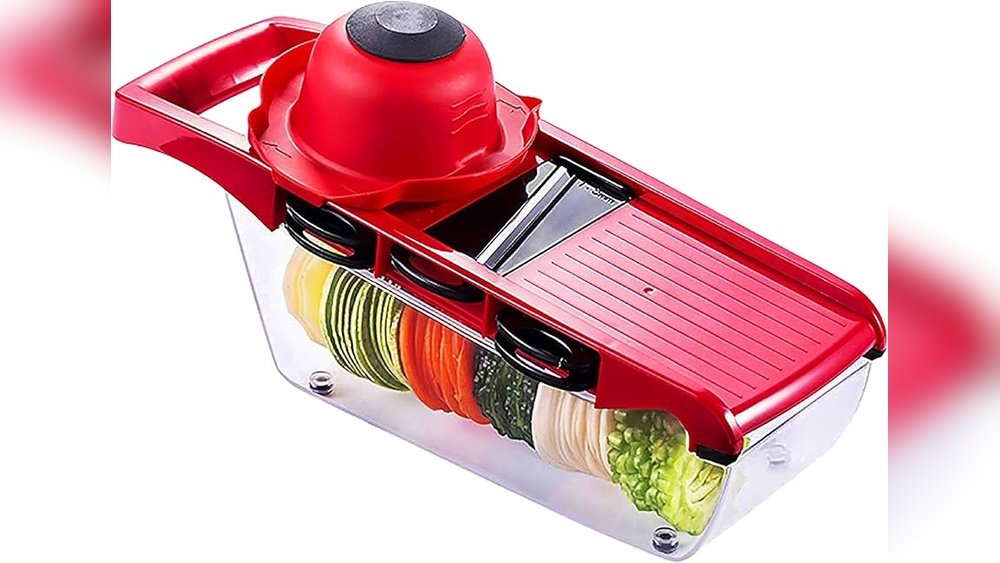
How to Store Vegetable Julienne Peeler for Long-Lasting Use
You’ve just discovered how handy your vegetable julienne peeler is for creating perfect, thin strips of carrots, zucchini, or potatoes. But now, how do you keep it in top shape and ready for your next cooking session?
Storing your julienne peeler the right way not only protects its sharp blades but also saves you time and frustration in the kitchen. In this guide, you’ll learn simple, practical tips to store your vegetable julienne peeler safely and efficiently, so it stays sharp, clean, and easy to find whenever you need it.
Keep reading to master the best storage hacks that will extend your peeler’s life and keep your cooking smooth and enjoyable.

Credit: www.amazon.com
Julienne Peeler Basics
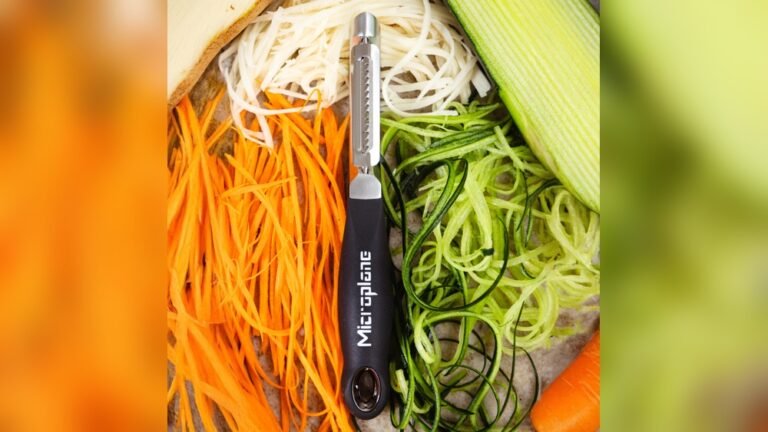
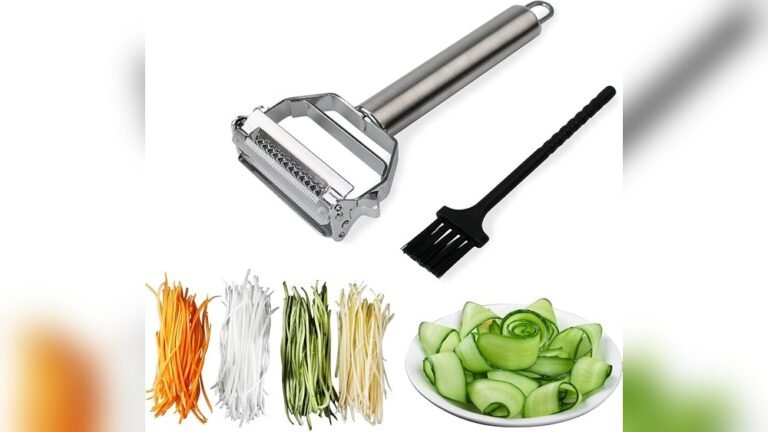
The julienne peeler is a small kitchen tool designed for cutting vegetables into thin, uniform strips. These strips resemble matchsticks, perfect for salads, garnishes, and stir-fries. It helps create attractive vegetable shapes quickly and with minimal effort.
Understanding how to store a julienne peeler properly keeps it sharp and ready for use. Clean it after every use and dry it well to prevent rust. Store it safely to avoid dulling the blades or causing injury.
Types Of Julienne Peelers
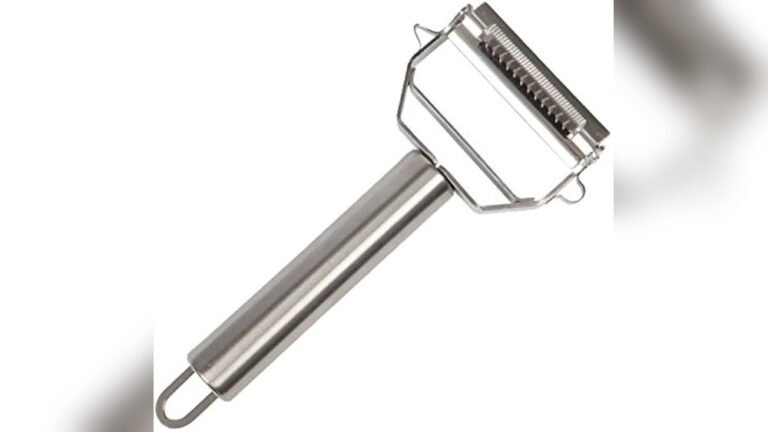
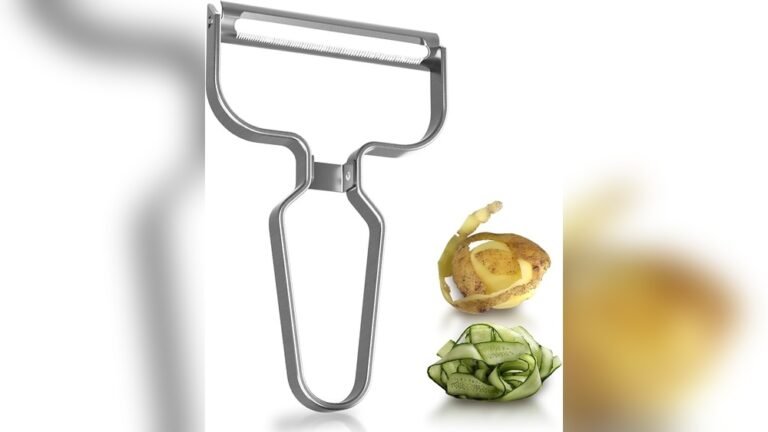
Julienne peelers come in various designs to suit different needs. Some have straight blades, while others feature serrated edges for better grip on tough vegetables. Compact models fit easily in kitchen drawers, and some have handles with ergonomic grips.
Materials also vary; stainless steel blades offer durability and sharpness. Plastic handles can be lighter but less sturdy. Choose one that feels comfortable and matches your kitchen tools.
Common Uses In The Kitchen
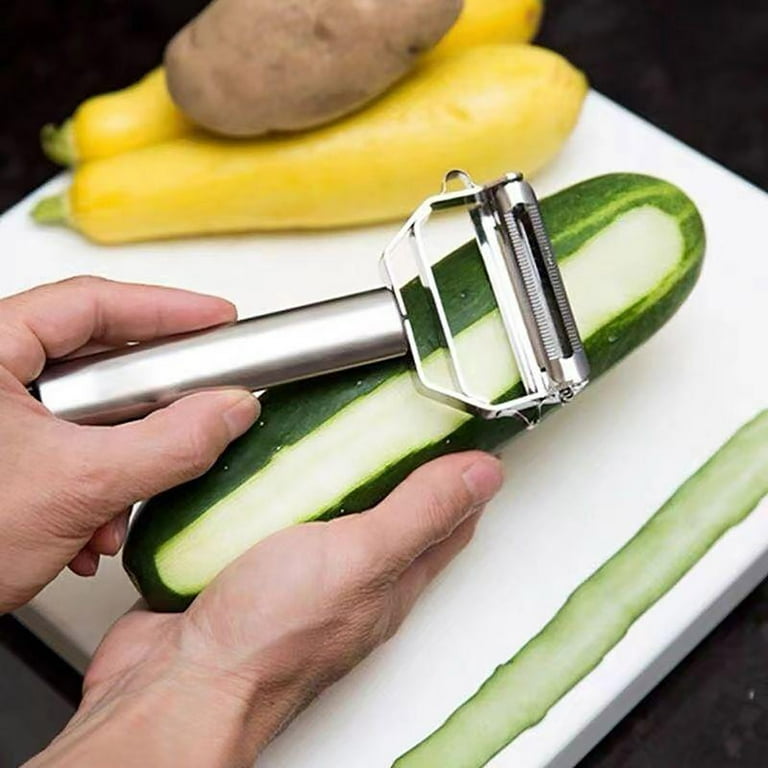
The julienne peeler is perfect for cutting carrots, zucchini, cucumbers, and potatoes into thin strips. These strips work well in salads, spring rolls, or as decorative garnishes. It also helps make vegetable noodles without a spiralizer.
Chefs use it to add texture and visual appeal to dishes. The peeler saves time compared to slicing by hand. It is ideal for creating healthy, fresh meals with ease.
Credit: cairocommunity.com
Cleaning Tips
Proper cleaning keeps your vegetable julienne peeler in top shape. Dirt and food bits can stick to the blades. Cleaning removes these and prevents rust or dulling.
Regular cleaning also keeps your peeler safe and hygienic. It helps the tool last longer and work better every time. Follow simple steps to clean it well after each use.
Safe Cleaning Methods
Rinse the peeler under warm water right after use. Use a soft brush or sponge to clean the blades gently. Avoid metal scrubbers that can damage the sharp edges.
Soapy water helps remove oils and small food pieces. Dry the peeler completely with a clean cloth to stop rust. Store it in a dry place, away from moisture.
Removing Stubborn Residue
Soak the peeler in warm soapy water for 10 to 15 minutes. This loosens stuck-on bits and makes cleaning easier. Use an old toothbrush to scrub hard-to-reach areas carefully.
For tough spots, a small amount of baking soda makes a good gentle scrub. Rinse well to remove all residue. Dry thoroughly before storing to keep it rust-free and sharp.
Drying And Maintenance
Proper drying and maintenance keep your vegetable julienne peeler in top shape. This care prevents damage and extends the peeler’s life. Simple steps ensure your tool stays clean, sharp, and rust-free.
Preventing Rust And Corrosion
Always dry the peeler immediately after washing. Use a clean towel to remove all moisture. Avoid air-drying, which can leave water spots and cause rust. Store the peeler in a dry place away from humidity. Consider using silica gel packs in the storage area. Rust weakens the blade and affects cutting performance. Regular checks help catch rust early for quick cleaning.
Regular Sharpening Techniques
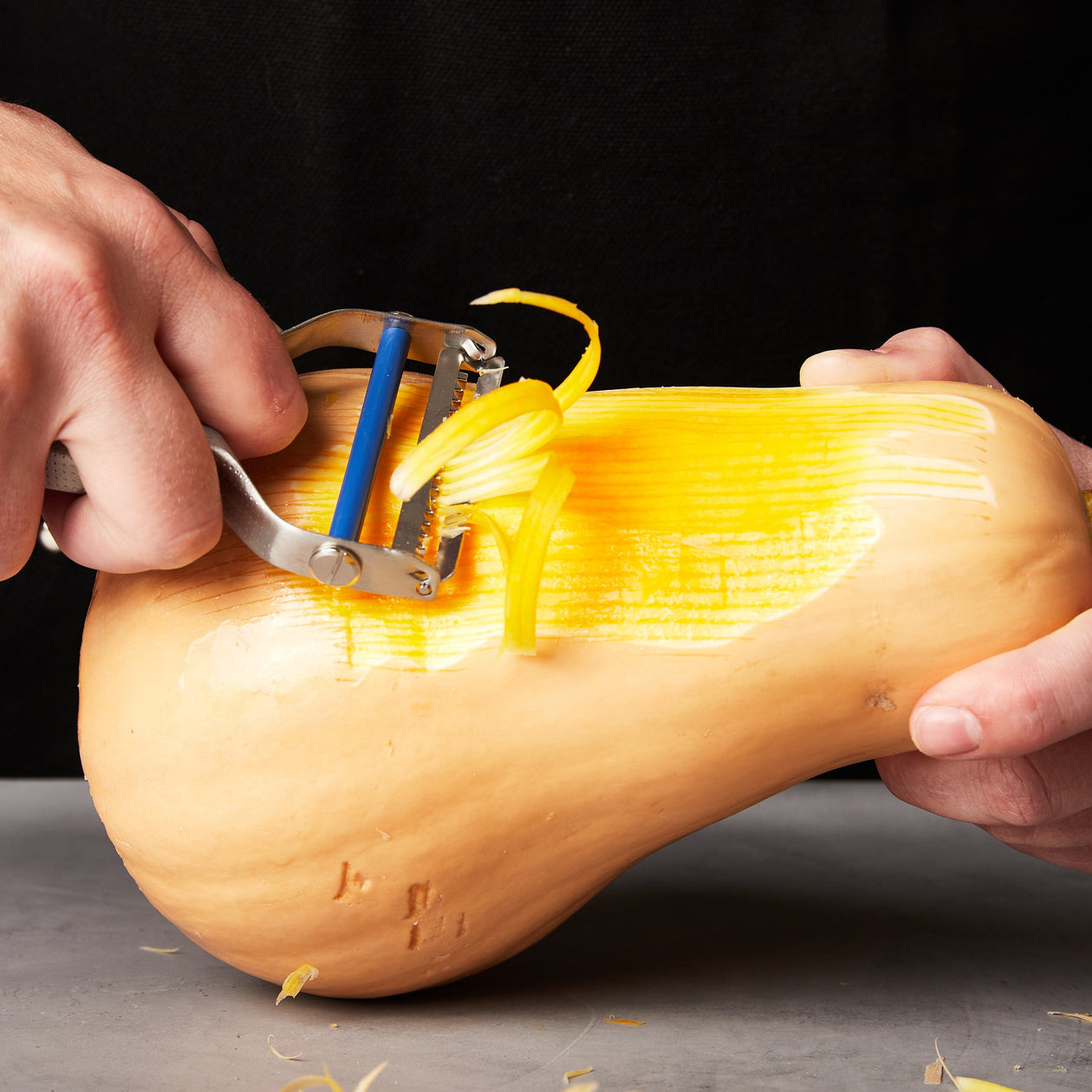
Keep the blade sharp for smooth julienne cuts. Use a small sharpening stone or a fine file. Gently stroke the blade in one direction only. Avoid pressing too hard to prevent blade damage. Sharpen the peeler every few weeks or when it feels dull. A sharp blade reduces effort and improves safety. Always clean the blade after sharpening before use.
Credit: store.177milkstreet.com
Storage Solutions
Proper storage keeps your vegetable julienne peeler safe and ready to use. Good storage solutions prevent damage and save kitchen space. Organizing your peeler makes cooking faster and more enjoyable.
Try simple ways to keep your peeler clean, dry, and easy to reach. Choose the method that fits your kitchen setup and habits.
Drawer Organization Ideas
Use a small tray or divider inside your kitchen drawer. Place the julienne peeler separately to avoid scratches and damage. Keep it near other small tools for easy access. Clean the drawer regularly to avoid dirt buildup.
Using Hanging Hooks
Install hooks on a kitchen wall or inside a cabinet door. Hang the peeler by its handle hole to save drawer space. Hanging keeps the blade dry and prevents accidents. Make sure the hooks are sturdy and easy to reach.
Storage Boxes And Cases
Store the peeler in a small box or case to protect the blade. Choose a box with a secure lid to keep dust away. This method is great if you carry the peeler outdoors or store it for a long time. Label the box for quick identification.
Extending Peeler Lifespan
A vegetable julienne peeler is a handy kitchen tool. Taking care of it ensures it lasts a long time. Proper storage and handling prevent damage and keep it sharp. A well-maintained peeler works better and saves money over time.
Simple habits can protect the peeler’s blade and body. Clean it carefully after every use. Store it in a safe place, away from moisture and heavy items. These steps help keep the peeler in top condition.
Avoiding Common Damage
Do not drop or throw the peeler. Its blade can bend or break easily. Avoid washing it with rough scrubbers. Use a soft sponge and mild soap instead. Dry the peeler fully before storing to stop rust.
Keep the peeler separate from other utensils. Use a blade guard or place it in a drawer organizer. This stops the blade from dulling or nicking. Avoid cutting hard or frozen vegetables that strain the blade.
When To Replace Your Peeler
Replace the peeler if the blade is dull or rusty. A dull blade cuts poorly and can be unsafe. Rust weakens the metal and may cause food contamination. Check for cracks or loose parts on the handle and blade.
Frequent peeling or heavy use may shorten the peeler’s life. If it feels uncomfortable or unstable, consider a new one. A sharp, sturdy peeler makes cooking easier and safer.
Frequently Asked Questions
What To Do With A Julienne Peeler?
Use a julienne peeler to create thin, uniform strips of vegetables like carrots, zucchini, and potatoes. It’s perfect for salads, garnishes, and making zoodles or hash browns quickly. This tool adds texture and visual appeal to dishes with minimal effort.
How Long Do Vegetable Peelers Last?
Vegetable peelers typically last 2 to 5 years with regular use. Proper cleaning and storage extend their lifespan. Replace when blades dull or damage occurs.
How To Keep A Peeler Sharp?
Sharpen a peeler by gently stroking its blade with a fine sharpening stone or ceramic rod. Use even pressure and a few strokes only. Clean and dry the peeler after sharpening to maintain sharpness and prevent rust. Store it safely to avoid blade damage.
What Is The Difference Between A Peeler And A Julienne Peeler?
A peeler removes vegetable skin with a straight blade. A julienne peeler creates thin, uniform strips for garnishes or salads.
Conclusion
Proper storage of your vegetable julienne peeler keeps it sharp and ready. Store it in a dry place away from moisture. Use a protective cover or case to avoid dulling the blades. Hanging it on a hook saves drawer space and prevents damage.
Clean the peeler thoroughly before storing to avoid rust and food buildup. Regular care extends the tool’s life and performance. Keep your kitchen organized and your peeler easy to find. Simple steps make using and storing your julienne peeler hassle-free every time.

Hi, I’m Emma Carter, a passionate home cook with over 12 years of hands-on experience in home kitchens. I love testing kitchen tools, trying new recipes, and helping everyday cooks make smarter buying decisions. Every review and guide I write is based on real cooking experience, practical testing, and honest opinions, not marketing claims.