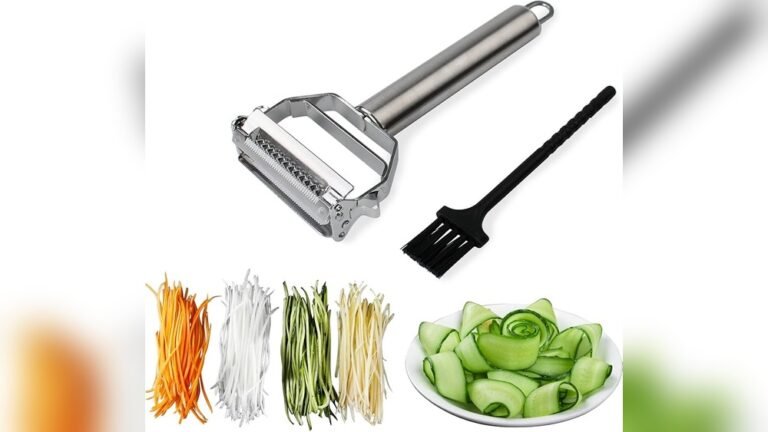
DIY Hacks for Vegetable Julienne Peeler to Save Time
Are you tired of struggling with uneven veggie strips or wasting precious vegetable scraps? Your kitchen routine is about to get a serious upgrade!
With just a simple julienne peeler and a few clever DIY hacks, you can turn ordinary vegetables into perfect, restaurant-quality matchstick slices in no time. Imagine adding that professional touch to your salads, stir-fries, and garnishes effortlessly. Ready to save time, reduce waste, and impress everyone with your knife skills?
Keep reading—these easy hacks will change the way you prep vegetables forever!
Credit: clinicamedca.com
Julienne Peeler Basics
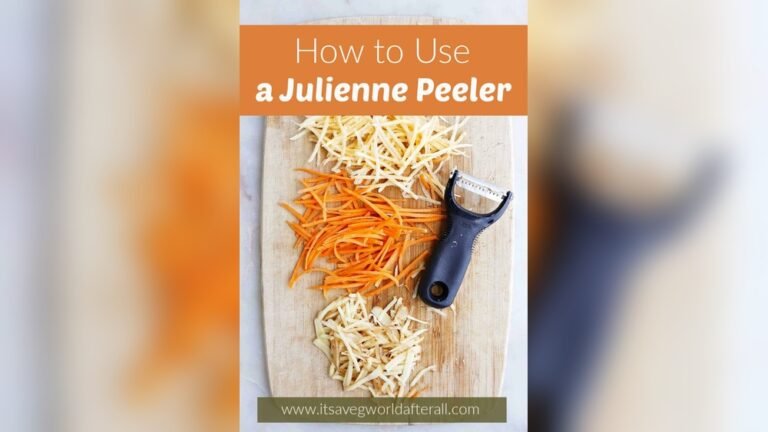
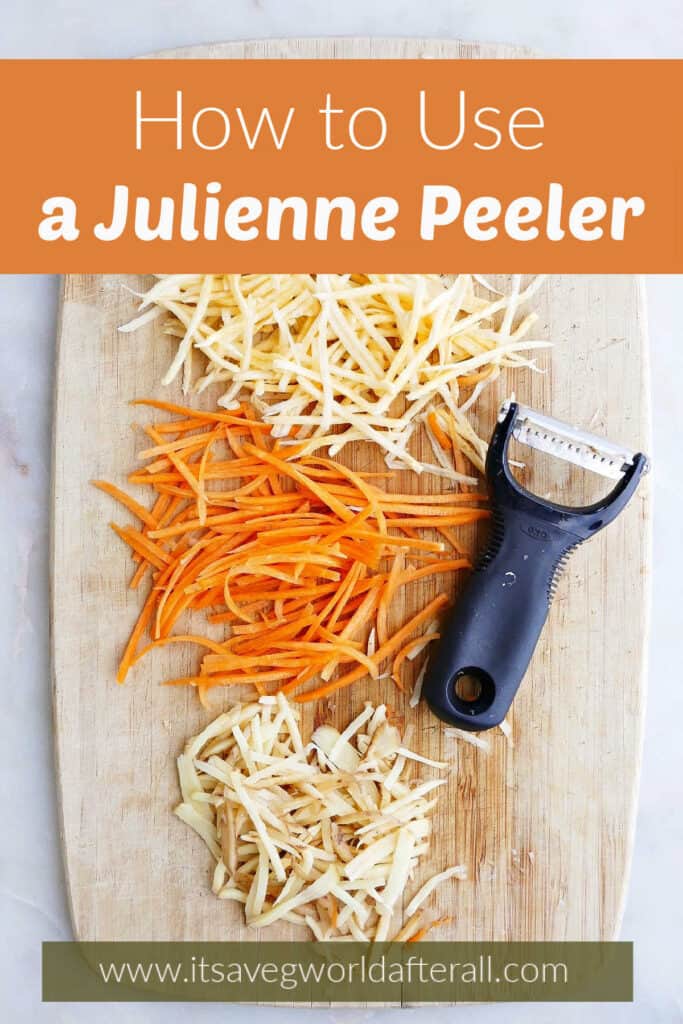
A julienne peeler is a handy kitchen tool for making thin, stick-like vegetable slices. It helps prepare salads, stir-fries, and garnishes quickly. Learning the basics makes cooking easier and more fun.
This tool saves time and effort by creating uniform strips. Understanding its types and safety helps you use it well.
Types Of Julienne Peelers
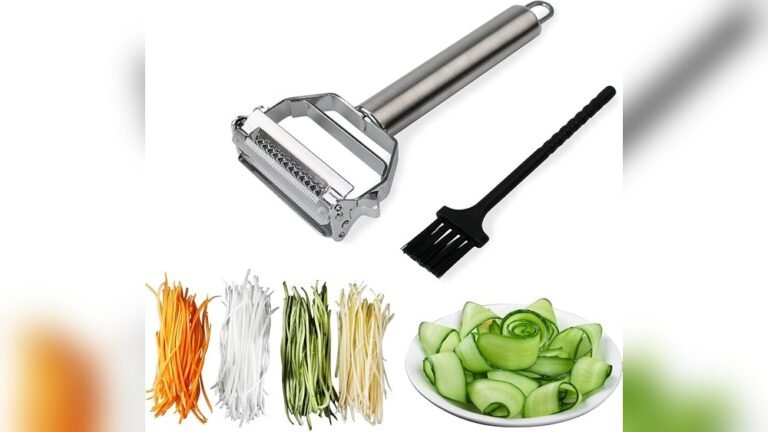
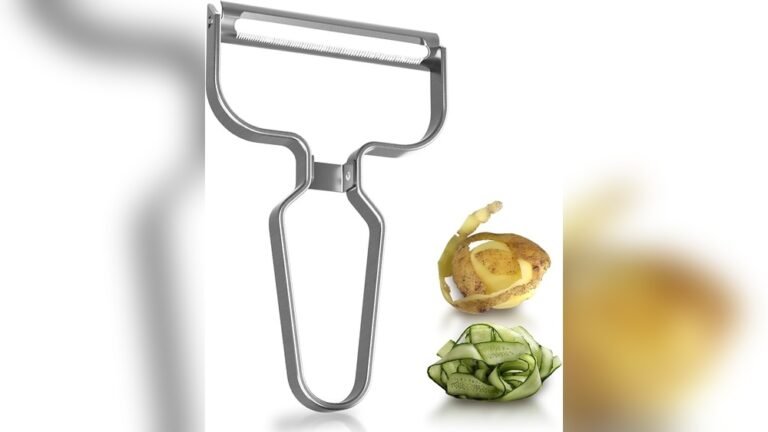
Julienne peelers come in various styles and sizes. Some have straight blades, while others have serrated edges. The blade material is usually stainless steel for sharpness and durability. Handle designs vary too, from simple plastic to ergonomic grips. Some peelers offer multiple blade options for different strip widths. Choose one that fits your cooking needs and comfort.
Choosing The Right Peeler
Select a peeler based on the vegetables you use most. Larger blades work well for carrots and zucchinis. Smaller blades suit softer vegetables like cucumbers. Check the handle for a firm grip to avoid slipping. Lightweight peelers reduce hand fatigue during use. Look for easy-to-clean models to save time after cooking.
Safety Tips
Always hold the vegetable firmly while peeling. Use slow, steady motions to control the blade. Keep fingers away from the blade to prevent cuts. Store the peeler with a cover or in a safe spot. Clean it carefully to avoid injury from sharp edges. Replace your peeler if the blade becomes dull or damaged.
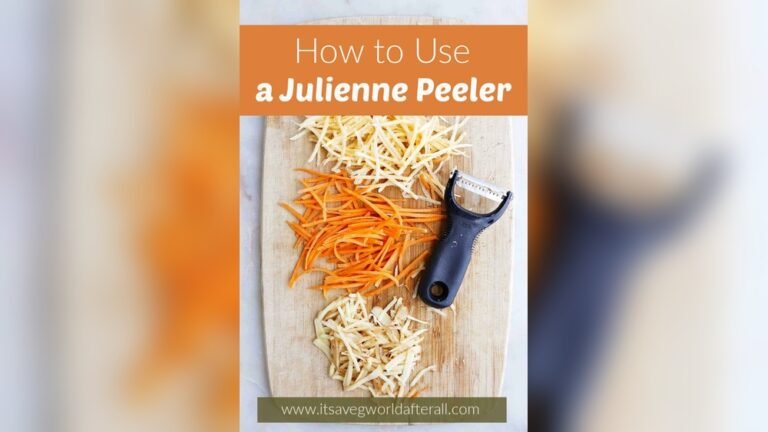
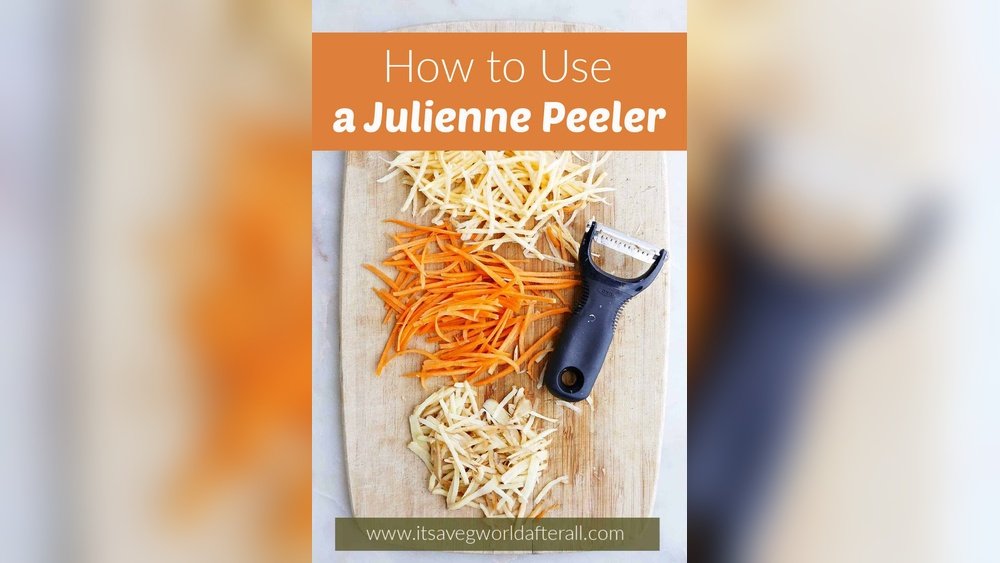
Credit: itsavegworldafterall.com
Prep Tips For Easy Julienne
Preparing vegetables for julienne cuts can be simple with the right tips. Proper prep saves time and effort. It also helps create even, attractive strips for cooking or salads. Follow these easy steps for smooth julienne peeling.
Selecting Vegetables
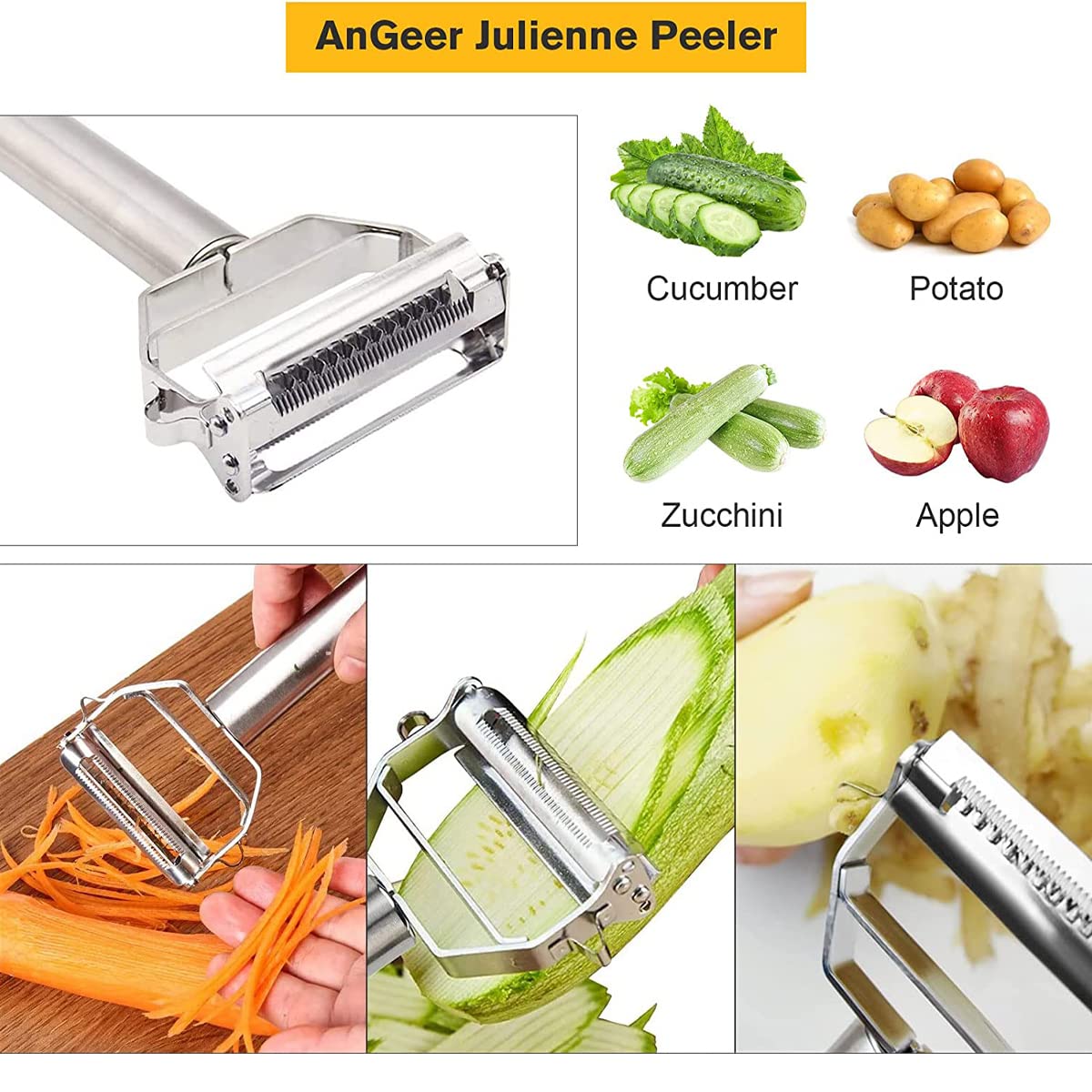
Choose firm and fresh vegetables. Carrots, cucumbers, and zucchini work well. Avoid soft or overly ripe veggies. They can be hard to peel evenly. Pick vegetables that fit comfortably in your hand.
Pre-cutting Techniques
Trim both ends of the vegetable before peeling. Cut large vegetables into smaller sections. This makes handling easier and safer. Remove any thick skin or tough parts first. It helps the peeler glide smoothly.
Handling Different Textures
Hard vegetables need firm pressure for clean strips. Use gentle strokes for softer vegetables to avoid breaking. Keep a steady hand and peel away from your body. Wet vegetables slightly to reduce slipping while peeling.
Diy Hacks For Better Julienne
Julienne cutting makes vegetables look neat and cook evenly. Using a vegetable julienne peeler can save time and effort. Simple DIY hacks improve your technique and results. These tips help you cut faster, reduce waste, and get perfect strips every time.
Speeding Up The Process
Hold the vegetable firmly to avoid slipping. Peel in smooth, even strokes. Use the full length of the blade for quick strips. Work over a cutting board or bowl to catch strips easily. Rest your wrist to prevent fatigue during long sessions.
Preventing Waste
Trim the ends of vegetables before peeling for a flat surface. Peel close to the skin but avoid cutting too deep. Use the vegetable’s natural shape to reduce leftover scraps. Save leftover pieces for soups or stocks. Keep your blade sharp for cleaner cuts and less waste.
Creating Uniform Strips
Choose vegetables with straight sides for even strips. Rotate the vegetable slowly to keep the strips the same size. Peel in consistent pressure and speed. Stack peeled strips to check if they look uniform. Practice helps build muscle memory for better control.

Credit: www.amazon.com
Alternative Tools And Methods
Vegetable julienne peelers make cutting veggies easy and quick. But not everyone has one at home. Many alternative tools and methods can help achieve similar results. These options save time and reduce waste. They also let you prepare vegetables in fine, even strips.
Using A Mandoline
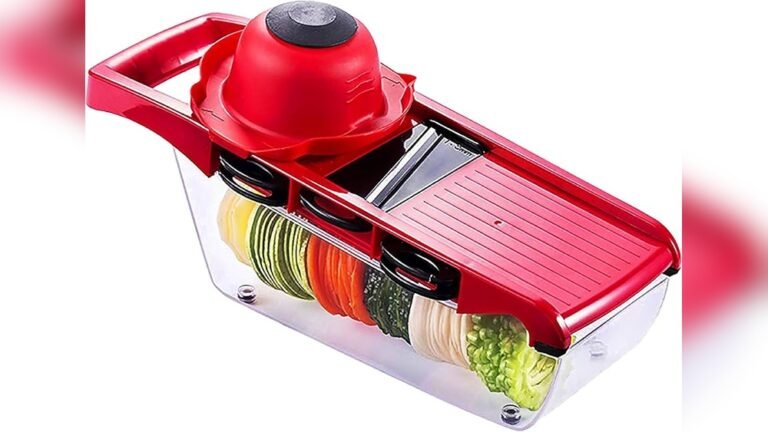
A mandoline slicer offers precise, uniform cuts. It has adjustable blades for different thicknesses. Set it to a julienne blade or create thin slices. Then stack and cut the slices into strips. This tool works well for carrots, zucchini, and cucumbers. Use the safety guard to protect your fingers.
Knife Techniques
A sharp knife is a versatile tool for julienne cutting. Start by trimming the ends of the vegetable. Cut it into manageable sections. Slice each section lengthwise into thin, even slabs. Stack the slabs and slice lengthwise again into matchstick strips. This method needs practice but works on most vegetables.
Food Chopper Options
Food choppers with julienne attachments speed up the process. Place the vegetable in the chopper and press down. The blades cut the vegetable into thin strips. Some choppers have different blade sizes for variety. These are great for busy kitchens and beginners.
Creative Uses For Julienne Strips
Julienne strips offer more than just a neat way to cut vegetables. They bring texture, color, and style to meals. Using a vegetable julienne peeler helps create thin, uniform strips quickly. These strips add a fresh twist to many dishes. Let’s explore some creative uses for julienne strips that can brighten up your cooking and presentation.
Salad Ideas
Julienne strips add crunch and color to salads. Carrots, cucumbers, and zucchini work well. Mix different vegetables for a vibrant plate. Toss strips with a light dressing for extra flavor. Use strips as a base or topping for green salads. They make salads more appealing and fun to eat.
Garnishing Tricks
Julienne strips make excellent garnishes. Use them to decorate plates with a splash of color. Twist or curl the strips for an elegant look. Place strips on top of soups or main dishes. They add a fresh, crisp texture and enhance presentation. Garnishes created with julienne strips catch the eye easily.
Cooking Applications
Julienne strips cook quickly and evenly. Stir-fry strips for a fast, tasty side dish. Add them to soups for extra texture and nutrients. Use strips in spring rolls or wraps for a fresh crunch. They also work well in omelets and pasta dishes. The uniform size helps them cook perfectly every time.
Maintenance And Care
Proper maintenance and care keep your vegetable julienne peeler sharp and safe. A well-cared peeler works better and lasts longer. Cleaning, sharpening, and storing it correctly are simple steps. These steps help avoid rust, dullness, and damage.
Cleaning Tips
Rinse the peeler immediately after use. This stops vegetable bits from drying on the blade. Use warm water and mild soap for washing. Avoid harsh cleaners that can damage the blade. Dry the peeler fully with a soft cloth. Never leave it wet to prevent rust.
Blade Sharpening
Sharpen the blade regularly to keep it cutting smoothly. Use a small sharpening stone or a specialized tool. Hold the blade at a slight angle and move gently. Avoid over-sharpening, which can weaken the blade. Test the blade on a vegetable to check sharpness.
Storage Solutions
Store the julienne peeler in a dry place. Use a protective cover or sheath for the blade. Keep it separate from other utensils to avoid dulling. Hanging it on a magnetic strip is a good option. Proper storage keeps the blade safe and ready to use.
Frequently Asked Questions
What Can I Use Instead Of A Vegetable Peeler?
Use a sharp knife to slice thin strips or a mandoline slicer for even, quick vegetable peeling. A paring knife works well too.
How Do Professional Chefs Julienne So Fast?
Professional chefs julienne fast by using sharp knives, proper technique, and steady, even cuts. They practice precision and speed regularly.
How To Julienne Vegetables Without A Mandoline?
Hold the vegetable firmly. Slice it lengthwise into even, thin slabs. Stack 3-4 slices, then cut lengthwise again into thin matchstick strips. Repeat for all pieces.
What Is The Best Tool For Julienne Vegetables?
The Microplane Professional Julienne Peeler is the best tool for julienne vegetables. Its sharp stainless steel blade creates thin, matchstick-sized strips quickly and easily. This peeler saves time and enhances dish presentation with precision cuts.
Conclusion
Using a vegetable julienne peeler saves time and effort in the kitchen. Simple DIY hacks help create perfect, even strips easily. These tips reduce waste and improve presentation. Practice makes cutting faster and more precise. Enjoy fresh, healthy meals with beautifully sliced vegetables.
Keep your peeler clean and sharp for best results. Try these hacks to add variety to salads and dishes. Cooking becomes more fun and less stressful with the right tools. Small changes make a big difference in meal prep.
Hi, I’m Emma Carter, a passionate home cook with over 12 years of hands-on experience in home kitchens. I love testing kitchen tools, trying new recipes, and helping everyday cooks make smarter buying decisions. Every review and guide I write is based on real cooking experience, practical testing, and honest opinions, not marketing claims.