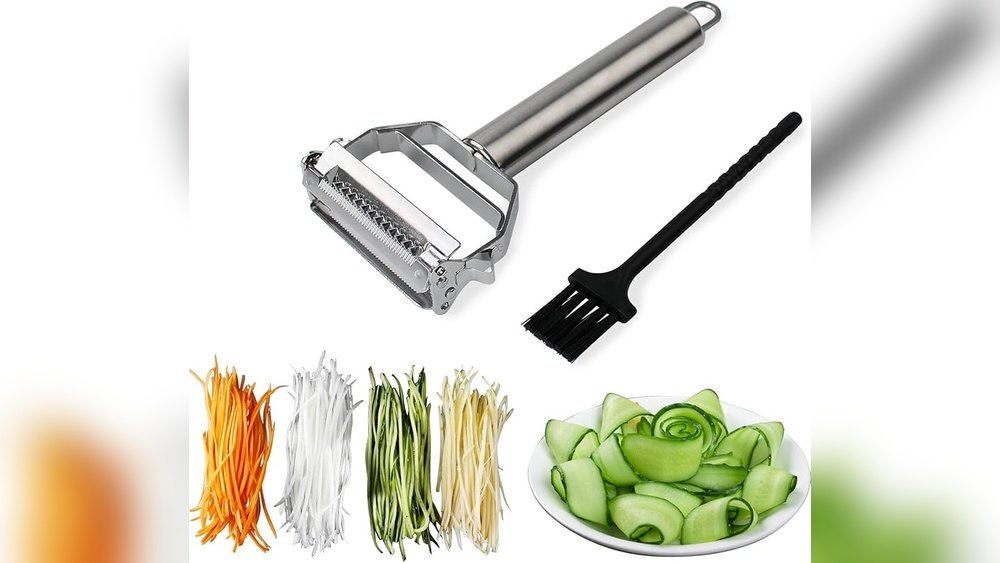
How to Clean Vegetable Julienne Peeler Step-by-Step Guide
You love using your vegetable julienne peeler to create beautiful, thin strips of carrots, zucchini, or cucumbers for your meals. But have you ever struggled with cleaning it afterward?
If you don’t clean your julienne peeler properly, bits of vegetables can get stuck in the blades, making it hard to use next time and even causing bacteria to grow. Don’t worry, this guide will show you simple, effective steps to clean your vegetable julienne peeler quickly and thoroughly.
Keep reading to learn how to make your peeler look and work like new every time you use it!
Choosing The Right Julienne Peeler
Choosing the right julienne peeler makes cleaning easier and improves your cooking experience. A suitable peeler matches your needs, fits comfortably in your hand, and is simple to maintain. Understanding the key features helps you pick the best tool for your kitchen.
Types Of Julienne Peelers
Julienne peelers come in various styles. Some have straight blades, while others offer serrated edges. Handheld peelers are common and easy to use. Some models include multiple blade options for different cuts. Pick a type that suits the vegetables you prepare most often.
Material Considerations
Look for peelers made of stainless steel or high-quality plastic. Stainless steel resists rust and lasts longer. Plastic handles provide a good grip and reduce slipping. Avoid low-quality metals that bend or break easily. Durable materials help keep the peeler clean and safe.
Blade Design And Sharpness
Sharp blades cut smoothly and reduce effort. Thin blades create fine, even strips for salads and garnishes. Check if the blade is easy to remove for cleaning. Some peelers have self-cleaning features or built-in scrapers. A sharp, well-designed blade improves performance and hygiene.
Daily Cleaning Routine
Keeping your vegetable julienne peeler clean daily helps maintain its sharpness and hygiene. A simple routine after each use prevents food buildup and rust. This routine saves time and effort in the long run. Follow these easy steps for best results.
Rinsing Immediately After Use
Hold the peeler under warm running water right after use. This stops food from drying and sticking to the blades. Rinsing quickly makes cleaning much easier. It also prevents bacteria growth on the peeler.
Using Dish Soap And Warm Water
Apply a small amount of dish soap to a soft sponge or cloth. Gently scrub all peeler surfaces with warm water. Warm water helps break down oils and food particles. Clean carefully around the blades to avoid dulling them.
Removing Food Residue With A Brush
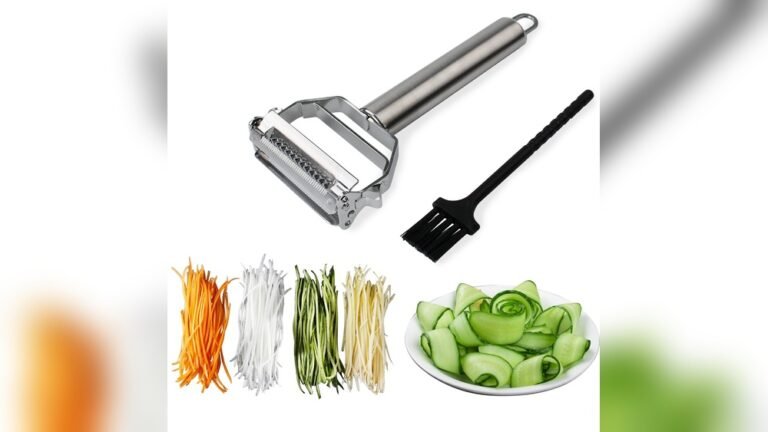
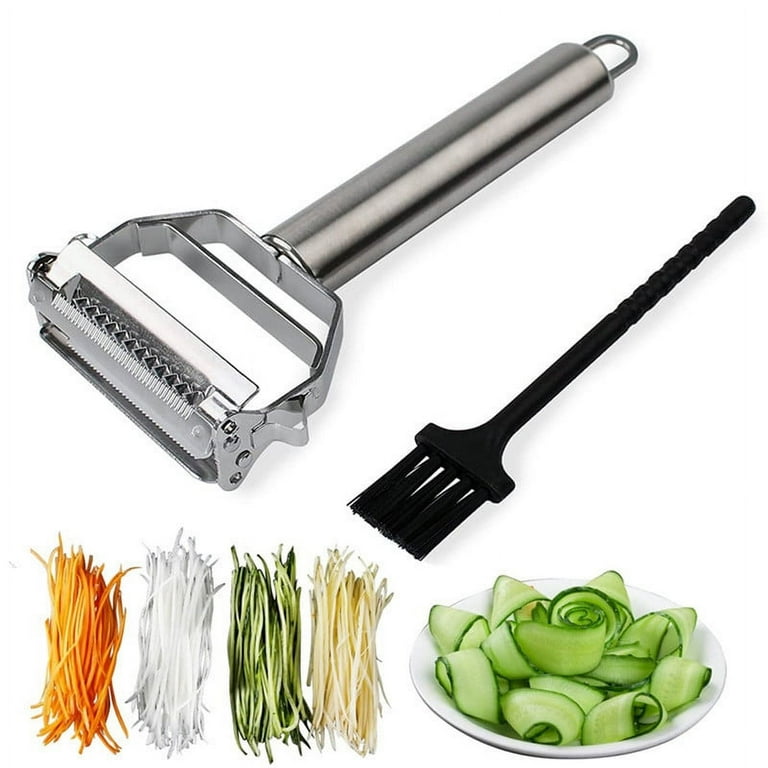
Use a soft brush or an old toothbrush to reach tight spots. Scrub gently to remove any stuck bits between blades. This helps prevent rust and keeps the peeler safe for food. Rinse thoroughly after brushing to wash away soap and debris.
Tackling Stubborn Buildup
Stubborn buildup on your vegetable julienne peeler can make cleaning tough. Food bits often get stuck between the tiny blades. This buildup dulls the peeler and can cause rust or bad smells. Regular cleaning helps keep your peeler sharp and safe to use. Use simple methods to tackle stuck-on food and gummed residue. These steps save time and keep your peeler in top shape.
Soaking Techniques
Fill a bowl with warm water and dish soap. Submerge the peeler and let it soak for 10 to 15 minutes. Warm water softens dried food and loosens buildup. Avoid soaking too long to protect the handle. After soaking, rinse the peeler under running water. This makes scrubbing easier and more effective.
Using Toothbrush Or Detailing Tools
Use a soft toothbrush or small detailing brush to clean hard spots. Brush gently between the blades to remove trapped food. A toothpick or wooden skewer can help reach tight spaces. Clean every blade edge carefully to avoid injury. This method clears debris without damaging the peeler’s sharpness.
Handling Sticky Or Gummed Residue
Sticky residue may come from vegetables like potatoes or carrots. Apply a small amount of baking soda on the sticky parts. Add a drop of water to make a paste. Rub the paste on the peeler’s blades and let it sit for 5 minutes. Then scrub gently with a toothbrush. Rinse well to remove all residue. This removes gummed food and keeps blades clean.

Credit: www.amazon.com
Removing Rust And Stains
Removing rust and stains from your vegetable julienne peeler keeps it efficient and safe. Rust can weaken the blade and affect the taste of your food. Stains make the peeler look old and dirty. Regular cleaning helps maintain its sharpness and appearance. Below are key points on how to handle rust and stains effectively.
Common Causes Of Rust
Rust forms when metal meets water and air. Leaving the peeler wet after use invites rust. Storing it in a damp place also causes corrosion. Acidic vegetables like tomatoes can leave stains and speed up rusting. Using harsh detergents may damage the metal surface. These factors lead to rust and stains on your peeler.
Natural Rust Removal Methods
Use lemon juice or vinegar to remove rust naturally. Soak the rusty part in lemon juice for 10 minutes. Then scrub gently with a soft brush or cloth. Baking soda paste works well too. Mix baking soda with water and apply to rust. Let it sit, then scrub off the rust softly. Rinse the peeler thoroughly and dry it completely after cleaning.
Preventing Future Rust Formation
Dry your julienne peeler immediately after washing. Store it in a dry, well-ventilated area. Avoid leaving it in the sink or dishwasher. Apply a thin layer of mineral oil on the blade to prevent moisture contact. Use gentle dish soap to clean the peeler. Regular care stops rust and keeps your tool ready for use.
Drying And Storage Tips
Proper drying and storage keep your vegetable julienne peeler in top shape. Moisture left on the peeler can cause rust and dull blades. Storing it incorrectly may damage the sharp edges or make it unsafe. Follow simple steps to dry and store your peeler safely after each use. This will extend its life and keep it ready for your next cooking task.
Proper Drying Techniques
After washing, shake off excess water carefully. Use a clean towel to dry the peeler immediately. Focus on drying the blade area thoroughly. Air drying can leave moisture that causes rust. Place the peeler in a well-ventilated spot until completely dry. Avoid leaving it wet or damp for long periods.
Safe Storage To Avoid Damage
Store the peeler in a designated kitchen drawer or container. Use a protective cover or sheath for the blade if available. Keep it separate from other utensils to prevent blade damage. Avoid tossing it loosely with heavy tools. Place it in a spot where it won’t get bent or dropped.
Avoiding Moisture Traps
Do not store the peeler in a closed, humid environment. Avoid placing it near the sink or dishwasher where moisture lingers. Use storage containers with good airflow to keep it dry. Check the storage area regularly for any dampness. Dry the peeler again if you find moisture before storing it back.
Credit: www.walmart.com
Maintaining Blade Sharpness
Maintaining the blade sharpness of your vegetable julienne peeler is key for smooth, effortless slicing. A sharp blade cuts cleanly, making your prep work faster and safer. Dull blades can tear vegetables and increase the risk of slips and injuries. Keeping the blade sharp ensures your peeler lasts longer and performs at its best.
When To Sharpen Your Peeler
Notice if your peeler struggles to cut or leaves ragged edges. These signs mean the blade needs sharpening. Sharpen the blade as soon as it feels dull to keep its cutting power. Regular use may require sharpening every few weeks. Check the blade often to avoid damage to vegetables or your fingers.
Simple Sharpening Methods
Use a small sharpening stone or ceramic rod for quick touch-ups. Hold the blade at a slight angle and slide it gently across the sharpener. Make a few smooth strokes on each side. Wipe the blade clean after sharpening. Avoid harsh pressure to prevent bending or damaging the blade. This simple method keeps your peeler ready for any slicing task.
Tools For Sharpening
Sharpening stones, ceramic rods, and fine metal files work well for julienne peeler blades. Choose a tool with a fine grit for precise sharpening. A leather strop can polish the blade edge for extra sharpness. Avoid electric sharpeners, as they may remove too much metal quickly. Keep your sharpening tools clean and dry to maintain their effectiveness.
Dishwasher Use And Safety
Cleaning your vegetable julienne peeler properly keeps it sharp and safe to use. Many people wonder if they can clean it in the dishwasher. Using the dishwasher may save time but needs careful attention. Understanding dishwasher use and safety helps protect your peeler and kitchen tools.
Checking Dishwasher Compatibility
Not all julienne peelers are dishwasher safe. Check the manufacturer’s instructions first. Peelers with wooden handles or delicate blades may get damaged. Stainless steel peelers usually handle dishwasher cycles well. If unsure, wash the peeler by hand to avoid damage.
Best Practices For Dishwasher Cleaning
Place the julienne peeler in the top rack of the dishwasher. This keeps it away from intense heat and heavy water pressure. Use a gentle cycle with mild detergent. Avoid overcrowding to ensure the peeler gets cleaned properly. Remove the peeler immediately after the cycle to dry it well.
Pros And Cons Of Dishwasher Cleaning
Dishwasher cleaning saves time and effort. It sanitizes the peeler with hot water and detergent. This method is convenient for busy kitchens. On the downside, dishwasher heat can dull blades over time. Some peelers may rust or warp if not dishwasher safe. Hand washing extends the life of delicate peelers better.

Credit: www.walmart.com
Frequently Asked Questions
How To Clean A Vegetable Peeler?
Rinse the peeler under warm water immediately after use. Apply dish soap and scrub with a sponge or toothbrush. Remove stubborn buildup carefully. Rinse thoroughly and dry completely to prevent rust. For dishwasher-safe peelers, place them in the dishwasher for easy cleaning.
How To Sharpen An Oxo Peeler?
Sharpen an Oxo peeler by gently stroking a fine metal file across the blade. Use even pressure and a few strokes. This maintains sharpness for smooth peeling.
How To Get Rid Of Rust On Peeler?
Scrub rust off the peeler using a paste of baking soda and water. Rinse well and dry completely to prevent rust return.
How Do You Use A Julienne Peeler?
Hold the julienne peeler firmly and slide it down the vegetable’s surface. Apply light pressure to create thin, even strips. Repeat until you reach the desired amount. Clean the peeler immediately to prevent residue buildup.
Conclusion
Cleaning your vegetable julienne peeler keeps it working well and safe. Rinse it right after use to stop food from drying. Use a soft brush and soap to clean hard-to-reach spots. For stuck bits, soak the peeler in warm soapy water briefly.
Always dry the peeler fully to avoid rust and damage. Regular care helps your peeler last longer and stay sharp. Keep these simple steps in mind for easy, effective cleaning every time.

Hi, I’m Emma Carter, a passionate home cook with over 12 years of hands-on experience in home kitchens. I love testing kitchen tools, trying new recipes, and helping everyday cooks make smarter buying decisions. Every review and guide I write is based on real cooking experience, practical testing, and honest opinions, not marketing claims.