Maintenance Tips for Crinkle Cutter to Extend Its Lifespan
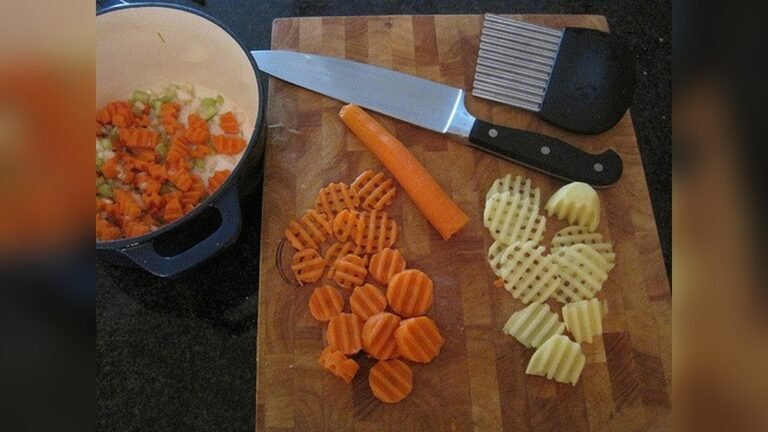
If you love using your crinkle cutter to add that perfect wavy edge to your veggies and fries, keeping it in top shape is key. You might wonder how to clean it properly, when to sharpen the blade, or if you should oil any parts.
Taking care of your crinkle cutter not only keeps it working smoothly but also makes your food prep safer and more enjoyable. You’ll discover simple and effective maintenance tips that will extend the life of your crinkle cutter and keep every cut crisp and clean.
Read on to learn how easy it is to give your favorite kitchen tool the care it deserves!

Credit: smartbuy.alibaba.com
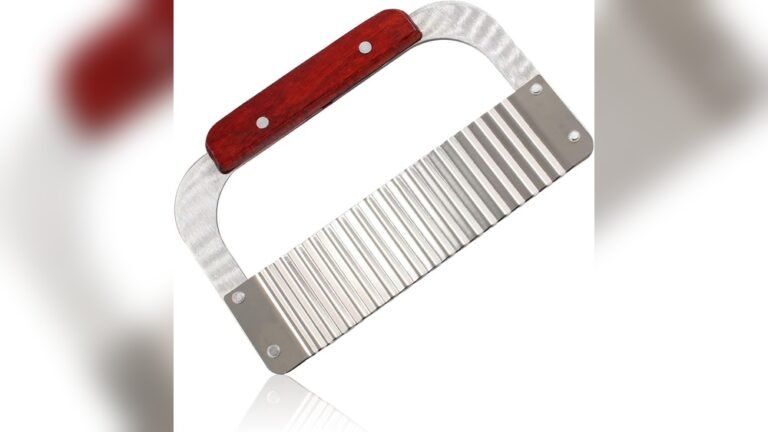
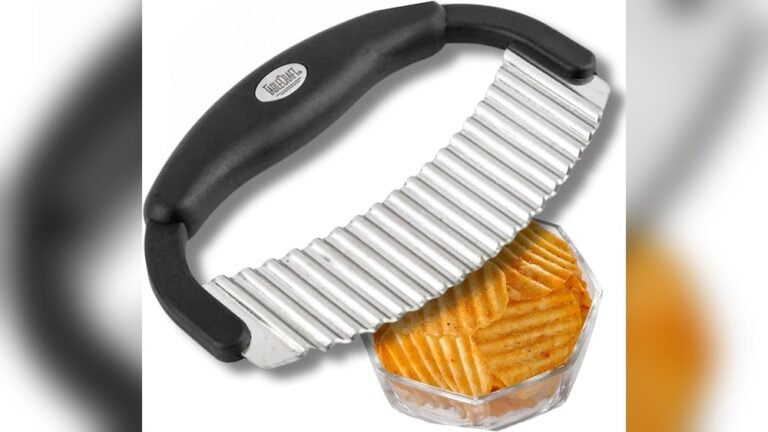
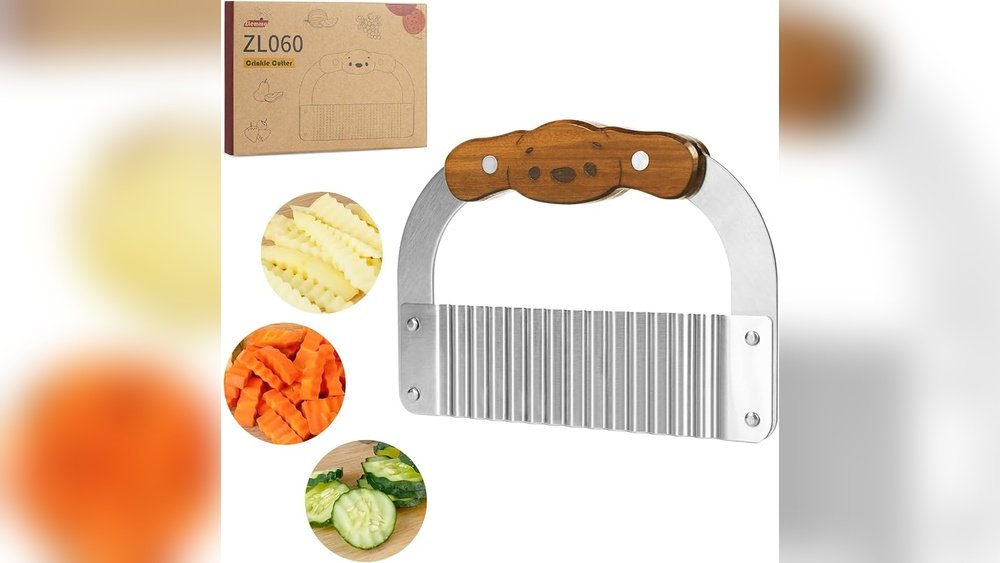
Best Crinkle Cutter Picks by Our Experts
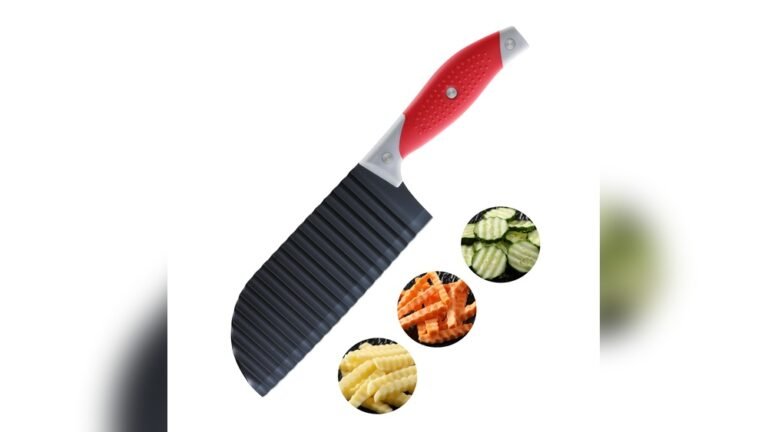
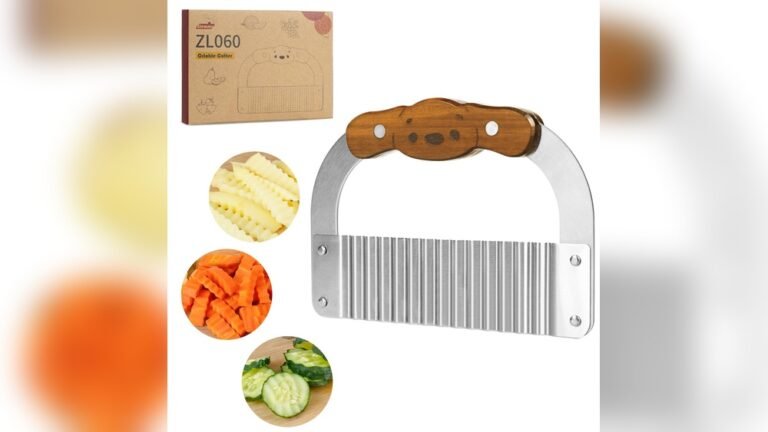
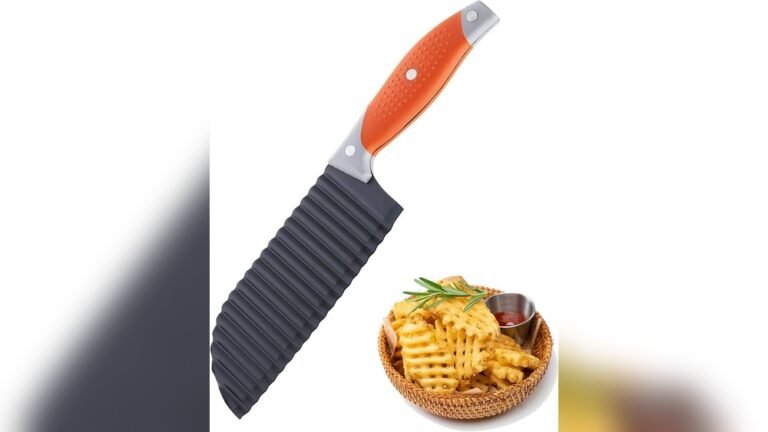
After testing dozens of kitchen tools, these are our favorite crinkle cutters for making waffle fries, crinkle-cut vegetables, and decorative garnishes. Click any product below to check today’s price on Amazon.
Cleaning Techniques
Proper cleaning keeps your crinkle cutter sharp and safe for use. Dirt and food particles can damage the blade and reduce its lifespan. Follow these cleaning techniques to maintain your cutter’s performance and hygiene.
Hand Washing Best Practices
Use warm water and mild soap to clean the crinkle cutter. Gently scrub the blade with a soft sponge or cloth. Avoid abrasive materials that can scratch the metal. Clean both sides carefully to remove all food residues. Rinse thoroughly to avoid soap buildup.
Avoiding Dishwasher Use
Dishwashers can dull the blade and cause rust. High heat and harsh detergents damage the cutter’s metal. Hand washing preserves the blade’s sharpness and coating. Save your crinkle cutter by skipping the dishwasher cycle.
Drying Methods To Prevent Rust
Dry the crinkle cutter immediately after washing. Use a clean, dry towel to remove all moisture. Air drying can leave water spots or cause rust. Store the cutter in a dry place to keep it rust-free and ready to use.
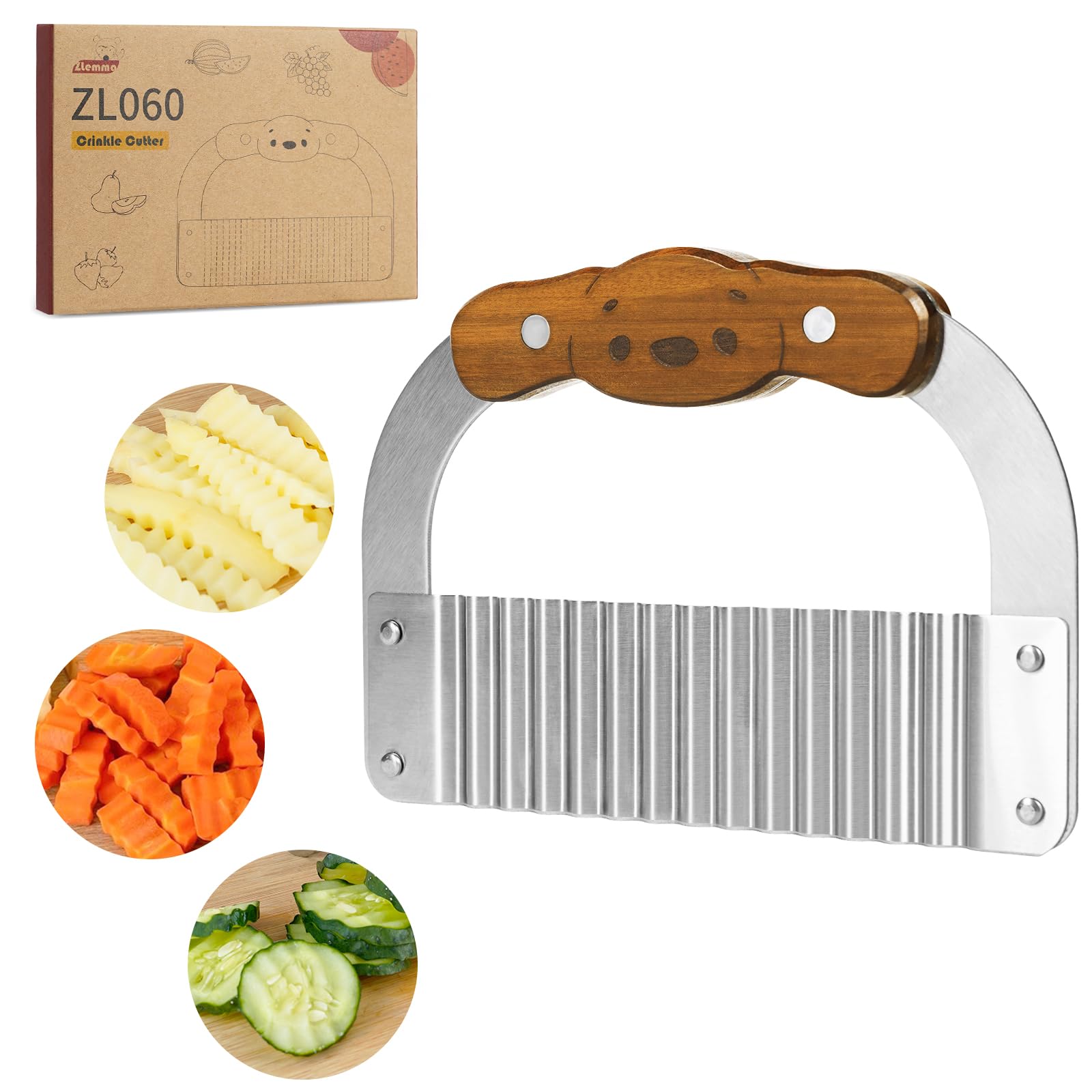
Credit: www.amazon.com
Sharpening Tips
Keeping your crinkle cutter sharp is key to clean, precise cuts every time. Dull blades make cutting harder and less safe. Sharpening your crinkle cutter regularly improves its performance and extends its life.
Choosing The Right Sharpening Tool
Select a tool designed for serrated or wavy blades. A ceramic sharpening rod or a small diamond-coated file works well. Avoid flat stones since they can’t reach the crinkle edges. Choose a tool that fits comfortably in your hand for better control.
Step-by-step Sharpening Process
First, clean the blade to remove any dirt or food particles. Hold the cutter steady on a flat surface. Gently run the sharpening tool along each crinkle edge. Use light pressure and follow the blade’s curve. Sharpen both sides evenly to keep the blade balanced. Wipe the blade clean after sharpening.
Frequency Of Sharpening
Sharpen your crinkle cutter after every 10 to 15 uses. If you notice the blade tearing or struggling to cut, sharpen it immediately. Regular sharpening prevents damage and keeps cuts smooth. Store the cutter safely to maintain its sharpness longer.
Lubrication And Rust Prevention
Proper lubrication and rust prevention keep your crinkle cutter working smoothly. These steps protect the blade and moving parts from damage. Regular care extends the tool’s life and maintains its sharpness.
Oiling Moving Parts
Apply oil to the joints and springs of your crinkle cutter. This reduces friction and prevents parts from sticking. Use a few drops of light machine oil. Wipe off any excess to avoid attracting dirt.
Preventing Corrosion
Keep the blade dry after every use. Moisture causes rust and weakens the metal. Store the cutter in a dry place with good air circulation. Use a clean cloth to remove any water or food particles.
Recommended Lubricants
Choose food-safe oils designed for kitchen tools. Mineral oil works well and is safe for contact with food. Avoid thick oils that can gum up the moving parts. A light, non-toxic oil ensures smooth operation and safety.
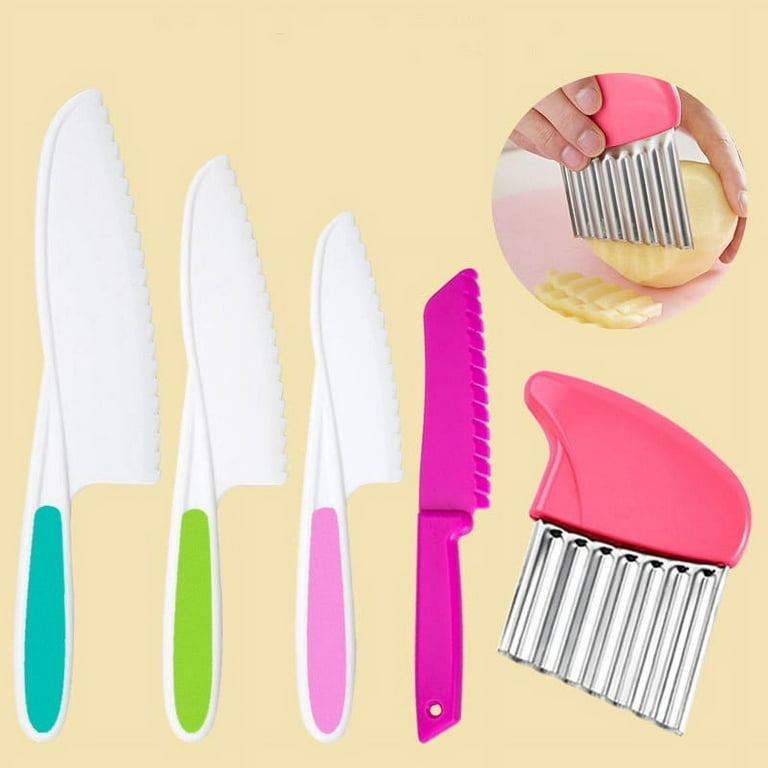
Credit: www.walmart.com
Storage Solutions
Proper storage of your crinkle cutter extends its life and keeps it ready for use. Storing it correctly prevents damage and maintains blade sharpness. Follow these storage solutions to protect your tool and ensure safety.
Safe Storage Practices
Store the crinkle cutter in a dedicated drawer or container. Avoid tossing it loosely with other utensils. Use a blade guard or sheath to cover the cutting edge. Keep it out of reach of children for safety. Organize your kitchen tools neatly to prevent accidents.
Protecting The Blade
Always cover the blade after cleaning. A plastic or silicone blade guard works well. Avoid storing the cutter where it can knock against hard objects. This prevents dulling or chipping of the blade. Regularly inspect the blade for any signs of damage.
Avoiding Moisture Build-up
Dry the cutter completely before storage to stop rust. Use a soft cloth to remove all water droplets. Store it in a dry place with good air circulation. Avoid airtight containers that trap moisture. Consider placing a small silica gel packet nearby to absorb humidity.
Handling And Usage Tips
Proper handling and usage of your crinkle cutter improve your cutting experience and keep the tool in good shape. Using the right techniques protects both the food and the cutter blade. This section shares simple tips to use your crinkle cutter safely and effectively.
Proper Cutting Techniques
Hold the cutter firmly with one hand. Use a steady, gentle pressure to slice through the food. Avoid forcing the blade too hard, as this can cause uneven cuts. Cut on a stable surface, such as a wooden or plastic board. Keep your fingers clear of the blade path to prevent injuries.
Avoiding Damage To Delicate Foods
Soft or delicate foods need extra care. Slice slowly and avoid pressing too hard to prevent crushing. Let the blade do the work by moving it smoothly across the food. Use smaller cuts for delicate items like tomatoes or soft fruits. This helps keep their shape and texture intact.
Extending Tool Longevity
Always clean the cutter right after use. Hand wash with warm, soapy water and dry immediately. Avoid the dishwasher, which can dull the blade. Store the cutter in a dry place to prevent rust. Regularly check the blade for dullness and sharpen as needed for best performance.
Troubleshooting Common Issues
Troubleshooting common issues with your crinkle cutter helps keep it in top shape. Small problems can affect cutting quality and safety. Spotting and fixing these issues early saves time and money.
Blade Dulling Symptoms
Dull blades cut unevenly or crush food instead of slicing. You may notice more effort is needed to cut. Edges can appear jagged or torn rather than clean. If your cutter slips or drags, the blade likely needs sharpening.
Fixing Loose Components
Loose parts make the cutter unstable during use. Check screws and bolts regularly to ensure tightness. Tighten any loose components with the correct screwdriver or wrench. Avoid overtightening, which can damage the tool. A stable cutter improves safety and cutting accuracy.
Addressing Rust Spots
Rust spots weaken the blade and affect food safety. Remove rust promptly using fine steel wool or a rust eraser. Clean the cutter thoroughly after each use and dry it completely. Store the cutter in a dry place to prevent moisture buildup. Applying a light coat of mineral oil helps protect metal surfaces.
Frequently Asked Questions
Should I Oil My Knife Sharpener?
Standard knife sharpeners usually do not require oiling. Use honing oil only if the sharpening stone clogs with metal filings.
What Is The Maintenance Of A Cutter?
Clean the cutter after each use, sharpen the blade regularly, and lubricate moving parts to prevent rust and ensure smooth operation.
How To Sharpen A Crinkle Cutter?
Use a fine metal file or sharpening stone to sharpen each crinkle edge carefully. Maintain the blade angle and avoid over-sharpening. Clean and dry the cutter after sharpening to prevent rust. Regular sharpening keeps cuts precise and the tool effective.
How Should You Care For And Maintain Your Knives?
Hand wash knives with warm, soapy water; avoid abrasive sponges. Never use a dishwasher or soak them. Dry knives thoroughly immediately after washing. Sharpen blades regularly to keep them sharp. Store knives safely to prevent damage and accidents.
Conclusion
Proper maintenance keeps your crinkle cutter sharp and safe. Clean it after every use with mild soap and water. Dry the cutter well to avoid rust or damage. Regularly sharpen the blade to ensure smooth, precise cuts. Lubricate moving parts to maintain easy operation.
Store it in a dry place, away from moisture. Follow these simple steps for long-lasting, effective use. Taking care of your crinkle cutter saves time and money. Enjoy crisp, clean cuts every time you use it.

Hi, I’m Emma Carter, a passionate home cook with over 12 years of hands-on experience in home kitchens. I love testing kitchen tools, trying new recipes, and helping everyday cooks make smarter buying decisions. Every review and guide I write is based on real cooking experience, practical testing, and honest opinions, not marketing claims.