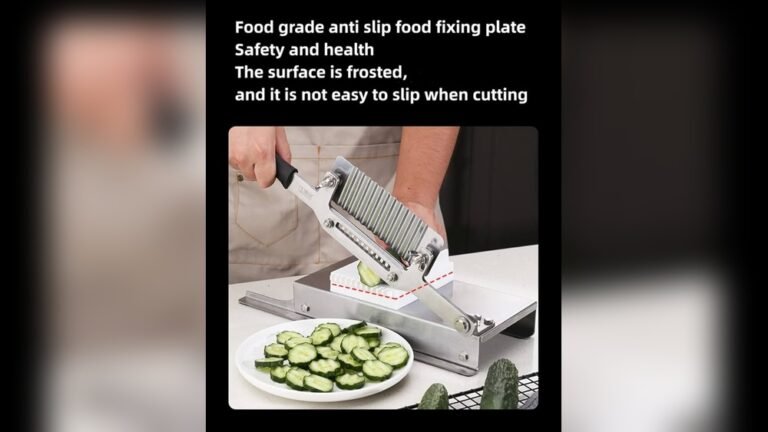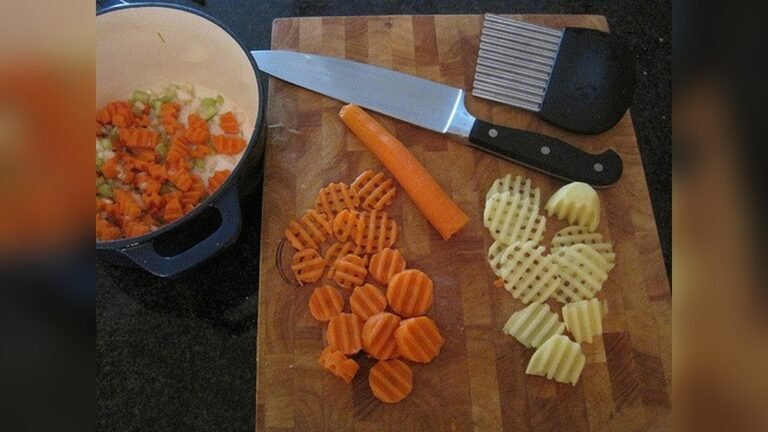
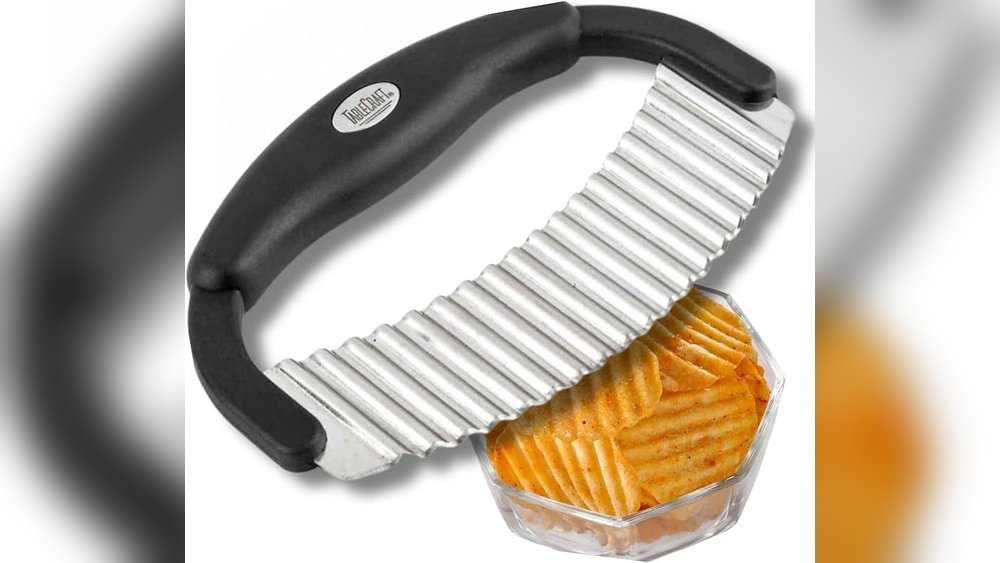
Step-by-Step Guide for How to Clean Crinkle Cutter Easily
If you love adding a fun, wavy twist to your veggies or fries, your crinkle cutter is your best kitchen buddy. But here’s the thing, you want to keep it sharp, clean, and ready to go every time you use it.
Cleaning your crinkle cutter might seem tricky because of those jagged edges, but it doesn’t have to be a hassle. In this guide, you’ll discover simple, effective steps to clean your crinkle cutter quickly and safely. Stick with me, and you’ll never worry about leftover food or rust again your cutter will stay as fresh and sharp as the day you got it!
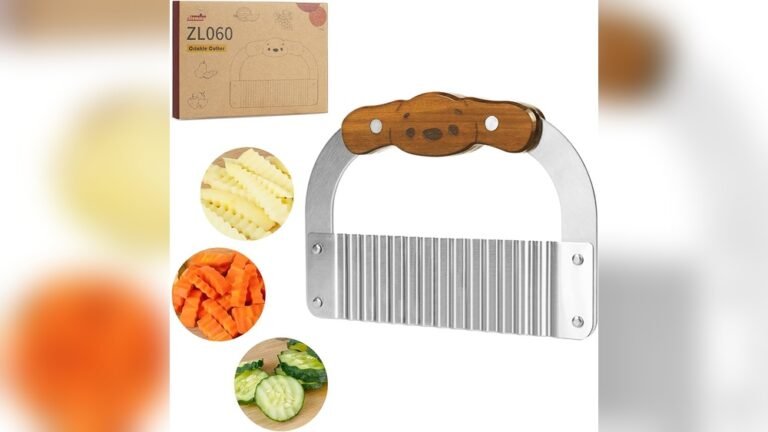
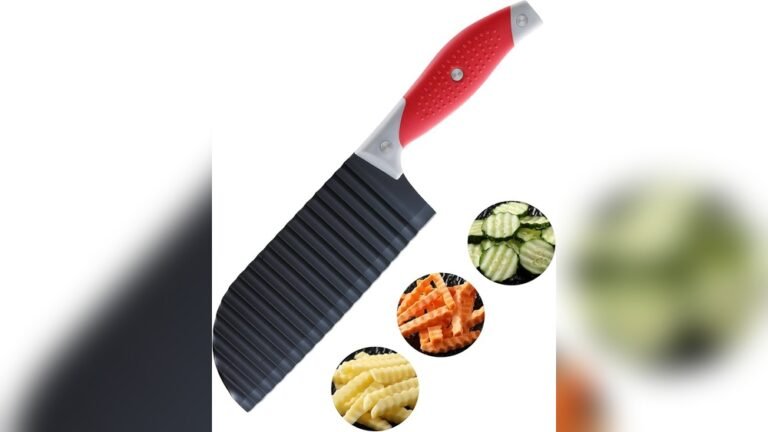
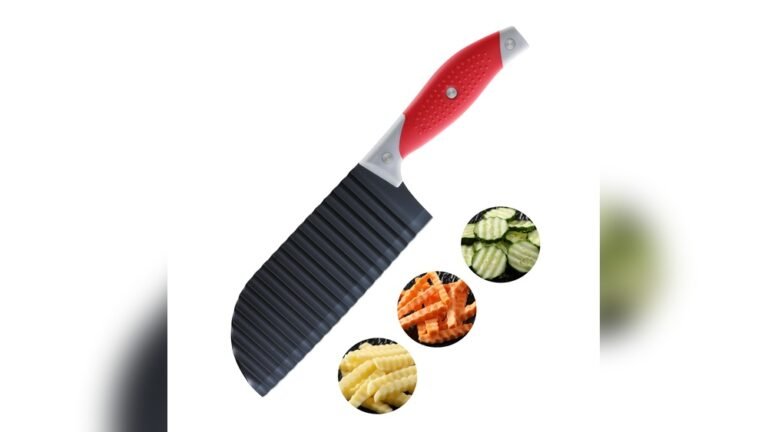
Best Crinkle Cutter Picks by Our Experts
After testing dozens of kitchen tools, these are our favorite crinkle cutters for making waffle fries, crinkle-cut vegetables, and decorative garnishes. Click any product below to check today’s price on Amazon.
Choosing The Right Crinkle Cutter
Choosing the right crinkle cutter is essential for ease of cleaning and long-lasting use. A good cutter not only cuts well but also resists rust and damage. It saves time and effort during washing. Understanding materials and blade types helps in selecting the best tool.
Materials And Design
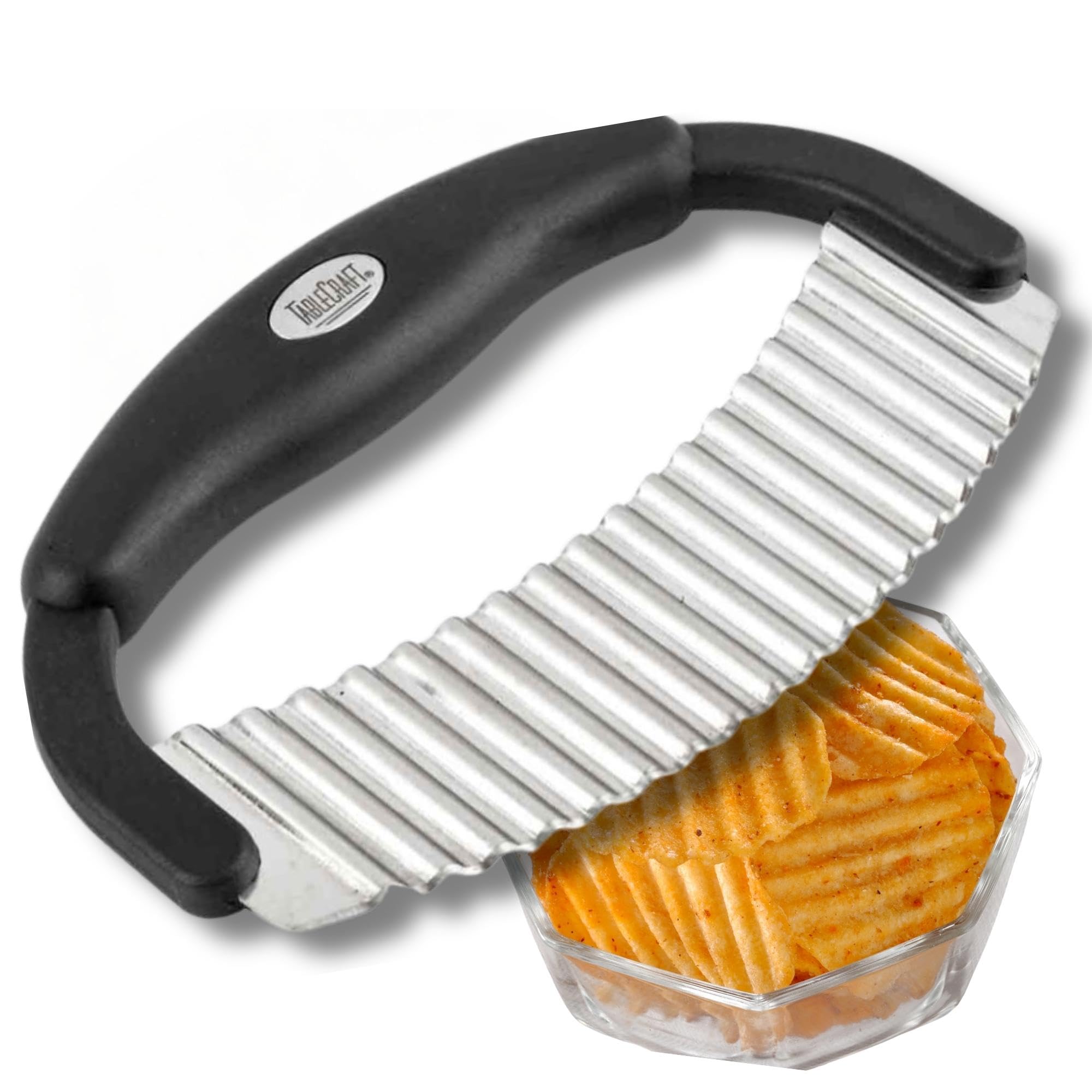
Most crinkle cutters are made from stainless steel or plastic. Stainless steel blades last longer and resist rust. Plastic handles offer a comfortable grip and are lightweight. Some cutters have ergonomic designs to reduce hand fatigue. Look for smooth surfaces that are easy to clean. Avoid cutters with many small parts that trap dirt. A solid design means fewer crevices where food can hide.
Blade Types
Blades come in different shapes and sizes for various cutting styles. Crinkle cutters usually have wavy or zigzag blades. Sharp blades cut cleanly and reduce food tearing. Thicker blades are stronger but harder to clean. Thin blades are easier to wash but may bend or dull faster. Some cutters have removable blades for better cleaning. Choose a blade type that matches your cutting needs and cleaning routine.
Daily Cleaning Routine
Keeping your crinkle cutter clean every day helps it stay sharp and safe. A daily cleaning routine stops food from hardening on the blade. It also prevents rust and keeps the cutter working well. Follow these simple steps to clean your crinkle cutter after each use.
Immediate Rinse
Rinse the crinkle cutter right after using it. Use warm water to wash off food bits. This stops residue from drying on the blade. Avoid letting food sit on the cutter for long. Quick rinsing makes full cleaning easier later.
Hand Washing Tips
Use warm, soapy water to wash the cutter by hand. A soft sponge or brush helps clean the blade safely. Clean between the crinkles to remove stuck food. Do not use abrasive pads that can scratch the metal. Wash the handle well to remove germs.
Drying Techniques
Dry the cutter immediately with a clean towel. Make sure to dry between the blades thoroughly. Leaving moisture can cause rust and damage the cutter. Store the cutter in a dry place after drying. Good drying keeps your crinkle cutter in top condition.
Deep Cleaning Methods
Deep cleaning your crinkle cutter ensures it stays sharp, safe, and ready for your next use. Regular cleaning removes food particles and bacteria that can build up over time. This section covers effective methods to clean every part of your cutter thoroughly.
Disassembling The Cutter
Start by carefully taking apart the crinkle cutter. Remove any screws, blades, or detachable parts. Keep track of small pieces to avoid losing them. Disassembling allows access to hard-to-reach areas where dirt can hide. Always handle blades with care to prevent cuts.
Using Detergents And Disinfectants
Use a mild detergent to wash each component. Warm water helps dissolve grease and food residue. After washing, apply a food-safe disinfectant to kill bacteria. Follow the product instructions for best results. Rinse all parts well to remove chemicals before drying.
Soaking And Scrubbing
Soak the cutter parts in warm, soapy water for 10 to 15 minutes. This loosens stubborn grime stuck on the blades and handles. Use a soft brush or sponge to scrub gently. Avoid abrasive tools that can damage the blade’s edge. Rinse thoroughly and dry with a clean cloth.
Dishwasher Safety
Cleaning your crinkle cutter properly keeps it sharp and safe for food preparation. Dishwasher use can save time but might damage some cutters. Knowing which cutters withstand dishwasher heat and how to place them is important. Follow these tips to protect your tool and ensure it lasts longer.
Which Cutters Are Dishwasher Safe
Most stainless steel crinkle cutters handle dishwasher cleaning well. Blades made from carbon steel or with wooden handles usually are not safe. High heat can rust metal or warp wood parts. Check the manufacturer’s instructions for dishwasher safety. When uncertain, wash by hand to avoid damage.
Proper Placement In Dishwasher
Place the cutter on the top rack to reduce heat exposure. Avoid crowding it with heavy pots or sharp objects. Position the blade down or flat to prevent bending. Keep it away from the detergent dispenser to avoid harsh chemicals. Proper placement helps maintain the cutter’s shape and sharpness.
Maintaining Sharpness
Maintaining the sharpness of your crinkle cutter is key for clean, precise cuts. A sharp blade reduces effort and improves safety. Dull blades can crush vegetables, making your work harder. Regular care keeps the blade effective and extends its life.
When To Sharpen
Notice your cutter needs more force to slice food. Edges look rounded or nicked. Cuts become uneven or crushed. These signs mean it is time to sharpen. Do not wait until the blade is very dull. Sharpening regularly keeps the blade in good shape.
Sharpening Tools And Techniques
Use a small whetstone or sharpening steel for best results. Hold the blade at a steady angle, usually 20 degrees. Slide the blade gently across the stone in one direction. Repeat on each side equally. Avoid pressing too hard to prevent damage. Clean the blade after sharpening to remove metal dust. Dry it well to stop rust from forming.
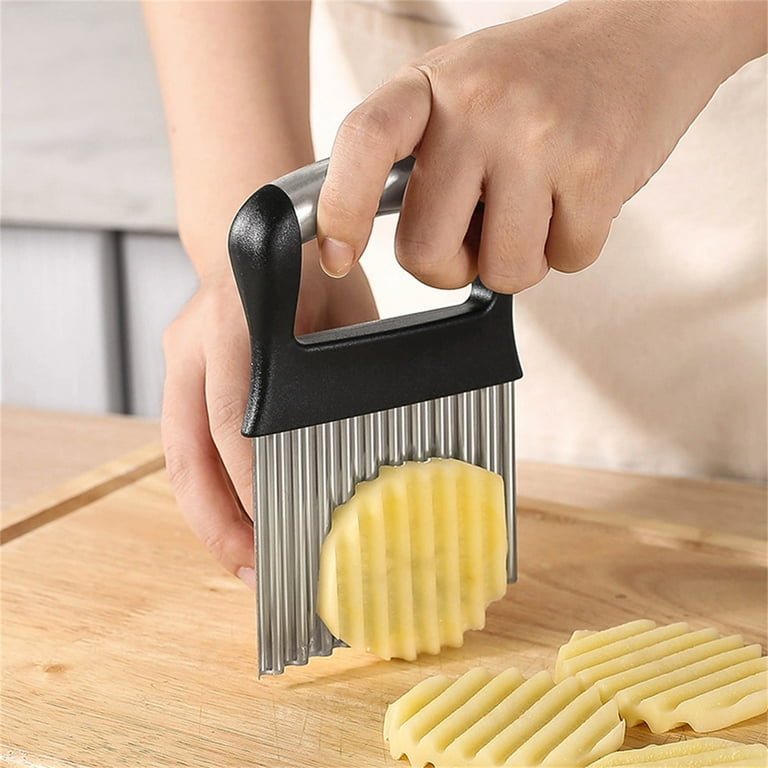
Credit: www.walmart.com
Preventing Rust And Damage
Preventing rust and damage on your crinkle cutter keeps it sharp and safe. Proper care extends the life of the blades and maintains cutting quality. Follow simple steps after cleaning to protect the metal parts. Avoid moisture and dirt buildup that cause corrosion and wear. A well-maintained cutter stays strong and reliable for every use.
Proper Storage
Store the crinkle cutter in a dry place after cleaning. Avoid leaving it in damp or humid areas. Use a blade cover or sheath to protect the edges. Keep it away from other metal tools to prevent scratches. A dedicated storage spot reduces damage and keeps the cutter ready for next use.
Oiling The Blades
Apply a light coat of food-safe oil on the blades regularly. This prevents rust and keeps the metal smooth. Use a soft cloth to spread the oil evenly over the blade surface. Oil the cutter after washing and drying it completely. Regular oiling helps maintain sharpness and protects against moisture damage.
Troubleshooting Common Issues
Troubleshooting common issues with your crinkle cutter helps keep it working well. Simple fixes save time and extend the cutter’s life. Some problems happen often but have easy solutions. The tips below address two frequent issues users face.
Removing Stubborn Food Residue
Food can get stuck in the blade’s grooves after cutting. Soaking the cutter in warm, soapy water softens the residue. Use a small brush or toothbrush to scrub gently between the blades. Avoid sharp tools that could damage the metal. Rinse the cutter thoroughly with clean water to remove all soap. Dry the cutter with a clean cloth to prevent rust.
Fixing Loose Blades
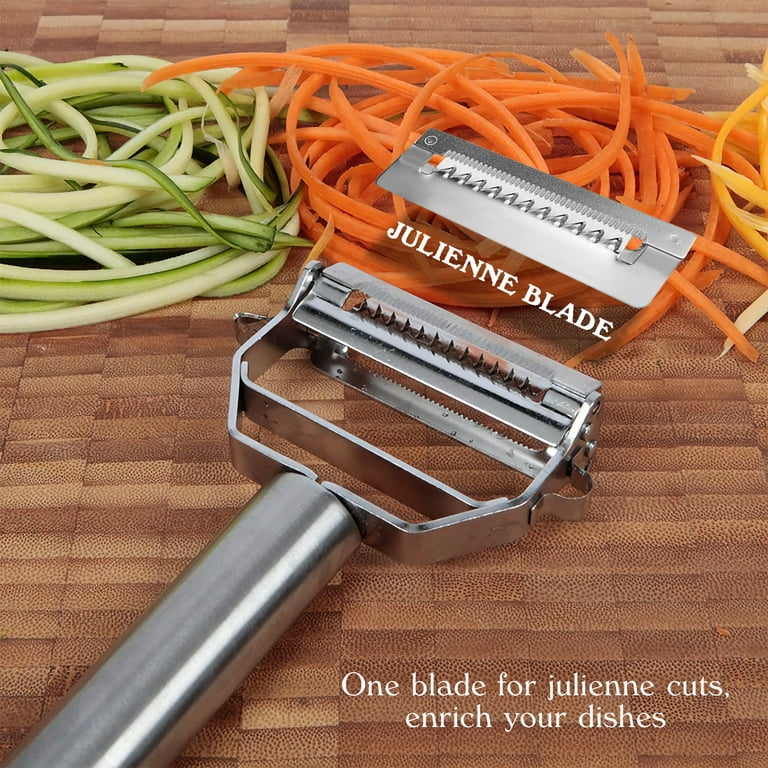
Loose blades make cutting unsafe and uneven. Check the screws or bolts holding the blades in place. Tighten them carefully using the right screwdriver or wrench. Avoid over-tightening, which can strip the threads or crack the frame. If any parts are damaged, replace them to keep the cutter stable. Regularly inspect your cutter to catch loose parts early.
Credit: www.ilcs.org
Tips For Longer Cutter Life
Extending the life of your crinkle cutter ensures it stays sharp and safe to use. Proper care protects the blade and maintains its cutting power. Simple habits can make a big difference in performance and durability.
Follow these tips to keep your crinkle cutter working well for years. Avoid damage and enjoy clean, crisp cuts every time.
Avoiding Harsh Chemicals
Harsh chemicals can corrode the metal blade and weaken the handle. Use mild dish soap and warm water for cleaning. Strong cleaners may cause rust or discoloration.
Never soak the cutter in bleach or abrasive solutions. These substances wear down the blade edges quickly. Hand wash only and dry immediately with a soft towel.
Regular Inspection
Check your crinkle cutter often for any signs of damage or wear. Look for bent blades or loose parts that affect cutting quality. Tighten screws or bolts as needed to keep parts secure.
Inspect the handle for cracks that could cause injury. Replace the cutter if the blade becomes dull beyond sharpening. Early care prevents bigger problems and keeps your cutter safe to use.
Credit: www.amazon.com
Frequently Asked Questions
How To Sharpen A Crinkle Cutter?
Use a sharpening stone or fine file to sharpen each blade edge carefully. Maintain the crinkle pattern while filing. Wipe clean after sharpening.
How To Clean A French Fry Cutter?
Disassemble the French fry cutter by unscrewing the blade frame. Wash all parts with warm, soapy water. Rinse thoroughly and dry completely. Sanitize the components before reassembling. Regular cleaning prevents residue buildup and ensures safe, efficient use.
How Do You Clean A Cutter Blade?
Clean a cutter blade by wiping it with warm, soapy water. Use a soft brush to remove debris. Rinse and dry thoroughly. Apply a light oil to prevent rust. Avoid dishwasher use to maintain sharpness and durability.
How To Clean A Clay Cutter?
Clean a clay cutter by washing it gently with lukewarm, soapy water. Avoid dishwashers. Air dry completely before storing. Handle carefully to maintain durability.
Conclusion
Cleaning your crinkle cutter keeps it sharp and safe to use. Wash it right after cutting to stop food from drying on the blade. Use warm, soapy water and a soft brush for best results. Dry the cutter well to avoid rust or damage.
Regular cleaning helps your cutter last longer and work better. Simple care makes your kitchen tasks easier every time. Keep your crinkle cutter ready for the next cooking adventure.

Hi, I’m Emma Carter, a passionate home cook with over 12 years of hands-on experience in home kitchens. I love testing kitchen tools, trying new recipes, and helping everyday cooks make smarter buying decisions. Every review and guide I write is based on real cooking experience, practical testing, and honest opinions, not marketing claims.