Safety Tips for Crinkle Cutter | Stay Safe While Slicing
Using a crinkle cutter can make your kitchen tasks easier and add a fun twist to your food presentation. But have you ever thought about the safety risks that come with handling this sharp tool?
If you want to avoid cuts and accidents while enjoying the benefits of your crinkle cutter, you need to follow some simple safety tips. You’ll discover easy-to-follow advice that will keep your fingers safe and your cooking experience stress-free. Ready to learn how to handle your crinkle cutter like a pro?
Keep reading and protect yourself every time you slice!
Best Crinkle Cutter Picks by Our Experts
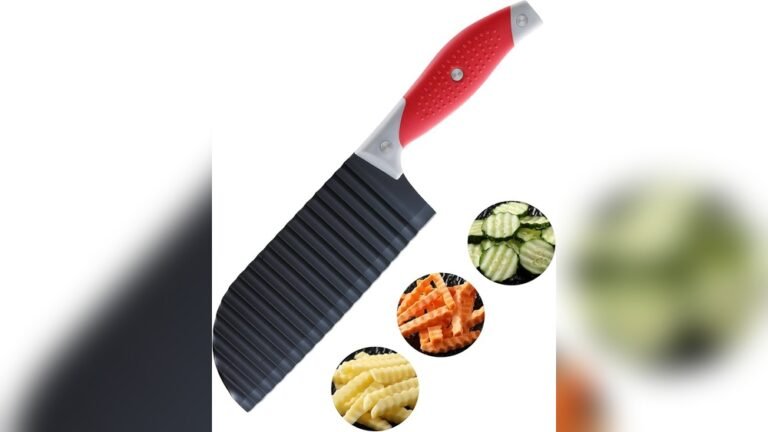
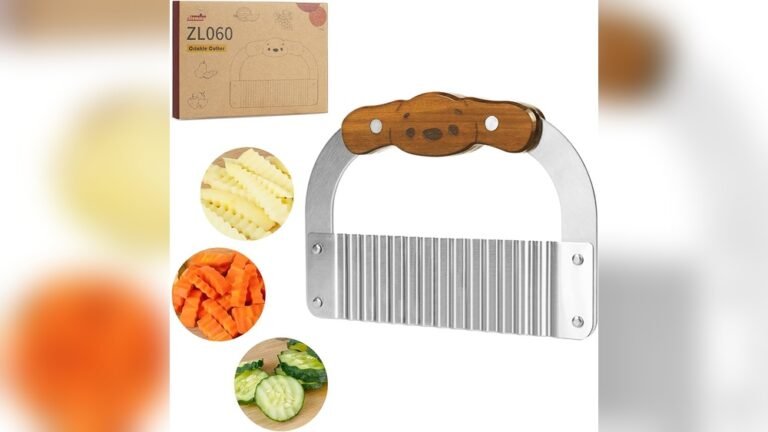
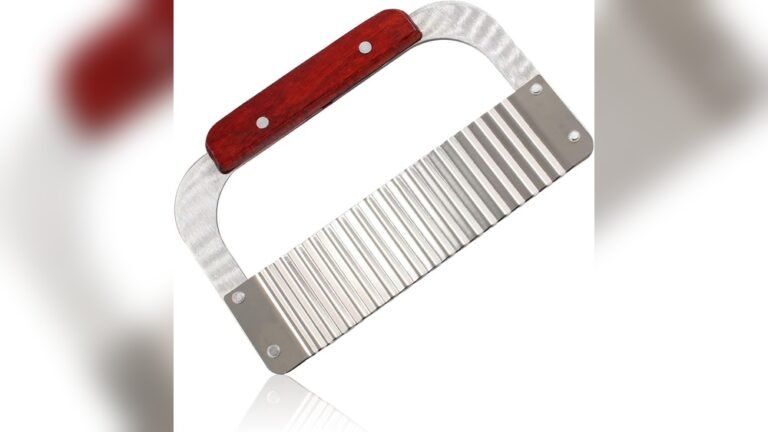
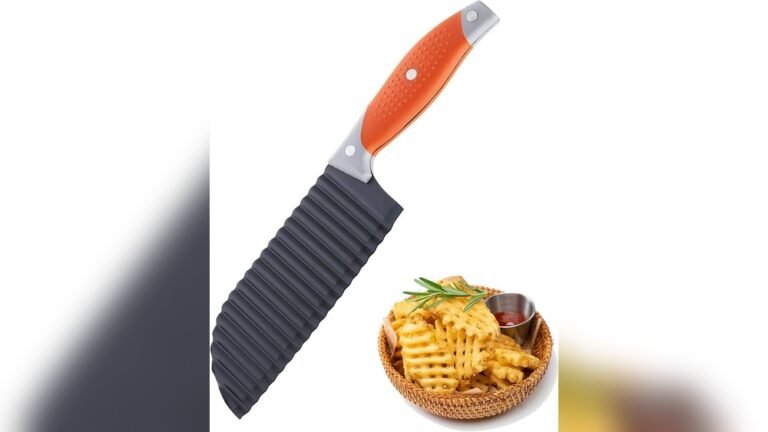
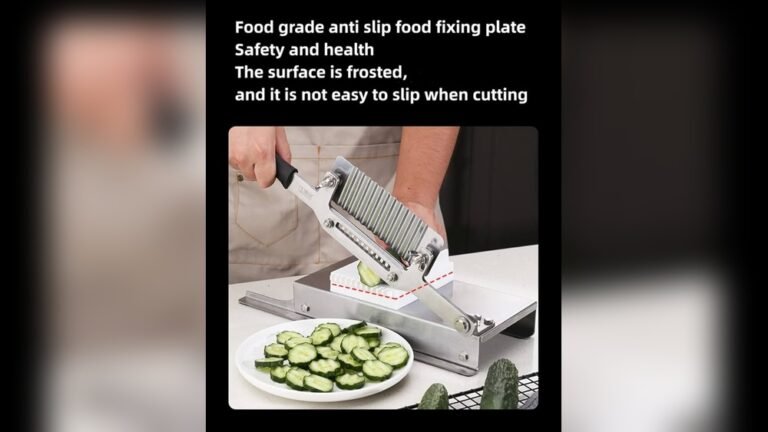
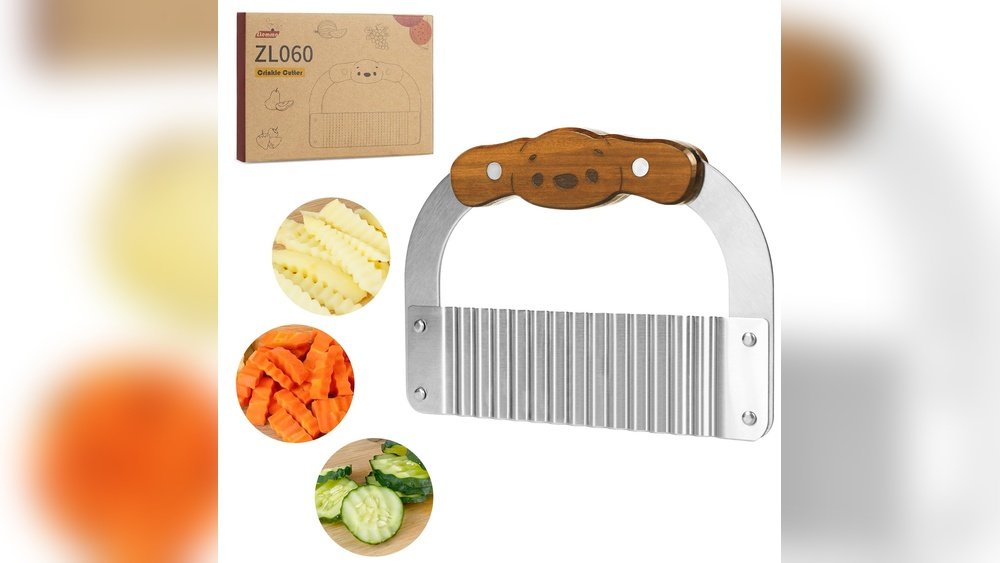
After testing dozens of kitchen tools, these are our favorite crinkle cutters for making waffle fries, crinkle-cut vegetables, and decorative garnishes. Click any product below to check today’s price on Amazon.
Choosing The Right Crinkle Cutter
Choosing the right crinkle cutter is important for safe and easy use. The right cutter feels good in your hand and works well for your cutting needs. It helps avoid accidents and makes cutting more efficient.
Focus on quality and comfort. These factors reduce the risk of slipping or cutting yourself. Below are key points to consider when selecting a crinkle cutter.
Blade Material And Sharpness
The blade should be made from strong, rust-resistant material like stainless steel. Sharp blades cut smoothly and need less force. Dull blades can slip and cause injuries. Check the blade sharpness before buying.
Handle Design And Grip
A handle with a non-slip grip is safer to use. Look for handles that fit comfortably in your hand. Soft or rubberized handles reduce hand fatigue and prevent slipping. Avoid hard or smooth handles that feel slippery.
Size And Shape Considerations
Choose a size that suits your hand and cutting tasks. A small cutter is easier to control but may be slow for large jobs. A larger cutter works faster but may be harder to hold. The shape should allow safe, steady cutting motions.
Preparing Your Workspace
Preparing your workspace is the first step to using a crinkle cutter safely. A well-organized area reduces accidents and improves control. Setting up properly helps you focus and handle the cutter with care. Follow these simple tips to make your workspace safe and efficient.
Clean And Stable Surface
Start with a clean workspace free of spills or crumbs. A stable surface keeps the crinkle cutter steady. Avoid slippery or uneven tables to prevent slips. Use a cutting board that does not move easily. This setup protects your hands and improves cutting accuracy.
Adequate Lighting
Good lighting helps you see the blade and food clearly. Bright light reduces mistakes and prevents injuries. Use natural light or a bright lamp near your workspace. Avoid shadows that hide the cutting edge. Clear visibility is key for safe cutting.
Clearing Clutter
Remove unnecessary items from your workspace. Clutter can cause distractions or accidental cuts. Keep only the crinkle cutter and food you need on the surface. This clears space and lowers the risk of accidents. A tidy area promotes safe and smooth cutting.
Personal Safety Gear
Personal safety gear is essential when using a crinkle cutter. It reduces the risk of cuts and injuries. Wearing the right gear helps you focus on your task with confidence. Safety gear acts as a barrier between you and the sharp blade. It protects your hands, eyes, and body from accidents. Using personal safety equipment is a smart and simple step for safer cutting.
Cut-resistant Gloves
Cut-resistant gloves protect your hands from sharp edges. They are made from materials like Kevlar or stainless steel mesh. These gloves allow you to grip the crinkle cutter firmly. Wearing them lowers the chance of accidental cuts. Always choose gloves that fit well and feel comfortable. Replace gloves if they show signs of wear or damage. Cut-resistant gloves are a must for safe cutting.
Protective Eyewear
Protective eyewear shields your eyes from flying debris. Small pieces of food or blade fragments can cause eye injuries. Safety glasses or goggles provide a clear view and full coverage. They prevent dust, juice, or splashes from reaching your eyes. Use eyewear made from strong, impact-resistant materials. Wearing protective eyewear keeps your eyes safe during cutting tasks.
Proper Clothing
Wear proper clothing to avoid loose fabric near the blade. Tight-fitting sleeves reduce the risk of catching on the crinkle cutter. Avoid jewelry or accessories that may get tangled. Use an apron to protect your clothes and skin. Closed-toe shoes protect your feet from dropped tools or food. Dressing correctly helps maintain focus and prevents accidents.
Credit: www.walmart.com
Safe Cutting Techniques
Using a crinkle cutter safely requires correct cutting techniques. These methods help prevent accidents and improve control. Focus on hand positioning, grip style, and pressure. Proper habits make your cutting tasks safer and easier.
Proper Hand Positioning
Place your non-cutting hand flat on the food. Keep fingers away from the blade’s path. Hold the crinkle cutter handle firmly with your other hand. This stance reduces the risk of slipping. It also helps guide the cutter in straight lines.
Using The Claw Grip
Bend your fingertips inward, forming a claw shape. This grip keeps fingertips tucked under and safe. Use your knuckles to guide the cutter’s edge. The claw grip gives better control and prevents cuts. Practice it to build confidence and safety.
Applying Even Pressure
Press down on the crinkle cutter gently but firmly. Avoid pushing too hard, which may cause slips. Keep pressure steady and consistent throughout the cut. Even pressure creates smooth, clean cuts. It also keeps the cutter stable and reduces accidents.
Handling And Maintenance
Proper handling and maintenance of your crinkle cutter ensures safety and extends its life. Treat the tool with care during use and cleaning. Regular upkeep prevents accidents caused by dull blades or improper storage.
Cleaning The Crinkle Cutter Safely
Always clean the crinkle cutter immediately after use. Use a soft brush or sponge to avoid cutting yourself. Avoid soaking the cutter in water for long periods. Dry the blade thoroughly to prevent rust. Keep fingers away from the sharp edges while cleaning.
Storing The Cutter Securely
Store the crinkle cutter in a safe, dry place. Use a blade cover or sheath to protect the edge. Keep it out of reach of children. Avoid placing the cutter loosely in drawers. Secure storage stops accidental cuts and blade damage.
Regular Blade Sharpening
Keep the blade sharp for safer cutting and better results. Use a proper sharpening tool made for crinkle cutters. Sharpen the blade slowly and evenly on both sides. Dull blades require more force and increase injury risk. Check the sharpness before each use.

Credit: www.amazon.com
Supervising Children With Crinkle Cutters
Supervising children while they use crinkle cutters is crucial for their safety. These tools have sharp edges that can cause injuries if not handled properly. Adults must guide kids to use crinkle cutters carefully. Teaching safe habits early helps prevent accidents. Setting clear rules in the kitchen creates a safer environment for young users.
Choosing Child-friendly Tools
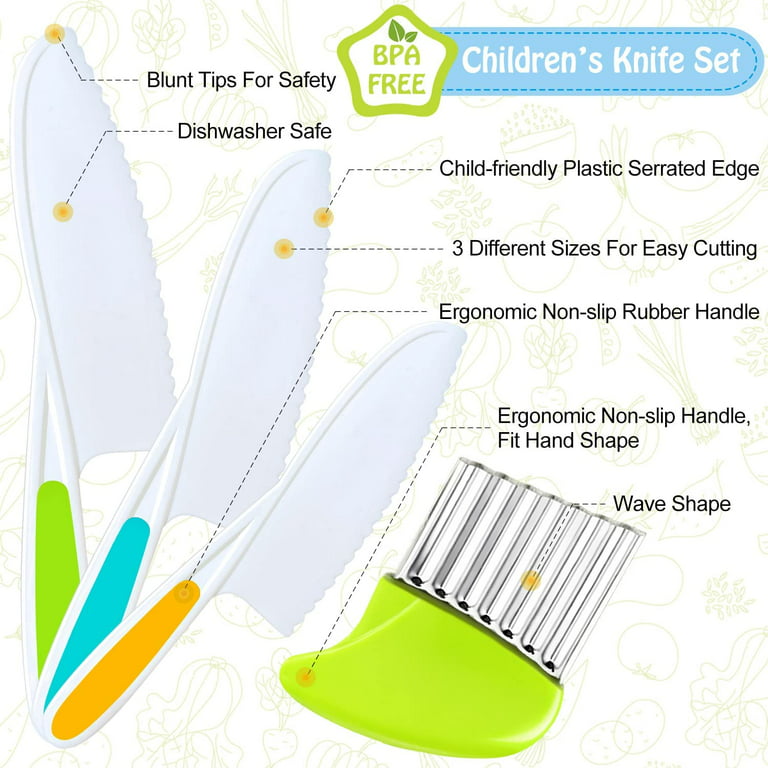
Select crinkle cutters designed for kids. These cutters usually have smaller blades and safer handles. Look for tools with rounded edges to reduce the risk of cuts. Choose cutters made from durable, non-toxic materials. Child-friendly tools make learning easier and safer for young chefs.
Teaching Safe Handling Habits
Show children how to hold crinkle cutters correctly. Teach them to always cut away from their bodies. Explain the importance of slow and careful movements. Encourage them to keep fingers clear of the blade. Reinforce washing hands and cleaning tools after use. Practice helps build good habits and confidence.
Setting Kitchen Boundaries
Designate a safe workspace for children to use crinkle cutters. Keep sharp tools out of reach when not in use. Set clear rules about when and how they can use cutters. Supervise closely, especially with younger kids. Create a calm, focused atmosphere to reduce distractions. Boundaries help children respect the tool’s danger and stay safe.
Common Mistakes To Avoid
Using a crinkle cutter can be fun and easy. Still, some common mistakes can cause injuries or damage the tool. Avoiding these errors will keep you safe and improve your cutting results. Pay close attention to what not to do when handling your crinkle cutter.
Using Dull Blades
Dull blades require more force to cut. This increases the chance of slipping and hurting yourself. Always check the blade sharpness before use. Replace or sharpen blades regularly. Sharp blades make cutting smoother and safer.
Cutting On Unstable Surfaces
An unstable surface causes the cutter to slip easily. Use a flat and solid cutting board. Ensure the board does not move during cutting. A stable surface gives better control and reduces accidents. Never cut on uneven or slippery counters.
Ignoring Safety Gear
Protective gear reduces the risk of cuts and injuries. Wear gloves made for handling sharp tools. Eye protection helps if small pieces fly off. Do not skip safety gear, even for quick tasks. Safety gear keeps you safe and confident while cutting.
Credit: spice.alibaba.com
Emergency Preparedness
Accidents can happen when using a crinkle cutter. Being ready for emergencies reduces harm and speeds recovery. Emergency preparedness means knowing how to handle injuries and having tools close by. This helps keep everyone safe in the kitchen.
First Aid For Cuts
Stop the bleeding by pressing a clean cloth on the cut. Wash the wound gently with water to remove dirt. Apply an antibiotic cream to prevent infection. Cover the cut with a sterile bandage or dressing. Change the bandage daily or if it gets wet or dirty.
When To Seek Medical Help
Get medical help if the cut is deep or won’t stop bleeding. Visit a doctor if you see signs of infection, like redness or swelling. Seek help if the cut was caused by a dirty or rusty blade. Also, go to the hospital if you cannot move the injured finger or hand.
Keeping A Safety Kit Nearby
Keep a first aid kit in the kitchen near your cutting tools. Include bandages, antiseptic wipes, antibiotic cream, and gloves. Add scissors, tweezers, and a cold pack for extra care. Check and restock the kit regularly to ensure everything is fresh. A ready kit helps you act fast in emergencies.
Frequently Asked Questions
What Are The Safety Precautions When Using Cutters?
Wear protective gloves and safety glasses. Use a stable cutting surface. Keep blades sharp and handle cutters carefully. Never apply excessive force. Store cutters safely after use.
What Are The 5 Knife Safety Rules?
1. Always cut away from your body to prevent injuries. 2. Keep knives sharp for safer, more efficient cutting. 3. Use a stable cutting surface to avoid slips. 4. Hold the knife securely with a proper grip. 5. Store knives safely, blade down and out of reach.
What Are The Safety Precautions For A Slicer?
Always use the food pusher or guard to feed items into the slicer. Turn off the slicer before cleaning or changing food. Wear cut-resistant gloves and keep the blade sharp. Maintain a stable, clean workstation to prevent slips and injuries.
What Are Three-three Safety Considerations When Using A Mandoline And Two-two Key Features Of A Mandoline?
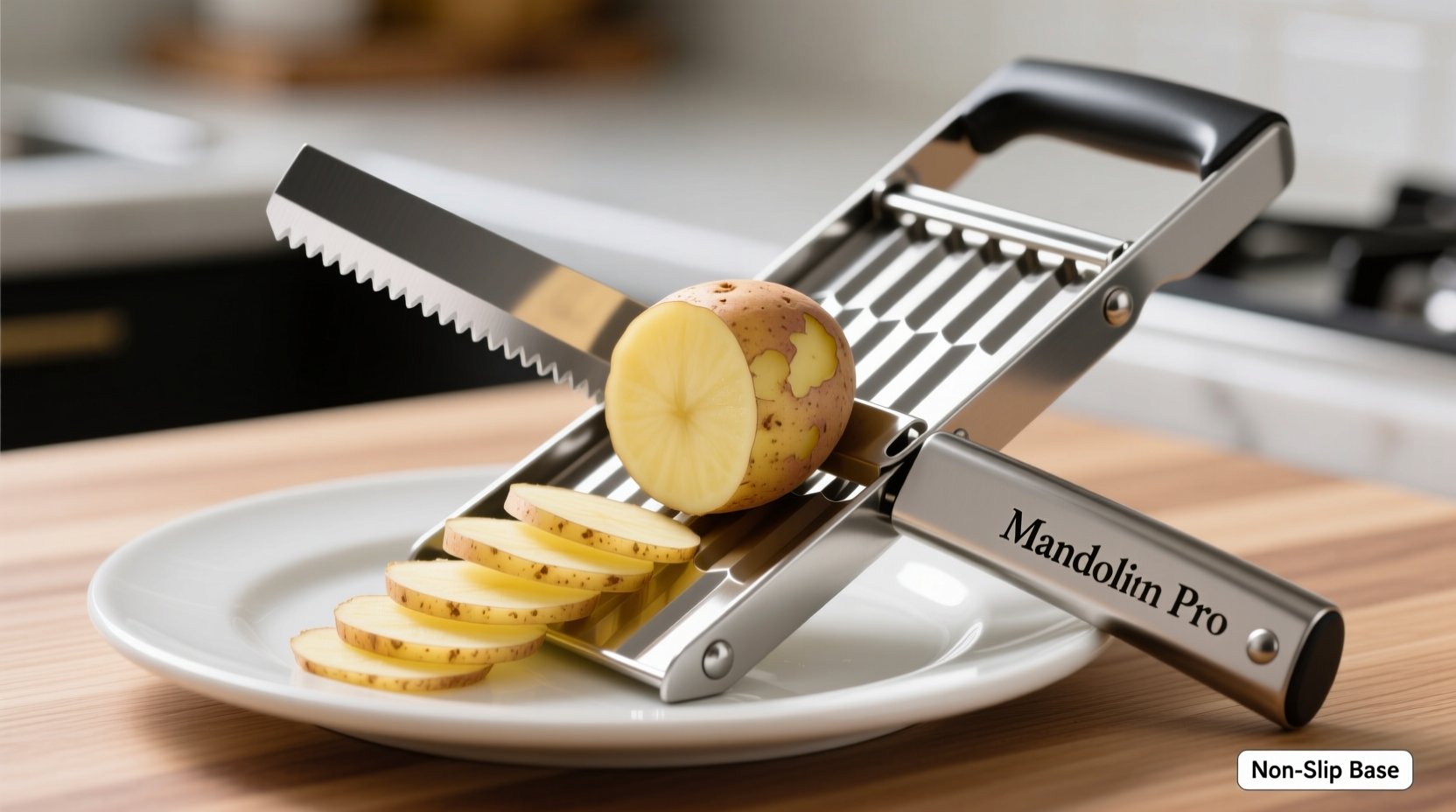
Three safety tips for mandoline use: always use the hand guard, slice on a stable surface, and apply even pressure. Two key features: adjustable blade thickness and a non-slip base for stability.
Conclusion
Using a crinkle cutter safely protects your fingers and hands from injury. Always hold the cutter firmly and use a stable surface to cut on. Keep the blade sharp to reduce slipping and cutting accidents. Wear cut-resistant gloves if you feel unsure or are new to using this tool.
Clean the cutter carefully, avoiding direct contact with the blade. Store it in a safe place away from children. Following these simple safety tips helps make your kitchen time safer and more enjoyable. Safety first—every time you use your crinkle cutter.
Hi, I’m Emma Carter, a passionate home cook with over 12 years of hands-on experience in home kitchens. I love testing kitchen tools, trying new recipes, and helping everyday cooks make smarter buying decisions. Every review and guide I write is based on real cooking experience, practical testing, and honest opinions, not marketing claims.