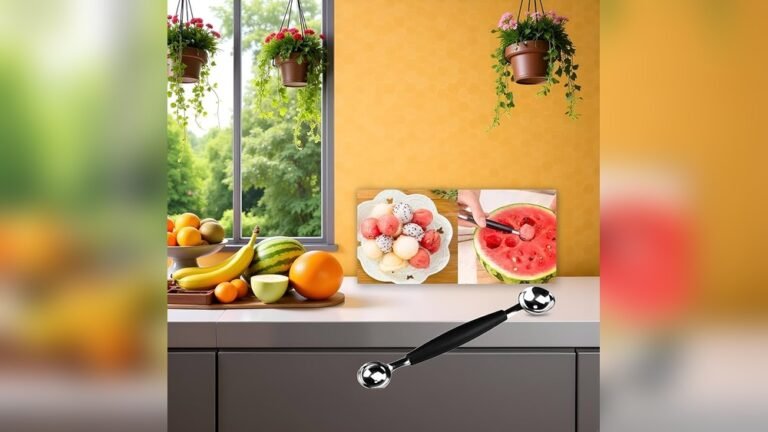
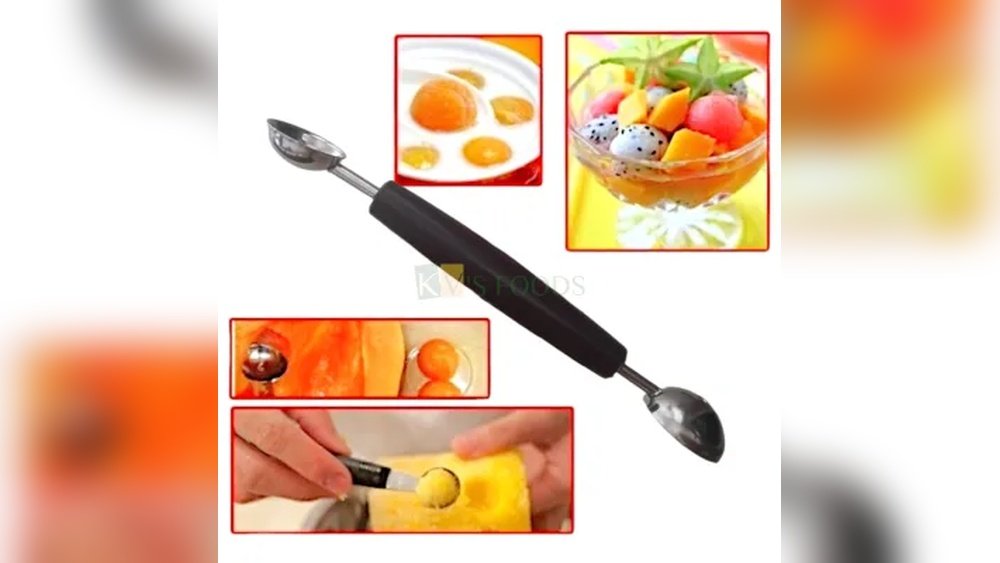
How to Store Fruit Baller Properly for Long-Lasting Use
You’ve just made perfect, juicy fruit balls with your baller, but now what? Leaving them out can quickly turn your delicious creation into a soggy, flavorless mess.
If you want your fruit baller results to stay fresh, vibrant, and ready to impress, knowing how to store them properly is key. In this guide, you’ll discover simple, effective tips to keep your melon balls and other fruit spheres fresh longer, whether you’re prepping for a party, meal prep, or a healthy snack.
Keep reading to unlock the secrets that will make your fruit baller work shine every time you use it!
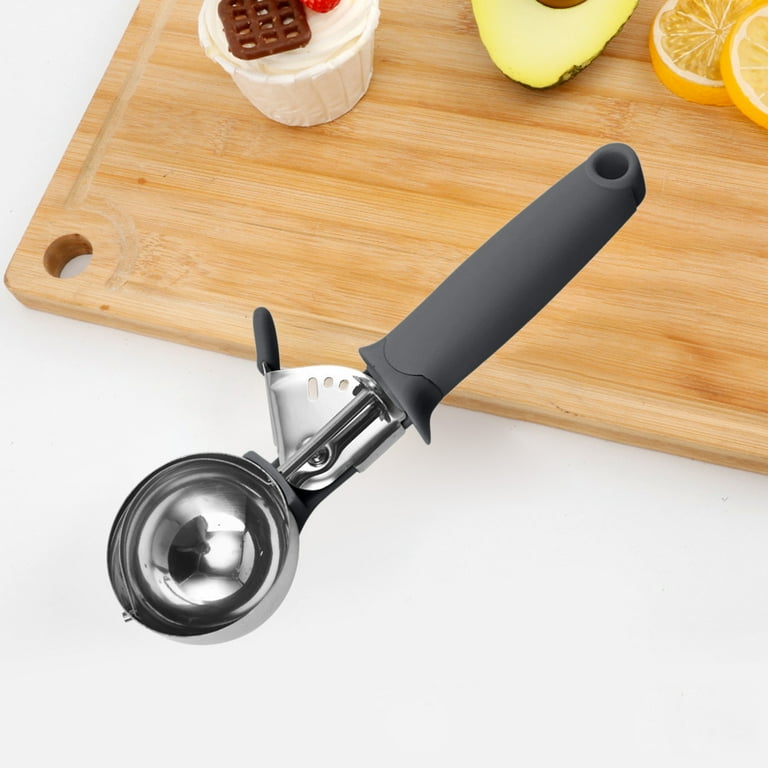
Credit: www.walmart.com
Choosing The Right Fruit
Choosing the right fruit is key for perfect fruit balls. The texture and firmness affect how well the fruit holds its shape. Some fruits are better suited for balling than others. Picking fresh and ripe fruit improves both taste and appearance. Preparing the fruit correctly helps the balls last longer and look great.
Best Fruits For Balling
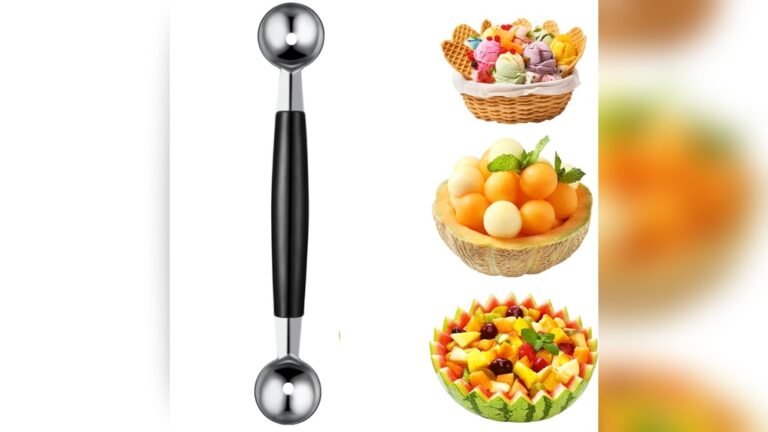
Melons like cantaloupe, honeydew, and watermelon work best. Their soft yet firm flesh shapes easily. Apples and pears are good if slightly firm. Mangoes also create nice, smooth balls. Pineapple is juicy and shapes well, too. Avoid fruits that are too soft or watery. Berries and grapes don’t hold shape well for balling.
Ripeness And Freshness Tips
Choose fruit that is ripe but not overripe. Overripe fruit can be mushy and hard to scoop. Under ripe fruit may be too firm and dry. Freshness matters to keep balls firm and tasty. Check for bruises or soft spots before balling. Use fruit soon after balling to keep freshness. Store balls in a cool place or refrigerator for best results.

Credit: yourpghlawyer.com
Preparing Fruit Balls
Creating perfect fruit balls starts with the right technique. Using a fruit baller correctly ensures clean, round shapes every time. Proper preparation keeps the fruit fresh and appealing. Follow simple steps to maintain the texture and appearance of fruit balls.
Using A Fruit Baller Correctly
Hold the fruit firmly on a stable surface. Press the fruit baller into the fruit with gentle pressure. Rotate the baller slightly to scoop out a clean ball. Avoid pressing too hard to prevent bruising. Use a small spoon to release the fruit ball carefully. Practice on softer fruits like melon or watermelon first.
Maintaining Shape And Texture
Store fruit balls in a shallow container to avoid crushing. Keep them chilled to maintain firmness and freshness. Cover the container with plastic wrap to prevent drying out. Use lemon juice to stop browning on fruits like apples or pears. Serve fruit balls soon after preparing for best taste and texture.
Storage Containers
Choosing the right storage container for your fruit baller is essential. It protects the tool and keeps it clean. Proper storage helps maintain its shape and sharpness. Using good containers also stops dust and moisture from damaging it. Consider the material and sealing ability when selecting a container.
Glass Vs Plastic Options
Glass containers are sturdy and do not absorb odors. They keep your fruit baller fresh and clean. Glass is easy to clean and does not scratch easily. Plastic containers are lightweight and less likely to break. They often come with locking lids for secure storage. However, plastic may stain or absorb smells over time. Choose based on your needs and where you store the baller.
Airtight Seal Importance
An airtight seal is key to preventing moisture and dust from entering. It keeps the fruit baller dry and rust-free. Airtight containers stop bacteria from growing on the tool. Look for containers with silicone or rubber seals for the best protection. This ensures your baller stays in top condition for longer. Always close the container tightly after use to maintain freshness.

Credit: islandboy.shop
Refrigeration Techniques
Storing fruit baller creations properly helps keep fruit fresh and tasty. Refrigeration is key to maintaining the shape and flavor of melon balls. The right techniques prevent spoilage and moisture damage. Follow these refrigeration tips for best results.
Ideal Temperature Settings
Set your refrigerator between 32°F and 40°F (0°C to 4°C). This range slows down fruit ripening and stops bacteria growth. Avoid freezing temperatures that can damage fruit texture. Keep fruit balls in a covered container to preserve freshness.
Avoiding Moisture Build-up
Moisture makes fruit balls soggy and speeds up spoilage. Use a container with ventilation or place paper towels inside to absorb excess water. Change paper towels daily to keep fruit dry. Store fruit balls separately from juicy fruits to reduce moisture transfer.
Freezing Fruit Balls
Freezing fruit balls is a smart way to save fresh fruit for longer. This method keeps the fruit’s flavor and texture intact. It allows you to enjoy fruit balls beyond their natural shelf life. Proper freezing prevents freezer burn and preserves their vibrant color.
Storing fruit balls in the freezer works well for many types of fruit. Melons, berries, and even kiwis freeze nicely. Freezing also makes it easy to prepare snacks or recipes ahead of time. Follow simple steps to freeze fruit balls correctly and keep them tasty.
Freezing Methods For Longevity
Start by laying fruit balls on a baking sheet. Make sure they do not touch each other. Place the sheet in the freezer for a few hours until the balls are firm. This step stops the fruit balls from sticking together.
Next, transfer the frozen fruit balls into an airtight container or freezer bag. Remove as much air as possible to avoid freezer burn. Label the container with the date for easy tracking. Store fruit balls in the coldest part of the freezer.
Thawing Without Losing Freshness
Thaw fruit balls slowly in the refrigerator for best results. This keeps their texture firm and natural. Avoid thawing at room temperature to prevent sogginess. Use thawed fruit balls within a day for maximum freshness.
For quick use, add frozen fruit balls directly to smoothies or cold drinks. This way, they stay firm and add chill without losing flavor. Proper thawing helps keep fruit balls fresh and delicious.
Preventing Browning And Spoilage
Preventing browning and spoilage is key to keeping fruit baller creations fresh and tasty. Fruit balls bruise and turn brown quickly due to exposure to air. Proper storage slows down this process and keeps fruits looking vibrant. Using simple methods helps maintain freshness and flavor for longer.
Natural Preservatives To Use
Lemon juice is a popular natural preservative. Its acid stops fruits from turning brown. Lightly brush or toss fruit balls in lemon juice before storing. Another option is pineapple juice, which also helps prevent oxidation. Honey mixed with water creates a gentle syrup to coat fruits. These natural ingredients keep the fruit fresh without adding harsh chemicals.
Quick Tips For Extended Freshness
Store fruit balls in an airtight container to reduce air contact. Chill them in the refrigerator to slow down spoilage. Avoid stacking fruit balls tightly to prevent bruising. Place a paper towel at the bottom of the container to absorb excess moisture. Use the fruit balls within 1-2 days for best taste and texture.
Serving And Presentation
Serving and presenting fruit balls beautifully enhances any dish or party spread. The fresh, round shapes add a playful and elegant touch to fruit salads, desserts, or appetizers. Proper display keeps fruit balls appetizing and inviting.
Arranging fruit balls with care shows attention to detail. It also helps maintain freshness and texture. Use simple tricks to keep fruit balls looking their best for longer periods.
Keeping Fruit Balls Fresh On Display
Place fruit balls in a shallow dish or bowl. Cover them loosely with plastic wrap to keep moisture in. Keep the dish in a cool place or refrigerator until serving time. Avoid stacking fruit balls too high; this prevents crushing.
Sprinkle a little lemon or lime juice over fruit balls. This slows browning and keeps colors bright. Use ice packs or chilled trays under the serving dish. It helps maintain the cold temperature without direct contact with ice.
Creative Platter Ideas
Use colorful, contrasting fruits to make eye-catching platters. Arrange fruit balls in patterns or shapes, like circles or spirals. Add fresh mint leaves or edible flowers for extra color and freshness.
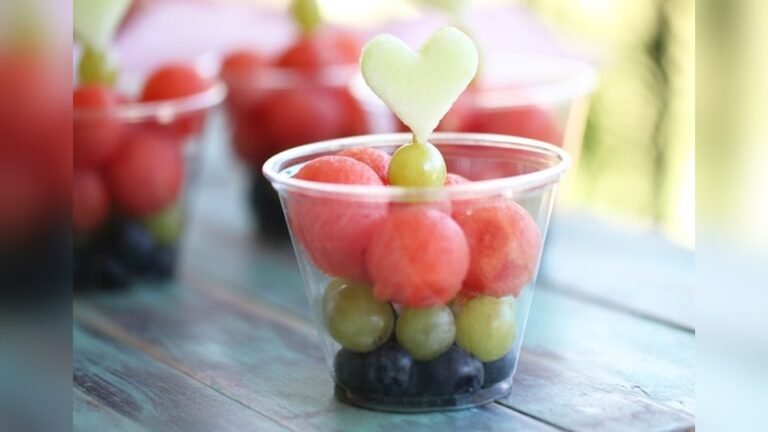
Serve fruit balls with dips like yogurt, honey, or chocolate sauce. Use small skewers or toothpicks to make bite-sized fruit ball snacks. Layer fruit balls with cubes of cheese or nuts for variety and texture.
Cleaning And Maintaining Your Fruit Baller
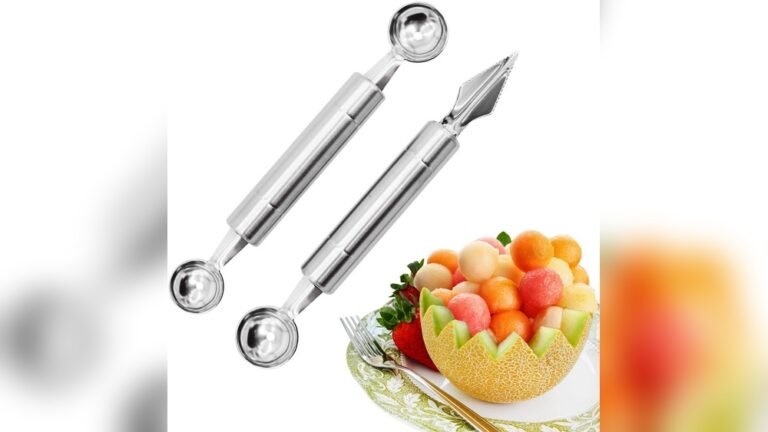
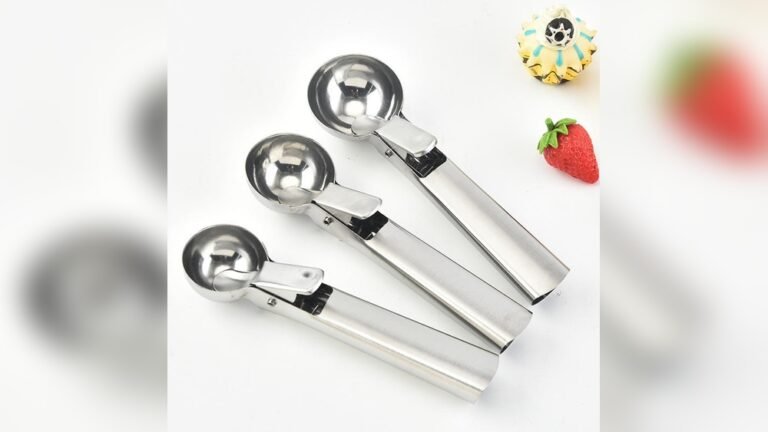
Keeping your fruit baller clean and well-maintained ensures it lasts longer and works better. Dirt and fruit residue can cause rust or dull the edges. Regular cleaning and proper storage protect your tool and keep it ready for use.
Proper Washing Techniques
Rinse the fruit baller under warm water right after use. Use mild dish soap and a soft sponge to clean it gently. Avoid abrasive scrubbers that can scratch the surface. Pay attention to the small scoop area to remove all fruit bits. Dry the tool thoroughly with a clean towel to prevent rust. For extra care, hand wash instead of using a dishwasher.
Storage Tips For The Tool
Store your fruit baller in a dry place to avoid moisture buildup. Use a protective cover or a small container to keep it safe from dust and damage. Avoid placing heavy items on top of it to prevent bending or breaking. Keep it separate from other utensils with sharp edges. Proper storage maintains its shape and sharpness for perfect fruit balls every time.
Frequently Asked Questions
What’s The Best Way To Store Melon Balls?
Store melon balls in an airtight container. Refrigerate to keep them fresh for up to 3-4 days. Avoid excess moisture.
Where To Store Fruit Bowls?
Store fruit bowls in a cool, dry place for whole fruit. Refrigerate cut or sliced fruits in airtight containers to keep them fresh longer.
Does A Fruit Basket Need To Be Refrigerated?
A fruit basket with whole fruits does not need refrigeration. Refrigerate cut or sliced fruits to keep them fresh longer.
Is It Better To Store Watermelon In Glass Or Plastic?
Store cut watermelon in an airtight glass container in the fridge. Glass keeps it fresher and prevents odors better than plastic.
Conclusion
Proper storage keeps your fruit baller clean and ready to use. Always dry it completely after washing to avoid rust or damage. Store it in a dry, safe place away from moisture. Using a protective cover helps prevent scratches and prolongs its life.
Following these simple steps makes your fruit baller last longer. Enjoy fresh, perfectly shaped fruit anytime with ease. Simple care ensures your kitchen tool stays in top condition. Keep it handy, and your fruit presentations will look great every time.
Hi, I’m Emma Carter, a passionate home cook with over 12 years of hands-on experience in home kitchens. I love testing kitchen tools, trying new recipes, and helping everyday cooks make smarter buying decisions. Every review and guide I write is based on real cooking experience, practical testing, and honest opinions, not marketing claims.