Size Guide Fruit Baller to Find Perfect Fit Easily
Are you wondering which size fruit baller is right for your kitchen needs? Choosing the perfect fruit baller size can make all the difference when it comes to creating beautifully shaped fruit spheres for salads, desserts, or garnishes.
Whether you want small, delicate balls or larger, hearty scoops, understanding the size guide for fruit ballers helps you get consistent results every time. In this guide, you’ll discover how different sizes work, why they matter, and how to pick the ideal fruit baller that fits your style and recipes.
Keep reading to find out how to elevate your fruit presentation with the right tool!

Credit: woxer.com
Fruit Baller Sizes
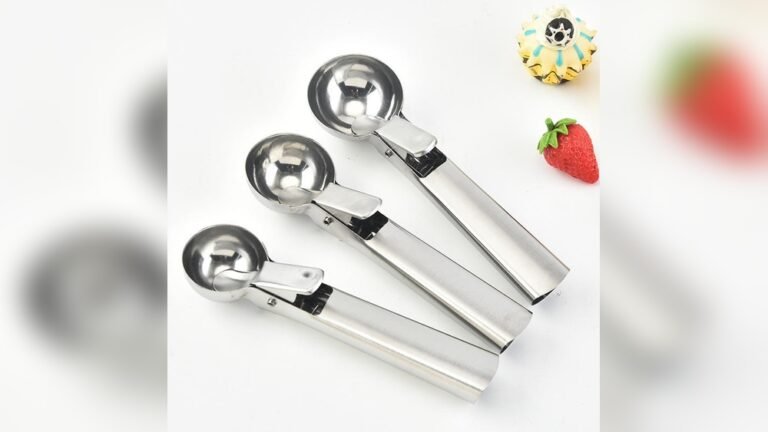
Choosing the right fruit baller size makes a big difference in your kitchen. Fruit ballers come in several sizes to suit different fruits and recipes. Understanding these sizes helps you pick the best tool for your needs. Below, explore the common diameter options, volume measurements, and double-ended ballers for more flexibility.
Common Diameter Options
Fruit ballers usually have diameters between 1/2 inch and 1 inch. Smaller sizes, around 1/2 inch, work well for grapes and berries. Medium sizes, about 3/4 inch, fit melons and larger fruits. Larger ballers, close to 1 inch, create big, attractive fruit balls. Select a size that matches your fruit for easy scooping.
Volume Measurements
Some fruit ballers list volume instead of diameter. Common volumes range from 5 to 15 milliliters. Smaller volumes give tiny fruit balls for garnishes. Larger volumes produce hearty portions for salads or desserts. Knowing the volume helps control serving sizes and portion consistency.
Double-ended Ballers
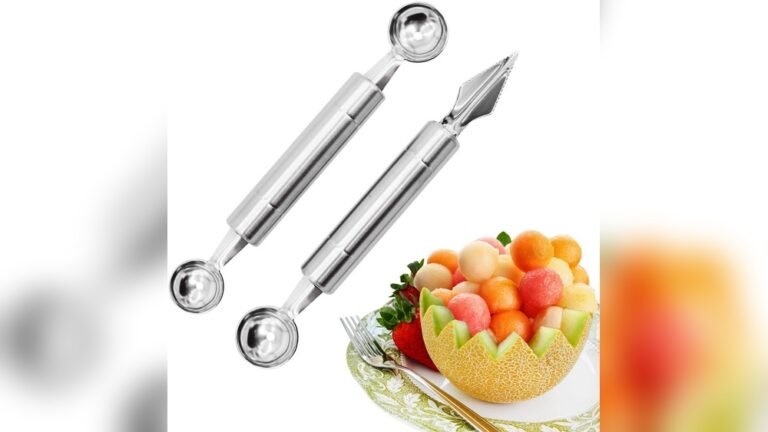
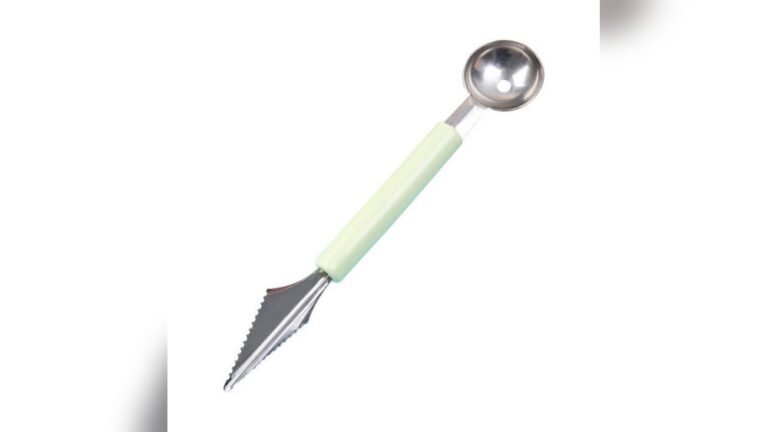
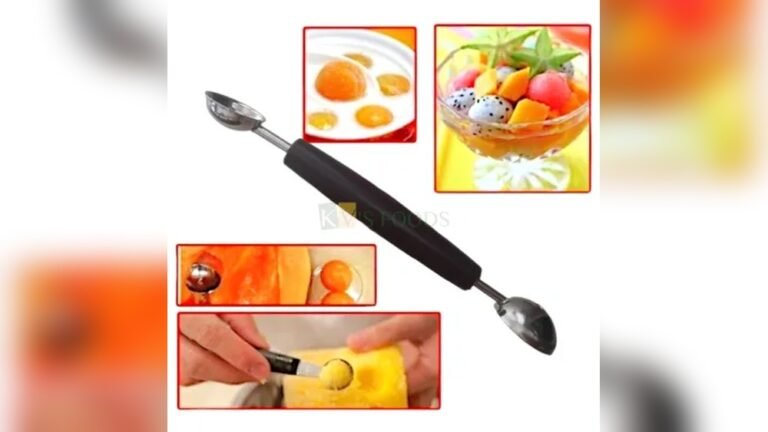
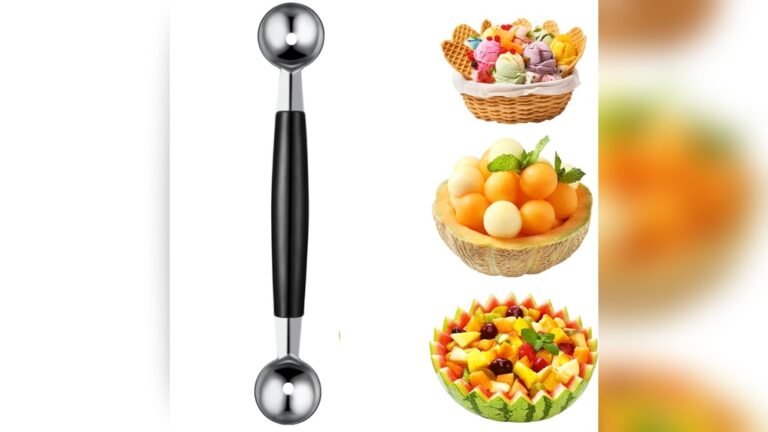
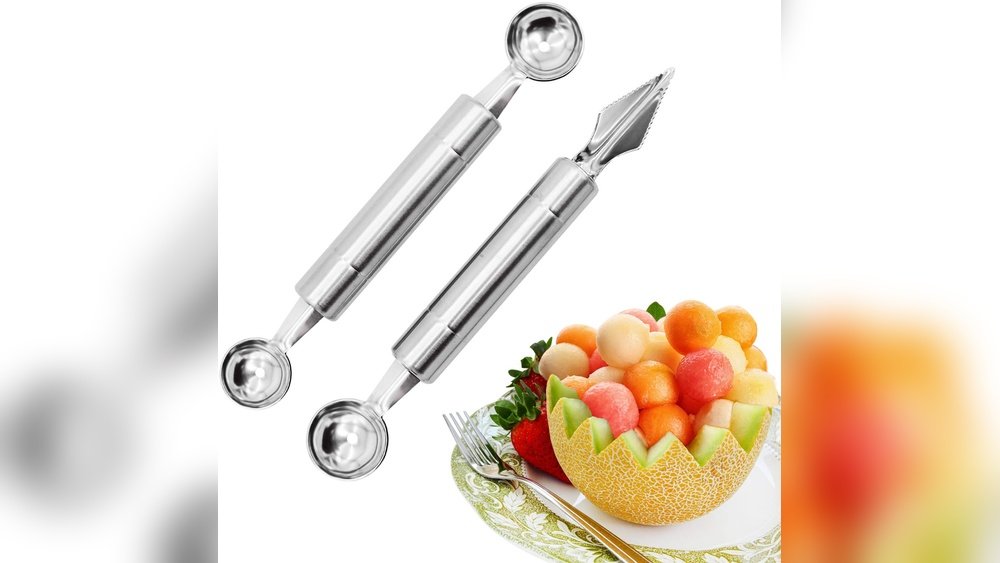
Double-ended fruit ballers offer two scoop sizes in one tool. One end usually has a smaller diameter, the other larger. This design saves space and adds convenience. It suits cooks who work with many fruit types or want size variety. Double-ended ballers deliver versatility without extra tools.

Credit: magicnailspaparma.com
Choosing The Right Size
Choosing the right size of a fruit baller is important for both function and style. The perfect scoop size makes fruit preparation easier and more enjoyable. It also helps create a consistent look that enhances any dish. Size affects the type of fruit you can scoop, the portion you serve, and how your presentation appears.
Matching Scoop Size To Fruit Type
Different fruits need different scoop sizes. Small fruits like strawberries or kiwis work well with smaller scoops. Larger fruits like melons or papayas require bigger scoops. Using the right size prevents waste and keeps fruit intact. It also makes scooping faster and less messy.
Portion Control Benefits
Choosing the correct size helps control portions easily. Uniform fruit balls look neat and serve consistent amounts. This is great for recipes and parties where exact servings matter. Portion control helps reduce food waste and supports healthy eating habits.
Presentation And Aesthetics
The size of fruit balls affects how your dish looks. Small, uniform spheres create a delicate, elegant appearance. Larger balls give a bold and playful feel. Matching scoop size to your style enhances the visual appeal. Beautiful fruit balls can make any meal more inviting.
Material And Design
The material and design of a fruit baller greatly affect its performance and comfort. Choosing the right combination can make fruit preparation easier and more enjoyable. Good materials ensure the tool lasts long and stays safe for food use. Thoughtful design helps with grip and control, especially during repetitive scooping.
Stainless Steel Vs Plastic Handles
Stainless steel scooping heads are common for fruit ballers. They resist rust and hold sharp edges longer. Handles come in stainless steel or plastic. Plastic handles usually weigh less and feel warmer in hand. Stainless steel handles look sleek and last longer but may feel cold. Both types can be strong; choose based on your comfort and style preference.
Ergonomic Features
Ergonomic design reduces hand fatigue during use. Look for handles with soft grips or rubber coatings. Curved shapes fit the hand naturally. Some fruit ballers have wide handles to spread pressure evenly. A balanced weight also helps control the tool better. These features matter for frequent use or large quantities of fruit.
Durability And Maintenance
Durability depends on the quality of materials and build. Stainless steel parts resist bending and corrosion. Plastic handles may crack or wear over time if low quality. Clean your fruit baller after each use to keep it in good shape. Most stainless steel ballers are dishwasher safe. Dry well to prevent water spots and rust. Proper care extends the tool’s life and keeps it hygienic.

Credit: www.liftingitalia.com
Creative Uses
The fruit baller is a handy kitchen tool with many creative uses. It helps make neat, round shapes from various foods. This adds style and fun to your dishes.
Using a fruit baller is not limited to melons. It can be used in many ways to prepare and serve food. Small scoops can also work as ballers for different ingredients. Portioning desserts and snacks becomes easier and looks great with this tool.
Beyond Melons: Versatile Applications
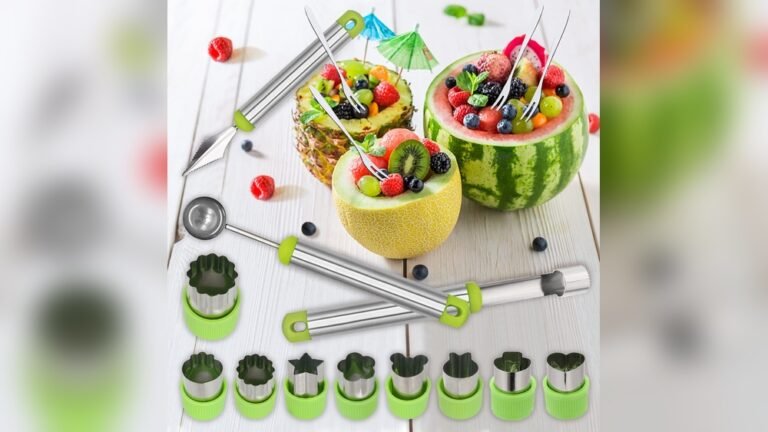
Fruit ballers are perfect for scooping fruits like watermelon, cantaloupe, and honeydew. They also work well with vegetables such as cucumber and zucchini. You can create attractive salads or garnishes. The round shapes improve presentation and make eating more enjoyable.
Using Small Scoops As Ballers
Small cookie scoops can replace fruit ballers. They help shape ice cream, sorbet, and mashed potatoes. Meatballs and cookie dough also form nicely with small scoops. This tool is great for making consistent, even portions in cooking and baking.
Portioning Desserts And Snacks
Fruit ballers help portion desserts like mousse, pudding, and gelato. Snacks such as cheese balls and bite-sized treats also benefit. The tool ensures equal sizes, making serving simple and neat. This adds a professional touch to homemade dishes.
Buying Tips
Buying a fruit baller can make preparing fruits fun and easy. Choosing the right one matters for good results. Consider quality, price, and size options before buying. These tips help you find the best fruit baller for your kitchen.
Where To Find Quality Ballers
Check kitchenware stores or online marketplaces for fruit ballers. Look for stainless steel models with sturdy handles. Read customer reviews to learn about durability and ease of use. Avoid plastic-only options as they may break easily. Trusted brands often offer better build and lasting performance.
Price Ranges And Value
Fruit ballers range from budget to premium prices. Basic models cost less but may wear out quickly. Mid-range ballers offer better materials and comfort. High-end options have ergonomic handles and multiple sizes. Choose one that fits your budget and cooking needs for good value.
Set Vs Single Scoops
Single scoop ballers focus on one size. They are simple and often cheaper. Sets include multiple scoops in different sizes. Sets offer more flexibility for various fruits and recipes. Think about what fruits you prepare often before deciding. A set suits those who want more options in the kitchen.
Diy Fruit Baller Guide
Creating your own fruit baller can be a fun and cost-effective project. This DIY Fruit Baller Guide will help you make simple and useful fruit scoops at home. Making these tools allows you to customize the size to your needs and enjoy fresh fruit balls in your dishes.
Making Your Own Fruit Scoops
Fruit scoops shape fruit into small, round balls for salads or desserts. You can craft these using easy materials. The process is straightforward and does not require special skills.
Materials Needed
- Metal spoon or small round cookie cutter
- Sharp knife
- Sandpaper or file
- Strong handle like a wooden stick or plastic rod
- Super glue or strong adhesive
- Protective gloves
Step-by-step Instructions
- Choose a metal spoon or cookie cutter with a round edge.
- Use a knife to shape the edge into a smooth, round scoop.
- File the edges carefully to avoid sharp points.
- Attach the shaped scoop to a sturdy handle using glue.
- Allow the glue to dry completely before use.
- Test the scoop by making fruit balls from soft fruits.
Frequently Asked Questions
Do Melon Ballers Come In Different Sizes?
Yes, melon ballers come in different sizes, typically ranging from small to large scoops for varied sphere sizes.
Can You Use A Small Cookie Scoop As A Melon Baller?
Yes, a small cookie scoop can work as a melon baller. It creates rounded fruit balls but may vary in size.
How Many Ounces Is A Melon Baller?
A typical melon baller holds about 1 to 2 tablespoons, which equals 0. 5 to 1 ounce of fruit. Sizes vary by model.
What Is The Measurement Of A Melon Baller?
A melon baller typically measures between 1 to 1. 5 inches in diameter. Some models offer dual sizes for versatility.
Conclusion
Choosing the right fruit baller size makes food preparation easier and neater. Smaller sizes create delicate spheres, while larger ones work well for bigger fruits. Using the correct size helps maintain consistency in presentation. Fruit ballers come in various materials, mostly stainless steel with comfortable handles.
Keep your needs in mind when selecting a fruit baller for your kitchen. This simple tool adds a touch of elegance to your dishes. Experiment with different sizes to find what fits you best.
Hi, I’m Emma Carter, a passionate home cook with over 12 years of hands-on experience in home kitchens. I love testing kitchen tools, trying new recipes, and helping everyday cooks make smarter buying decisions. Every review and guide I write is based on real cooking experience, practical testing, and honest opinions, not marketing claims.