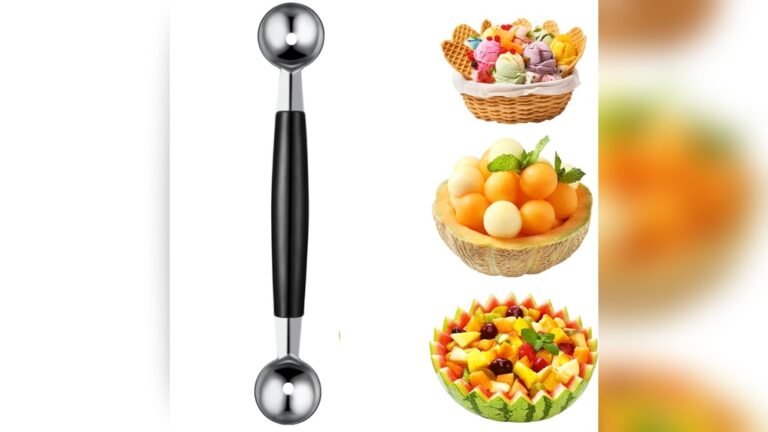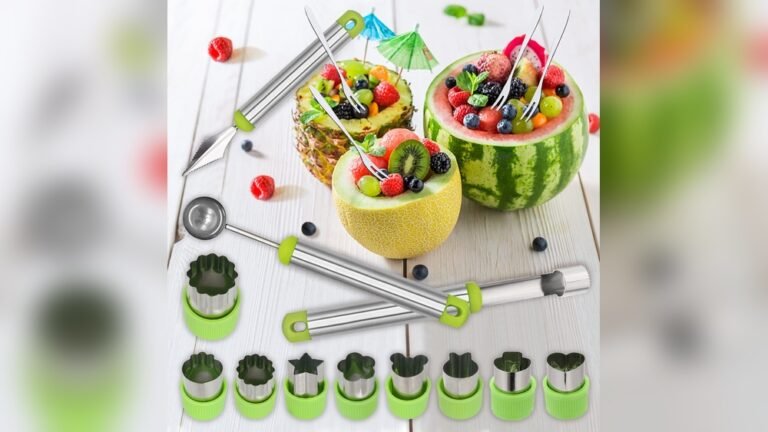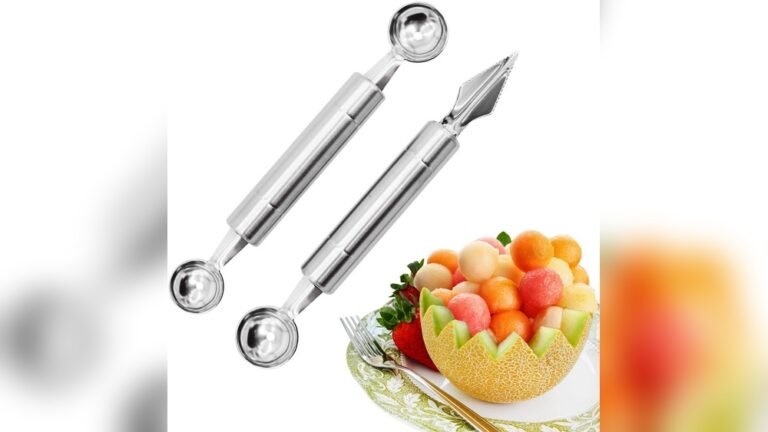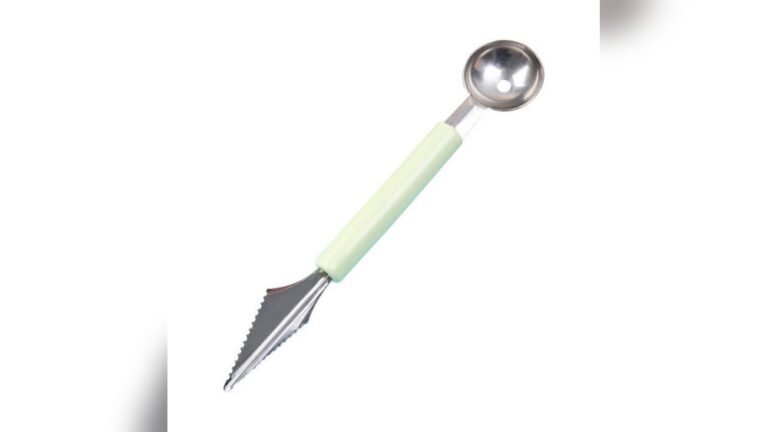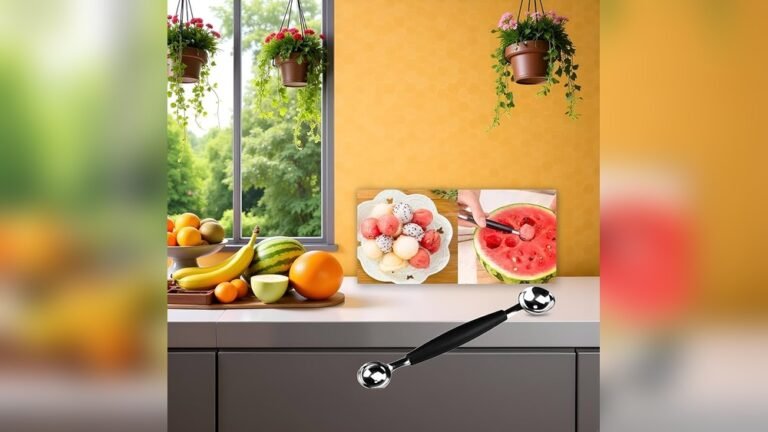
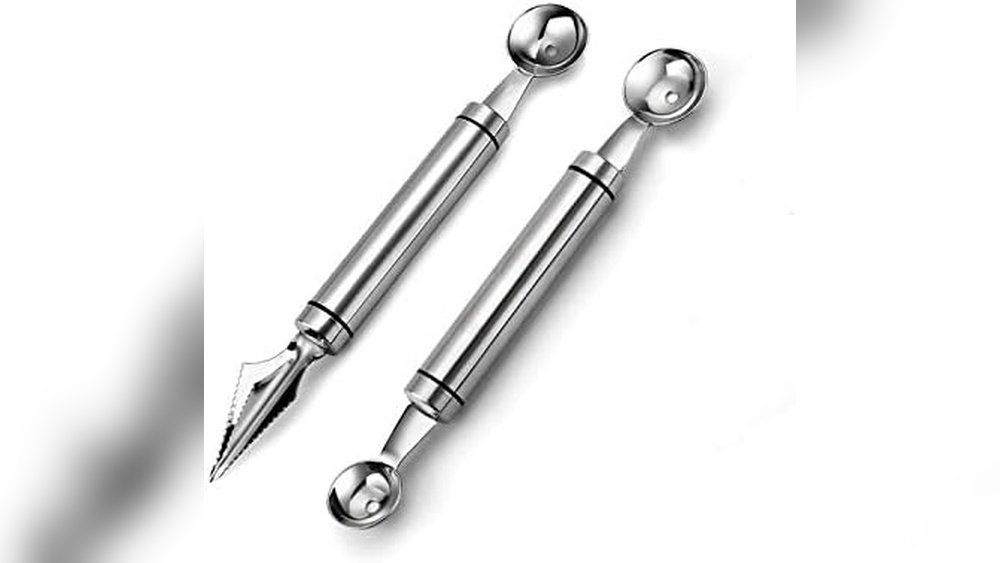
Fruit Baller Maintenance Tips to Keep It Sharp & Durable
If you love creating beautiful fruit presentations or enjoy perfectly shaped melon balls in your salads and desserts, then your fruit baller is an essential tool. But to keep it working smoothly and looking like new, you need to take good care of it.
You might not realize it, but simple maintenance steps can make a huge difference in the performance and lifespan of your fruit baller. You’ll discover easy and practical tips to clean, store, and maintain your fruit baller so you can enjoy flawless fruit scoops every time.
Keep reading to learn how to protect your kitchen favorite and make fruit preparation a breeze!

Credit: craftedbarware.com
Choosing The Right Fruit Baller
Choosing the right fruit baller affects both ease of use and the quality of your fruit presentation. A well-selected fruit baller lasts longer and works better. Consider material, size, and design before making a choice. These factors help maintain the tool and enjoy perfect fruit balls every time.
Material Types
Fruit ballers come in stainless steel, plastic, and silicone. Stainless steel is strong and resists rust. Plastic models are lightweight and budget-friendly. Silicone handles add comfort and grip. Pick a material that suits your use and cleaning habits. Durable materials require less maintenance and last longer.
Size Variations
Fruit ballers have different scoop sizes. Small scoops create delicate, bite-sized balls. Large scoops work for bigger fruits like melons. Choose a size that matches your cooking style. Some sets include multiple sizes for versatility. Using the right size reduces wear and makes cleaning easier.
Ergonomic Design
Comfort matters during use. Ergonomic handles reduce hand fatigue. Look for ballers with non-slip grips. A well-balanced tool feels steady in your hand. Good design also helps in cleaning. Ergonomic fruit ballers make scooping smooth and enjoyable.
Cleaning Techniques
Keeping your fruit baller clean is essential for its performance and hygiene. Proper cleaning techniques prevent fruit residue buildup and extend the tool’s life. Regular cleaning also ensures better taste and safety for your fresh fruit servings.
Hand Washing Tips
Use warm water and mild dish soap to wash your fruit baller. Gently scrub with a soft sponge or brush. Avoid abrasive materials that can scratch the surface. Rinse thoroughly to remove all soap. Dry the tool completely with a clean towel to prevent rust.
Dishwasher Safety
Check if your fruit baller is dishwasher safe before placing it inside. Use the top rack for better protection. Avoid high heat drying cycles to preserve the tool’s finish. Remove the fruit baller promptly after washing. This reduces water spots and potential damage.
Removing Stubborn Residue
Soak the fruit baller in warm soapy water for 10-15 minutes. Use a soft brush or toothbrush to scrub away stuck-on fruit bits. For tough stains, try a paste of baking soda and water. Rinse well and dry immediately. This keeps the tool clean and ready for your next use.
Proper Storage
Proper storage keeps your fruit baller in top shape for longer use. Storing it correctly prevents damage and maintains its sharpness. A well-stored fruit baller works smoothly every time you need it. Follow these simple steps to store your tool safely and cleanly.
Drying Before Storage
Always dry the fruit baller completely before storing. Moisture causes rust and weakens the metal. Use a soft cloth to wipe off all water. Let it air dry for a few minutes if needed. Never store it while still damp or wet.
Avoiding Rust And Corrosion
Rust can ruin the metal surface of your fruit baller. Keep it away from humid or wet places. Apply a thin layer of food-safe oil on the metal parts after drying. This creates a protective barrier against rust. Regularly check for any signs of corrosion to act early.
Safe Storage Locations
Store the fruit baller in a dry, cool place. Avoid leaving it near the sink or stove. Use a drawer organizer or a dedicated container to protect it from scratches. Keep it out of reach of children for safety. Proper placement prevents damage and keeps it ready for use.
:max_bytes(150000):strip_icc()/alr-roundup-watermelon-tools-tout-27a74335588e4dd6bb1ccf1f88b7a270.jpg)
Credit: www.allrecipes.com
Sharpening And Maintenance
Keeping your fruit baller sharp improves its performance and safety. Regular sharpening and proper maintenance extend its life. Dull edges make scooping fruits hard and uneven. Sharp tools give clean, smooth fruit balls with less effort.
When To Sharpen
Sharpen your fruit baller when it feels dull or struggles to cut fruit. If it slips or crushes fruit instead of slicing cleanly, it needs sharpening. Check the edges every few uses. Early sharpening prevents damage and keeps it effective.
Tools For Sharpening
Use a small sharpening stone or fine-grit sandpaper for best results. A ceramic sharpening rod also works well. Avoid large or coarse tools that can damage the delicate edge. Keep the tool clean and dry before sharpening.
Maintaining Sharp Edges
After sharpening, rinse the fruit baller with warm water and dry it carefully. Store it in a dry place to prevent rust. Avoid cutting hard materials that can chip the edge. Regularly oil metal parts to keep them smooth and rust-free.
Handling And Usage Tips
Handling and using your fruit baller properly extends its life and improves your experience. Careful use keeps the tool sharp and prevents damage. Follow simple steps to get the best results every time.
Correct Scooping Technique
Hold the fruit steady on a flat surface before scooping. Press the baller gently into the fruit’s flesh. Use a slight twisting motion to form a clean ball. Avoid pushing too hard to prevent bruising the fruit. Scoop out balls evenly for better presentation.
Avoiding Damage To The Tool
Do not use the fruit baller on very hard or frozen fruits. Clean the tool right after use to stop residue buildup. Use a soft brush or cloth to remove pulp and seeds. Avoid harsh scrubbers that can scratch the metal or plastic. Store the baller in a dry place to stop rust or corrosion.
Using For Different Fruits
Fruit ballers work well on soft fruits like melons, mangoes, and avocados. For firmer fruits like apples or pears, use gentle pressure. Avoid fruits with large seeds or pits that can block the scoop. Experiment with different fruits to add variety to your dishes. Remember, each fruit may require a slightly different approach to get perfect balls.
Troubleshooting Common Issues
Fruit ballers are simple tools but can face common problems over time. Troubleshooting these issues keeps your baller working well. Quick fixes extend its life and improve your fruit presentation. Below are easy ways to handle typical problems you may meet.
Dealing With Rust
Rust can form on metal parts if the baller is not dried properly. To stop rust, clean the tool after each use. Use a soft cloth to dry it fully. For existing rust, scrub gently with a paste of baking soda and water. Rinse well and dry again. Store the baller in a dry place to avoid moisture build-up.
Fixing Loose Handles
Loose handles make the baller hard to use and may cause accidents. Check the screws or rivets holding the handle. Tighten screws with a small screwdriver if possible. For rivets, gently press them with pliers to secure the handle. If the handle is cracked, replace it or buy a new baller to stay safe.
Preventing Baller Deformation
Deformation happens when the baller bends or loses shape. Avoid pressing too hard when scooping tough fruit. Use a smooth, twisting motion instead of force. Store the baller without heavy items on top. Keep it in a drawer with enough space to keep its shape intact.
Extending Lifespan
Extending the lifespan of your fruit baller helps you save money and enjoy it longer. Proper care prevents damage and keeps it working smoothly. Simple steps can make a big difference in its durability.
Regular Inspection
Check your fruit baller for any cracks or loose parts often. Look closely at the edges and handle for signs of wear. Spotting problems early stops bigger damage later. Tighten screws or fix small issues right away to keep it safe to use.
Avoiding Harsh Chemicals
Do not use strong cleaners on your fruit baller. Harsh chemicals can weaken the material and cause rust. Use mild soap and warm water for cleaning instead. Rinse well to remove all soap and dry it fully to avoid rust or stains.
Routine Care Practices
Clean your fruit baller after every use to avoid sticky residue buildup. Dry it with a soft cloth to prevent water spots. Store it in a dry place away from direct sunlight. Avoid dropping it or using it on hard surfaces to keep its shape intact.

Credit: bacara.com.ar
Frequently Asked Questions
How To Get A Perfect Ball With A Melon Baller?
Scoop into the melon flesh with the baller. Twist gently to form a round shape. Pop out the ball carefully. Repeat for uniform, perfect balls.
How To Keep Melon Balls Fresh?
Store melon balls in an airtight container in the fridge. Keep away from the evaporator fan to prevent drying. Use lemon juice to slow oxidation. Consume within 2-3 days for best freshness.
What To Use Instead Of A Melon Baller?
Use a small spoon, a cookie scoop, or an ice cream scoop as alternatives to a melon baller. A teaspoon can also work.
Can You Prepare Melon Balls In Advance?
Yes, prepare melon balls up to 24 hours in advance. Store them in an airtight container in the fridge to keep fresh. Adding a splash of lemon or lime juice helps maintain their color and flavor. Avoid leaving them at room temperature to prevent spoilage.
Conclusion
Proper care keeps your fruit baller working well and lasting long. Clean it after each use to avoid buildup and rust. Store it in a dry place to prevent damage. Sharpen the edges if they become dull for smooth scooping.
Regular maintenance ensures perfect fruit balls every time. Small efforts make a big difference in kitchen tools. Follow these tips and enjoy fresh, neat fruit servings daily. Simple habits protect your fruit baller and improve your cooking experience.

Hi, I’m Emma Carter, a passionate home cook with over 12 years of hands-on experience in home kitchens. I love testing kitchen tools, trying new recipes, and helping everyday cooks make smarter buying decisions. Every review and guide I write is based on real cooking experience, practical testing, and honest opinions, not marketing claims.