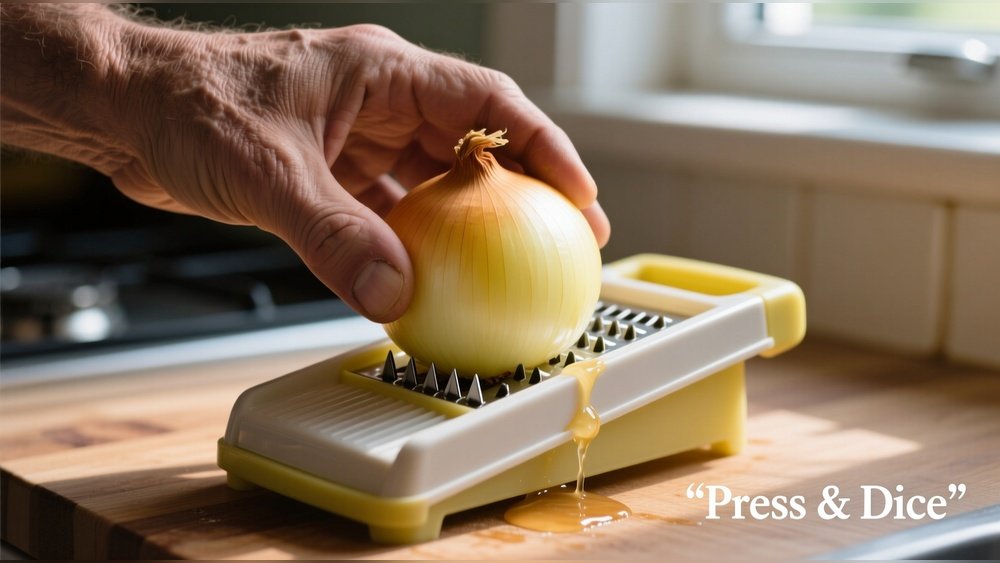
DIY Hacks for Onion Chopper to Save Time
If chopping onions feels like a tedious, tear-filled chore, you’re not alone. But what if you could make this everyday kitchen task quicker, easier, and even fun?
With these simple DIY hacks for your onion chopper, you’ll save time and avoid the frustration that comes with traditional chopping. Whether you want to build your own handy tool or improve the one you already have, these tricks are designed to make your cooking experience smoother.
Keep reading to discover clever, practical tips that will change how you handle onions forever. Your kitchen and your eyes will thank you!
Diy Onion Chopper Ideas
DIY Onion Chopper Ideas help you save time and effort in the kitchen. You can create simple tools to cut onions quickly. These ideas use items you already have at home. They make chopping easier and reduce tears.
Simple Tools You Can Use
Use a sharp knife and a stable cutting board. A fork helps hold the onion steady. A vegetable peeler removes the outer layer easily. A small whisk can help separate onion layers after cutting. These simple tools speed up chopping without special equipment.
Repurposing Household Items
Old graters can double as onion dicers. Use a clean cheese slicer to cut thin onion slices. A plastic egg slicer works well for small onions. A kitchen mandoline can create even slices safely. These household items make quick work of onions.
Building A Basic Onion Dicer
Take a wooden frame or small box as a base. Insert evenly spaced sharp wires or thin blades across the frame. Place the onion on the base and press down to dice. This simple dicer cuts onions into cubes fast. It is easy to make and clean.
Time-saving Cutting Techniques
Saving time while chopping onions makes cooking easier and faster. Simple cutting techniques can speed up your prep work. Using the right hacks helps you slice and dice onions quickly. It also keeps your hands safe and your eyes tear-free. Below are some time-saving cutting techniques to try.
Quick Onion Slicing Tips
Start by cutting off the onion’s top, but keep the root intact. This holds the onion layers together as you slice. Peel the outer skin carefully. Slice the onion in half from root to tip. Lay each half flat on the board. Cut thin, even slices from the top to the root end. Keep your knife steady and use a smooth motion. This method speeds up slicing and gives uniform pieces.
Efficient Dicing Methods
Cut the onion in half through the root. Make vertical cuts from root to tip, but do not cut through the root. Then make horizontal cuts parallel to the board. Finally, slice down across the onion to dice. The root keeps the onion together for easy dicing. This technique produces small, even pieces quickly. Use a sharp knife to reduce slipping and save effort.
Preventing Tears While Chopping
Chopping onions releases sulfur compounds that irritate eyes. Chill the onion in the fridge for 10 minutes before cutting. Use a sharp knife to reduce cell damage. Cut near a running fan or open window to blow away fumes. Another tip is to breathe through your mouth, not your nose. These tricks reduce tears and make chopping more comfortable.
Maintenance And Safety Tips
Proper maintenance and safety are key to keeping your DIY onion chopper effective and safe. Small efforts in cleaning, handling, and blade care extend the life of your tool. They also protect your fingers from injury. Follow simple tips to ensure your chopper works smoothly every time.
Cleaning Your Diy Chopper
Clean your onion chopper right after use. Remove onion bits stuck between blades. Use warm water and mild soap to wash all parts. Avoid harsh chemicals that can damage the material. Dry thoroughly to stop rust or mold. Regular cleaning keeps your chopper hygienic and sharp.
Safe Handling Practices
Always hold the chopper firmly while using it. Keep fingers away from sharp blades to avoid cuts. Use a stable surface to prevent slipping. Store your chopper in a safe place, out of children’s reach. Wearing gloves can add extra protection during chopping.
Blade Sharpening Tricks
Sharp blades cut onions faster and safer. Use a small sharpening stone or steel rod to hone the blades. Move the blade gently at a 20-degree angle for best results. Sharpen blades regularly to maintain cutting power. Dull blades require more force and increase injury risk.

Credit: www.youtube.com
Alternative Onion Choppers
Alternative onion choppers offer practical ways to chop onions without tears or mess. These tools save time and effort in the kitchen. They come in various styles to suit different needs and preferences. Using these options can make cooking easier and more enjoyable.
Manual Choppers
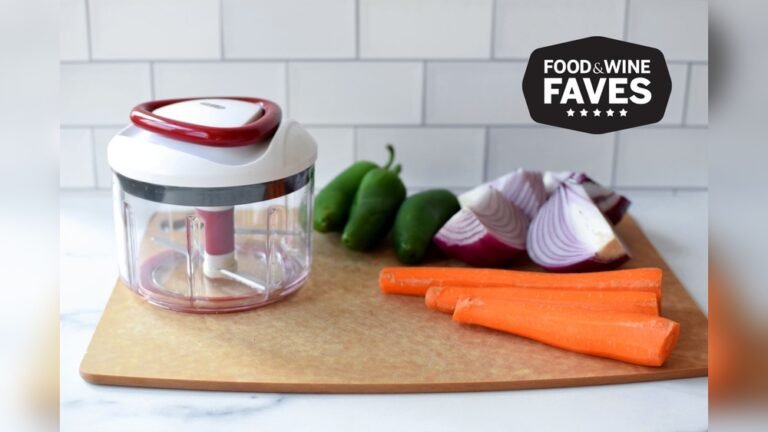
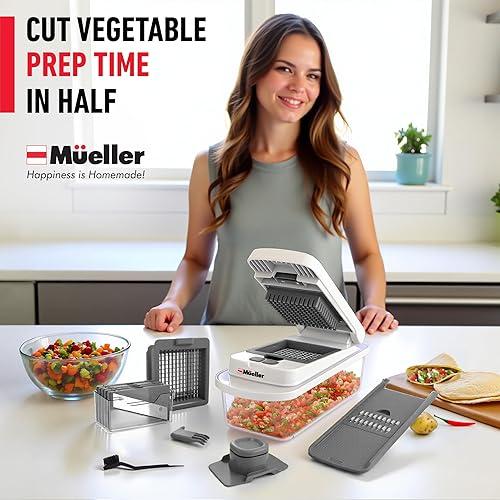
Manual choppers are simple devices that chop onions by hand. They usually have a container with sharp blades inside. Pressing the lid or pulling a cord spins the blades to chop the onion. These choppers do not need electricity and are easy to clean. They are great for small kitchens or when traveling.
Electric Options
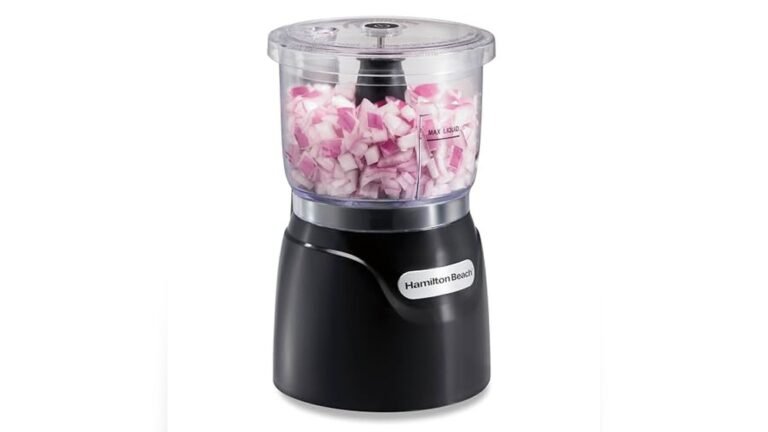
Electric onion choppers speed up the chopping process significantly. They use a motor to rotate the blades quickly. You just add the onion, press a button, and wait a few seconds. These devices handle large amounts of onions easily. They are perfect for busy cooks who want fast results.
Mandoline Blades
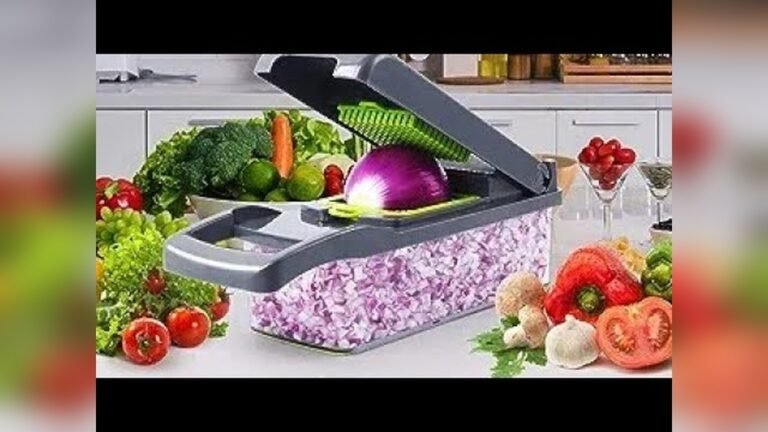
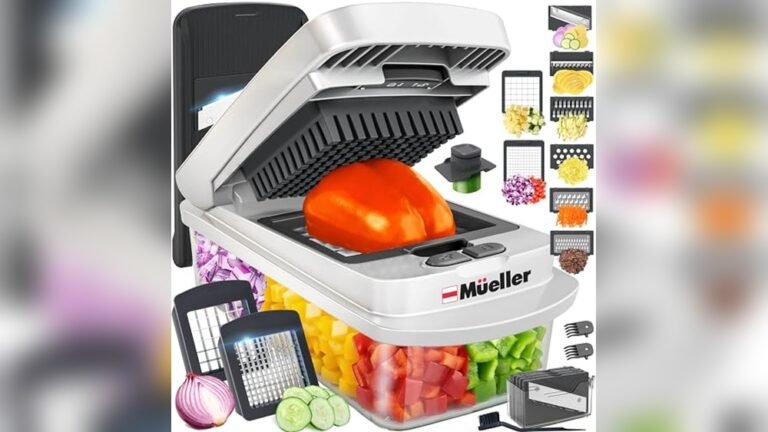
Mandoline blades are versatile kitchen tools that slice and dice vegetables. They come with different blade attachments, including ones for julienne cuts. Using a mandoline lets you chop onions uniformly and quickly. It requires some care to avoid cuts, but it is very efficient. This tool is ideal for those who like precise cuts.
Creative Uses For Chopped Onions
Chopped onions are a kitchen staple that adds flavor and texture to many dishes. Having them ready saves time and sparks creativity in cooking. Using an onion chopper makes prep easy and opens up many cooking possibilities. Explore these creative uses to make your meals tastier and cooking faster.
Recipes That Save Time
Chopped onions fit well in quick recipes like stir-fries and soups. Toss them into scrambled eggs or omelets for extra taste. Use pre-chopped onions in sauces and stews to reduce prep time. They also blend perfectly in homemade dips and salsas. Keep chopped onions handy for fast, flavorful meals.
Freezing And Storing Tips
Freeze chopped onions in small portions to keep them fresh longer. Use airtight containers or freezer bags to avoid freezer burn. Label bags with the date for easy tracking. Frozen onions work well in cooked dishes but lose crunch when thawed. Store them properly to save time and reduce waste.
Onion Prep For Meal Prep
Prepare onions ahead for weekly meal planning. Chop large batches and divide them into containers for different recipes. Keep some raw for salads and some cooked for ready-to-eat meals. This saves daily chopping and speeds up cooking. Organized onion prep helps maintain a smooth kitchen routine.
Credit: exileshmagazine.com

Credit: www.youtube.com
Frequently Asked Questions
What Is A Good Alternative To An Onion Chopper?
A good alternative to an onion chopper is a sharp chef’s knife or a mandoline slicer with a julienne blade. Both tools offer precise, quick onion dicing.
What’s The Trick To Not Crying While Cutting Onions?
Chill onions in the fridge before cutting. Use a sharp knife and cut near a vent or fan. Keep onion root intact to reduce tears.
Why Does A Wet Paper Towel Help When Cutting Onions?
A wet paper towel absorbs onion fumes, reducing their release into the air. This prevents eye irritation and tears while cutting onions.
How Do Chefs Chop Onions So Quickly?
Chefs chop onions quickly by making vertical cuts, keeping the knife edge toward the center, and working outward efficiently.
Conclusion
DIY hacks for onion choppers save time and effort in the kitchen. Simple tools and tricks make chopping onions easier and faster. These ideas help reduce tears and mess while preparing meals. Experiment with different methods to find what works best for you.
Enjoy cooking with less hassle and more fun. Keep practicing these hacks to improve your chopping skills daily.

Hi, I’m Emma Carter, a passionate home cook with over 12 years of hands-on experience in home kitchens. I love testing kitchen tools, trying new recipes, and helping everyday cooks make smarter buying decisions. Every review and guide I write is based on real cooking experience, practical testing, and honest opinions, not marketing claims.