Onion Chopper Usage Guide for Perfect Results
Are you tired of tearing up every time you chop onions? Or maybe you find slicing onions a slow and messy task that ruins your cooking flow?
Your kitchen just got a whole lot easier with the onion chopper. This handy tool saves you time, effort, and those pesky onion tears. In this usage guide, you’ll discover simple steps to chop onions quickly and safely, tips to get perfect pieces every time, and how to make the most out of your onion chopper for all your meal prep needs.
Keep reading, and you’ll never look at chopping onions the same way again!
Choosing The Right Onion Chopper
Choosing the right onion chopper makes cooking easier and faster. It depends on your kitchen needs and habits. Some prefer simple tools, while others want quick, electric helpers. Size, material, and durability also matter. Here is a guide to help you find the best onion chopper for your kitchen.
Manual Vs Electric Options
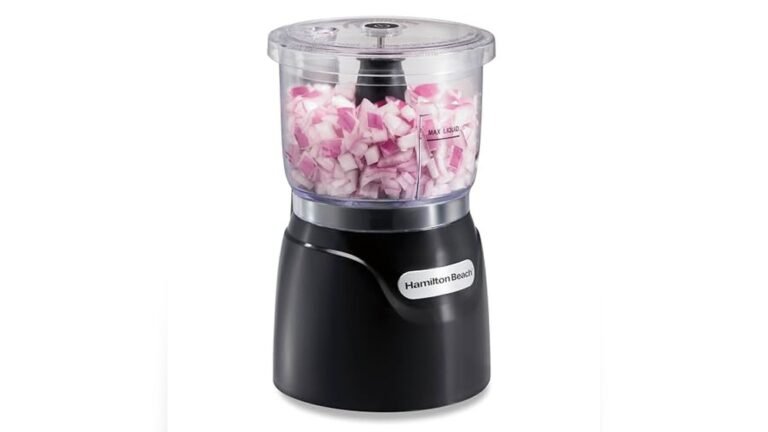
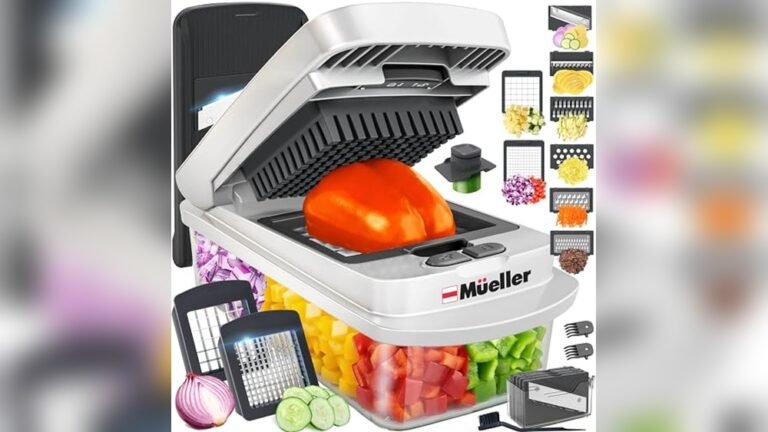
Manual onion choppers are simple and easy to use. They need no power and are easy to clean. They work well for small amounts of onions. Electric choppers save time and effort for larger tasks. They chop onions quickly but need electricity. Choose manual for occasional use and electric for frequent or big chopping jobs.
Size And Capacity Considerations
Small onion choppers fit small kitchens and simple tasks. They are easy to store. Larger choppers handle more onions at once. They suit big families or meal prepping. Think about your usual cooking volume. Pick a size that matches your needs without wasting space.
Material And Durability
Look for choppers made of strong plastic or stainless steel. These materials last longer and resist stains. Sharp blades stay effective and safe. Avoid cheap materials that break or dull fast. A durable chopper saves money and effort over time.

Credit: www.amazon.com
Preparing Onions For Chopping
Preparing onions for chopping helps you work faster and safer. Proper prep improves the chopping experience. It also reduces onion tears and mess.
Follow simple steps to peel, halve, and handle onions. These steps make your onion chopper work better and last longer.
Peeling And Halving Techniques
Start by cutting off the top of the onion. Leave the root end intact to hold the layers together. Peel off the dry outer skin carefully. Slice the onion in half from top to root. This makes chopping easier and more even.
Avoiding Onion Tears
Onion tears come from a gas released when cutting. Chill onions in the fridge for 30 minutes to slow this gas. Cut near an open window or use a fan to blow away the gas. Breathe through your mouth, not your nose. These tips reduce eye irritation.
Safety Tips For Handling
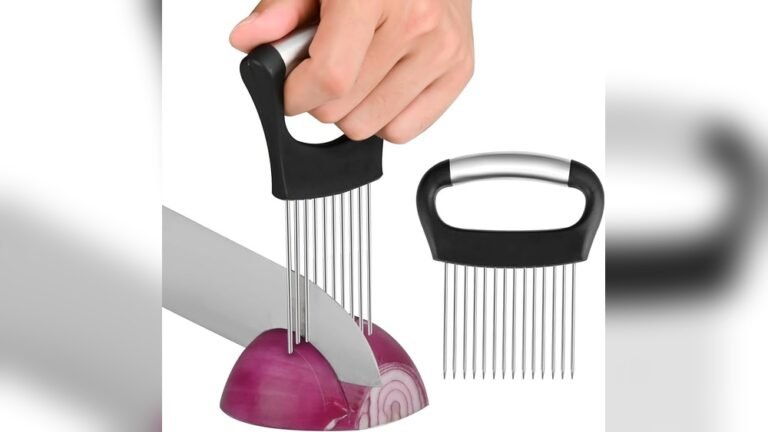
Use a sharp knife to halve the onion safely. Dull knives slip and cause accidents. Hold the onion firmly with your fingers curled under. Keep the cutting surface dry and clean. Always chop on a stable board to avoid slips.
Operating The Onion Chopper
Operating the onion chopper is simple and saves time. It helps you chop onions evenly and quickly. Follow these steps to use your chopper correctly. This guide ensures you get the best results with minimal effort.
Placing The Onion Correctly
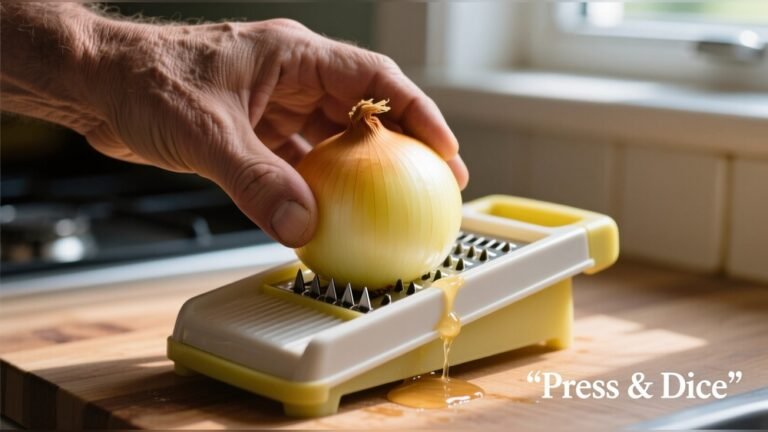
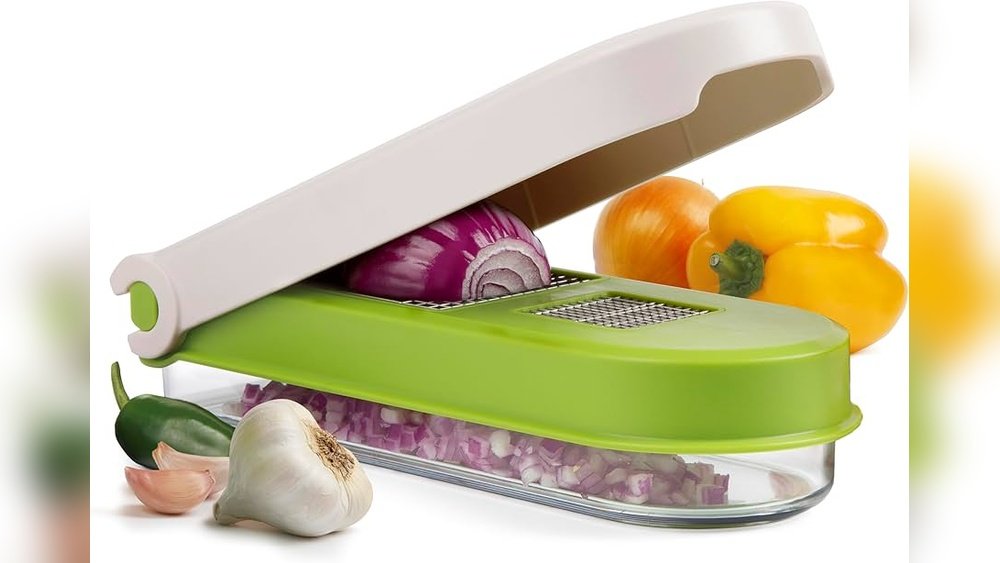
Cut the onion in half first. Place the flat side down on the chopper base. Make sure the onion is centered over the blades. This prevents slipping and ensures even chopping. Avoid placing the onion with the root end facing the blades.
Using The Lever Or Push Mechanism
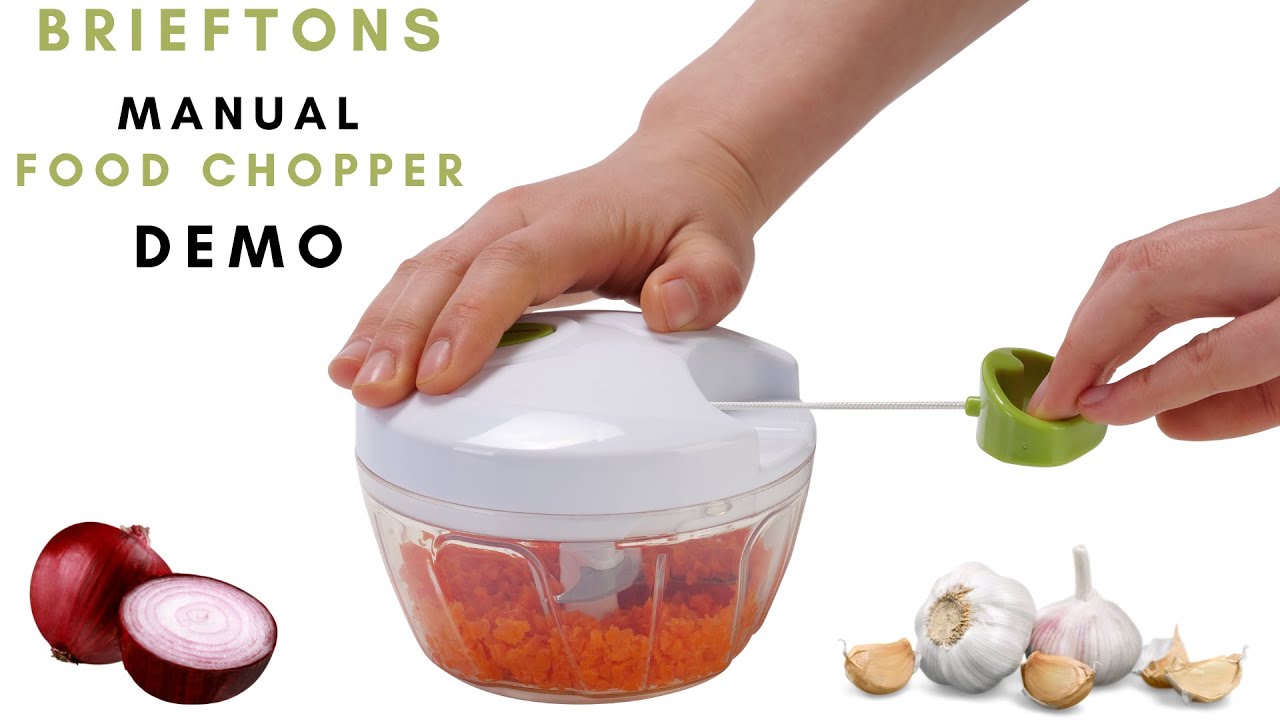
Hold the chopper firmly with one hand. Use the other hand to press the lever or push the top down. Apply steady pressure to push the onion through the blades. Do not rush; a smooth push gives uniform pieces. Repeat if you want smaller onion pieces.
Collecting And Removing Chopped Onions
The chopped onions fall into the container below. Remove the container carefully to avoid spills. Use a spoon or spatula to transfer onions to your dish. Clean the container and blades after use for hygiene. Store the chopper in a dry place until next use.
Cleaning And Maintenance
Keeping your onion chopper clean and well-maintained ensures it works smoothly every time. Proper care prevents stains, odors, and dull blades. Regular cleaning also helps your chopper last longer and stay hygienic.
Disassembling The Chopper
Start by carefully taking apart the chopper. Remove the lid, blades, and container separately. Handle the blades gently to avoid cuts. Make sure all parts are separated for thorough cleaning.
Washing Tips For Blades And Containers
Use warm soapy water to wash blades and containers. Avoid harsh scrubbing that may damage the blades. A soft brush helps remove stuck onion bits easily. Rinse all parts well to remove soap residue. Dry each piece completely before reassembling to prevent rust.
Storage Recommendations
Store your onion chopper in a dry place. Keep blades covered or inside the container to protect them. Avoid placing heavy items on top to prevent damage. Clean and dry before storing to maintain freshness and safety.
Common Mistakes To Avoid
Using an onion chopper makes kitchen work faster and easier. Avoiding common mistakes helps keep the chopper working well. It also ensures safety and better results. Learn about frequent errors to get the best from your tool.
Overloading The Chopper
Putting too many onion pieces inside the chopper causes jamming. The blades may not cut evenly or might get stuck. It also makes cleaning harder. Always use a small amount at a time for smooth chopping.
Applying Uneven Pressure
Pressing down unevenly can damage the chopper or cause uneven cuts. Use steady, even pressure over the entire surface. This helps the blades slice through the onion properly. It also protects your hands from slipping.
Ignoring Safety Precautions
Not following safety rules can lead to accidents. Keep fingers away from blades at all times. Always lock the chopper before use, if it has a locking feature. Clean the blades carefully to avoid cuts. Safety keeps chopping easy and injury-free.
Creative Uses Beyond Onions
The onion chopper is not just for onions. It can handle many kitchen tasks fast and easy. This tool saves time and effort in food prep. Explore how it works well beyond onions for everyday cooking needs.
Chopping Other Vegetables
Use the chopper for vegetables like carrots, peppers, and cucumbers. It cuts them into small pieces quickly. This is perfect for salads, soups, and stir-fries. The sharp blades make uniform cuts every time. Cleaning is simple, making it ready for the next use.
Preparing Ingredients For Salsas And Sauces
The chopper works well for salsas and sauces. Tomatoes, garlic, and herbs can be chopped finely. This helps mix flavors evenly. It saves the hassle of chopping by hand. The consistent size improves the texture of dishes.
Using For Nuts And Fruits
Chop nuts like almonds and walnuts easily with the chopper. It breaks them into small pieces for baking or toppings. Small fruits like strawberries and kiwi also work well. This tool cuts them without crushing. It makes preparing snacks and desserts faster.
Troubleshooting And Tips
Using an onion chopper can save time and effort in the kitchen. Still, some common issues may arise during use. This section helps solve those problems and offers tips for smoother chopping. Follow these simple steps to keep your chopper working well and make your cooking easier.
Dealing With Stuck Pieces
Onion pieces sometimes get stuck between blades. Avoid forcing the chopper as it can damage the device.
Use a small brush or toothpick to clear stuck bits. Clean the blades after every use to prevent buildup.
Cut larger onion parts into smaller pieces before chopping. This reduces the chance of jamming.
Maintaining Sharpness Of Blades
Dull blades make chopping harder and less safe. Wash blades carefully by hand to keep them sharp longer.
Avoid using abrasive cleaners or dishwashers that can dull blades quickly. Dry blades immediately after washing.
Sharpen blades regularly using a sharpening stone or professional service. Sharp blades ensure clean, even cuts.
Maximizing Efficiency
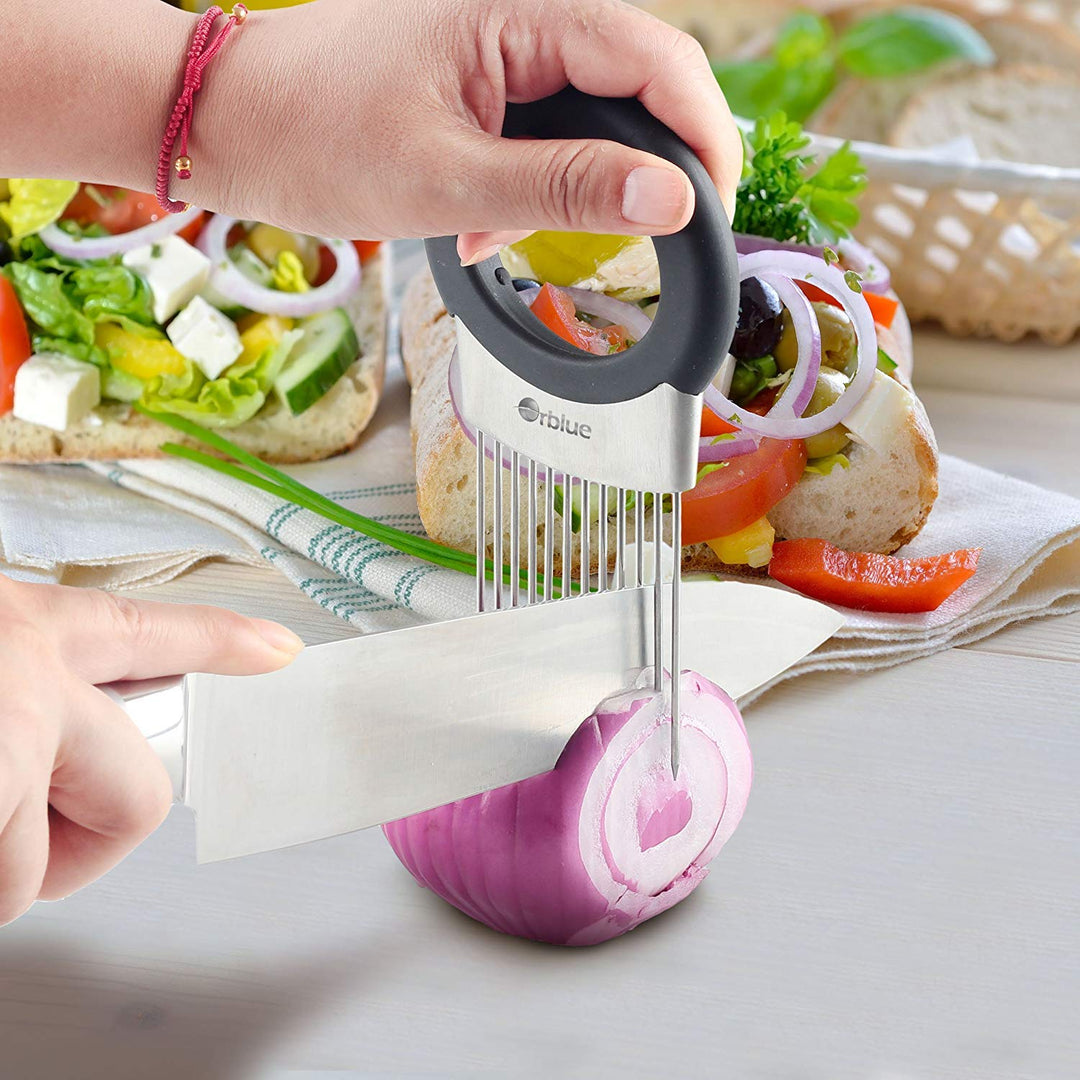
Place the onion flat side down for stable chopping. This improves safety and speed.
Press the lid firmly but not too hard. Apply steady pressure for even chopping.
Chop onions just before cooking to keep freshness. Store chopped onions in an airtight container.
Credit: lantzmuseum.org
Pros And Cons Of Onion Choppers
Onion choppers offer a quick way to dice onions without tears or mess. They save time and effort in the kitchen. Yet, like any tool, they have pros and cons. Understanding these helps you decide if an onion chopper fits your cooking style.
Benefits For Home Cooks
Onion choppers reduce chopping time greatly. They keep your hands clean and avoid onion smell. The tool is simple to use. It helps achieve uniform onion pieces easily. Small kitchen spaces benefit from compact designs. Many models are easy to clean. This tool suits quick meal prep and beginner cooks.
Limitations And Drawbacks
Onion choppers may struggle with very large onions. Some require effort to press down firmly. Cleaning can be tricky if pieces get stuck. Not all models cut onions evenly. Electric choppers can be noisy and bulky. Over time, blades may dull and need replacement. They are less versatile than a knife for other cuts.
Choosing The Best Fit For Your Needs
Consider how often you cook with onions. Think about your kitchen space and storage options. Manual choppers suit occasional use and small batches. Electric models work well for heavy cooking and large families. Check blade quality and ease of cleaning. Choose a size that matches your onion types. Look for sturdy handles for better grip and safety.
Credit: www.youtube.com
Frequently Asked Questions
How To Chop Onions With An Onion Chopper?
Cut the onion in half and place it on the chopper blade. Press down firmly with the lid. The diced onions collect in the container below. Remove and use as needed. Clean the chopper after use for best results.
How To Use A Handheld Onion Chopper?
Place peeled onion on blades, press down firmly with the lid, and chop evenly. Collect diced onions from the container below. Clean after use.
What Are Common Onion Chopping Mistakes?
Common onion chopping mistakes include using a dull knife, cutting without stabilizing the onion, uneven cuts, and not protecting fingers.
What Are The Cons Of Using An Onion Cutter?
Onion cutters can be hard to clean and store. They may struggle with tough onions and produce uneven cuts. Some types are noisy or unsuitable for dicing. Manual versions can strain your hand during use.
Conclusion
Using an onion chopper saves time and effort in the kitchen. It helps you cut onions quickly and evenly. Always place the onion securely before chopping. Clean the chopper after each use to keep it working well. Practice a few times to get comfortable with the tool.
This simple gadget makes cooking easier and more enjoyable. Try it to see how much it helps with meal prep.

Hi, I’m Emma Carter, a passionate home cook with over 12 years of hands-on experience in home kitchens. I love testing kitchen tools, trying new recipes, and helping everyday cooks make smarter buying decisions. Every review and guide I write is based on real cooking experience, practical testing, and honest opinions, not marketing claims.