Maintenance Tips for Garlic Rocker: Essential Care for Longevity
If you love cooking with fresh garlic, you know how handy a garlic rocker can be. But to keep it working smoothly and looking great, you need to care for it the right way.
You might have noticed garlic bits sticking or the rocker turning dull after a few uses. Don’t worry—maintaining your garlic rocker is easier than you think. You’ll discover simple, practical tips to clean and care for your garlic rocker so it stays efficient and odor-free every time you use it.
Stick around, and you’ll never struggle with a messy or sticky garlic rocker again!
Choosing The Right Garlic Rocker
Choosing the right garlic rocker makes a big difference in kitchen work. It affects how easy and fast you crush garlic. The right tool lasts longer and cleans easily. Consider material, design, and comfort before buying. These factors help pick a garlic rocker that suits your needs.
Material Types
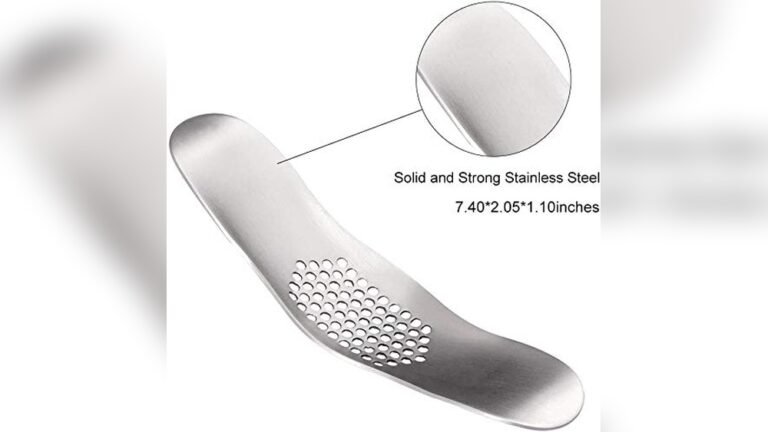
Garlic rockers come in stainless steel, aluminum, and plastic. Stainless steel resists rust and stays sharp. Aluminum is light but may discolor over time. Plastic is gentle on hands but less durable. Choose a material that fits your cooking style and cleaning habits.
Design Features
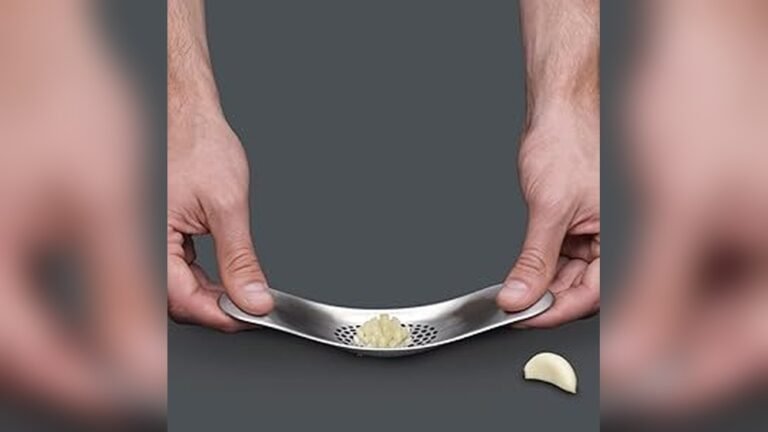
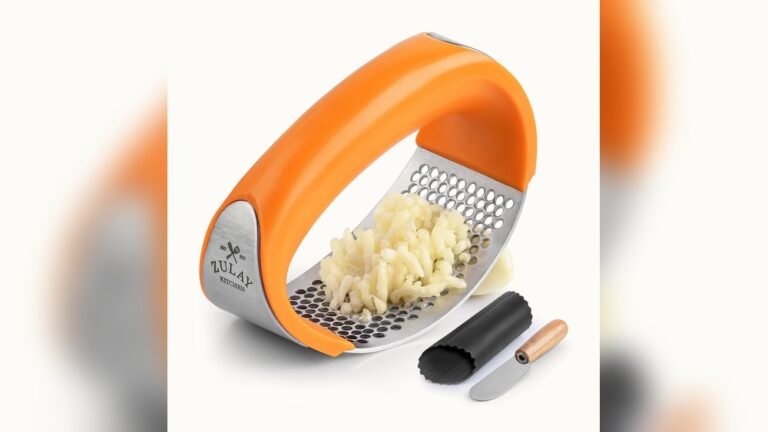
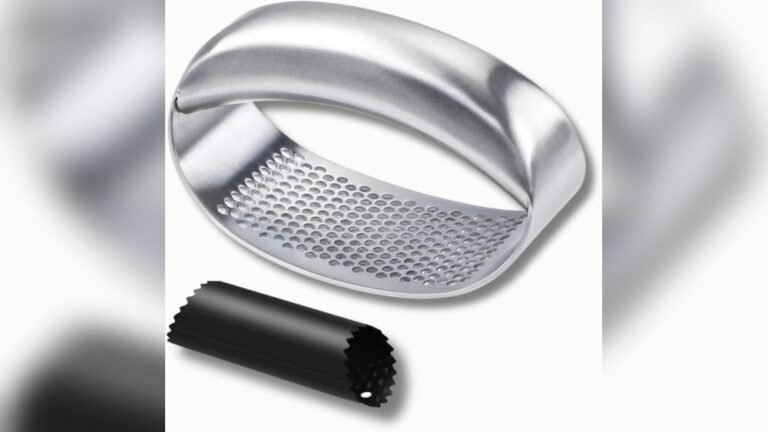
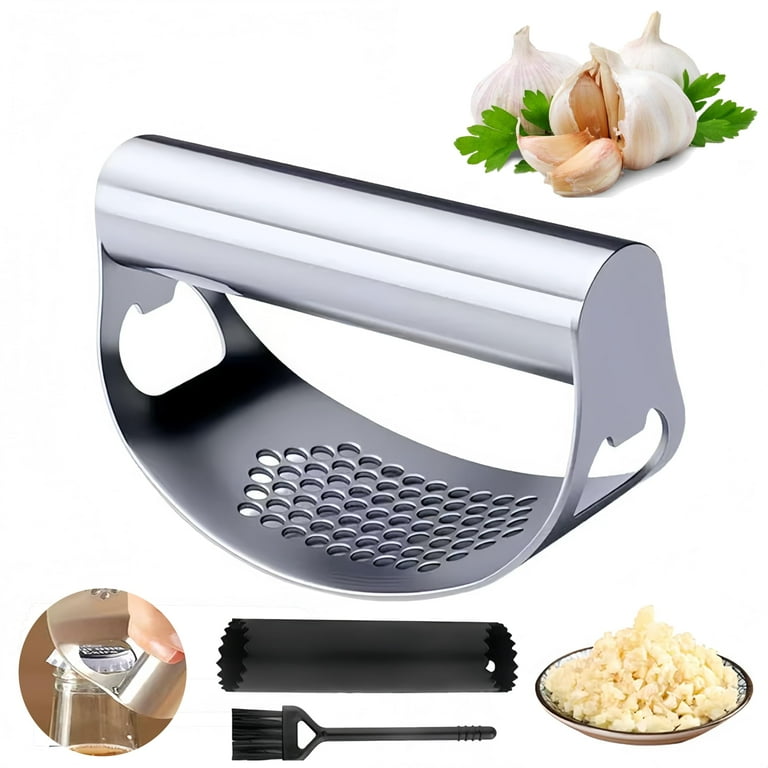
Look for a garlic rocker with a wide, curved blade. This shape crushes garlic evenly and quickly. Some models have holes or grooves to keep garlic from sticking. A smooth surface helps with easy cleaning. Simple designs often work better than complex ones.
Ergonomics
Comfort matters during use. Pick a rocker with a comfortable grip and balanced weight. Non-slip handles prevent accidents. The rocker should fit your hand size well. Ergonomic designs reduce hand strain, especially if you use it often.
Daily Cleaning Techniques
Daily cleaning techniques keep your garlic rocker in top shape. Clean it right after use to avoid garlic residue buildup. This simple habit helps maintain its performance and extends its life.
Use gentle cleaning methods to protect the material. Harsh cleaning can damage the garlic rocker and reduce its effectiveness. Follow these easy steps for daily care.
Rinsing Immediately After Use
Rinse the garlic rocker under running water right after crushing garlic. This stops garlic from drying and sticking to the surface. Quick rinsing makes cleaning easier later on. Avoid letting garlic residue harden on the rocker.
Using Warm Water And Mild Soap
Clean the garlic rocker with warm water and mild soap. Use a soft sponge or brush to remove leftover bits. Warm water loosens stubborn garlic pieces without harming the tool. Mild soap prevents damage and keeps the rocker looking new.
Avoiding Harsh Chemicals
Do not use bleach or strong detergents on your garlic rocker. Harsh chemicals can corrode the metal or damage the finish. Choose gentle, food-safe cleaning products to keep it safe for kitchen use. Protect the tool and your health with mild cleaners only.
Deep Cleaning Methods
Keeping your garlic rocker clean ensures it works well and lasts longer. Deep cleaning removes stuck garlic pieces and prevents odors. Follow simple steps for thorough cleaning.
Soaking To Loosen Residue
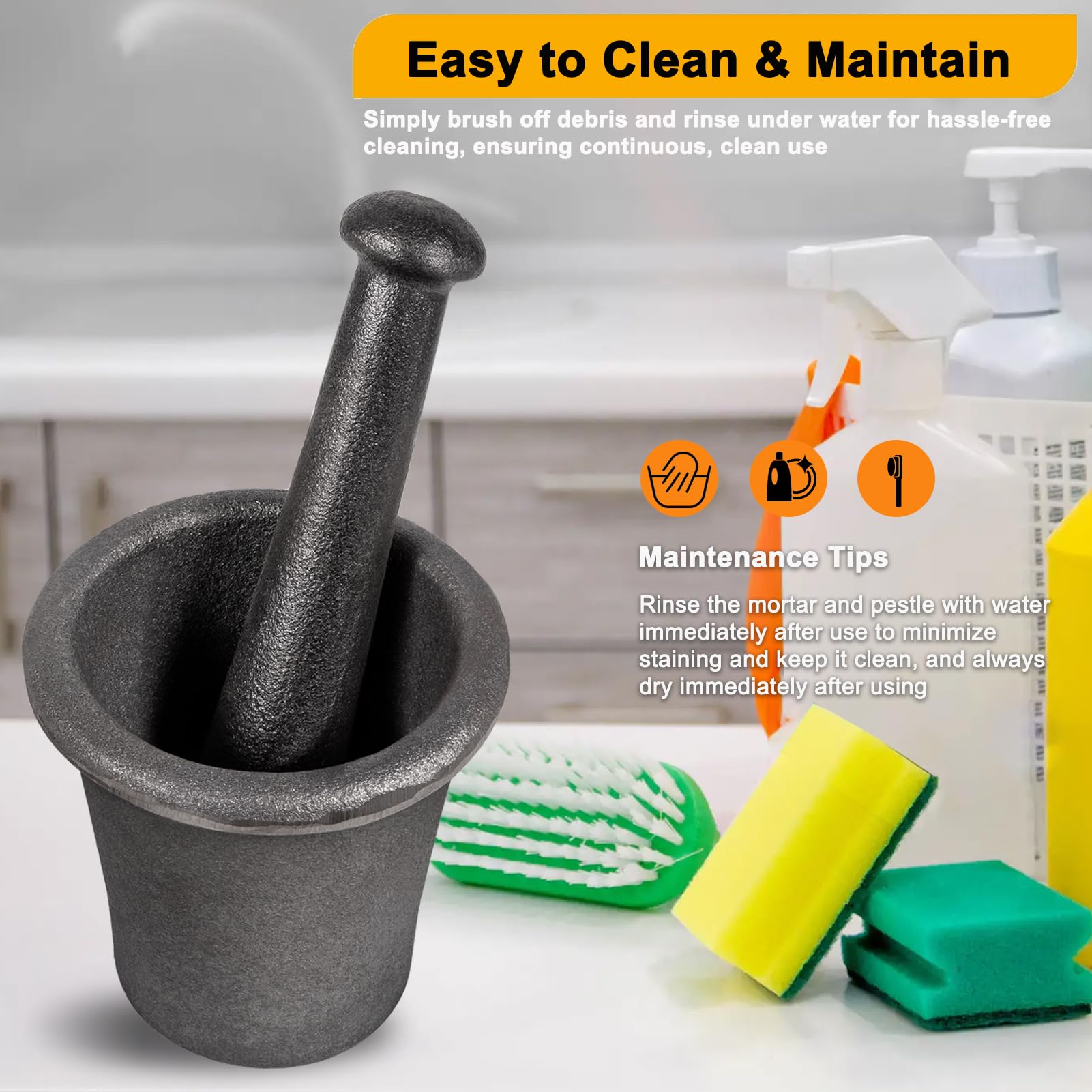
Fill a bowl with warm water and a little dish soap. Soak the garlic rocker for 10 to 15 minutes. This softens dried garlic stuck in small holes. After soaking, rinse it under running water. Use your fingers to remove any loose bits.
Using Brushes For Hard-to-reach Areas
Use a small brush to clean tight spots on the rocker. A toothbrush or a special kitchen brush works well. Gently scrub both sides and the edges. The brush reaches where cloth or sponges cannot. This method removes stubborn garlic pieces easily.
Dishwasher Safety Tips
Check if your garlic rocker is dishwasher safe before placing it inside. Use the top rack for best results and to avoid damage. Avoid high heat settings to protect the metal finish. After the cycle ends, dry the rocker completely to prevent rust. Regular dishwasher cleaning keeps your tool fresh and ready for use.
Credit: www.delibertyprimemailbox.com
Preventing Garlic Odor Retention
Garlic rockers leave a strong smell on your hands and kitchen tools. This odor can linger and be hard to remove. Preventing garlic odor retention keeps your garlic rocker fresh and pleasant to use. Simple methods can reduce or remove the smell quickly. Clean your garlic rocker right after use. This stops garlic particles from sticking and causing odor buildup. Use effective deodorizing tricks and proper storage to keep your tool odor-free.
Stainless Steel Deodorizing Tricks
Rubbing your garlic rocker on stainless steel helps remove garlic smell. Use your sink, a spoon, or a stainless steel soap bar. Rub the tool under cold running water for 30 seconds. The sulfur molecules from garlic bind to the steel. This reaction removes the strong odor from your rocker. It is a quick and natural way to deodorize kitchen tools.
Using Natural Deodorizers
Natural products like lemon juice and baking soda can eliminate garlic smell. Mix baking soda with water to form a paste. Scrub your garlic rocker gently with this paste. Rinse thoroughly with water afterward. Lemon juice also works well. Rub lemon juice on the rocker, let it sit for a few minutes. Then rinse with warm water. These natural deodorizers are safe and effective.
Storage Recommendations
Store your garlic rocker in a dry and ventilated place. Avoid keeping it in sealed containers immediately after use. Moisture can trap odors and promote bacteria growth. Wipe the rocker dry before storing it away. Using a small breathable pouch or hanging it can help. Proper storage reduces odor buildup and prolongs the life of your garlic rocker.
Maintaining The Rocker’s Performance
Maintaining your garlic rocker’s performance ensures it works smoothly and lasts longer. Regular care keeps it effective in crushing garlic without extra effort. Small steps in maintenance prevent common problems and preserve its quality.
Checking For Wear And Tear
Inspect the garlic rocker regularly for signs of damage. Look for cracks, bends, or loose parts. Early detection helps avoid breakdowns during use. Replace any worn components to keep the rocker safe and efficient.
Avoiding Metal Discoloration
Metal discoloration can happen from moisture or harsh cleaning agents. Wash the rocker by hand with mild soap and warm water. Dry it immediately after washing to prevent rust and stains. Store it in a dry place to keep the metal bright.
Lubricating Moving Parts
Keep the rocker’s moving parts smooth by applying a small amount of food-safe oil. This reduces friction and prevents squeaking. Wipe off excess oil to avoid attracting dirt. Lubricate regularly for consistent performance.

Credit: www.consumerreports.org
Storage Best Practices
Proper storage of your garlic rocker helps keep it clean and ready to use. Storing it correctly prevents damage and extends its life. Follow simple steps to maintain your kitchen tool in top condition. These best practices focus on drying, storage location, and protection from harm.
Drying Before Storage
Always dry your garlic rocker completely before storing it. Moisture can cause rust or mold buildup. Use a clean towel to wipe off any water. Let it air dry for a few minutes to ensure no damp spots remain. Drying prevents corrosion and keeps your rocker working smoothly.
Safe Storage Locations
Choose a dry, cool place to store your garlic rocker. Avoid areas with high humidity or heat. Keep it away from direct sunlight, which can weaken the material. A kitchen drawer or a utensil holder works well. Proper location keeps your tool safe and ready for use.
Protecting From Damage
Store your garlic rocker where it won’t get scratched or bent. Avoid placing heavy items on top of it. Use a soft cloth or pouch if you keep it in a drawer with other utensils. Protecting it prevents dents and keeps the rocker efficient for crushing garlic.
Troubleshooting Common Issues
Troubleshooting common issues with your garlic rocker keeps it working well. Small problems can slow down your cooking or make the tool hard to use. Knowing how to fix these issues saves time and effort. This guide covers three typical problems and easy ways to solve them.
Stuck Garlic Pieces
Garlic often gets stuck in the holes of the rocker. This blocks the tool and wastes garlic. To fix this, rinse the rocker right after use. Use a small brush or toothpick to clear stuck bits. Avoid letting garlic dry inside the holes. Soaking the rocker in warm water loosens stuck pieces.
Discoloration Problems
Garlic rockers can turn dark or yellow over time. This happens due to garlic juices or metal reaction. Clean the rocker with a mix of baking soda and water to brighten it. Avoid strong detergents that can cause more discoloration. Using mild soap and hand washing is best. Discoloration does not affect the taste or safety of the garlic.
Handling Rust Or Corrosion
Rust or corrosion may appear on metal garlic rockers. Dry the rocker completely after washing to prevent rust. If rust appears, scrub gently with a paste of baking soda and water. Rinse well and dry again. Store the rocker in a dry place to avoid moisture buildup. Rust can reduce the tool’s life, so act quickly.
Extending Garlic Rocker Longevity
Extending the longevity of your garlic rocker saves money and ensures consistent performance. Proper care and usage keep it working smoothly for years. Small efforts in maintenance can prevent damage and wear.
Routine Maintenance Schedule
Clean the garlic rocker immediately after each use. Rinse under warm water to remove garlic residue. Use a soft brush to clean hard-to-reach spots. Dry it thoroughly to prevent rust or corrosion. Check for any signs of wear every month. Regular cleaning stops buildup that can reduce efficiency.
Proper Usage Tips
Use the rocker only on garlic cloves, avoiding hard materials. Apply even pressure while rocking to avoid bending. Do not force the tool if garlic is too tough. Peel garlic cloves before crushing to protect the rocker. Store it in a dry place to avoid moisture damage. Gentle handling extends the tool’s life.
When To Replace Your Rocker
Replace the garlic rocker if it bends or cracks. Noticeable rust or corrosion that affects performance is a sign. If garlic sticks consistently despite cleaning, consider a new tool. Worn-out parts reduce crushing ability and make work harder. A well-maintained rocker should last several years. Timely replacement keeps your kitchen efficient and safe.
Credit: www.walmart.com
Frequently Asked Questions
How To Clean A Garlic Rocker?
Rinse the garlic rocker under warm water immediately after use. Use a brush or sponge to remove residue. Dry thoroughly to prevent rust. For stubborn bits, soak briefly in soapy water, then scrub gently. Avoid abrasive cleaners to maintain its finish and functionality.
How To Clean A Garlic Keeper?
Rinse the garlic keeper with warm water immediately after use. Use mild soap and a soft brush to remove residue. Dry thoroughly before storing. Avoid harsh detergents to preserve material quality.
Why Is My Garlic Press Turning Black?
Your garlic press likely turns black due to aluminum reacting with dishwasher detergents and heat. This discoloration is harmless and won’t affect flavor or performance. To prevent it, hand wash your press promptly after use and avoid harsh chemicals.
How Do You Prevent Garlic From Sticking In The Crusher?
Lightly oil the crusher or rub garlic cloves with a bit of oil before crushing. Rinse immediately to avoid sticking.
Conclusion
Regular care keeps your garlic rocker working smoothly and longer. Clean it right after use to avoid sticky garlic buildup. Use warm water and mild soap for best results. Dry it completely to prevent rust or damage. Store in a dry place away from moisture.
Small efforts make a big difference in tool life. Keep your kitchen tasks easy and efficient with simple maintenance. A well-kept garlic rocker saves time and frustration daily. Simple habits help maintain its performance and appearance. Follow these tips for a hassle-free cooking experience.

Hi, I’m Emma Carter, a passionate home cook with over 12 years of hands-on experience in home kitchens. I love testing kitchen tools, trying new recipes, and helping everyday cooks make smarter buying decisions. Every review and guide I write is based on real cooking experience, practical testing, and honest opinions, not marketing claims.