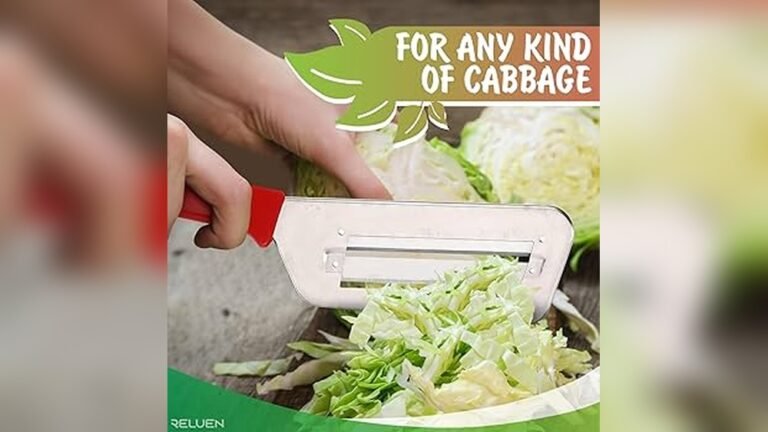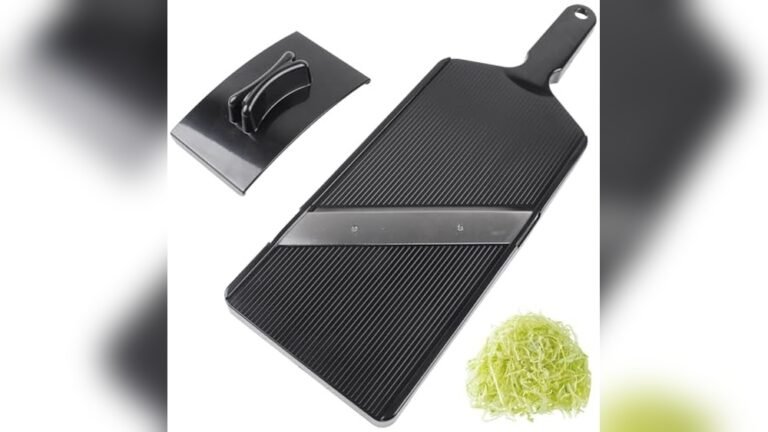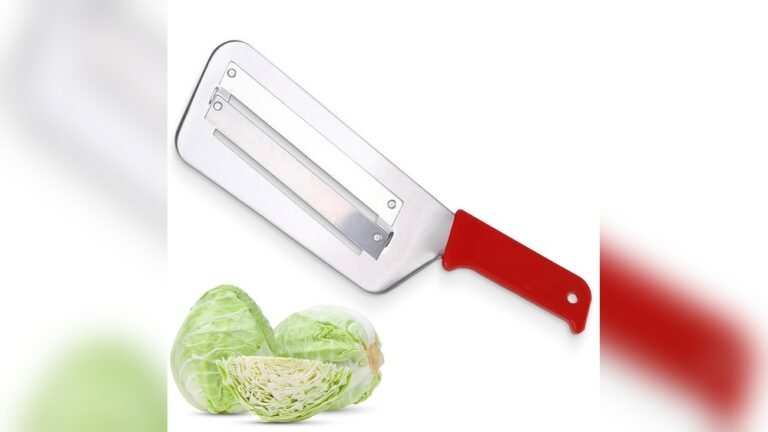
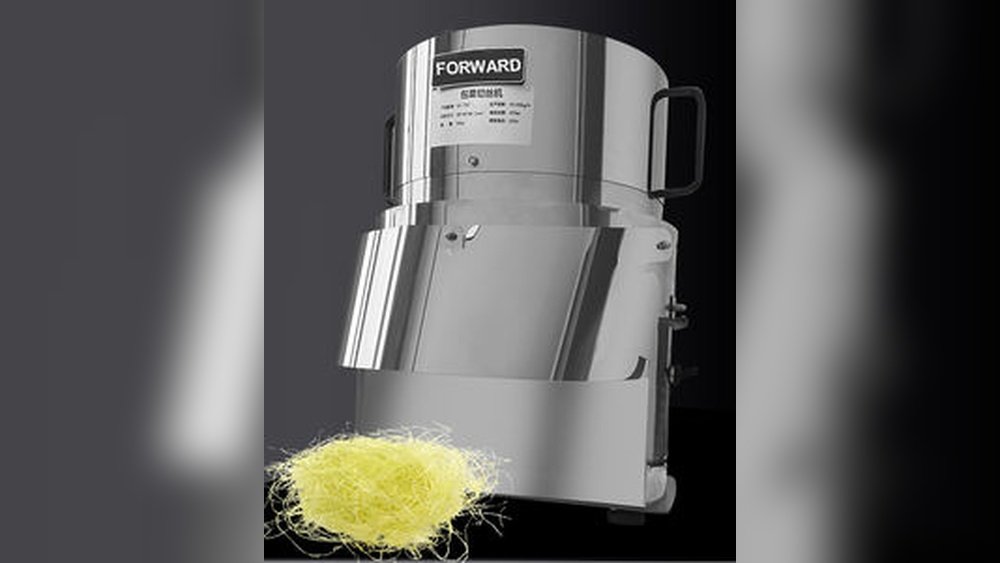
Proven Ways to Make Your Cabbage Shredder Last Years Longer
If you own a cabbage shredder, you know how handy it can be for preparing fresh salads, sauerkraut, or coleslaw quickly and efficiently. But to keep your shredder running smoothly and extend its lifespan, regular maintenance is key.
You don’t want dull blades or sticky parts slowing you down right when you need them most. You’ll discover simple and practical maintenance tips that anyone can follow—no special tools or skills required. By taking a few easy steps, you’ll ensure your cabbage shredder stays sharp, clean, and ready for every shredding task.
Keep reading to learn how to protect your investment and make your shredding experience hassle-free!
Blade Care
Proper blade care is essential for a cabbage shredder. Sharp and clean blades make shredding easy and safe. Dull blades tear cabbage and slow down work. Rusty blades can damage the shredder and food. Regular maintenance keeps blades in top shape and extends their life.
Sharpening Techniques
Use a sharpening stone or a fine file to sharpen the blades. Hold the blade at a 20-degree angle. Move the sharpening tool in one direction along the blade edge. Repeat several times for a sharp finish. Check the blade’s sharpness by gently touching the edge. Sharpen blades regularly to keep them effective.
Rust Removal
Rust can form if blades stay wet or are stored improperly. Use white vinegar or lemon juice to remove rust. Soak a cloth with the solution and rub the rusty spots. For tough rust, use a soft brush or fine steel wool. Dry the blades completely after cleaning. Apply a thin layer of food-safe oil to prevent future rust.
Proper Cleaning Methods
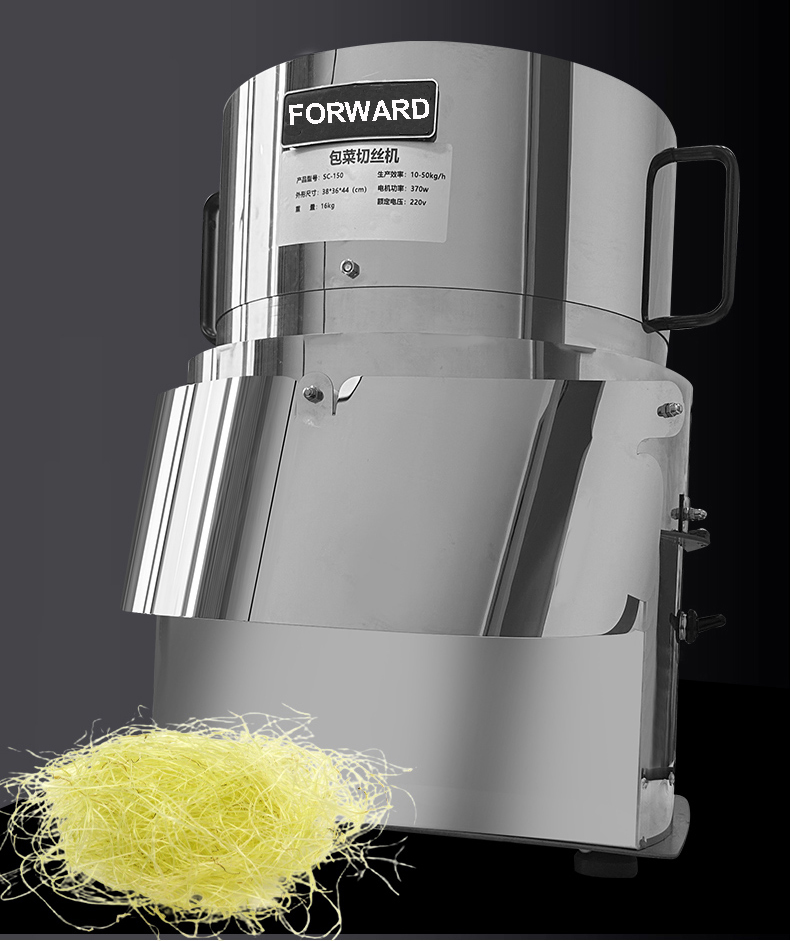
Clean blades immediately after use to avoid residue buildup. Use warm water and mild dish soap for cleaning. Avoid harsh chemicals that can damage the blade. Use a soft brush or cloth to reach tight spots. Dry blades thoroughly with a towel to prevent moisture. Store blades in a dry place to keep them safe and clean.
Credit: www.alibaba.com
Lubrication Tips
Proper lubrication keeps your cabbage shredder running smoothly and extends its life. Without lubrication, the blades may rust or stick. This leads to dull cutting and harder operation. Using the right oil and applying it correctly is key. Below are essential lubrication tips to maintain your shredder’s performance.
Choosing Food-safe Oils
Select oils that are safe for food contact. Mineral oil is a popular choice because it is odorless and tasteless. Olive oil can also work but may go rancid over time. Avoid petroleum-based oils or machine oils not meant for kitchen tools. Food-safe oils protect blades without contaminating your food.
Application Frequency
Lubricate your cabbage shredder regularly, but not too often. A good rule is to oil the blades after every 10 to 15 uses. If you use the shredder daily, oil it once a week. This schedule keeps the blades sharp and prevents rust. Too little oil causes wear; too much oil attracts dirt.
Avoiding Over-oiling
Use only a small amount of oil on the blades. Excess oil can drip onto your cabbage and cause messes. It can also attract dust and debris, leading to buildup. Apply a thin, even layer using a cloth or dropper. Wipe off any extra oil to keep your shredder clean and efficient.
Cleaning Practices
Proper cleaning practices extend the life of your cabbage shredder. Dirt and residue can cause the blades to dull and reduce the machine’s performance. Regular cleaning keeps the shredder safe and efficient. Focus on removing food particles, using safe materials, and drying the parts thoroughly.
Removing Residue
Start by unplugging the shredder for safety. Use a soft brush to remove cabbage bits stuck in the blades. Avoid using sharp tools that can damage the metal. Wipe the surfaces with a damp cloth to clear away small particles. Clean after every use to prevent buildup.
Safe Cleaning Materials
Choose gentle cleaning tools like soft cloths and brushes. Mild soap mixed with warm water works well. Avoid harsh chemicals that can harm the metal or leave harmful residues. Use food-safe oils to protect and lubricate the blades. These oils help keep the shredder working smoothly.
Drying Procedures
After cleaning, dry all parts completely. Use a clean, dry cloth to wipe moisture from the blades and body. Let the shredder air dry for a short time before reassembling. Moisture left inside can cause rust and damage. Proper drying ensures the shredder stays in top condition.

Credit: www.tibetvillageresort.com
Adjustment And Calibration
Adjustment and calibration keep your cabbage shredder working well. Proper settings improve cutting quality and prevent damage. Regular checks help maintain performance and extend the shredder’s life.
Blade Thickness Settings
Set the blade thickness according to your needs. Adjust the screws on the shredder’s back to change slice size. Thinner slices cook faster and blend better in recipes. Use a small screwdriver to make precise changes. Check thickness after adjustment to ensure it matches your preference.
Tightening Screws
Loose screws cause uneven cuts and damage the machine. Regularly check and tighten all screws on the shredder. Use the correct screwdriver size to avoid stripping screws. Tight screws hold blades firmly in place. This keeps the shredder safe and efficient during use.
Ensuring Even Cuts
Uneven cuts affect the texture and appearance of shredded cabbage. Calibrate the blades to line up perfectly before shredding. Rotate the blades slowly to check for smooth movement. Adjust blade positions to avoid gaps or overlaps. Even cuts improve cooking and presentation of dishes.
Storage Solutions
Proper storage protects your cabbage shredder and keeps it ready for use. Good storage prevents damage and extends the shredder’s life. It involves careful handling of parts like blades, controlling moisture, and choosing the right placement. These steps ensure your shredder stays sharp and clean.
Protecting Blades
Blades are the most delicate part of your shredder. Always clean them before storage to remove food residue. Use a soft cloth and mild oil to prevent rust. Avoid touching blades directly to keep them sharp. Store blades in a protective cover or case if possible. This avoids accidental damage or dulling.
Avoiding Moisture
Moisture causes rust and weakens metal parts. Dry your shredder completely after cleaning or use. Keep it in a dry place with good air circulation. Avoid storing near sinks or damp areas. Use silica gel packets or moisture absorbers to keep humidity low. Regularly check for any signs of rust or dampness.
Covering And Placement
Cover your shredder with a cloth or plastic cover to keep dust away. Choose a flat, stable surface for storage to prevent falls or bumps. Do not stack heavy items on top of the shredder. Keep it away from direct sunlight to avoid heat damage. Store it in a place that is easy to reach for quick use.
Troubleshooting Common Issues
Troubleshooting common issues with your cabbage shredder helps keep it working well. Problems like jams, dull blades, or uneven shreds can slow down your work. Understanding how to fix these issues saves time and effort. Here are some simple solutions to typical problems.
Fixing Jams
Jams happen when cabbage pieces get stuck inside the shredder. Turn off the machine before removing any blockage. Use a wooden or plastic tool to push the stuck cabbage gently. Avoid metal objects to prevent damage. Clean the shredder regularly to reduce jam chances.
Handling Dull Blades
Dull blades make shredding hard and uneven. Sharpen blades with a fine file or sharpening stone. Remove blades carefully before sharpening. Oil the blades after sharpening to keep them smooth. Replace blades if sharpening does not improve performance.
Addressing Uneven Shreds
Uneven shreds result from blade misalignment or dullness. Check blade alignment and adjust screws if needed. Clean the shredder to remove any residue blocking the blades. Use fresh, firm cabbage for best results. Regular maintenance ensures consistent shred size and quality.
Usage Best Practices
Proper usage of your cabbage shredder extends its life and improves performance. Following best practices reduces wear and prevents damage. Small habits make a big difference in how well the shredder works.
Use the shredder with care and attention to ensure smooth operation every time. Handle the cabbage and machine correctly to avoid common problems.
Preparing Cabbage Correctly
Start by removing the outer leaves of the cabbage. Wash the cabbage thoroughly to remove dirt and pesticides. Cut the cabbage into halves or quarters for easier handling. Remove the thick core before shredding. Dry the cabbage pieces well to avoid moisture buildup inside the shredder.
Feeding Techniques
Feed cabbage pieces slowly and steadily into the shredder. Avoid pushing too hard to prevent blade damage. Use a pusher tool if available to keep hands safe. Keep the cabbage aligned with the blades for even shredding. Stop feeding if the shredder slows down or jams.
Avoiding Overloading
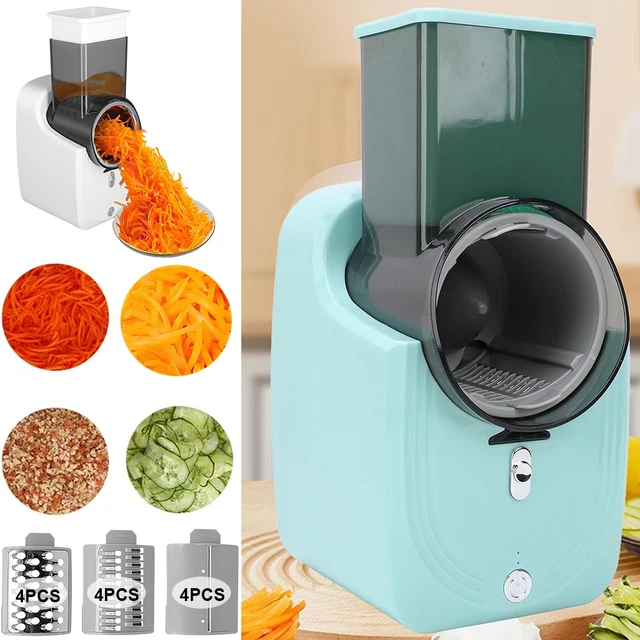
Do not put too much cabbage in at once. Overloading strains the motor and dulls the blades quickly. Shred in small batches for best results. Take breaks between batches to let the shredder cool down. Clear any stuck pieces before continuing to shred.
Credit: www.rickandanns.com
Frequently Asked Questions
How To Maintain Your Paper Shredder?
Regularly oil shredder blades using vegetable or mineral oil to prevent jams. Feed oiled paper monthly. Clean blades gently with a soft cloth. Avoid shredding thick stacks. Keep the shredder dust-free and store it in a dry place.
Do You Wash Cabbage Before Or After Shredding?
Wash cabbage before shredding to remove dirt and pesticides. Rinse thoroughly under cold water and dry well.
How To Sharpen A Bluffton Slaw Cutter?
To sharpen a Bluffton slaw cutter, remove the blades carefully. Use a fine sharpening stone or rotary tool. Sharpen blade edges evenly by moving forward. Finish by polishing to restore smoothness. Apply food-safe mineral oil to protect blades and prevent rust.
Reassemble and test for sharpness.
How Do I Clean The Blades Of My Paper Shredder?
Use a cotton swab or soft cloth to clean between blades. Apply shredder oil or rubbing alcohol to the cloth, not directly on blades. Remove dust, paper residue, and oil buildup carefully for optimal performance. Regular cleaning prevents jams and extends shredder life.
Conclusion
Regular cleaning and proper oiling keep your cabbage shredder sharp. Always dry the shredder completely after washing to avoid rust. Check blades often and tighten screws if needed. Avoid forcing hard vegetables to protect the blades. Store the shredder in a dry place when not in use.
These simple steps help your shredder last longer and work smoothly. A well-maintained shredder saves time and effort in the kitchen. Small care makes a big difference in performance and durability.

Hi, I’m Emma Carter, a passionate home cook with over 12 years of hands-on experience in home kitchens. I love testing kitchen tools, trying new recipes, and helping everyday cooks make smarter buying decisions. Every review and guide I write is based on real cooking experience, practical testing, and honest opinions, not marketing claims.