Lettuce Knife Usage Guide Simple Expert Steps for Clean Fresh Salad Cuts
Are you tired of soggy, browned lettuce ruining your fresh salads? The secret to keeping your greens crisp and vibrant lies in how you cut them—and that’s where a lettuce knife comes in.
This simple tool isn’t just any knife; it’s specially designed to slice through leafy greens without bruising or browning them. If you want to learn how to use a lettuce knife like a pro and elevate your salad game, you’re in the right place.
Keep reading, and discover easy tips that will make your lettuce look and taste better than ever before.

Credit: www.harrisseeds.com
Benefits Of A Lettuce Knife
A lettuce knife offers several benefits that improve your salad preparation. It is designed to handle leafy greens with care. Using a lettuce knife helps keep your lettuce fresh and crisp longer.
Its unique features make it better than regular kitchen knives for cutting lettuce. This tool is simple to use and keeps your salad looking appealing. Understanding these benefits will help you appreciate the value of a lettuce knife.
Serrated Edge Advantages
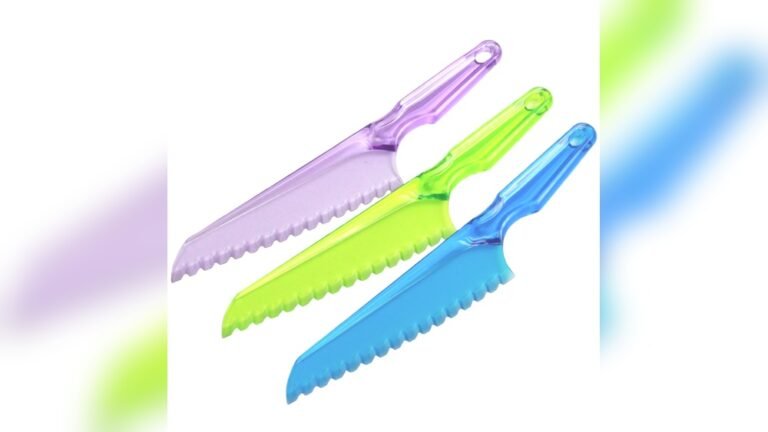
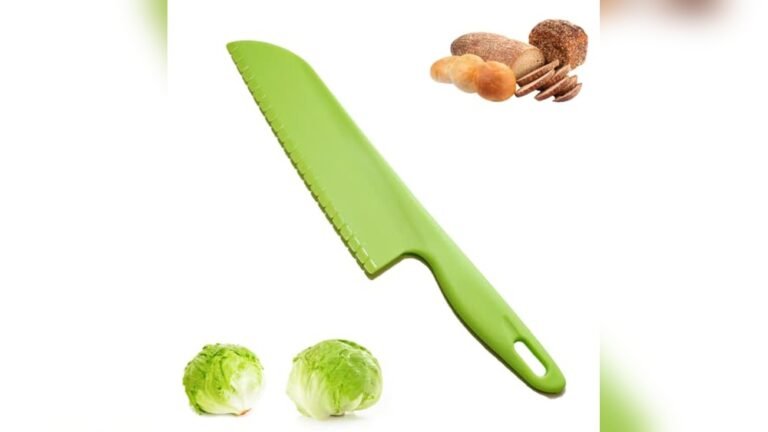
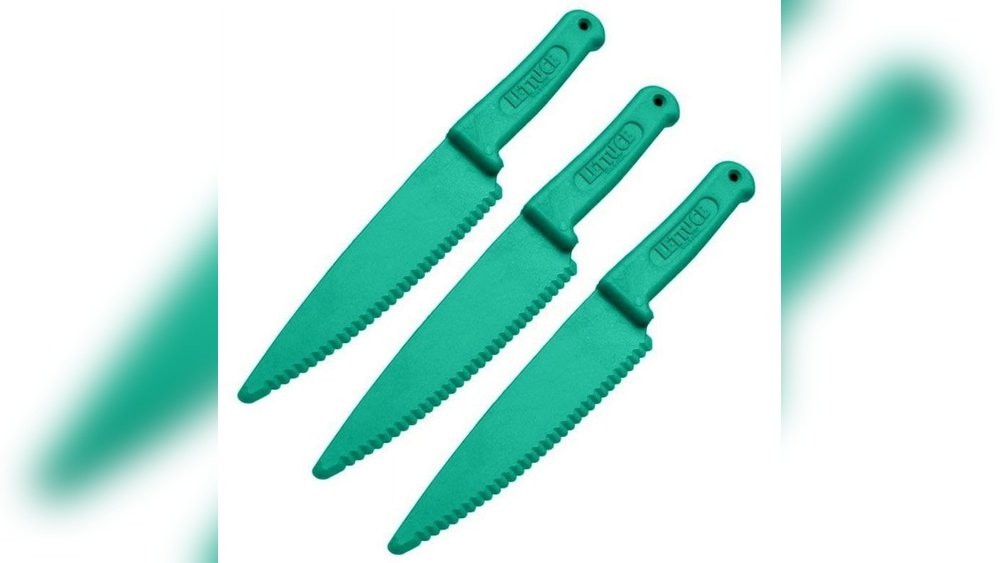
The serrated edge of a lettuce knife cuts through leaves smoothly. It grips the lettuce without crushing or bruising it. This edge design helps you slice lettuce cleanly and evenly.
It works well on delicate leaves that can tear with normal knives. The serrated blade also stays sharp longer because it does not dull quickly. This ensures consistent performance in your kitchen.
Preventing Lettuce Browning
Metal knives often cause lettuce edges to brown quickly. A lettuce knife, usually made of plastic, avoids this issue. It reduces oxidation, which keeps lettuce looking fresh for days.
Cutting lettuce with a lettuce knife slows down the browning process. This means less food waste and better-tasting salads. Your greens stay crisp and vibrant in the fridge.
Versatility Beyond Lettuce
A lettuce knife is not only for cutting lettuce. It works well on other leafy greens like spinach and kale. It can also slice soft desserts like cakes and brownies without damage.
This makes the lettuce knife a useful tool for various kitchen tasks. Its lightweight and safe design make it ideal for all skill levels. You get more value from this single kitchen tool.
Choosing The Right Lettuce Knife
Choosing the right lettuce knife affects your salad preparation and freshness. A good knife cuts cleanly without bruising the leaves. It also feels comfortable in your hand. Picking the best lettuce knife depends on material, size, grip, budget, and brand. These factors help you find a tool that suits your needs and kitchen style.
Material Options
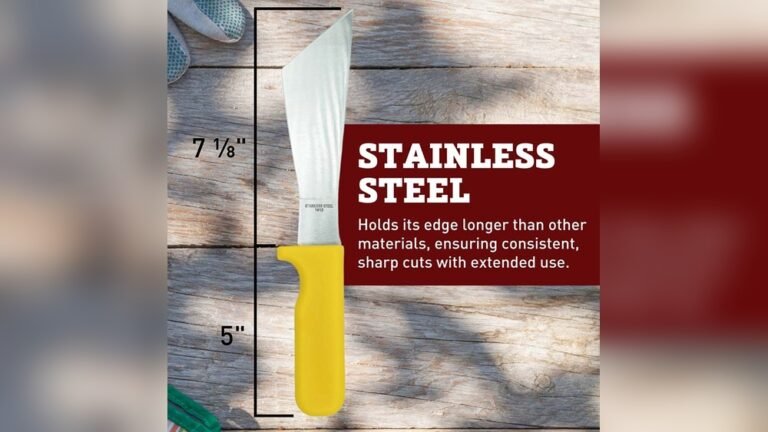
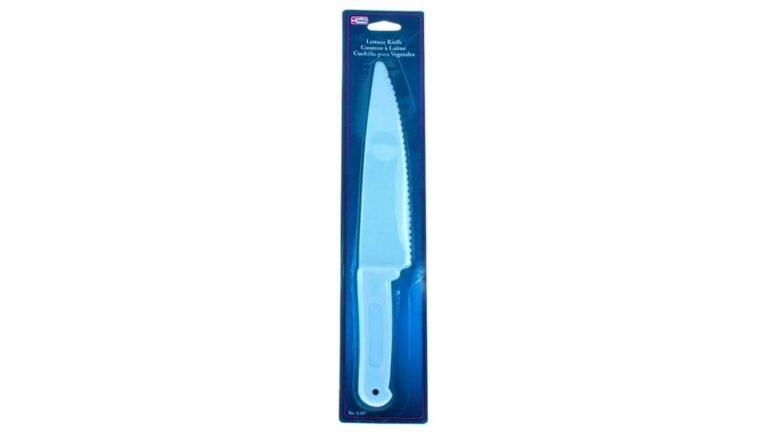
Lettuce knives come in plastic, stainless steel, and ceramic. Plastic knives prevent lettuce from browning quickly. Stainless steel knives are sharp and durable. Ceramic knives stay sharp longer but can chip easily. Choose a material that fits your cutting habits and care preferences.
Size And Grip Considerations
Pick a lettuce knife with a size that feels right in your hand. A blade length of 6 to 8 inches works well. The handle should be comfortable and non-slip. Soft grips reduce hand fatigue during long chopping sessions. A balanced knife offers better control and safety.
Budget And Brand Picks
Lettuce knives range from budget-friendly to premium models. Affordable knives work fine for occasional use. Higher-end brands offer better materials and ergonomics. Brands like OXO, Kuhn Rikon, and Westmark have good reputations. Match your budget with the features you need most.
Preparing Lettuce For Cutting
Preparing lettuce for cutting ensures fresh, crisp results in your salads and dishes. Proper preparation removes dirt, tough parts, and selects the best leaves. This process helps the lettuce knife work efficiently and keeps your salad tasty.
Washing And Drying
Start by rinsing the lettuce under cold water. Wash each leaf gently to remove dirt and bugs. Shake off excess water carefully. Use a salad spinner or pat leaves dry with a clean towel. Dry leaves prevent sogginess and help the knife cut cleanly.
Removing Core And Stems
Place the lettuce head on a cutting board. Cut off the tough core at the base with a sharp knife. Remove any thick stems that feel hard or bitter. This step makes the lettuce easier to chew and improves texture. Trim away wilted or damaged leaves as well.
Selecting Lettuce Types
Choose lettuce types based on the dish you want to prepare. Romaine offers crunch and firmness for salads and sandwiches. Butterhead is soft and tender, great for wraps. Iceberg has a mild flavor and crisp texture. Leaf lettuce is loose and delicate, perfect for mixed greens.
Techniques For Using A Lettuce Knife
Using a lettuce knife improves salad preparation by making cutting easier and cleaner. This tool is designed to handle leafy greens without bruising them. The serrated edge helps slice through the lettuce smoothly. Below are simple techniques to use a lettuce knife effectively.
Quartering And Core Removal
Start by cutting the lettuce head into four equal parts. Hold the lettuce steady on the cutting board. Slice straight down with the lettuce knife to quarter it. Next, remove the tough core from each quarter. Use the knife tip to pry out the core gently. This step makes the leaves easier to separate and clean.
Shredding And Slicing Tips
Lay a lettuce quarter flat on the board. Hold the knife at a slight angle for better control. Use a gentle back-and-forth motion to shred the leaves. Keep the slices thin for a delicate texture. Avoid pressing too hard to maintain leaf freshness. Shredding this way helps salads look fresh and crisp.
Avoiding Leaf Bruising
Plastic lettuce knives reduce browning and bruising. Cut slowly and do not twist the knife. Use gentle, smooth cuts to protect the leaves. Handle lettuce with care to keep it crisp. Avoid metal knives, which can damage leaf edges. Proper cutting preserves color and taste longer.
Cleaning And Maintaining Your Lettuce Knife
Keeping your lettuce knife clean and well-maintained ensures it lasts longer and works better. Proper care prevents rust, dullness, and damage. This section guides you through washing, storing, and sharpening your lettuce knife.
Proper Washing Methods
Rinse the knife under warm water immediately after use. Use mild dish soap and a soft sponge to clean the blade. Avoid abrasive scrubbers that can scratch the surface. Dry the knife thoroughly with a clean towel. Do not leave it soaking in water, as this can damage the handle and blade.
Storage Tips
Store your lettuce knife in a dry place to avoid moisture buildup. Use a knife block or a protective sheath to prevent dulling. Keep it separate from other knives to avoid scratches. Avoid tossing it loosely in a drawer, as this can cause damage. Proper storage extends the knife’s life and keeps it safe to use.
Sharpening Plastic Vs Metal Knives
Plastic lettuce knives rarely need sharpening. If dull, clean the blade and gently rub it with fine sandpaper. Metal lettuce knives need regular sharpening to stay effective. Use a whetstone or a sharpening tool designed for serrated blades. Sharpen slowly, maintaining the knife’s original angle. Proper sharpening keeps cuts clean and prevents bruising of lettuce leaves.

Credit: www.wincous.com
Common Mistakes To Avoid
Using a lettuce knife is simple but easy to get wrong. These common mistakes can spoil your salad and cause frustration. Avoid them to keep your lettuce fresh and crisp. Keep your cutting safe and clean with these tips.
Using Metal Knives On Lettuce
Metal knives can bruise lettuce leaves. They cause the edges to turn brown quickly. This happens because metal blades cut too harshly. Lettuce knives have serrated plastic edges to prevent this. Using a metal knife reduces the freshness and appearance of your salad.
Cutting Without A Stable Surface
Always use a firm cutting board. Cutting lettuce on an unstable surface is dangerous. The knife can slip and cause injuries. A stable surface helps you slice evenly and safely. It also keeps the lettuce from bruising under pressure.
Ignoring Knife Hygiene
Clean your lettuce knife before and after use. Dirty knives spread bacteria to your food. This can cause foodborne illness. Washing the knife keeps lettuce fresh and safe to eat. Regular cleaning also prevents bad smells and stains.
Creative Uses For Lettuce Knife
The lettuce knife is more than a salad tool. Its serrated edge and plastic blade offer unique uses beyond cutting greens. Creative cooks find new ways to use it in the kitchen. This section explores some surprising and practical ideas.
Cutting Soft Fruits
The lettuce knife cuts soft fruits like tomatoes and peaches smoothly. It prevents bruising and keeps fruit shapes intact. The serrated edge grips the skin gently. This knife works well for delicate fruits that crush easily.
Slicing Cakes And Brownies
Use the lettuce knife to slice cakes and brownies cleanly. It cuts through soft textures without tearing. The plastic blade reduces sticking, making neat slices easy. This tool helps serve desserts with a polished look every time.
Kid-friendly Kitchen Tool
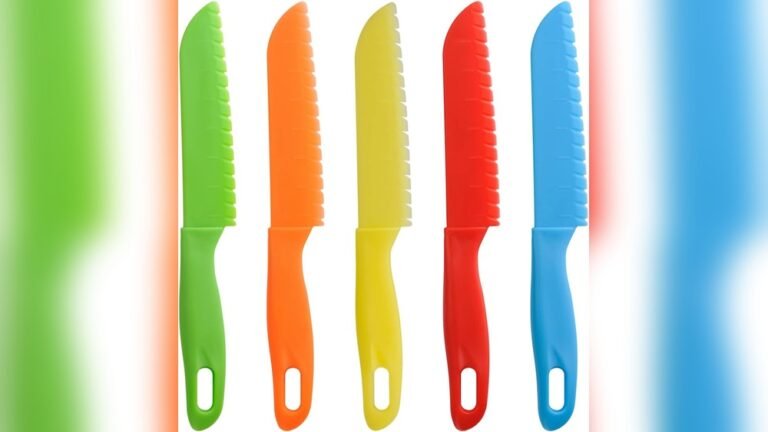
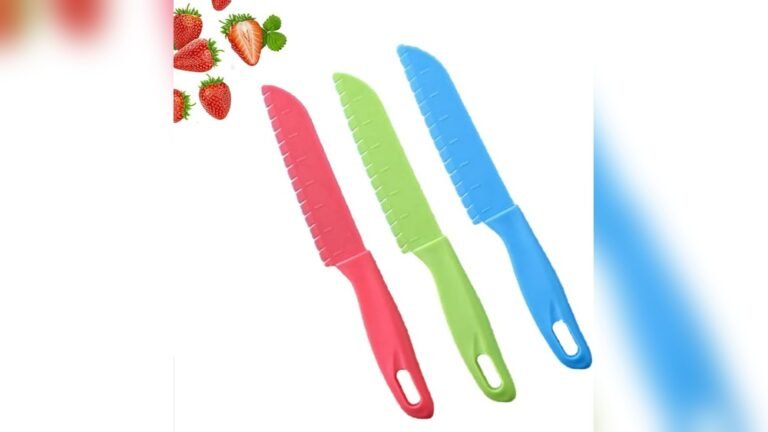
The plastic lettuce knife is safe for kids to use. It has no sharp metal edges, reducing injury risks. Children can practice cutting fruits, veggies, and sandwiches. This tool encourages young cooks to gain confidence in the kitchen.

Credit: www.amazon.com
Frequently Asked Questions
How To Use A Lettuce Knife?
Wash and dry the lettuce. Use the serrated edge of the lettuce knife to cut or shred leaves. Avoid metal knives to prevent browning. Cut gently to keep leaves fresh and crisp.
Is A Lettuce Knife Worth Buying?
A lettuce knife prevents browning by using a serrated plastic blade, making salad preparation fresher and easier. It’s versatile and safe to use.
What Is The Use Of Lettuce Knife?
A lettuce knife safely chops leafy greens without causing browning. Its serrated plastic blade preserves freshness and texture in salads.
Are You Supposed To Cut Lettuce With A Knife?
You can cut lettuce with a knife, but use a plastic or serrated lettuce knife to prevent browning. Sharp metal knives may cause edges to brown faster. Always wash and dry lettuce before cutting for freshness.
Conclusion
Using a lettuce knife makes cutting greens simple and neat. It helps keep lettuce fresh longer by preventing browning. The serrated edge easily slices through leaves without crushing them. Practice a few times to get comfortable with the tool. This small change can improve your salad prep and presentation.
Remember, a lettuce knife is safe and easy for everyone to use. Try it in your kitchen and enjoy crisp, fresh salads every time.

Hi, I’m Emma Carter, a passionate home cook with over 12 years of hands-on experience in home kitchens. I love testing kitchen tools, trying new recipes, and helping everyday cooks make smarter buying decisions. Every review and guide I write is based on real cooking experience, practical testing, and honest opinions, not marketing claims.