Maintenance Tips for Lettuce Knife
If you love fresh, crisp salads, you know the difference a good lettuce knife can make. But to keep your lettuce knife performing at its best, proper care and maintenance are key.
You might wonder how to clean it without dulling the blade or what storage methods will prolong its life. This guide gives you simple, practical tips that anyone can follow to keep your lettuce knife sharp, safe, and ready for your next salad prep.
Stick with me, and you’ll learn easy habits that protect your investment and make every cut smooth and effortless. Ready to become a lettuce knife care pro? Let’s dive in!
Credit: knifewear.com
Lettuce Knife Features
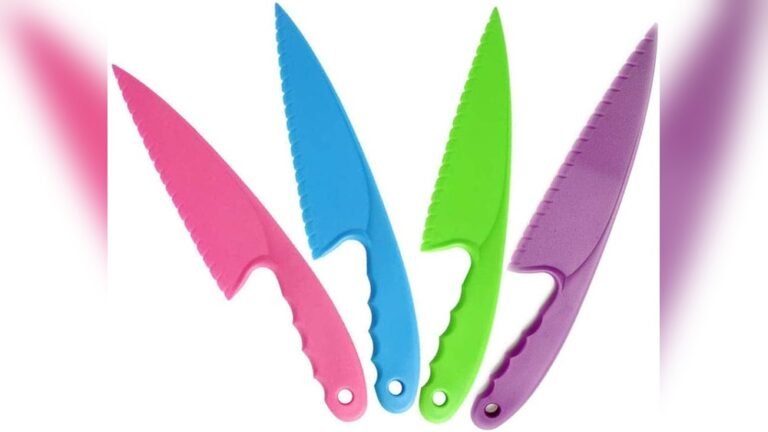
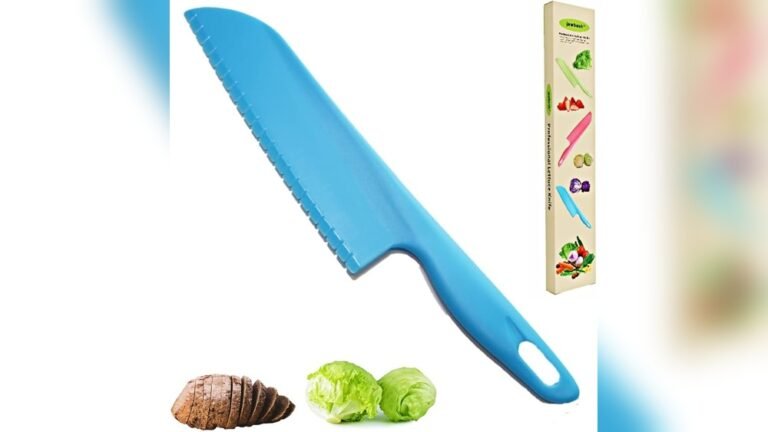
The features of a lettuce knife make it a useful tool in any kitchen. Designed specifically to handle delicate greens, this knife prevents bruising and browning of lettuce leaves. Its unique build helps keep salads fresh and crisp, improving the overall eating experience.
Knowing the key features helps in choosing the right lettuce knife and maintaining it properly. The blade type, material, and handle design all affect its performance and durability.
Serrated Blade Benefits
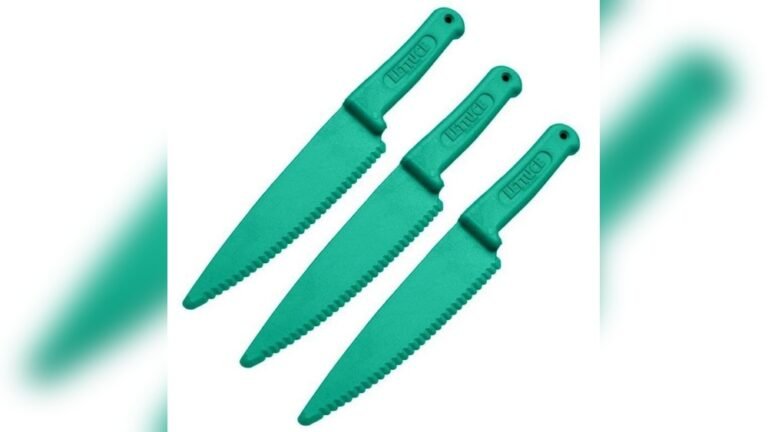
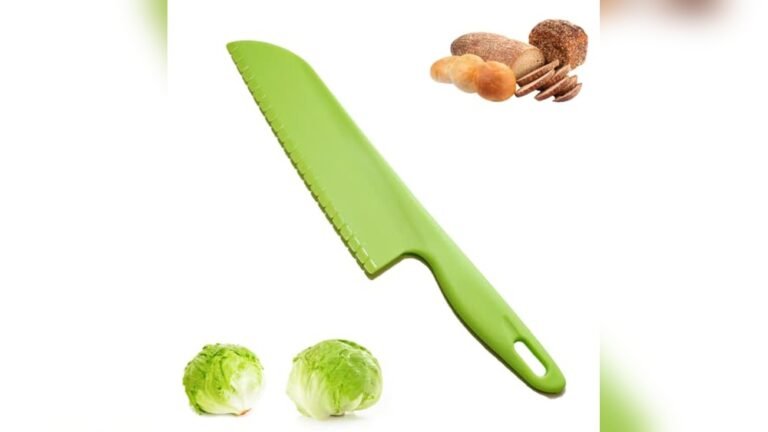
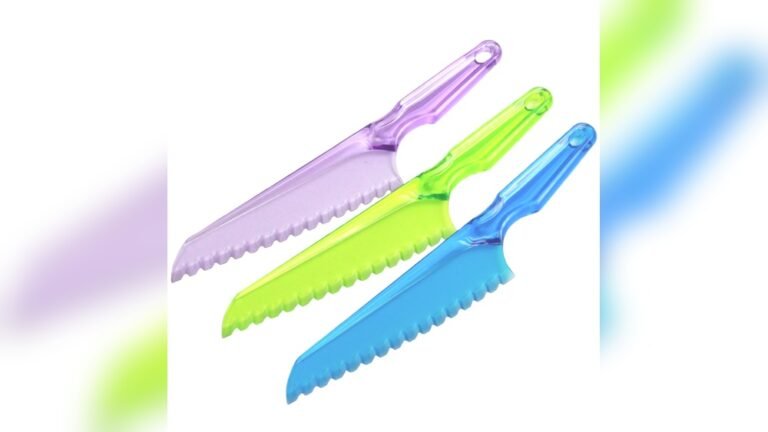
The serrated blade cuts lettuce cleanly without crushing it. This edge grips the leaf, creating smooth slices with less pressure. It reduces damage to delicate leaves, keeping salads fresh longer. Serrations stay sharp for a long time, requiring less frequent sharpening.
Plastic Vs Metal Blades
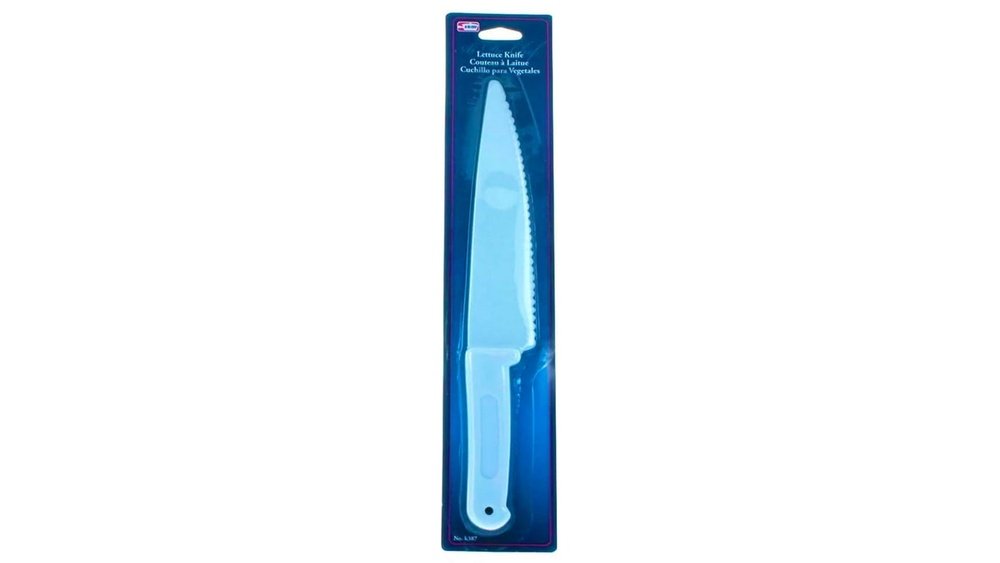
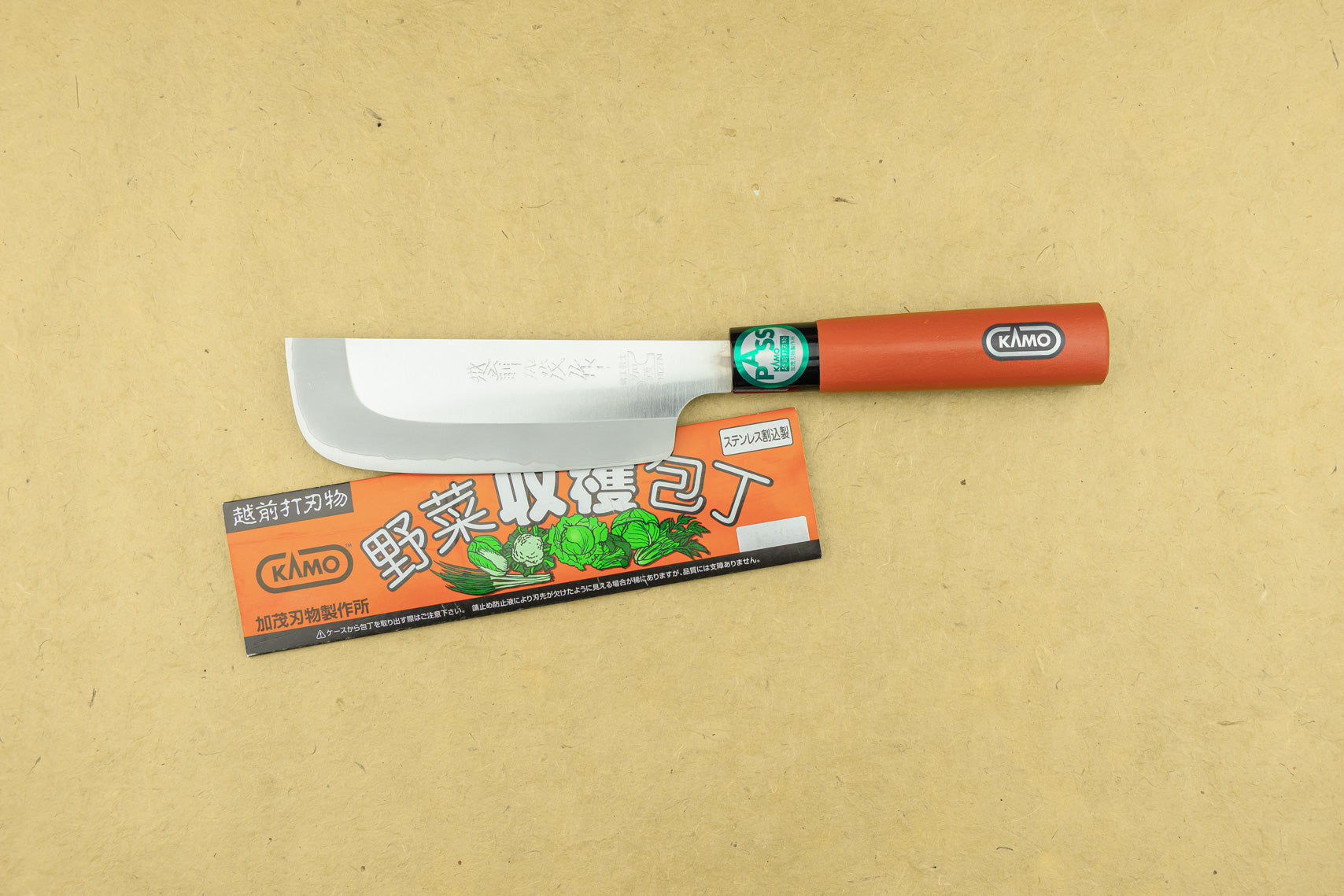
Plastic blades do not cause lettuce to brown quickly. They resist oxidation, which keeps cut edges fresh. Plastic knives are safer for kids and avoid rust. Metal blades offer sharper cuts and last longer with proper care. They handle tougher vegetables but may brown lettuce faster.
Ergonomic Handle Design
Comfortable handles reduce hand fatigue during cutting. Ergonomic designs provide a firm, secure grip. This improves control and safety while slicing lettuce. Handles made of non-slip materials prevent accidents. A well-designed handle makes the knife easier to use daily.

Credit: www.terrateck.com
Cleaning Techniques
Proper cleaning techniques keep your lettuce knife sharp and safe. Dirt, sap, and moisture can damage the blade over time. Clean your knife right after use to avoid rust and stains. Use gentle methods to protect the serrated edge. Follow simple steps to maintain your knife’s quality and performance.
Hand Washing Tips
Always hand wash your lettuce knife with warm water. Use mild dish soap to remove residue gently. Avoid soaking the knife for long periods. Rinse thoroughly to remove all soap. Clean both sides of the blade and the handle carefully.
Avoiding Abrasive Materials
Do not use steel wool or rough scrubbers on your knife. Abrasive materials can scratch and dull the blade. Soft sponges or cloths work best for cleaning. These materials protect the serrated edge and finish. Gentle cleaning extends the knife’s lifespan.
Drying Methods
Dry your lettuce knife immediately after washing. Use a clean, absorbent towel to remove all moisture. Avoid air drying, which can cause rust spots. Store the knife in a dry place to keep it sharp. Proper drying prevents corrosion and damage over time.
Sharpening Methods
Proper sharpening keeps your lettuce knife effective and safe. A sharp blade cuts cleanly through leaves without bruising. This preserves the lettuce’s freshness and texture. Different sharpening methods suit various knife types and serrations.
Tools For Sharpening
Use a sharpening stone for smooth-edged lettuce knives. Choose a fine grit stone for gentle sharpening. For serrated blades, use a ceramic rod or a tapered diamond file. These tools fit into the small serrations and restore sharpness precisely. Avoid electric sharpeners as they can damage the blade.
Maintaining Serrated Edges
Serrated edges need careful attention to keep their shape. Use a small round sharpening rod to clean each serration. Move the rod gently through the teeth, matching the blade angle. Do not sharpen the flat side of the blade often; just clean it with a fine stone. Regular maintenance prevents dullness and keeps slicing smooth.
Sharpening Frequency
Sharpen your lettuce knife every few weeks if used daily. Check blade sharpness by slicing a tomato or paper. If the knife tears rather than slices, it needs sharpening. Avoid waiting for the blade to become very dull. Frequent light sharpening extends the knife’s life and performance.
Storage Solutions
Proper storage is essential to keep your lettuce knife in top shape. Good storage prevents damage and extends the knife’s lifespan. It also ensures safety in your kitchen. Below are key tips on storing your lettuce knife effectively.
Safe Knife Storage
Store your lettuce knife in a dedicated knife block or magnetic strip. These options keep the knife secure and easy to access. Avoid tossing the knife in a drawer where it can get damaged or cause injury. Safe storage protects both the blade and your hands.
Protecting The Blade
Use blade guards or sheaths to cover the knife’s edge during storage. This prevents the blade from dulling or chipping. Keep the blade clean and dry before storing to avoid buildup that can harm the edge. Protecting the blade maintains sharpness and cutting performance.
Avoiding Moisture Damage
Moisture leads to rust and corrosion on your lettuce knife. Always dry the knife completely after washing. Store it in a dry, well-ventilated area to prevent moisture buildup. Avoid storing the knife near sinks or dishwashers where humidity is high.
Usage Tips
Using a lettuce knife properly extends its life and keeps your salads fresh. Simple tips help you get the best results every time. Follow these usage tips to maintain your lettuce knife and improve your kitchen experience.
Proper Cutting Techniques
Hold the knife firmly but comfortably. Use a gentle sawing motion to cut lettuce. Avoid pressing too hard, which can bruise the leaves. Cut on a clean, stable surface to prevent accidents. Always slice through lettuce rather than crushing it. This keeps the leaves crisp and fresh.
Preventing Lettuce Browning
Cut lettuce just before serving to reduce browning. Use a plastic or coated lettuce knife to avoid oxidation. Avoid metal knives as they can cause lettuce to turn brown faster. Store cut lettuce in a sealed container with a damp paper towel. This keeps moisture in and slows discoloration.
Multi-purpose Uses
A lettuce knife can handle more than just lettuce. Use it to cut soft fruits like strawberries and kiwis. It works well for slicing delicate cakes and brownies without squashing them. The serrated edge helps slice through soft foods cleanly. This tool saves space by serving many kitchen tasks.
Safety Practices
Safety is the top priority when using a lettuce knife. Proper safety practices reduce injury risks and keep the knife in good shape. Understanding how to handle, cut, and store the knife makes all the difference in your kitchen routine.
Handling And Grip
Hold the lettuce knife firmly but not too tight. A steady grip gives better control and stops slips. Use your dominant hand and keep fingers away from the blade edge. Always handle the knife with care and avoid distractions.
Cutting Direction
Cut lettuce away from your body. This keeps your hands safe from the blade. Use a smooth, gentle sawing motion with the serrated edge. Do not press down hard or rush through cutting. Careful cutting helps avoid accidents and keeps lettuce fresh.
Storing When Not In Use
Store the lettuce knife in a safe place after use. Use a knife block or sheath to cover the blade. Avoid leaving the knife loose in drawers. Proper storage protects the blade and prevents accidental cuts when reaching for it.

Credit: www.terrateck.com
Frequently Asked Questions
How Should You Care For And Maintain Your Knives?
Hand wash knives with warm, soapy water using a soft sponge. Avoid dishwashers and soaking. Dry knives thoroughly with a towel. Store knives safely to prevent damage. Sharpen blades regularly for optimal performance.
Does Cutting Lettuce With A Plastic Knife Keep It From Turning Brown?
Cutting lettuce with a plastic knife reduces browning by preventing oxidation. Plastic blades cause less damage than metal knives.
Is A Lettuce Knife Worth Buying?
A lettuce knife is worth buying for its serrated edge that prevents browning and ensures clean, fresh cuts. It also works well for slicing cakes and brownies.
What Are The 9 Safety Guidelines For Knives?
The 9 safety guidelines for knives are: sit while carving, carve away from your body, keep an arm’s length distance, use sharp blades only, open one tool at a time, stow knives when unused, pass knives closed, never carve living trees, and handle knives securely.
Conclusion
Proper care keeps your lettuce knife sharp and safe. Always wash it gently with warm, soapy water. Avoid harsh scrubbing or the dishwasher to prevent damage. Dry the knife thoroughly after washing to stop rust. Store it in a dry place away from other tools.
Regular maintenance extends the knife’s life and performance. A well-kept lettuce knife makes salad preparation easier and more enjoyable. Simple habits protect your tool and ensure fresh, crisp cuts every time. Keep these tips in mind for lasting results.

Hi, I’m Emma Carter, a passionate home cook with over 12 years of hands-on experience in home kitchens. I love testing kitchen tools, trying new recipes, and helping everyday cooks make smarter buying decisions. Every review and guide I write is based on real cooking experience, practical testing, and honest opinions, not marketing claims.