How to Pick the Right Lettuce Knife Size for Clean Cuts and Better Salad Prep
When it comes to cutting lettuce, using the right knife can make all the difference in keeping your greens fresh, crisp, and visually appealing. But how do you choose the perfect size for a lettuce knife that fits your needs?
Whether you’re prepping a small salad or handling large leafy heads, understanding the size guide for lettuce knives helps you work smarter and faster in the kitchen. You’ll discover which lettuce knife size suits your cutting style, why the blade shape matters, and how the right knife can prevent bruising or browning of your lettuce.
Read on to find the ideal lettuce knife that will transform your meal prep and keep your salads looking and tasting their best.

Credit: www.harrisseeds.com
Choosing The Right Lettuce Knife
Choosing the right lettuce knife can make a big difference in food preparation. It helps cut lettuce cleanly without bruising or crushing the leaves. A good knife improves efficiency and keeps salads fresh and appealing. Understanding the types, materials, and blade features guides your choice for best results.
Types Of Lettuce Knives
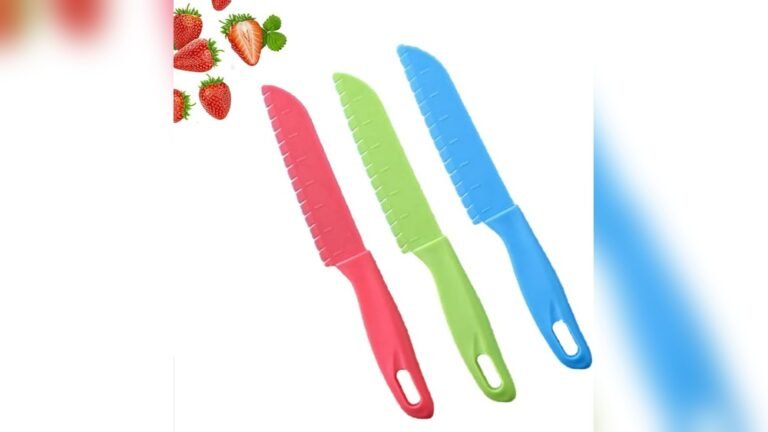
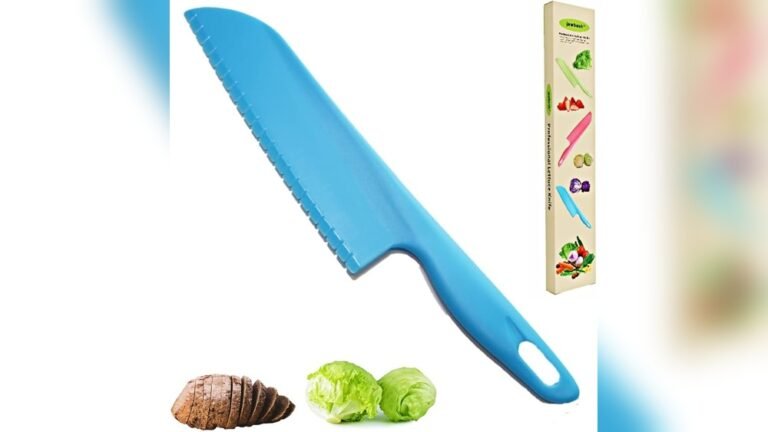
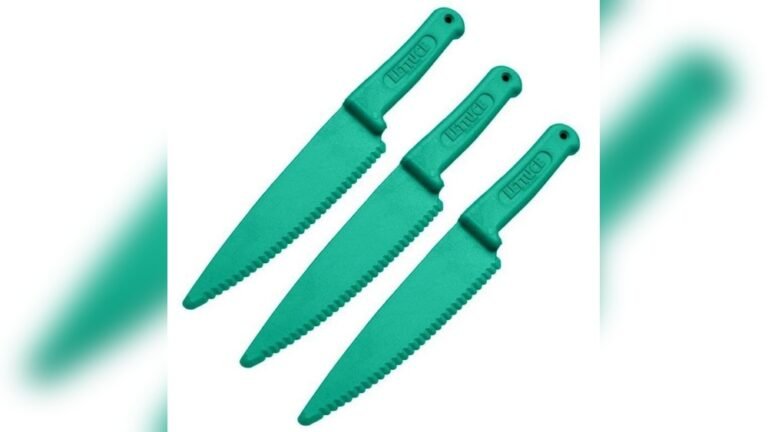
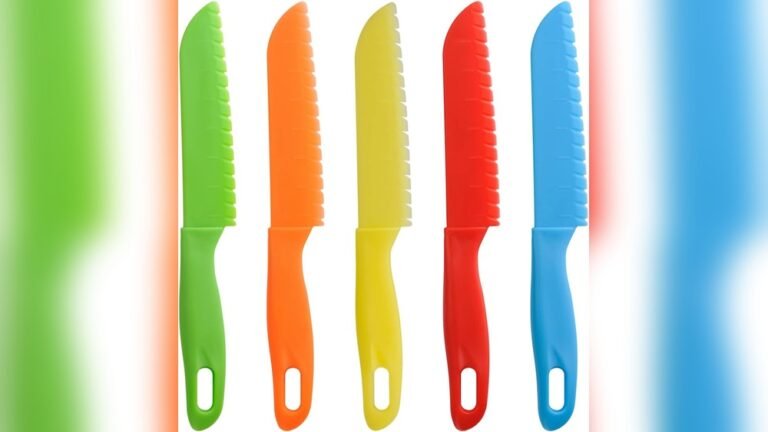
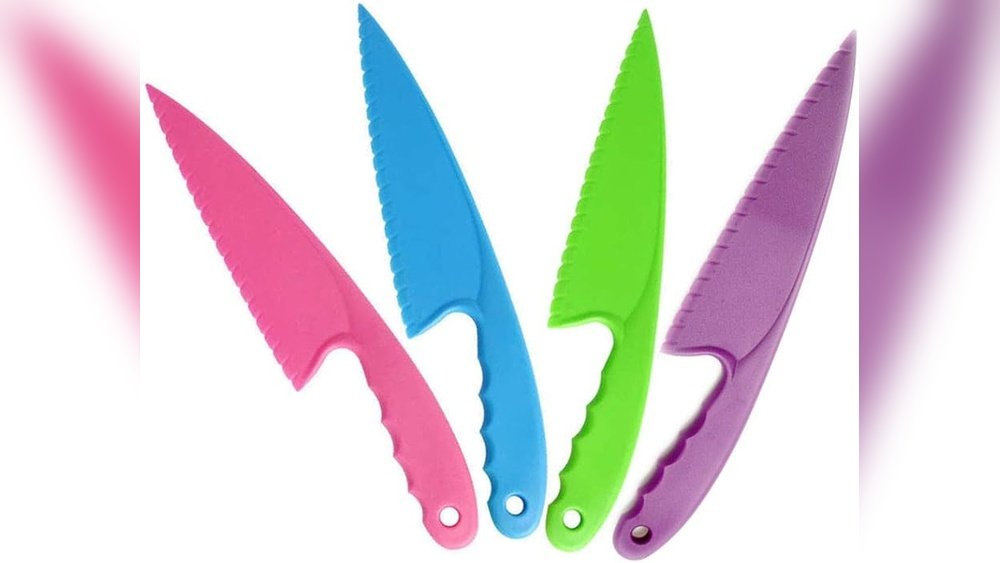
There are three main types of lettuce knives. Serrated knives have small teeth that cut through lettuce easily. They prevent squashing by sawing gently. Straight-edge knives offer smooth cuts but need sharper blades. Some knives combine features of both for versatility.
Material Options
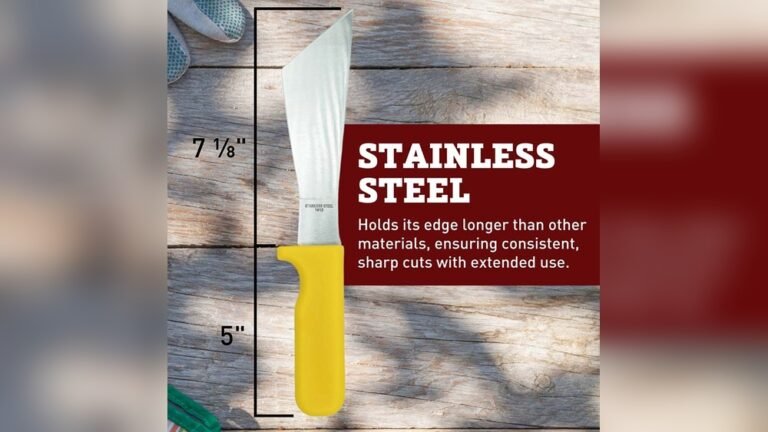
Most lettuce knives come in stainless steel, plastic, or ceramic. Stainless steel blades are strong and last long. Plastic knives are safe and perfect for kids or plastic cutting boards. Ceramic knives stay sharp but can chip if dropped. Choose material based on use and care.
Blade Design Features
The blade design affects cutting performance. Serrated edges help slice soft and leafy vegetables. Smooth edges are best for precise, clean cuts. Some knives have a curved blade to follow the lettuce shape. A comfortable handle improves control and reduces hand fatigue.
Knife Sizes For Different Lettuce Types
Choosing the right knife size makes cutting lettuce easier and cleaner. Different lettuce types need different knife sizes. Using the proper knife helps keep leaves fresh and undamaged. This guide explains which knife size fits each lettuce type.
Small Knives For Tender Leaves
Small knives work best for delicate lettuce like butter lettuce or baby spinach. Their short blades give better control and precision. They slice gently without crushing fragile leaves. Small knives fit well in tight spaces and help create neat, even cuts.
Medium Knives For Mixed Greens
Medium-sized knives suit mixed greens that combine tender and firmer leaves. These knives balance control and strength. They cut through various leaf textures easily. Medium knives speed up prep while keeping greens fresh and crisp.
Large Knives For Head Lettuce
Large knives handle dense head lettuce such as iceberg or romaine. Their long, sturdy blades slice through thick layers smoothly. Large knives reduce cutting time and effort. They also allow clean, even cuts that preserve leaf structure.
Cutting Techniques For Crisp Salads
Cutting lettuce properly keeps salads fresh and crisp. Using the right techniques prevents damage to leaves. A good lettuce knife helps achieve perfect cuts. This section explains key cutting methods for crisp salads.
Slicing Vs. Chopping
Slicing cuts lettuce into long, thin pieces. It keeps leaves intact and crisp. Chopping creates smaller, rough pieces. It can bruise lettuce and cause faster wilting. Use slicing for a delicate texture. Chop only when making chunky salads.
Using The Serrated Edge
Serrated edges grip slippery lettuce well. They cut cleanly without crushing leaves. This edge type works best for soft or leafy greens. Use gentle sawing motions with a serrated knife. Avoid pressing too hard to keep lettuce fresh.
Avoiding Bruising And Browning
Handle lettuce gently to avoid bruising. Use a sharp knife to make clean cuts. Dull blades tear leaves and cause browning. Cut lettuce just before serving for best freshness. Store cut lettuce in cool, moist conditions to slow browning.
Maintaining Your Lettuce Knife
Maintaining your lettuce knife ensures it stays sharp and lasts longer. Proper care helps keep the blade clean and rust-free. Regular maintenance improves cutting performance and safety. Below are simple steps to keep your lettuce knife in top shape.
Sharpening Tips
Use a fine sharpening stone or a sharpening rod. Hold the knife at a consistent angle while sharpening. A 15 to 20-degree angle works well for most lettuce knives. Sharpen both sides evenly for a balanced edge. Test sharpness by slicing through a piece of lettuce. Repeat sharpening if the blade feels dull.
Cleaning And Storage
Wash your lettuce knife with warm, soapy water after each use. Avoid putting it in the dishwasher to prevent damage. Dry the knife thoroughly with a soft cloth to stop water spots. Store the knife in a knife block or on a magnetic strip. Keep it separate from other utensils to avoid dulling the blade.
Preventing Rust And Damage
Apply a light coat of food-safe oil on the blade after cleaning. This protects the metal from moisture and rust. Avoid cutting hard items like bones or frozen food. Use a cutting board made of wood or plastic to protect the blade’s edge. Regularly inspect the knife for chips or cracks to address damage early.
Comparing Lettuce Knives To Other Kitchen Knives
Choosing the right knife for lettuce affects your kitchen experience. Lettuce knives differ from other kitchen knives in design and function. Their unique features help cut leafy greens cleanly without bruising. Understanding these differences helps you pick the best tool for fresh salads and garnishes.
Chef’s Knives And Santoku Knives
Chef’s knives and Santoku knives are all-purpose tools. They have sharp, straight edges that work well on many foods. These knives can slice lettuce but may bruise delicate leaves. They require frequent sharpening to keep their edges smooth. Their broad blades help with chopping but lack serrations for leafy greens.
Bread Knives For Leafy Greens
Bread knives have long, serrated blades. Serrations grip lettuce leaves without crushing them. This makes slicing easier and cleaner. Bread knives are less sharp than chef’s knives but cut through tough outer leaves well. They are a great alternative for lettuce if you do not have a lettuce knife.
Plastic Vs. Metal Blades
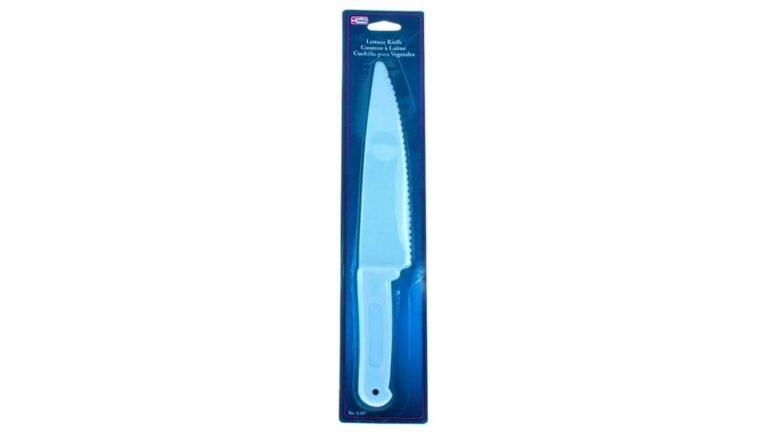
Lettuce knives often have plastic blades to prevent browning. Metal blades can cause lettuce to brown faster due to oxidation. Plastic blades are gentle and safe for leafy greens. Metal blades offer sharper cuts but may damage delicate lettuce. Choosing plastic or metal depends on how you use the knife and the lettuce type.

Credit: www.bootstrapfarmer.com
Where To Buy Lettuce Knives
Finding the right place to buy a lettuce knife makes all the difference. Choosing a quality knife helps you cut lettuce cleanly and easily. Several options exist, from popular brands to various shopping methods. Understanding where to buy helps you pick the best knife for your kitchen needs.
Popular Brands
Many brands offer lettuce knives designed for crisp cutting. Victorinox is known for durable, sharp blades. Wüsthof provides high-quality stainless steel knives. Kyocera sells ceramic lettuce knives that stay sharp longer. These brands deliver reliable tools trusted by chefs worldwide.
Online Vs. In-store Options
Buying online offers a wide selection and customer reviews. Sites like Amazon and specialty kitchen stores have many lettuce knives. Shopping in-store lets you hold and feel the knife. Stores like Bed Bath & Beyond or Williams Sonoma provide expert advice. Both options have benefits depending on your needs.
Price Ranges And Value
Lettuce knives come in various price ranges. Budget knives start around $10 and work well for basic use. Mid-range knives cost between $20 and $50 and offer better durability. Premium knives may exceed $50, featuring superior materials and craftsmanship. Choosing value depends on how often you use the knife.

Credit: www.amazon.com
Frequently Asked Questions
What Knife Is Best For Cutting Lettuce?
A sharp chef’s or Santoku knife works well for cutting lettuce. Serrated bread knives also slice without crushing.
How To Tell If Your Knife Is 15 Or 20?
Check the blade’s sharpening angle: 15 degrees means a sharper, thinner edge; 20 degrees is thicker and more durable. Use a Sharpie to mark the edge and see which angle removes the ink evenly. Manufacturer info or angle guides also help identify the knife angle accurately.
Is A 6 Inch Or 8 Inch Chef Knife Better?
An 8-inch chef knife offers versatility for most tasks, while a 6-inch knife provides better control and precision. Choose based on your cutting style and comfort.
What Knife Cut Is 1/4 By 1/4 By 1/4?
A 1/4 by 1/4 by 1/4 inch knife cut is called a small dice. It creates uniform, cube-shaped pieces.
Conclusion
Choosing the right size lettuce knife makes cutting easier and neater. Smaller knives offer better control for delicate leaves. Larger blades help with big heads of lettuce. Sharp knives slice cleanly without bruising the greens. Using a serrated edge can prevent crushing.
Remember to pick a knife that fits your hand well. This guide helps you find the perfect lettuce knife size. Enjoy fresh, crisp salads made simple and fast. Keep your knife sharp, and cutting lettuce becomes a pleasant task.

Hi, I’m Emma Carter, a passionate home cook with over 12 years of hands-on experience in home kitchens. I love testing kitchen tools, trying new recipes, and helping everyday cooks make smarter buying decisions. Every review and guide I write is based on real cooking experience, practical testing, and honest opinions, not marketing claims.