How to Store a Lettuce Knife Expert Tips for Safety and Long Lasting Freshness
You’ve just sliced fresh lettuce with your special lettuce knife, and now you want to keep both your knife and greens in perfect shape. But how exactly should you store your lettuce knife to maintain its sharpness and prevent any damage?
If you’ve ever struggled with dull blades or wondered why your lettuce turns brown after cutting, this guide is for you. By learning the right way to store your lettuce knife, you’ll ensure every salad you make stays crisp and fresh, and your knife stays ready for action.
Keep reading to discover simple, effective tips that will change the way you handle your kitchen tools and keep your lettuce looking its best.
Choosing The Right Lettuce Knife
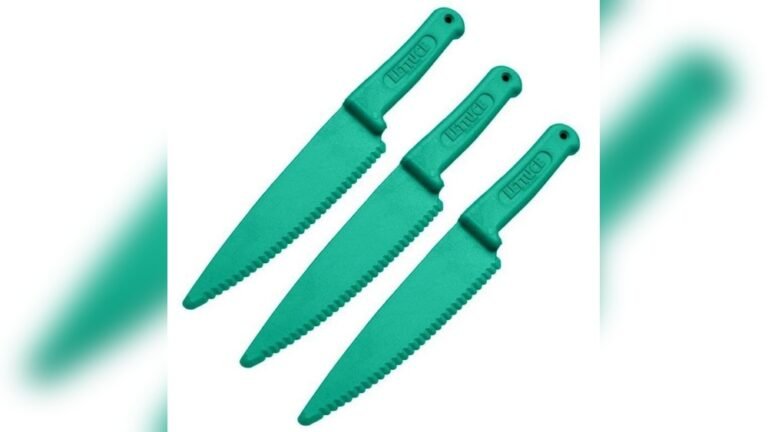
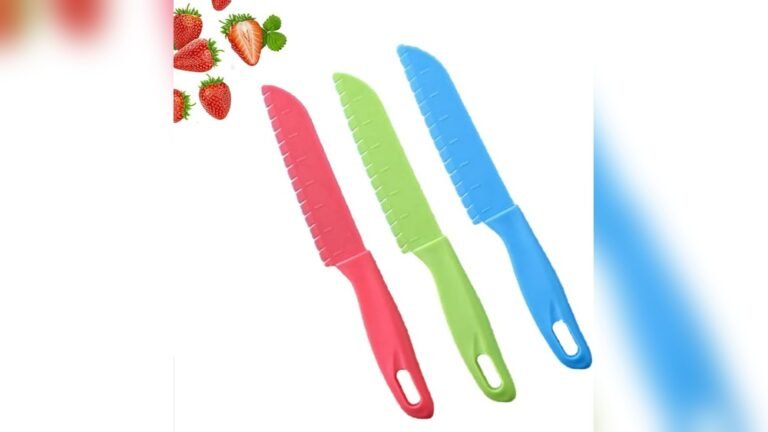
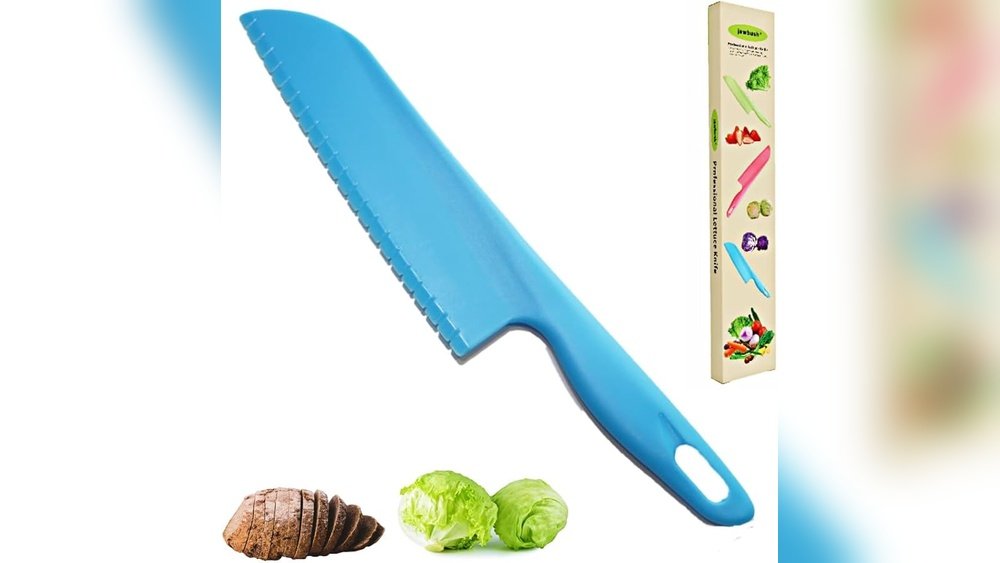
Choosing the right lettuce knife plays a big role in keeping lettuce fresh and crisp. The type of blade affects how the lettuce is cut and stored. Using the proper knife reduces browning and helps maintain freshness longer. Understanding the differences between plastic and metal blades, serrated edges, and materials helps pick the best knife for your needs.
Plastic Vs Metal Blades
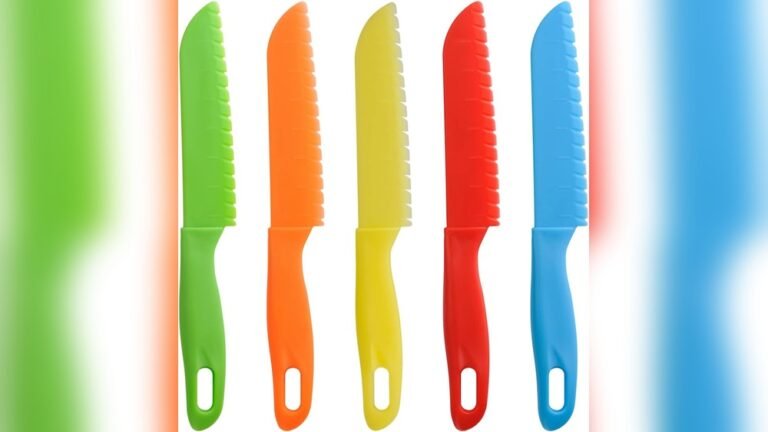
Plastic blades do not bruise lettuce leaves as much as metal ones. They help prevent browning by minimizing oxidation. Metal blades cut clean but can cause lettuce edges to darken faster. Plastic knives are safer and work well for delicate greens. Metal knives offer durability but may shorten lettuce freshness if not used carefully.
Serrated Edges Benefits
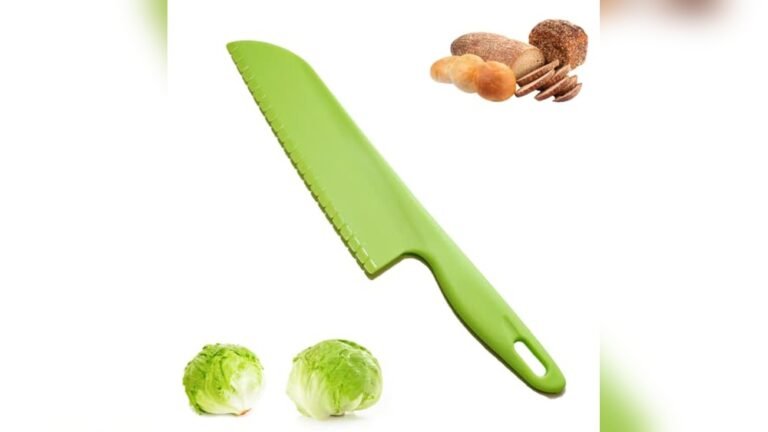
Serrated edges grip lettuce leaves better during cutting. They reduce crushing and tearing of the leaves. This helps lettuce keep its natural moisture and crispness. A serrated lettuce knife slices through leaves smoothly. It is ideal for preparing salads without damaging the texture.
Knife Material And Freshness
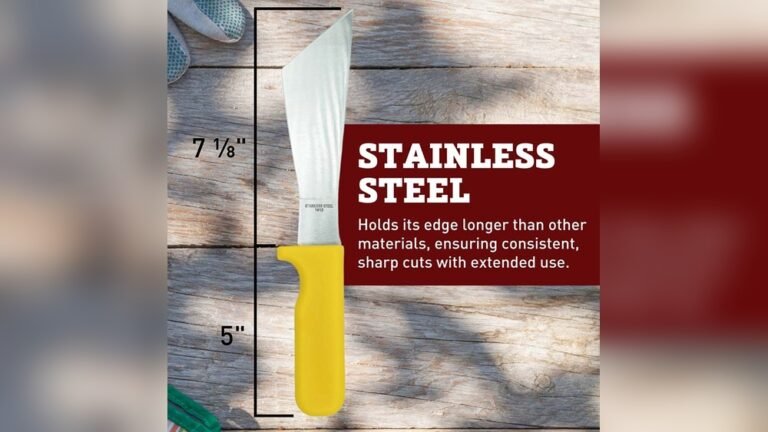
Knife material affects how lettuce reacts after cutting. Nylon or plastic materials slow down browning by limiting metal contact. Stainless steel knives are strong but can speed up discoloration. Choosing non-metal knives helps keep lettuce fresh longer. Proper knife choice supports better storage and reduces waste.

Credit: mytoolsforliving.com
Cleaning And Drying The Knife
Cleaning and drying your lettuce knife properly keeps it sharp and safe for use. This care prevents bacteria buildup and rust, extending the knife’s life. Simple steps make a big difference in how well the knife performs over time.
Proper Washing Techniques
Rinse the knife under warm water immediately after use. Use mild dish soap and a soft sponge to clean the blade. Avoid harsh scrubbing pads that can damage the knife’s surface. Clean both sides of the blade and the handle carefully. Never soak the knife for long periods, as this can weaken the handle.
Avoiding Rust And Contamination
Dry the knife right after washing to stop rust from forming. Store the knife away from moisture and humidity. Use a knife guard or sheath to protect the blade from dirt and damage. Regularly check the knife for any signs of rust or wear. If rust appears, remove it gently with a baking soda paste and a soft cloth.
Drying Methods For Longevity
Pat the knife dry with a clean towel immediately after washing. Air drying is fine but only if the knife is completely dry before storage. Do not leave the knife in a dish rack where water can pool. Store the knife in a dry, ventilated area to prevent moisture buildup. Proper drying keeps the blade sharp and ready for the next use.
Safe Storage Options For Lettuce Knives
Proper storage keeps your lettuce knife sharp and safe. It also extends the knife’s life and prevents accidents. Choosing the right storage option stops damage to the blade and handles. It keeps your kitchen organized and safe for everyone.
Using Knife Blocks And Sheaths
Knife blocks offer a secure place for lettuce knives. They keep blades protected from bumps and scratches. Sheaths cover the blade completely, preventing cuts and dulling. Both options make it easy to store knives safely on counters or drawers.
Magnetic Strips And Drawer Organizers
Magnetic strips hold knives firmly on the wall. This saves drawer space and keeps blades visible. Drawer organizers separate knives from other utensils. They prevent blades from rubbing against other items, keeping them sharp and safe.
Avoiding Moisture Build-up
Dry your lettuce knife thoroughly before storing. Moisture causes rust and blade damage over time. Store knives in dry, ventilated areas to reduce moisture. Use silica gel packs or drawer liners to absorb excess humidity. Keeping knives dry protects their edge and prevents bacteria growth.
Credit: saladinajar.com
Maintaining Knife Sharpness
Keeping your lettuce knife sharp is key for clean, precise cuts. A sharp knife slices lettuce without crushing or bruising the leaves. This helps the lettuce stay fresh longer and look better on your plate. Dull knives tear leaves and cause faster browning. Regular care and proper storage keep your knife at its best.
When To Sharpen Lettuce Knives
Check your knife before each use. If it struggles to slice lettuce smoothly, it needs sharpening. Look for dull edges or small nicks. Sharpening is also important after heavy use or cutting harder vegetables. Do not wait until the blade is very dull. Regular sharpening keeps the knife ready and safe.
Sharpening Tools And Methods
Use a sharpening stone or a fine-grit whetstone for the best results. Hold the knife at a 15 to 20-degree angle against the stone. Move the blade in smooth strokes, keeping even pressure. A honing rod can also realign the blade between sharpenings. Avoid electric sharpeners that may remove too much metal. Clean the knife after sharpening to remove metal particles.
Storage Tips To Preserve Sharpness
Store your lettuce knife in a knife block or on a magnetic strip. Avoid tossing it into a drawer with other utensils. This prevents the blade from banging and dulling. Use blade guards if you store knives in drawers. Keep the knife dry and clean before storing. Proper storage protects the edge and extends sharpness.
Tips To Keep Lettuce Fresh After Cutting
Keeping lettuce fresh after cutting can be tricky. Proper storage extends its crispness and prevents browning. Follow simple tips to maintain freshness and enjoy your salad longer. Focus on cutting methods, knife choice, and storage tricks for best results.
Cutting Techniques To Reduce Browning
Use a sharp knife to make clean cuts. Avoid crushing or bruising the leaves. Cut lettuce just before serving to keep it fresh. Try to cut larger pieces instead of tiny bits. This reduces surface area exposed to air and slows browning.
Using Plastic Knives For Crispness
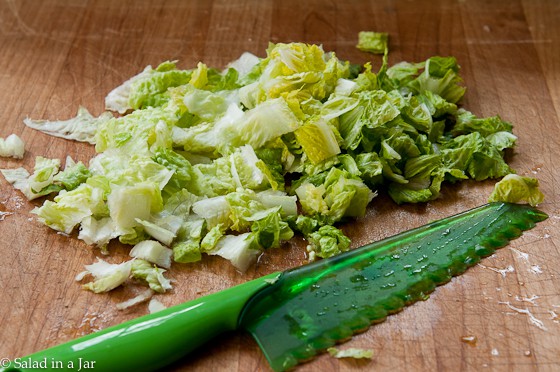
Plastic knives cause less damage to lettuce cells than metal ones. They help prevent oxidation and browning on cut edges. A plastic knife keeps lettuce crisp longer by reducing bruising. Use a serrated plastic knife to easily slice through leaves without crushing them.
Wrapping And Refrigeration Tricks
Wrap cut lettuce in a damp paper towel to keep moisture balanced. Store it in a sealed plastic bag or container to reduce air exposure. Keep lettuce in the refrigerator’s crisper drawer for optimal humidity. Avoid washing lettuce until just before use to prevent sogginess.
Preventing Cross-contamination
Preventing cross-contamination is vital when storing and using lettuce knives. It protects your food from harmful bacteria. Keeping knives clean and separate helps maintain food safety. This practice is especially important in busy kitchens and homes.
Sanitizing Knives Between Uses
Clean knives thoroughly after each use. Use hot, soapy water to wash the blade and handle. Rinse well to remove all soap. Dry the knife completely before storing to avoid bacteria growth. Sanitizing reduces the risk of transferring germs between foods.
Storing Knives Separately From Raw Meats
Store lettuce knives away from raw meat knives. Use different knife holders or drawers for each type. This stops meat juices from touching the lettuce knife. Separate storage keeps your lettuce knife safe and clean.
Using Dedicated Lettuce Knives
Use a knife only for cutting lettuce and vegetables. Avoid using it on raw meat or other foods. Dedicated lettuce knives prevent bacteria from spreading. They keep your lettuce fresh and safe to eat.
Storing Lettuce For Maximum Freshness
Storing lettuce properly keeps it fresh and crisp for longer. Fresh lettuce makes salads and sandwiches taste better. Poor storage leads to wilting and browning quickly. Follow these simple steps to keep your lettuce at its best.
Washing And Drying Lettuce Leaves
Start by rinsing lettuce leaves under cold water. This removes dirt and bacteria. Avoid soaking leaves too long to keep them crisp. After washing, dry leaves thoroughly using a salad spinner or clean towels. Excess moisture causes leaves to spoil faster. Make sure leaves are dry before storing.
Ideal Containers And Wrapping
Use airtight containers or resealable plastic bags to store lettuce. Place dry leaves inside with a paper towel to absorb extra moisture. Wrapping lettuce loosely in a clean kitchen towel also works well. Avoid packing leaves too tightly to prevent bruising. Proper containers keep lettuce fresh and prevent wilting.
Optimal Refrigerator Settings
Set your refrigerator temperature between 34°F and 38°F (1°C to 3°C). This range slows down decay and keeps lettuce crisp. Store lettuce in the crisper drawer if available, as it controls humidity. Avoid storing lettuce near fruits that release ethylene gas, like apples. This gas speeds up lettuce spoilage.

Credit: www.renaissance-company.com
Frequently Asked Questions
How To Store Lettuce After Cutting?
Rinse cut lettuce under cold water and dry thoroughly with paper towels. Store in an airtight container lined with dry paper towels. Keep refrigerated to maintain crispness and prevent browning. Avoid metal knives to reduce oxidation and extend freshness.
Does A Plastic Knife Keep Lettuce From Turning Brown?
Using a plastic knife helps prevent lettuce from browning by reducing oxidation. It causes less damage than metal knives.
How To Stop Lettuce From Going Brown After Cutting?
Use a plastic or ceramic knife to cut lettuce to reduce browning. Rinse, dry thoroughly, and store in an airtight container with paper towels. Keep refrigerated to maintain freshness and prevent oxidation.
Does Wrapping Lettuce In Tin Foil Make It Last Longer?
Wrapping lettuce in tin foil can help retain moisture and slow wilting, making it last longer in the fridge. Ensure leaves are dry before wrapping.
Conclusion
Properly storing your lettuce knife helps keep it sharp and safe. Always clean it right after use to avoid rust and stains. Use a plastic or wooden sheath to protect the blade. Store the knife in a dry place, away from moisture and heat.
These simple steps extend your knife’s life and keep your lettuce fresh. Small care makes a big difference in your kitchen tools. Keep your lettuce knife ready for every salad prep.

Hi, I’m Emma Carter, a passionate home cook with over 12 years of hands-on experience in home kitchens. I love testing kitchen tools, trying new recipes, and helping everyday cooks make smarter buying decisions. Every review and guide I write is based on real cooking experience, practical testing, and honest opinions, not marketing claims.