Lettuce Knife Usage Guide Master Crisp and Clean Salad Cuts Easily
Are you tired of soggy, bruised lettuce ruining your salads? The secret to crisp, fresh greens might just be in your knife.
Using a lettuce knife can transform your salad prep, giving you clean cuts without turning your lettuce brown or limp. Whether you’re a kitchen novice or a seasoned cook, knowing how to use this unique tool can make your leafy greens more delicious and your prep faster.
In this guide, you’ll discover simple tips and tricks to get the most out of your lettuce knife—and why it’s a must-have for your kitchen arsenal. Ready to upgrade your salad game? Let’s dive in!
Lettuce Knife Features
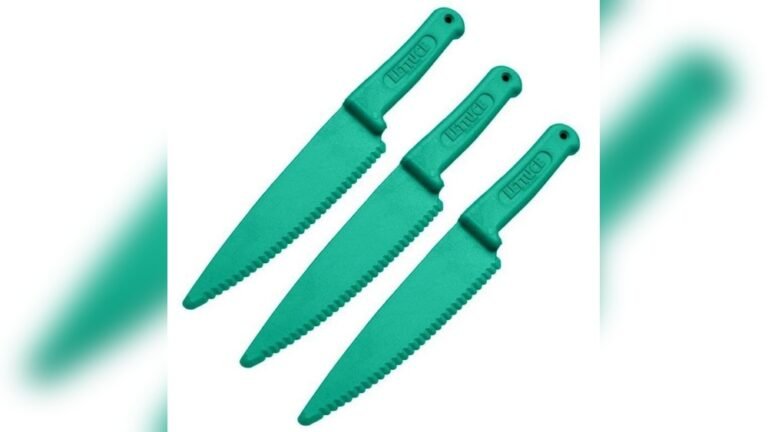
The lettuce knife offers unique features that improve your cutting experience. Designed specifically for leafy greens, it makes slicing easier and safer. Understanding these features helps you get the best use from this handy kitchen tool.
Serrated Plastic Blade
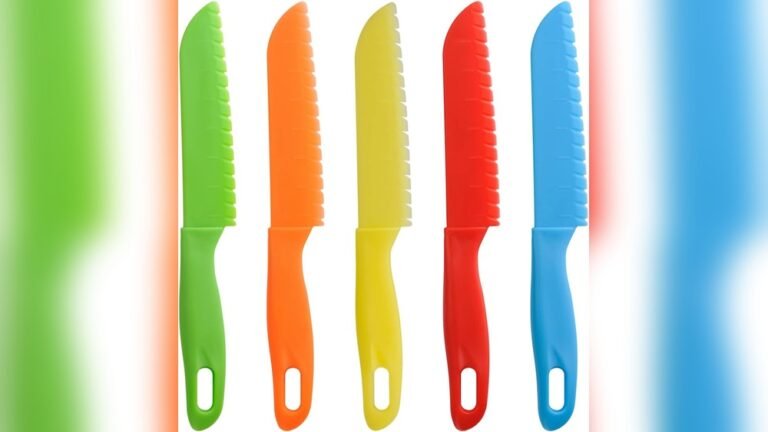
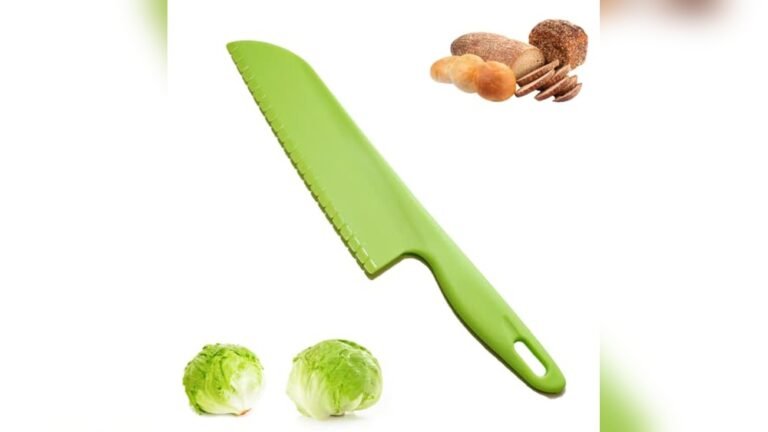
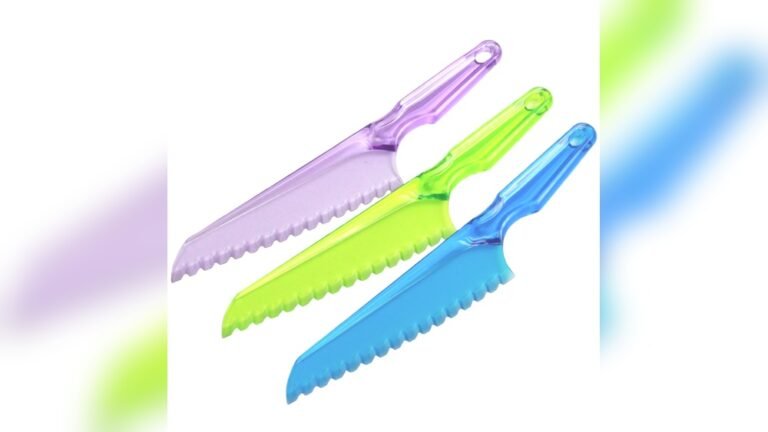
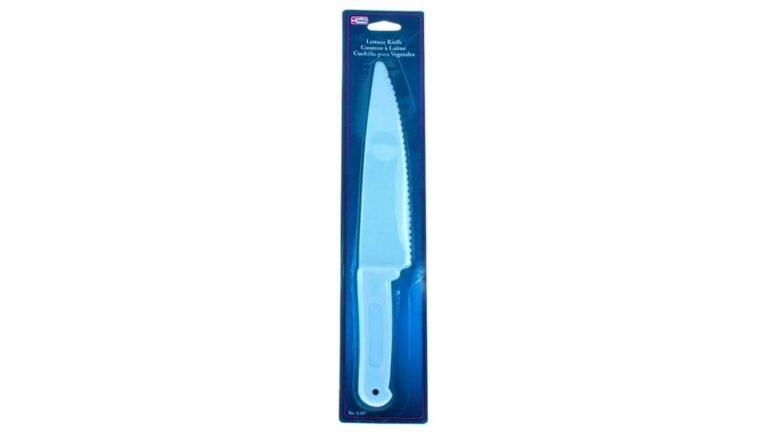
The blade is made from durable plastic with a serrated edge. It cuts through lettuce leaves smoothly without bruising them. Plastic prevents the lettuce from turning brown after cutting. The serrated edge grips the lettuce for clean, precise cuts.
Ergonomic Handle Design
The handle fits comfortably in your hand for better control. It has a non-slip surface to reduce accidents while cutting. Its lightweight design reduces hand fatigue during use. This ergonomic shape helps you cut quickly and safely.
Safe Cutting Advantages
The plastic blade is safer than metal knives, reducing the risk of injury. It does not rust or cause allergic reactions like some metals. The serrated edge requires less force, so you cut with ease. This makes the lettuce knife perfect for both adults and kids.

Credit: www.amazon.com
Preparing Lettuce For Cutting
Preparing lettuce for cutting is a simple process that ensures fresh, crisp salad every time. Proper preparation helps the lettuce stay crisp and prevents browning. This section guides you through the basic steps before using your lettuce knife.
Washing And Drying Leaves
Start by rinsing the lettuce leaves under cold running water. Remove any dirt or insects carefully. After washing, dry the leaves using a salad spinner or clean towels. Dry leaves cut better and stay crisp longer.
Removing The Core
Place the lettuce head on a cutting board with the core facing down. Use your lettuce knife to cut around the core in a circular motion. Pull out the core gently to separate it from the leaves. Removing the core makes cutting easier and prevents tough bites.
Quartering The Lettuce
Cut the lettuce head into four equal parts by slicing from top to bottom. Quartering helps manage the size and makes it easier to chop or shred. Each quarter can now be sliced smoothly with your lettuce knife for perfect salad pieces.
Cutting Techniques
Using a lettuce knife properly makes cutting lettuce easy and neat. It helps keep the lettuce fresh and crisp. This section explains simple cutting techniques to get the best results.
The right cutting method also prevents damage and browning. Learn how to shred lettuce, make clean slices, and avoid oxidation with the lettuce knife.
Shredding Lettuce
Hold the lettuce firmly on a cutting board. Use the serrated edge of the lettuce knife to slice through the leaves. Cut in thin strips for fine shreds. Move the knife smoothly without pressing too hard. This method keeps the lettuce crisp and ready for salads.
Making Clean Slices
Place the lettuce head flat on the board. Use gentle sawing motions with the lettuce knife. Avoid crushing the leaves by not using too much force. Clean slices keep the lettuce looking fresh and attractive on the plate. The serrated edge helps cut evenly through thick and thin parts.
Avoiding Browning And Oxidation
The plastic blade of the lettuce knife prevents metal from touching lettuce. This reduces browning caused by oxidation. Cut the lettuce just before serving. Store cut lettuce in a cool place to keep it fresh longer. Using the lettuce knife slows down the color change and keeps the leaves bright.
Benefits Over Traditional Knives
The lettuce knife offers several advantages over traditional metal knives. Its design helps keep lettuce fresh and safe to cut. Using a lettuce knife improves both the look and texture of your salads. Below are some key benefits that make this tool stand out in the kitchen.
Preventing Discoloration
The lettuce knife blade is usually made from plastic or nylon. These materials do not react with lettuce leaves. Metal knives can cause browning or discoloration. The plastic blade slows down oxidation. This keeps your lettuce looking green and fresh longer. Your salads stay more appealing and appetizing.
Reducing Finger Injury Risks
Lettuce knives often have serrated edges and a safer grip. Their design reduces the chance of slipping. Traditional knives can be sharp and risky for quick chopping. The lettuce knife helps protect your fingers while cutting. It allows you to work with more confidence and less worry.
Maintaining Leaf Crispness
The lettuce knife slices cleanly without crushing the leaves. Metal knives tend to bruise or tear lettuce. This can make the leaves wilt faster. The plastic blade preserves the crisp texture of lettuce. Your salads stay crunchy and fresh for a longer time.
Using Lettuce Knife On Other Foods
The lettuce knife is not only useful for cutting lettuce but also works well with other foods. Its serrated plastic blade makes slicing safe and easy. This knife prevents browning and keeps food fresh longer. Explore how it handles various vegetables, fruits, and even desserts.
Slicing Vegetables
The lettuce knife slices vegetables smoothly without crushing them. It works well on cucumbers, carrots, and radishes. The serrated edge grips the skin and cuts cleanly. This knife is gentle on soft vegetables and avoids bruising. Use it for salads and snack preparation.
Cutting Fruits
Fruits like apples, pears, and citrus fruits can be sliced with a lettuce knife. Its plastic blade stops fruit from browning quickly. The knife’s design helps cut through skins without slipping. It is safe for children to use on soft fruits. Enjoy fresh and neat fruit slices every time.
Serving As Cake Or Brownie Cutter
The lettuce knife doubles as a cake or brownie cutter. It slices through soft cakes and brownies without tearing. The serrated edge creates clean cuts for perfect servings. Its plastic material prevents crumbs from sticking to the blade. Serve desserts with a neat, professional look easily.

Credit: www.amazon.com
Plastic Vs Metal Lettuce Knives
Choosing between plastic and metal lettuce knives affects your salad’s quality and ease of preparation. Each type offers unique benefits for cutting lettuce and other foods. Understanding their differences helps you pick the right tool for your kitchen tasks.
Impact On Freshness
Plastic lettuce knives do not cause browning on lettuce leaves. Metal blades can trigger oxidation, making lettuce turn brown faster. Plastic knives keep salads looking fresh and appetizing longer. This is because plastic does not react with the lettuce’s natural juices.
Durability And Maintenance
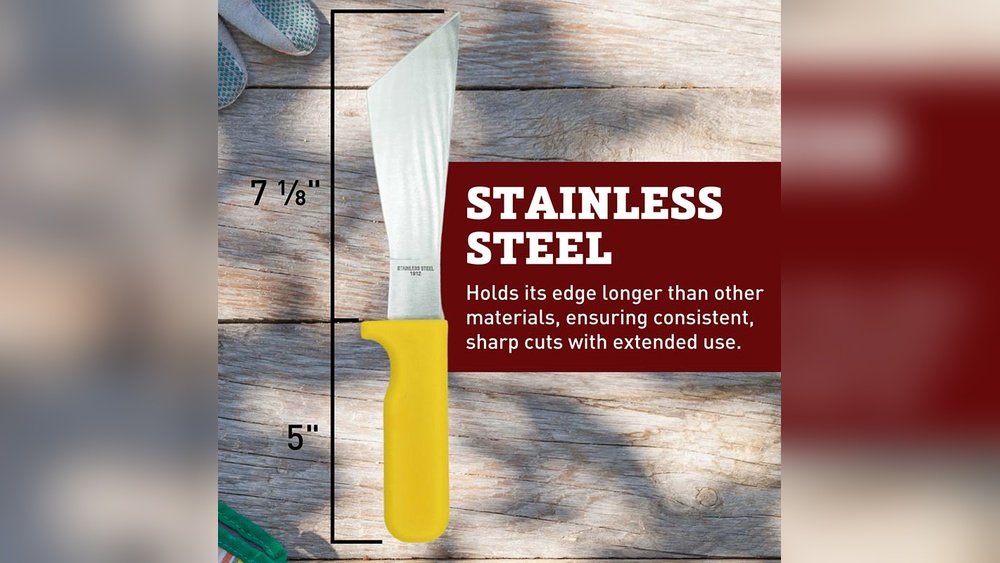
Metal lettuce knives are strong and last many years with care. They can be sharpened to maintain a clean cut. Plastic knives may wear out or break more quickly. They are easy to clean and usually dishwasher safe. Metal knives need careful drying to avoid rust.
Suitability For Various Foods
Plastic knives work best with soft foods like lettuce and tomatoes. They cut without crushing delicate leaves. Metal knives handle tougher foods, such as carrots or apples, with ease. Metal blades offer more versatility but may damage soft produce if used roughly.
Care And Maintenance Tips
Proper care and maintenance keep your lettuce knife sharp and effective. A well-maintained knife cuts cleanly and lasts longer. Follow simple steps to clean, store, and sharpen your lettuce knife.
Cleaning Methods
Wash your lettuce knife with warm, soapy water after each use. Avoid harsh detergents that can damage the blade. Use a soft sponge to clean gently. Rinse thoroughly to remove soap residue. Dry the knife immediately with a clean towel. Never leave it wet to prevent rust or damage.
Storage Recommendations
Store your lettuce knife in a dry place. Use a knife block or sheath to protect the blade. Avoid tossing it in a drawer with other utensils. Keep it away from moisture and heat sources. Proper storage maintains the knife’s shape and sharpness. It also prevents accidents when reaching for it.
Sharpening And Replacement
Plastic lettuce knives usually do not require sharpening. If the blade becomes dull, replace the knife for best results. For metal lettuce knives, use a serrated knife sharpener carefully. Sharpen only the serrated edges to keep performance. Inspect the knife regularly to decide if replacement is needed. A sharp knife cuts better and keeps lettuce fresh longer.

Credit: www.harrisseeds.com
Where To Buy Lettuce Knives
Finding the right place to buy a lettuce knife can improve your kitchen experience. A good lettuce knife helps cut fresh, crisp leaves without bruising or browning them. Choosing where to purchase depends on convenience, variety, and budget. Explore different options to find the perfect knife for your needs.
Online Marketplaces
Online marketplaces offer a wide range of lettuce knives. Popular sites like Amazon and eBay provide many choices from various brands. You can read user reviews to check quality and performance. Prices often vary, so comparing options is easy. Fast delivery and return policies add to the convenience.
Specialty Kitchen Stores
Specialty kitchen stores focus on cooking tools and gadgets. These stores usually carry high-quality lettuce knives. Staff can provide advice on the best knives for your use. Physical stores allow you to see and feel the knife before buying. Some stores may also offer demonstrations or classes.
Price Ranges And Brands
Lettuce knives come in different price ranges. Budget options start around $5 and offer basic plastic blades. Mid-range knives, costing $15 to $30, often have better materials and design. Premium brands may charge over $50 for durable and ergonomic knives. Well-known brands include OXO, Chef’n, and Westmark.
Frequently Asked Questions
How To Use A Lettuce Knife?
Hold the lettuce knife firmly. Slice through washed lettuce gently using the serrated edge. Avoid pressing too hard to prevent bruising. Separate leaves or shred as needed. Clean the knife after use to maintain freshness.
Is A Lettuce Knife Worth Buying?
A lettuce knife’s serrated plastic blade cuts cleanly without browning lettuce. It also safely slices veggies, cakes, and bread, making it useful and worth buying.
What Is A Lettuce Knife Used For?
A lettuce knife cuts and slices lettuce and vegetables without browning. Its plastic blade prevents discoloration and ensures safe, easy chopping.
Can You Use A Lettuce Knife On Other Veggies?
Yes, you can use a lettuce knife on other vegetables like cucumbers, carrots, and apples. Avoid tough-skinned items.
Conclusion
Using a lettuce knife makes cutting fresh and easy. Its plastic blade stops browning and keeps leaves crisp. You can also cut other vegetables and soft foods. This simple tool saves time and reduces mess. Keep your salads fresh and tasty every time.
Try it for a cleaner, safer kitchen experience.

Hi, I’m Emma Carter, a passionate home cook with over 12 years of hands-on experience in home kitchens. I love testing kitchen tools, trying new recipes, and helping everyday cooks make smarter buying decisions. Every review and guide I write is based on real cooking experience, practical testing, and honest opinions, not marketing claims.