Lettuce Knife Cleaning Guide Simple Steps for Fresh and Safe Kitchen Use
You’ve just finished preparing a fresh salad, but now comes the crucial step: cleaning your lettuce knife. If you don’t clean it properly, leftover bits can dull the blade, harbor bacteria, or even affect the taste of your next meal.
You might wonder, what’s the best way to keep your lettuce knife spotless and safe to use every time? This guide will walk you through simple, effective steps to clean your lettuce knife quickly and thoroughly—so you can enjoy crisp, fresh salads without any worries.
Keep reading to discover the easy cleaning routine that will make your kitchen tasks smoother and healthier.
Credit: www.walmart.com
Choosing The Right Lettuce Knife
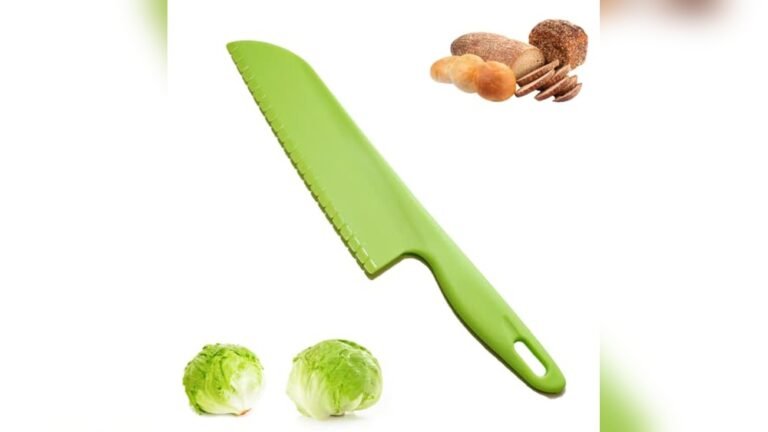
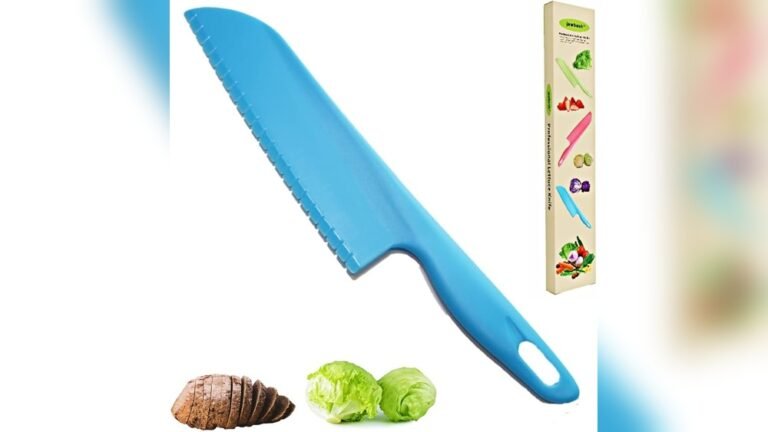
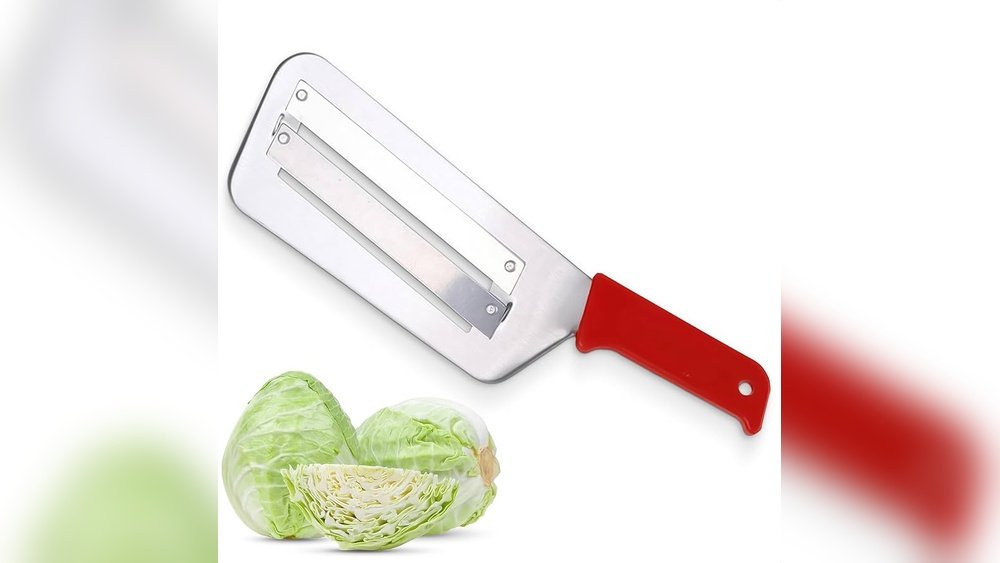
Choosing the right lettuce knife is key to keeping your greens fresh and crisp. A good knife cuts cleanly without bruising or browning the lettuce leaves. It also makes cleaning easier and safer. Focus on materials, blade design, and handle comfort to pick the best tool for your kitchen.
Materials That Resist Stains
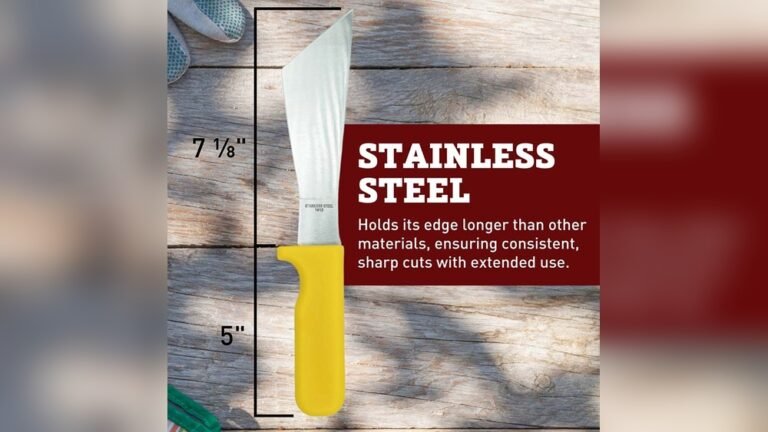
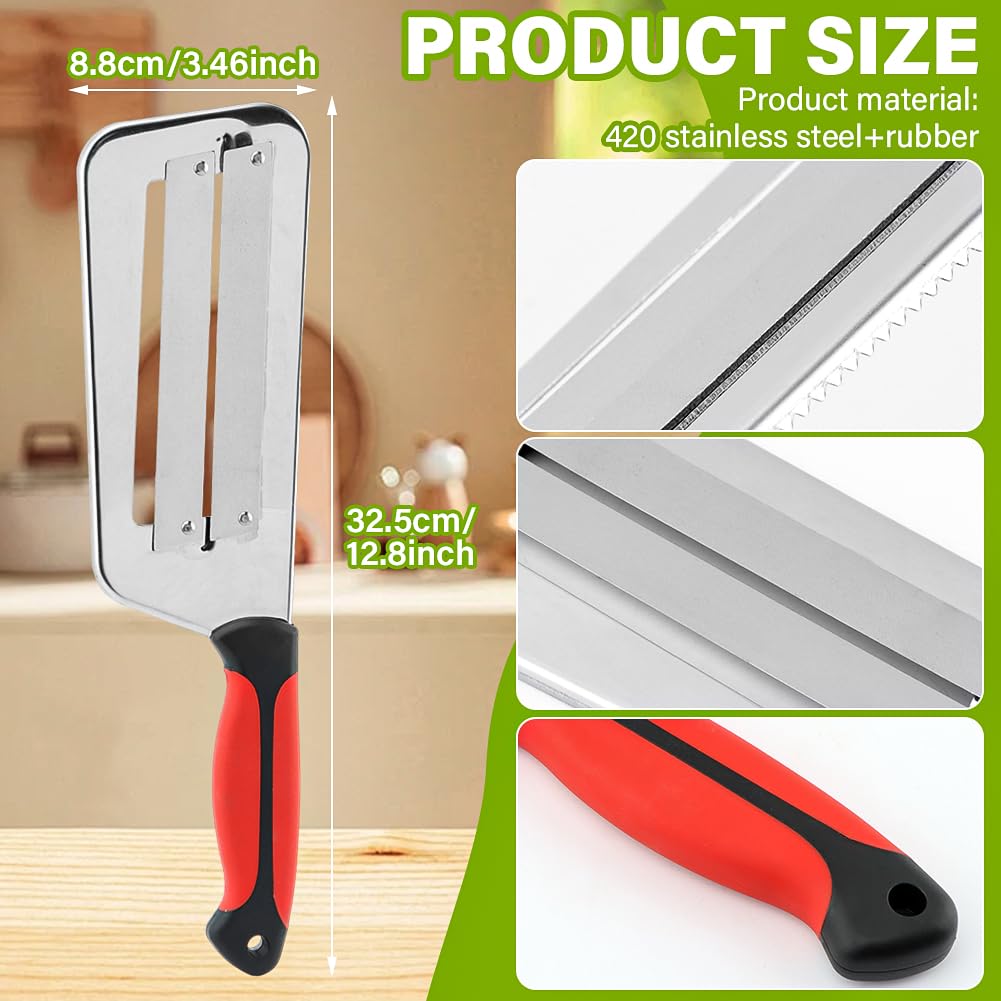
Stainless steel is a popular choice for lettuce knives. It resists rust and stains, keeping the blade clean and shiny. Plastic blades do not rust but may stain or wear out faster. Ceramic knives stay sharp longer and resist discoloration, but they can be fragile. Choose a material that stays clean and lasts long.
Blade Types For Clean Cuts
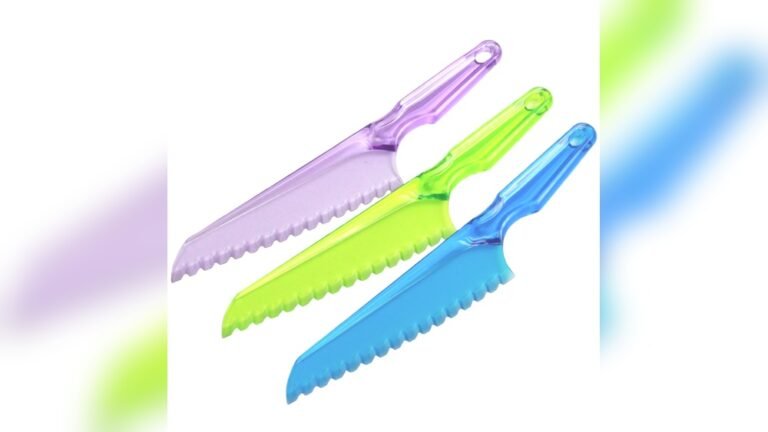
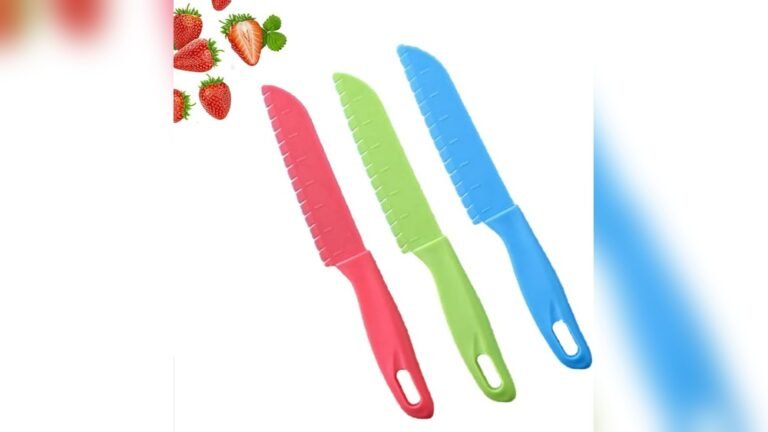
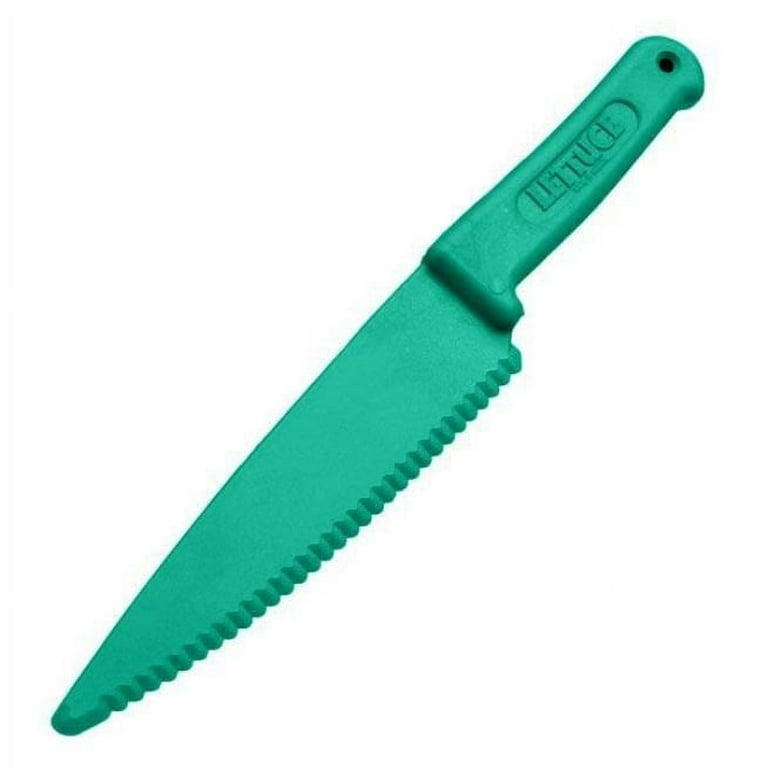
Serrated blades are good for cutting lettuce without crushing it. They grip the leaves and slice smoothly. Straight blades offer precise cuts but may bruise delicate greens. Some lettuce knives have scalloped edges to prevent sticking. Pick a blade that cuts cleanly and suits your cutting style.
Ergonomic Handles For Safety
Look for handles that fit comfortably in your hand. A non-slip grip helps prevent accidents when your hands are wet. Soft, cushioned handles reduce strain during chopping. Some knives have finger guards for extra safety. A good handle makes cutting lettuce safer and easier every time.
Basic Cleaning Techniques
Keeping your lettuce knife clean is important for food safety and knife care. Basic cleaning techniques help remove dirt, food residue, and bacteria. Use simple steps to keep your knife ready for the next use. Clean your knife soon after cutting lettuce to stop stains and rust.
Follow these basic cleaning tips to maintain your lettuce knife’s sharpness and hygiene. Each step protects the blade and ensures a longer knife life.
Rinsing Immediately After Use
Rinse your lettuce knife under cold running water right after use. This stops lettuce pieces from drying on the blade. Dried food is harder to remove and can dull the knife. Hold the knife by the handle and rinse both sides gently. Avoid using hot water at this stage to prevent burns and damage.
Using Dish Soap And Warm Water
Apply a small amount of dish soap to a soft sponge or cloth. Use warm water to create gentle suds. Clean the blade carefully, removing all food particles and oils. Wash the handle too, since it can hold germs. Rinse the knife well under warm water to remove soap. Dry the knife immediately with a clean towel to prevent rust.
Avoiding Blade Damage While Cleaning
Never scrub the lettuce knife with steel wool or abrasive pads. These can scratch and weaken the blade. Avoid soaking the knife in water for long periods. Soaking may damage the handle and blade. Always clean the knife separately from other dishes. Do not put the lettuce knife in a dishwasher, as it may cause rust or dullness.
Deep Cleaning Methods
Deep cleaning your lettuce knife ensures it stays sharp, safe, and ready for use. Regular washing removes surface dirt, but deep cleaning tackles tough stains and buildup. These methods help maintain the knife’s quality and hygiene over time.
Removing Stubborn Stains
Stubborn stains on lettuce knives come from sap, dirt, or rust. Use a soft cloth with mild dish soap to scrub the blade. For tougher stains, try a paste made of baking soda and water. Rub the paste gently on the stains, then rinse well. Avoid harsh scrubbing to protect the blade’s surface.
Using Baking Soda And Vinegar
Baking soda and vinegar are natural cleaners that work well on lettuce knives. Sprinkle baking soda on the blade, then pour vinegar over it. The fizzing action helps lift grime and stains. Let it sit for a few minutes before scrubbing gently with a soft brush. Rinse the knife thoroughly and dry it completely to prevent rust.
Soaking Vs Scrubbing
Soaking your knife loosens stuck-on debris, making it easier to clean. Use warm, soapy water and soak the knife for 10 to 15 minutes. After soaking, scrub gently with a soft sponge or brush. Scrubbing alone works for light stains but may not remove deep grime. Combining soaking and scrubbing offers the best cleaning results.
Drying And Storing Tips
Proper drying and storing of your lettuce knife keep it in top condition. Moisture left on the blade causes rust and dullness. Storing the knife correctly prevents damage and extends its life. Follow these simple tips for drying and storing your knife safely.
Air-drying Vs Towel-drying
Air-drying lets water evaporate naturally from the blade. Place the knife on a clean rack or stand. Avoid putting it flat on a surface to stop moisture buildup. Air-drying is gentle but takes time.
Towel-drying uses a clean, soft cloth to wipe the blade dry. It is faster and removes water immediately. Use a lint-free towel to avoid scratches. Pat the blade gently, especially near the edge.
Safe Storage To Prevent Rust
Store your lettuce knife in a dry place. Use a knife block or magnetic strip to keep it upright. Avoid drawers where moisture and other utensils can cause scratches or rust. Keep the blade away from humidity and direct water exposure.
Consider applying a light coat of food-safe oil on the blade. It creates a protective barrier against rust. Reapply oil regularly, especially after cleaning.
Maintaining Sharpness Over Time
Store the knife away from hard surfaces to protect the edge. Use a blade guard if placing it in a drawer. Regularly sharpen your knife to keep it effective and safe to use.
Use a honing rod to realign the blade’s edge between sharpenings. Avoid cutting on hard surfaces like glass or stone. Choose wooden or plastic cutting boards to preserve sharpness longer.
Cleaning Safety Tips
Cleaning your lettuce knife safely helps avoid accidents and keeps your kitchen hygienic. Sharp blades need careful handling during washing. Clean knives properly to stop bacteria from spreading. Follow these simple tips to protect yourself and your family.
Handling Blades Carefully
Hold the knife by its handle only. Avoid touching the sharp edge with your fingers. Use a sponge or brush to clean the blade. Wash one knife at a time to stay focused. Keep your hands dry to stop slipping. Store knives safely after cleaning to avoid cuts.
Avoiding Cross-contamination
Use separate cutting boards for vegetables and meats. Wash your knife with hot, soapy water after each use. Rinse the blade well to remove all food bits. Sanitize the knife regularly to kill germs. Never leave dirty knives near clean dishes or foods.
Proper Knife Placement During Washing
Place knives flat in the sink or dishpan with blades away from you. Avoid piling knives on top of each other. Use a knife rack or a special holder if available. Do not soak knives for long periods. Dry knives immediately after washing to prevent rust.
Credit: www.cfsbrands.com
Dishwasher Use For Lettuce Knives
Using a dishwasher to clean lettuce knives can save time and effort. Many people wonder if it is safe and effective. Dishwashers use hot water and strong detergents to clean thoroughly. This method works well for metal blades but requires care with nylon or plastic ones. Understanding when and how to use the dishwasher helps keep your lettuce knife sharp and clean.
When To Use Dishwasher Cleaning
Dishwasher cleaning suits stainless steel lettuce knives. Use it after heavy use or sticky residue. It removes oils and food particles fast. Avoid dishwasher use daily to prevent wear. For quick cleaning, hand washing remains best. Only use the dishwasher when knives feel very dirty.
Potential Risks To Nylon And Plastic Blades
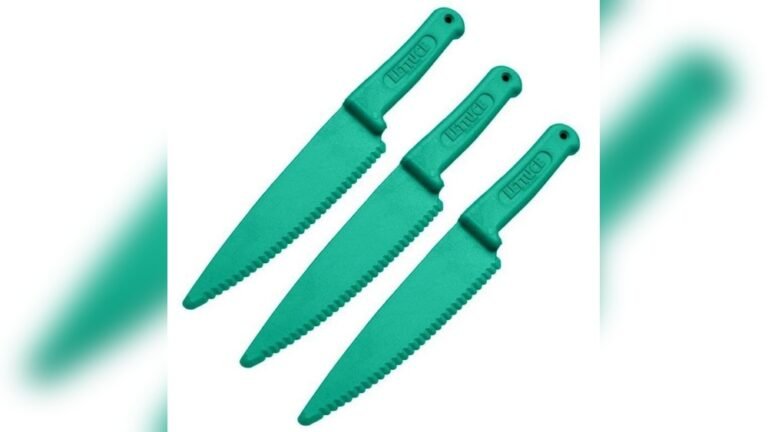
Nylon and plastic blades may warp in dishwashers. High heat can damage their shape and strength. Detergents may cause discoloration or brittleness. Avoid dishwasher use if your knife has these blades. Hand wash with mild soap and warm water instead. This protects the blade and extends its life.
Best Practices For Dishwasher Loading
Place lettuce knives carefully in the dishwasher rack. Keep blades away from other utensils to avoid scratches. Load handles down for better cleaning and safety. Use the top rack when possible to reduce heat exposure. Avoid overcrowding to let water reach all surfaces. Follow these steps to clean effectively and protect your knife.
Preventing Lettuce Discoloration
Lettuce often turns brown soon after cutting. This discoloration affects its taste and appearance. Preventing lettuce discoloration keeps your salad fresh and tasty longer. Several factors cause browning, mostly oxidation. Oxygen reacts with the cut surfaces and changes the lettuce color. Proper cleaning and cutting methods reduce this effect.
How Knife Choice Affects Oxidation
Using the right knife reduces lettuce browning. A dull knife crushes lettuce leaves more. This damage speeds up oxidation and discoloration. Sharp knives make clean cuts with less cell damage. Stainless steel knives are common but may cause faster browning. Ceramic knives cause less oxidation because they don’t react with oxygen. Choose a sharp ceramic or high-quality stainless steel knife for cutting lettuce.
Cutting Techniques To Minimize Browning
Cut lettuce gently and avoid crushing it. Make quick, smooth cuts instead of sawing motions. Sawing tears the leaves and exposes more cells to oxygen. Cut leaves just before serving or using. Avoid cutting lettuce too far in advance. This delays the oxidation process and keeps lettuce green and fresh. Rinse lettuce after cutting to remove some enzymes that speed browning.
Storing Cut Lettuce Properly
Store cut lettuce in a sealed container or plastic bag. Keep the lettuce dry to prevent moisture buildup. Excess moisture speeds up spoilage and browning. Place a paper towel inside the container to absorb moisture. Store lettuce in the refrigerator’s crisper drawer. Cold temperature slows oxidation and preserves color. Use cut lettuce within a day or two for best freshness.
Credit: automaticindustries.com
Frequently Asked Questions
What Is The Safest Way To Clean Lettuce?
Rinse lettuce leaves under cold running water to remove dirt. Use a salad spinner to dry them thoroughly before use. Avoid soaking for too long to preserve crispness and nutrients. This method ensures safe, clean, and fresh lettuce for your meals.
What Is The Correct Way To Clean A Knife?
Clean a knife by washing it with hot water and dish soap immediately after use. Rinse thoroughly and dry with a clean towel or air-dry. Always hold the knife by its handle and wash knives individually to avoid damage or injury.
Store knives safely with handles up.
Why Does A Metal Knife Turn Lettuce Brown?
A metal knife damages lettuce cells, exposing them to oxygen. This exposure causes oxidation, turning the lettuce brown quickly.
Why Do Chefs Soak Lettuce In Water Before Serving It?
Chefs soak lettuce in cold water to remove dirt, crisp the leaves, and restore freshness before serving. This enhances texture and flavor.
Conclusion
Cleaning your lettuce knife regularly keeps it sharp and safe. Use warm water and mild soap to remove food residue. Dry the knife well to prevent rust and damage. Avoid soaking the knife for a long time. Store it in a dry place, away from moisture.
A clean knife helps maintain fresh, crisp lettuce. Keep these simple steps in mind for best results. Your kitchen tools will last longer and work better. Clean knives make food preparation easier and safer every day.

Hi, I’m Emma Carter, a passionate home cook with over 12 years of hands-on experience in home kitchens. I love testing kitchen tools, trying new recipes, and helping everyday cooks make smarter buying decisions. Every review and guide I write is based on real cooking experience, practical testing, and honest opinions, not marketing claims.