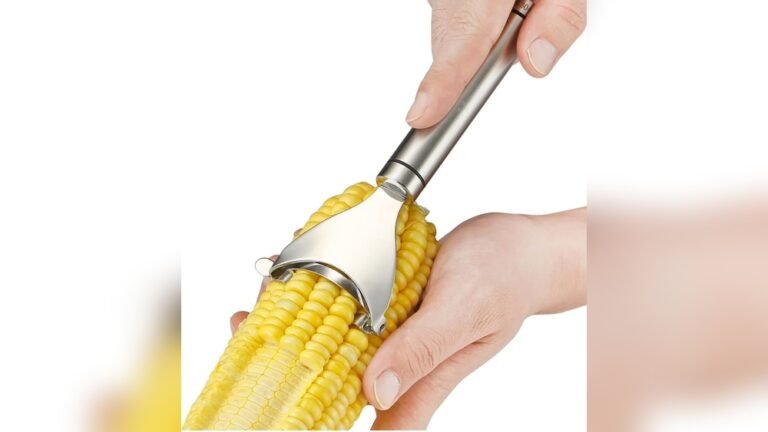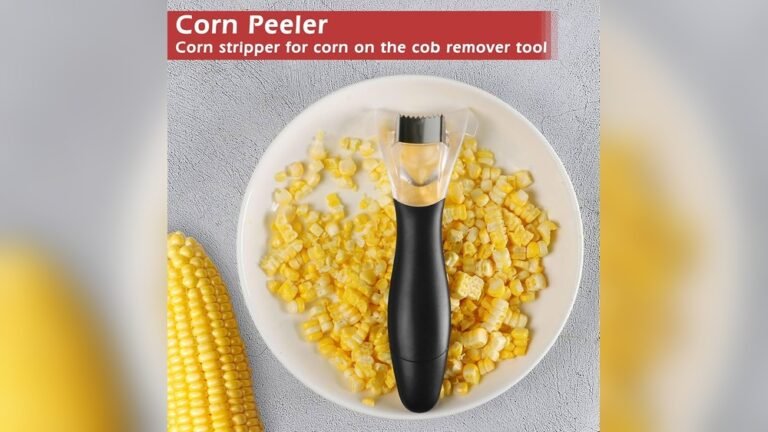
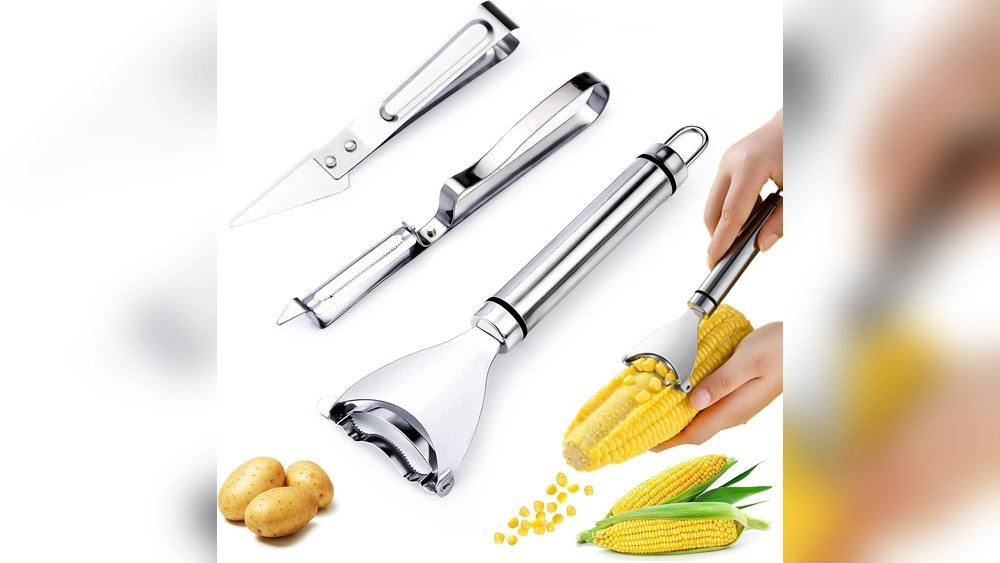
Corn Stripper DIY Tips Simple Hacks for Faster and Easier Kernel Removal
Are you tired of struggling with those stubborn corn kernels every time you want to enjoy fresh corn? Stripping corn from the cob can be messy, time-consuming, and frustrating.
But what if you could make this task faster, cleaner, and even fun? With a few simple DIY hacks for your corn stripper, you’ll save time and effort while getting perfect kernels every time. You’ll discover easy, clever tricks that turn corn stripping into a breeze, making your cooking experience smoother and more enjoyable.
Ready to transform your kitchen routine? Let’s dive into these smart DIY hacks that will change the way you handle corn forever!

Credit: exileshmagazine.com
Tools For Stripping Corn
Stripping corn kernels from the cob can be quick and simple with the right tools. Various tools exist to help remove kernels efficiently and safely. Choosing the right tool depends on how much corn you need to strip and your comfort level with different devices.
Many people prefer manual tools for their simplicity and control. Others use electric or drill-powered tools for faster results. DIY designs offer creative and cost-effective alternatives that anyone can try at home.
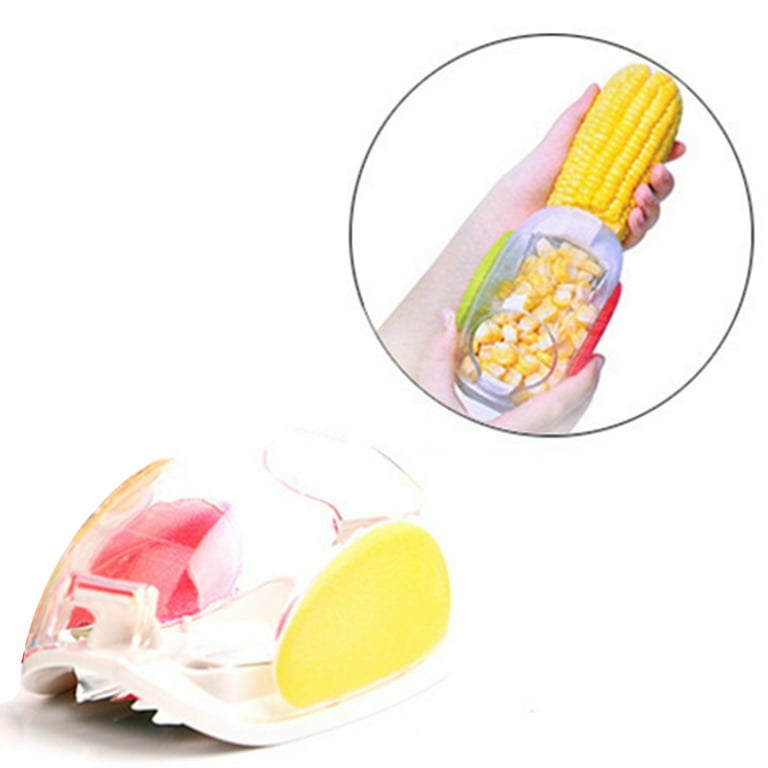
Manual Corn Strippers
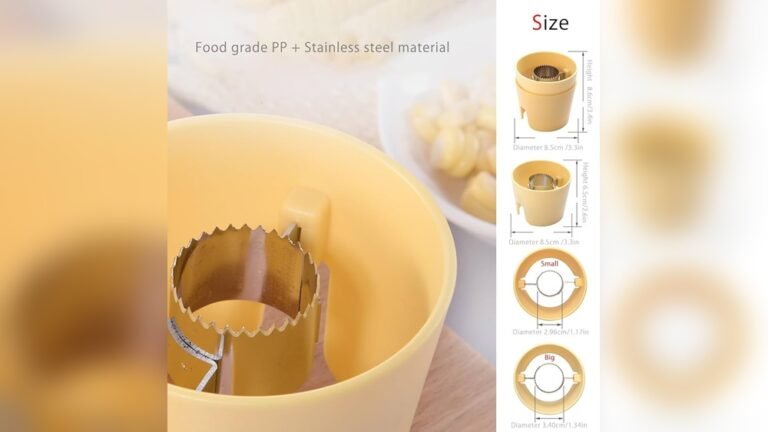
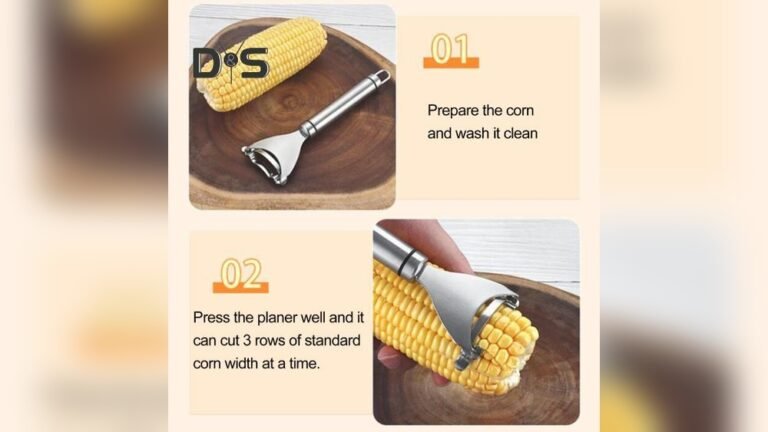
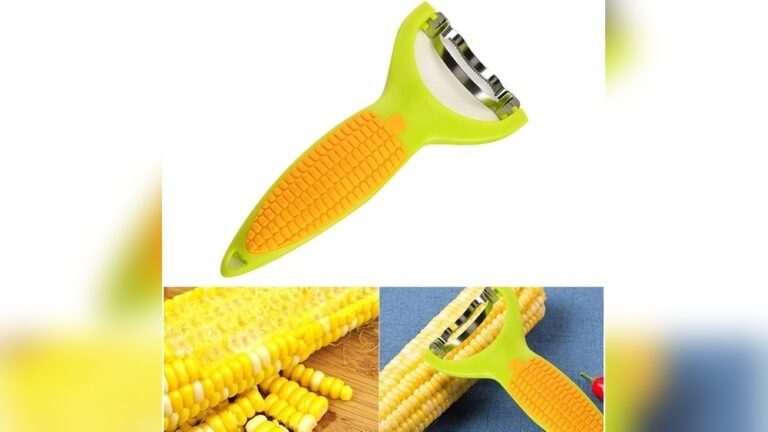
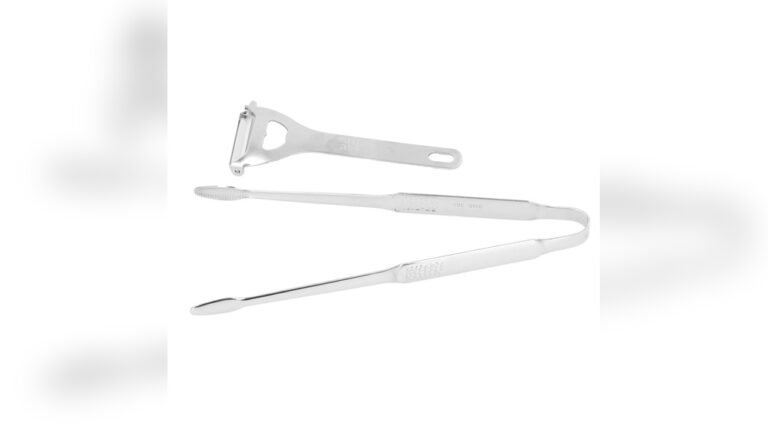
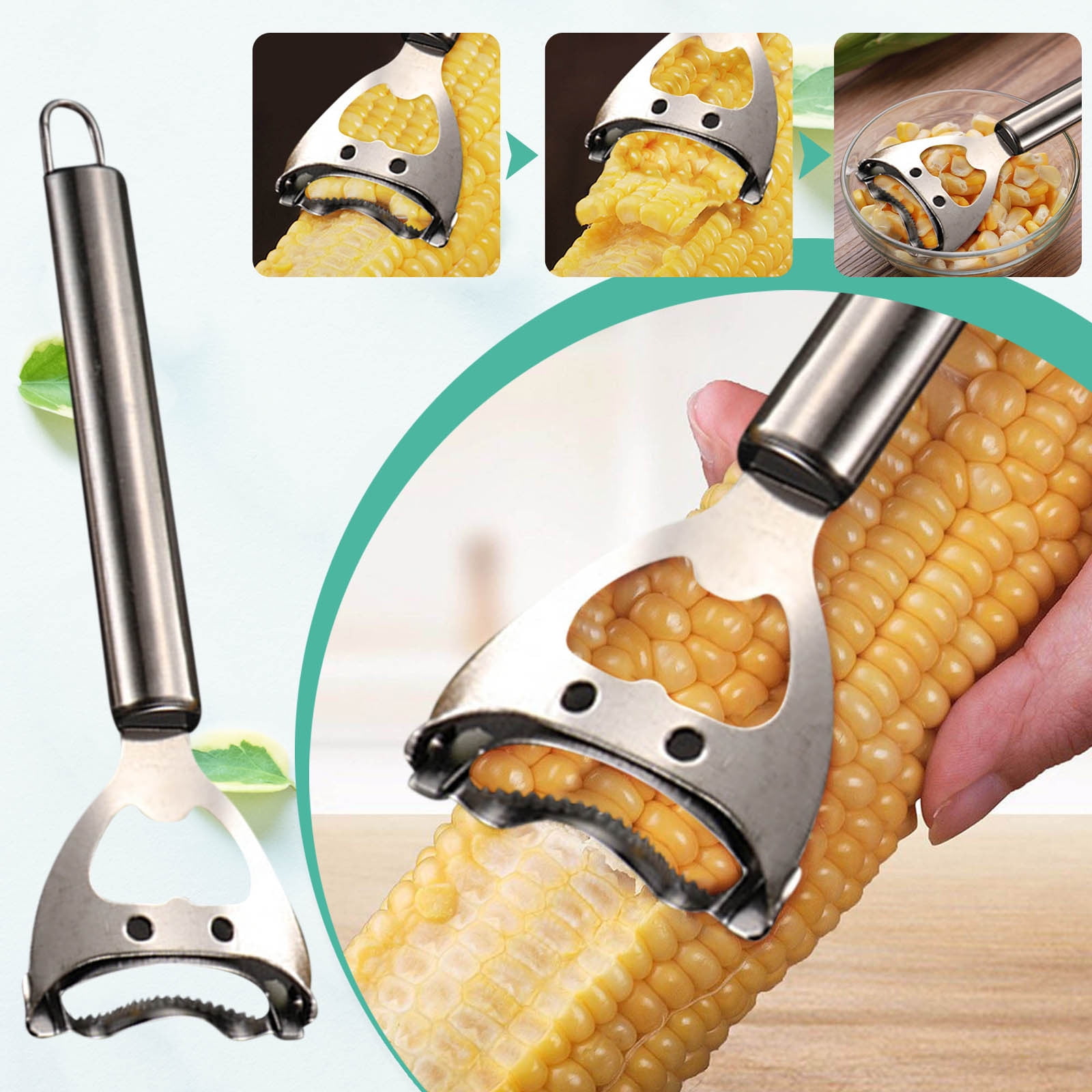
Manual corn strippers are handheld tools designed for easy kernel removal. They usually have sharp edges or blades to cut kernels from the cob. These tools require no electricity and are easy to clean. They work best for small batches of corn. Most models fit comfortably in hand and offer good control. Using a manual stripper reduces mess and keeps kernels intact.
Electric And Drill-powered Tools
Electric corn strippers speed up the process significantly. They often have rotating blades or cutters powered by a motor. Some tools attach to a drill to power the stripping action. These tools are ideal for large amounts of corn. They save time and reduce hand fatigue. Electric models usually have safety features like guards to protect fingers. Drill-powered tools turn a common household item into a powerful stripping device.
Diy Corn Stripper Designs
DIY corn strippers use household items and simple materials. Many designs use a wooden base and sharp blades fixed in place. Others use repurposed kitchen tools like graters or serrated knives. These homemade options are budget-friendly and customizable. Building your own tool adds a fun, hands-on element to corn stripping. Clear instructions and basic tools make DIY strippers accessible to most people.
Simple Diy Hacks
Simple DIY hacks for corn stripping make this kitchen task easier and faster. These tricks use common items and smart methods. They help remove kernels and silk without special tools. Anyone can try them at home.
These hacks save time and reduce mess. You do not need to spend money on expensive gadgets. Just use what you have in your kitchen or home.
Using Household Items
Use a serrated knife to strip kernels quickly. Hold the corn upright and cut downward. A bundt pan can catch kernels neatly. Place the cob inside the hole and slice kernels off.
A clean, empty bottle works well too. Push the cob into the bottle’s neck. Rotate the cob to strip kernels inside the bottle. It keeps kernels from flying everywhere.
Quick Fixes For Kernel Removal
Microwave the corn for 2 minutes before stripping. Heat loosens kernels and makes them easier to remove. Use a spoon or butter knife to scoop out kernels. This method is quick and reduces kernel damage.
You can also freeze the corn briefly. Frozen kernels pop off faster when scraped. This trick works well for salads and cold dishes.
Silk Removal Techniques
Remove silk by rubbing corn with a damp paper towel. It pulls silk fibers without damaging kernels. Another way is to use a soft vegetable brush. Brush the corn under running water to clear silk.
Wrapping the corn in foil and heating it softens silk. After heating, use a towel to wipe silk off easily. This method keeps hands clean and silk-free.
Step-by-step Stripping Tricks
Stripping corn kernels can be quick and easy with the right steps. Follow these tricks to get the job done cleanly and safely. This guide breaks down the process into clear parts. Each step helps you handle corn like a pro using simple tools.
Start by preparing the corn properly. Then, use safe cutting methods to avoid injuries. Finally, collect the kernels efficiently to save time and reduce mess.
Prepping The Corn
Remove the husk and silk completely before you start. Rinse the corn under cold water to clean it. Dry the corn with a towel to avoid slipping. Check for any damaged kernels and remove them. This makes the stripping process smoother and cleaner.
Safe Cutting Methods
Use a sharp knife or a corn stripper tool. Hold the corn firmly on a stable surface. Cut downward from the top of the cob. Keep your fingers away from the blade to prevent cuts. Work slowly and carefully for the best results.
Efficient Kernel Collection
Strip kernels over a large bowl or tray to catch them all. Tilt the cob slightly to help kernels fall easily. Use your hand to guide loose kernels into the bowl. Tap the cob gently to remove stubborn kernels. Clean up spills quickly to avoid waste.
Credit: www.ilcs.org
Time-saving Tips
Saving time while stripping corn can make your kitchen tasks smoother and quicker. Simple habits and smart setups help reduce effort and speed up the process. These time-saving tips focus on practical ways to get more done in less time. Follow these easy steps to improve your corn stripping routine.
Batch Stripping Strategies
Strip corn in batches instead of one ear at a time. Prepare several ears before starting to strip. This keeps your hands busy and saves time switching tasks. Grouping ears also lets you work faster and maintain a steady rhythm. A batch approach reduces interruptions and boosts productivity.
Tool Setup And Maintenance
Set up your corn stripper tool before you begin. Check the blades and moving parts for sharpness and cleanliness. A well-maintained tool works smoothly and cuts faster. Clean the stripper after each use to avoid buildup and jams. Proper maintenance reduces downtime and keeps the tool ready.
Organizing Your Workspace
Keep your workspace tidy and organized. Arrange all needed items within easy reach. Use bowls or trays to collect stripped kernels and husks separately. Clear space helps you move quickly without distractions. A neat area speeds up the process and keeps you focused on stripping corn.
Cleaning And Storage
Keeping your corn stripper clean and storing fresh kernels properly extends their life. It also makes your next use quick and easy. Dirt, silk, and leftover bits can clog tools and affect taste. Proper care ensures your stripping tools work well for many seasons.
Removing Corn Silk Easily
After stripping, corn silk sticks to kernels and tools. Use a soft brush or damp cloth to wipe silk from tools. Running cold water over kernels helps remove silk quickly. Pat kernels dry with a clean towel before storing or cooking.
Storing Fresh Kernels
Keep fresh corn kernels in an airtight container. Refrigerate them to maintain sweetness and freshness. Use within two to three days for best taste. For longer storage, freeze kernels in small portions using freezer bags. Label the bags with the date for easy tracking.
Maintaining Stripping Tools
Clean tools thoroughly after each use. Soak parts in warm, soapy water to remove residue. Use a small brush to clean hard-to-reach areas. Dry tools completely to prevent rust and mold. Store tools in a dry place, away from moisture and dust.
Credit: mojotaqueria.com
Creative Uses For Leftover Cobs
Leftover corn cobs often end up in the trash. They still have many uses that can help reduce waste. Using these cobs creatively benefits your kitchen, garden, and even your craft projects. This section explores easy and practical ways to reuse corn cobs after stripping the kernels.
Making Broth And Stock
Corn cobs add a sweet, natural flavor to broth and stock. Boil the cobs with vegetables and herbs to create a tasty base. This broth works well for soups, stews, and sauces. It is a simple way to enhance your cooking while using leftovers.
Composting And Garden Use
Corn cobs break down slowly and enrich your compost pile. Chop them into smaller pieces to speed up decomposition. The compost improves soil quality and helps plants grow strong. You can also place whole cobs around plants to deter pests naturally.
Craft Projects With Cobs
Dry corn cobs make great materials for craft projects. Use them to create rustic decorations or small sculptures. They can also serve as natural stamps for painting. Crafting with cobs is fun and eco-friendly for kids and adults alike.
Frequently Asked Questions
How To Remove Corn Easily At Home?
Soak the corn in warm water for 10 minutes. Use a butter knife to scrape off kernels easily. Apply moisturizer to soften skin.
Is There A Trick To Getting The Silk Off Of Corn?
Hold the corn firmly and rub it with a damp cloth or use a soft brush to remove silk quickly. Peeling husks first helps.
What Helps Break Down Corn?
Microbes break down corn by decomposing stalks and kernels. Moisture, airflow, and nutrients like nitrogen aid this process.
How To Remove Corn Kernel Skin Fast?
To remove corn kernel skin fast, soak corn in hot water for 2 minutes. Then rub kernels with a clean towel or use a corn stripper tool. This loosens and removes skins quickly and easily.
Conclusion
DIY corn stripper hacks save time and effort in the kitchen. These simple tricks help remove kernels quickly and cleanly. Using everyday items, you can create tools that work well. Stripping corn becomes less messy and more fun. Practice a few methods to find what suits you best.
Enjoy fresh corn with less hassle and more flavor. Try these tips today for easy corn preparation. Your cooking routine will thank you.

Hi, I’m Emma Carter, a passionate home cook with over 12 years of hands-on experience in home kitchens. I love testing kitchen tools, trying new recipes, and helping everyday cooks make smarter buying decisions. Every review and guide I write is based on real cooking experience, practical testing, and honest opinions, not marketing claims.