How to Use Herb Scissors for Fresh Herbs Easy Tips for Clean Cuts
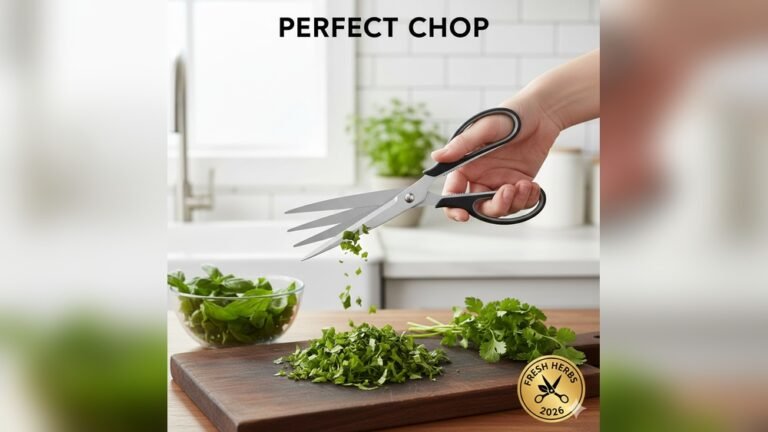
If you love adding fresh herbs to your meals, you know how tricky it can be to get just the right cut. Herb scissors are a game changer—they help you chop herbs quickly and evenly without bruising or crushing them.
Imagine saving time and effort while making your dishes look and taste better. You’ll learn exactly how to use herb scissors like a pro, so your herbs stay fresh and flavorful every time. Ready to make your cooking easier and more enjoyable?
Let’s dive in!
Herb Scissors Basics
Herb scissors make cutting fresh herbs simple and fast. They save time and keep herbs neat. These scissors are a handy tool for anyone who cooks with fresh herbs often.
Understanding the basic features helps you use them better. It also makes cleaning and maintaining easier. Here are the key parts of herb scissors you should know.
Multi-bladed Design
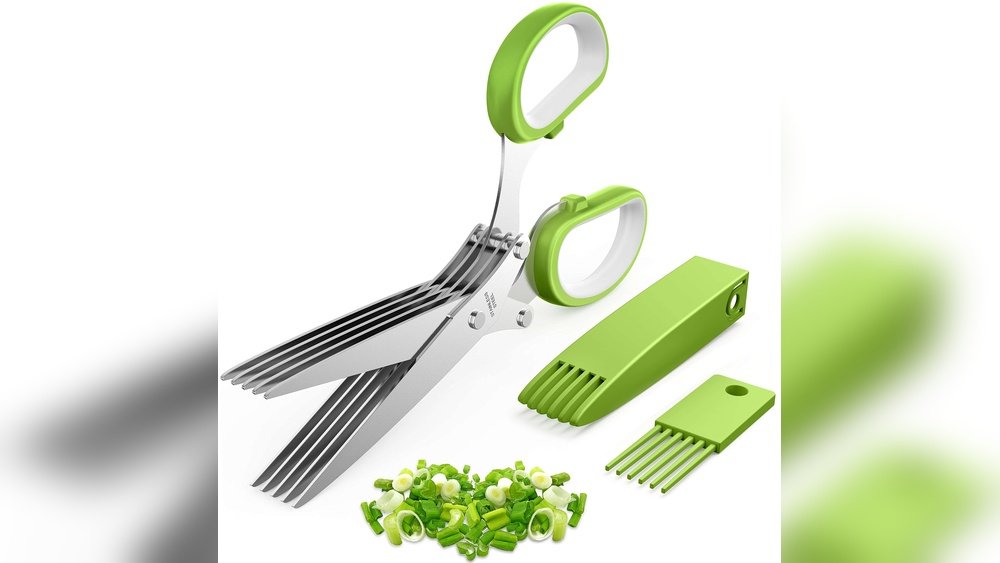
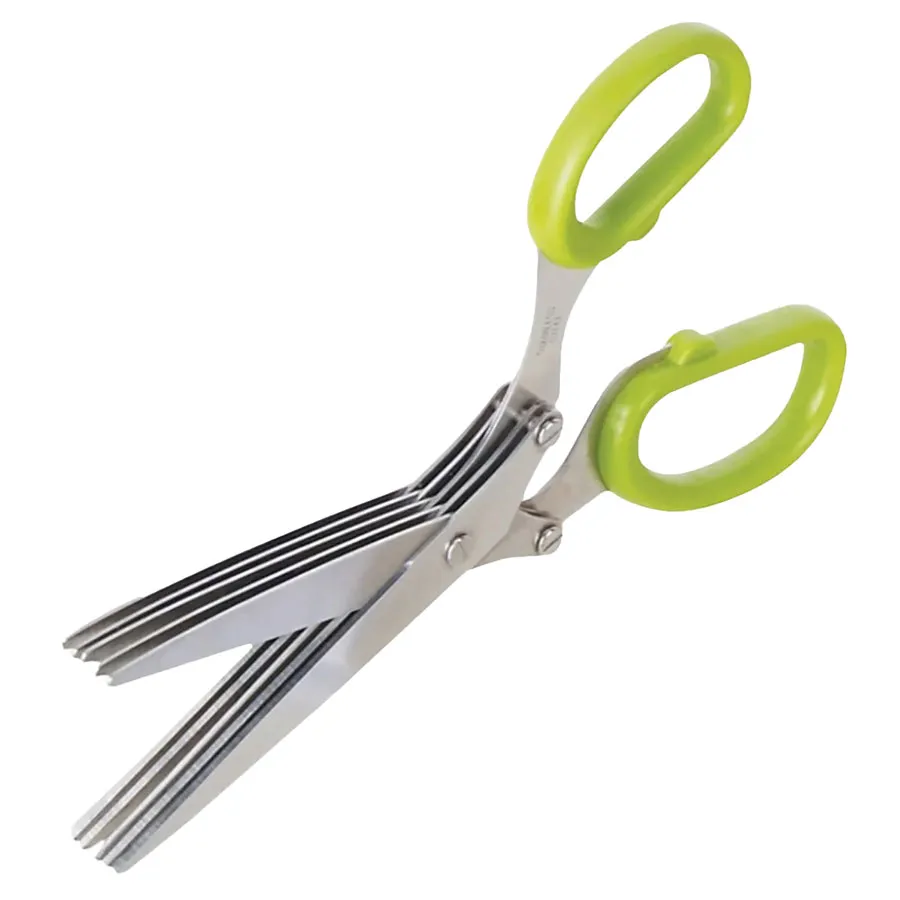
Herb scissors have several blades instead of one. This design cuts many thin strips at once. It helps create fine pieces quickly without bruising the herbs. The blades stay sharp to give clean, even cuts every time.
Leaf Stripping Feature
Many herb scissors include a built-in leaf stripper. This small gap or tool removes leaves from stems easily. It makes preparing herbs faster and less messy. You get more usable leaves without extra work or waste.
Cleaning Tools
Cleaning herb scissors can be tricky due to multiple blades. Most come with a small cleaning comb or brush. Use this tool to remove stuck herb bits between blades. Regular cleaning keeps scissors sharp and hygienic for safe use.

Credit: www.amazon.com
Preparing Herbs
Preparing herbs properly ensures the best results when using herb scissors. Clean, dry herbs cut easily and stay fresh longer. Taking time to rinse and dry herbs helps remove dirt and grit. Proper stacking of leaves before cutting creates neat, even pieces. These steps make chopping herbs faster and more efficient.
Rinsing And Drying
Start by rinsing herbs under cold water. Gently swirl them to remove dirt. Avoid soaking herbs too long to keep them fresh. After rinsing, pat herbs dry with a clean towel. Use a salad spinner to remove excess water quickly. Dry herbs prevent clumping and bruising during cutting.
Stacking Leaves For Cutting
Gather leaves of herbs like basil or mint in a small pile. Stack them evenly to create a flat surface. Align the edges for clean, straight cuts. Holding the stack firmly helps avoid slipping. This method allows herb scissors to cut many leaves at once. It saves time and creates uniform pieces for cooking.
Cutting Techniques
Cutting techniques with herb scissors help you achieve neat, even pieces quickly. Proper handling and cutting methods keep herbs fresh and flavorful. Use simple steps to cut herbs cleanly without bruising.
Holding Herbs And Scissors
Hold the herbs gently in one hand, gathering them into a small bunch. Use your other hand to grip the herb scissors firmly but comfortably. Keep your fingers away from the blades for safety. Position the scissors so the blades open wide enough to snip through all herbs at once.
Snipping Over Surfaces
Place a clean cutting board or bowl under the herbs to catch the cut pieces. Snip the herbs close to the base, moving the scissors up and down in quick, short motions. Keep the scissors steady and avoid pulling on the herbs. This method helps keep herbs fresh and intact.
Creating Fine Cuts
To create fine, delicate cuts, hold the herbs tightly and snip repeatedly in small sections. Use multiple blades on the scissors to make evenly sized pieces. Cutting herbs this way releases their aroma and flavor better. It works well for garnishes or mixing into dishes.
Credit: www.jacksonandperkins.com
Leaf Stripping Tips
Leaf stripping is an important step before chopping herbs with herb scissors. It removes leaves from stems quickly and neatly. Proper leaf stripping saves time and keeps herbs fresh. It also helps you get uniform pieces for cooking or garnishing.
Using the right technique makes leaf stripping easier and reduces waste. Focus on different methods depending on the herb type. Some herbs have soft stems, while others are woody and tougher to strip.
Using Stem Holes
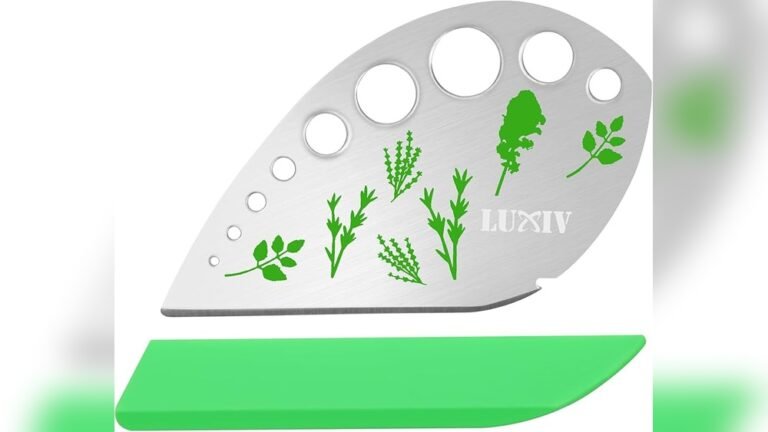
Herb scissors often have small holes near the handles. These holes help strip leaves from thin stems like parsley or cilantro. Insert the stem through a hole and pull gently. The leaves will stay outside while the stem slides through.
This method speeds up leaf stripping and keeps stems separate. It works best with soft, flexible stems. Avoid forcing thick stems through the holes to prevent damage to scissors.
Stripping Woody Herbs
Woody herbs like rosemary or thyme need a different approach. Hold the stem firmly between fingers. Run your thumb down the stem to pull off leaves.
This hand method prevents bruising and keeps leaves intact. For thick stems, avoid the stem holes in scissors. Strip leaves first, then use herb scissors to chop them finely.
Best Herbs To Cut
Herb scissors work best with tender, leafy herbs. These herbs cut easily and stay fresh longer after cutting. Using herb scissors on the right herbs saves time and keeps flavors bright. Choose herbs that are soft and leafy for the best results.
Basil
Basil leaves are soft and perfect for herb scissors. Cut basil directly onto your dish for fresh flavor. The scissors create thin strips without bruising the leaves. Use them for salads, pasta, and garnishes.
Parsley
Parsley has delicate leaves that chop well with herb scissors. Cut it finely for soups, sauces, and toppings. The scissors help keep parsley fresh and vibrant. They save time compared to chopping with a knife.
Mint
Mint leaves are soft and easy to snip with herb scissors. Use them in drinks, desserts, or salads. The scissors cut mint evenly, releasing its aroma. They prevent leaves from bruising or tearing.
Chives, Cilantro, And Oregano
Chives have thin stems that herb scissors cut quickly and cleanly. Use chopped chives to add mild onion flavor. Cilantro leaves are tender and cut well with scissors for fresh taste. Oregano leaves are small but soft enough for herb scissors. Snip these herbs directly onto your food for best flavor.

Credit: www.burpee.com
Other Uses
Herb scissors are not just for herbs. Their sharp, multi-blade design makes them perfect for other kitchen tasks. These scissors save time and make cutting easier. They create uniform slices and mince small items quickly. You can use them for various ingredients beyond herbs.
Slicing Green Onions
Green onions are great for salads and garnishes. Use herb scissors to cut them quickly into thin, even slices. Hold the green onions firmly and snip along the stalk. This method is faster than using a knife and keeps the pieces uniform.
Cutting Seaweed
Seaweed can be slippery and hard to cut with a knife. Herb scissors handle this task well. They allow you to cut seaweed into thin strips for sushi or soups. The multiple blades make slicing easy and neat, saving you effort and time.
Mincing Small Items
Herb scissors work well for mincing small ingredients like garlic, ginger, or chili peppers. Just hold the item and snip repeatedly. The scissors create tiny, even pieces perfect for cooking. This technique avoids crushing and releases fresh flavors.
Choosing Herb Scissors
Choosing the right herb scissors makes a big difference in your cooking experience. Good scissors help you cut herbs quickly and cleanly. They also feel comfortable in your hand. Picking scissors with the right features will save time and effort in the kitchen.
Ergonomic Handles
Ergonomic handles reduce hand strain during use. They fit well in your hand and offer better control. Soft, rounded edges prevent discomfort. This feature is important for long chopping sessions or frequent use. Choose handles that feel natural and steady.
Blade Sharpness
Sharp blades cut herbs cleanly without bruising. Dull blades crush leaves and spoil their flavor. Look for scissors with stainless steel blades for durability. Sharpness ensures fine, even cuts every time. Keep blades sharp by cleaning and drying after use.
Non-slip Grip
A non-slip grip keeps scissors steady while cutting. It prevents accidents and improves safety in the kitchen. Rubberized or textured grips offer better hold, even with wet hands. This feature helps maintain precision and confidence during use.
Maintaining Your Scissors
Maintaining your herb scissors is essential for long-lasting use and clean cuts. Proper care keeps blades sharp and prevents damage. Regular maintenance also ensures smooth operation every time you snip fresh herbs.
Taking a few simple steps after each use saves time and effort later. It also helps avoid rust and sticky residue that can build up from herb oils. A well-maintained pair of scissors makes herb preparation faster and more enjoyable.
Removing Stuck Leaves
Leaves can get caught between the blades during cutting. Use a toothpick or small brush to gently remove stuck pieces. Avoid using sharp objects that may dull or damage the blades. Removing debris prevents the scissors from jamming and keeps cuts clean.
Open the scissors wide to access the spaces between blades easily. Wipe away any leaf bits with a soft cloth. Regular removal of stuck leaves helps maintain smooth cutting action and blade alignment.
Proper Cleaning Methods
After using herb scissors, clean them promptly to remove sap and juice. Wash with warm soapy water and a soft sponge. Rinse thoroughly to remove all soap residue. Dry immediately with a towel to prevent rust formation.
For deep cleaning, dip scissors in a mixture of water and vinegar for a few minutes. This helps dissolve any sticky buildup. Avoid soaking wooden handles to keep them in good condition. Oil the blades lightly with food-safe oil to keep them lubricated and rust-free.
Advantages Over Knives
Herb scissors offer clear benefits compared to traditional knives. Their design improves the cutting process for fresh herbs. Using them makes herb preparation easier and more efficient in the kitchen. The blades work together to create precise cuts without damaging the herbs.
Reduced Herb Bruising
Herb scissors cause less bruising than knives. Multiple blades cut herbs gently and evenly. This prevents crushing, which can happen with a single knife blade. Less bruising means the herbs keep their flavor and color longer. Fresh herbs look more appealing on your dishes.
Faster, Cleaner Cuts
Herb scissors cut herbs quickly and neatly. Their multiple blades slice several pieces at once. This saves time compared to chopping with a knife. The cuts are uniform, making herbs easier to cook with or garnish. Clean cuts help herbs release their aroma better too.
Frequently Asked Questions
What Can You Use Herb Scissors For?
Herb scissors quickly chop, snip, or mince fresh herbs like basil, parsley, and mint. They create fine, uniform pieces for cooking or garnishing. They also strip leaves from woody herbs like rosemary. Use them to enhance preparation speed and reduce bruising of delicate herbs.
Are Herb Scissors Worth It?
Herb scissors save time by quickly chopping fresh herbs into fine pieces. They reduce bruising and offer cleaner cuts than knives. Their multi-blade design enhances efficiency, making them a practical tool for frequent herb use in the kitchen.
What Is The Best Tool For Cutting Herbs?
Herb scissors with multiple blades offer fast, clean cuts without bruising. Sharp straight-edge knives also work well for delicate herbs. Both tools ensure precise, fresh herb preparation.
How To Harvest Herbs Do You Use Scissors?
Use sharp kitchen scissors or herb scissors to harvest herbs. Cut stems cleanly to avoid bruising. Snip just above leaf nodes for regrowth.
Conclusion
Using herb scissors makes fresh herbs easy to prepare and use. They cut herbs quickly into small, even pieces without bruising. This tool saves time and keeps flavors fresh in your cooking. Remember to clean and dry herbs before cutting for best results.
Try herb scissors to add fresh taste and a neat look to your meals. Simple, fast, and effective—herb scissors are a helpful kitchen tool for anyone who enjoys cooking.

Hi, I’m Emma Carter, a passionate home cook with over 12 years of hands-on experience in home kitchens. I love testing kitchen tools, trying new recipes, and helping everyday cooks make smarter buying decisions. Every review and guide I write is based on real cooking experience, practical testing, and honest opinions, not marketing claims.