
Butter Cutter Maintenance Tips for Longevity
If you use a butter cutter regularly, you know how handy it is to get perfectly sliced pats every time. But to keep your butter cutter working smoothly and avoid any frustrating jams or uneven cuts, regular maintenance is key.
By taking just a few simple steps, you can extend the life of your cutter and enjoy effortless slicing for years to come. You’ll discover easy and effective maintenance tips that anyone can follow—no special skills required. Keep reading to learn how to care for your butter cutter so it stays in top shape and always delivers flawless slices.

Credit: www.bostongeneralstore.com
Butter Cutter Basics
A butter cutter is a handy tool to slice butter evenly. It works by pressing butter through holes or wires, creating uniform pieces.
There are several common types:
- Wire cutters: Use thin wires to slice butter smoothly.
- Plastic grid cutters: Push butter through a grid for even cubes.
- Rotary cutters: Turn a handle to cut butter into slices.
Each type helps make spreading easier and more precise. Choose one based on your kitchen needs and preferences.
Cleaning Techniques
Start with a gentle wipe to remove leftover butter from the cutter. Use a soft cloth or sponge dipped in warm water with mild soap. Avoid harsh cleaners that might damage the surface or leave harmful residues.
Rinse thoroughly with clean water to remove all soap traces. Dry the cutter completely to stop rust or mold. Daily cleaning stops butter buildup and keeps the cutter working well.
For stuck-on butter, soak the cutter in warm, soapy water for a few minutes. Then, use a soft brush or cloth to remove residue carefully. Never use sharp tools that could scratch or harm the cutter.
Choose safe cleaning products labeled food-safe or gentle on kitchen tools. Avoid bleach, ammonia, or abrasive powders that can wear down the cutter’s parts.
Blade Care
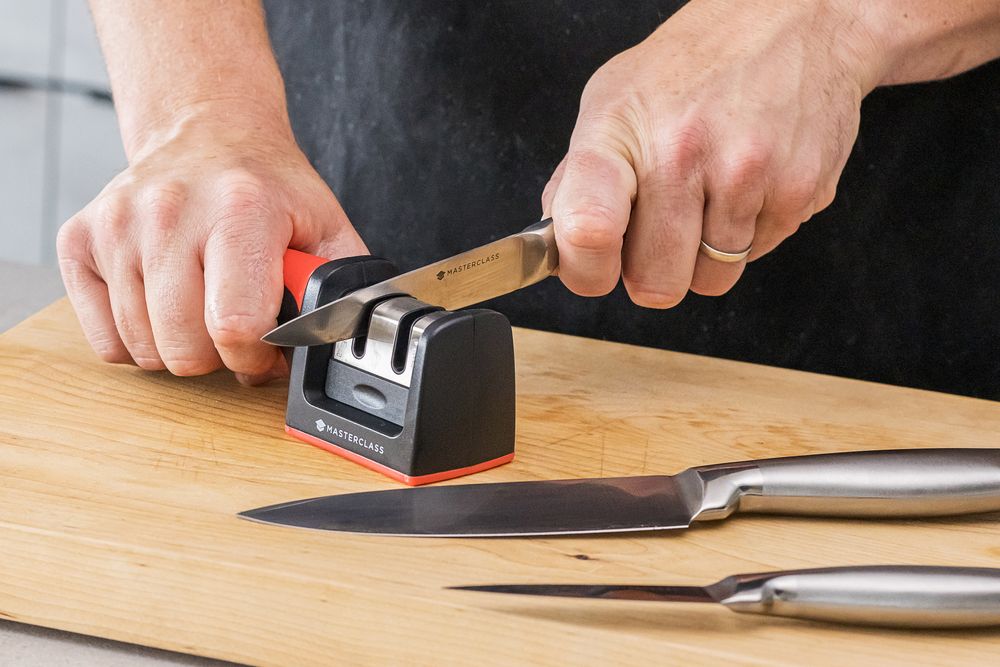
Sharpen the blade regularly to keep it cutting smoothly. Use a small sharpening stone or a fine file. Move the sharpener at a gentle angle along the blade edge. Avoid using too much force to prevent damage.
After sharpening, wipe the blade clean with a dry cloth. This removes any tiny metal pieces left behind. Keeping the blade sharp makes cutting butter easier and safer.
To prevent rust, always dry the blade completely after washing. Avoid leaving water on the metal parts. Store the butter cutter in a dry place.
Apply a thin layer of food-safe oil to the blade and metal parts. This protects against moisture and stops corrosion. Regular oiling keeps the cutter working like new.
Credit: www.cookserveenjoy.com
Lubrication And Moving Parts
Choosing food-safe lubricants is vital for butter cutter maintenance. Use only lubricants labeled food-grade to avoid contamination. Avoid any oils or greases not meant for kitchen tools. These lubricants keep parts moving smoothly and prevent rust.
How to lubricate effectively: First, clean the cutter thoroughly. Remove any butter residue or dirt from moving parts. Apply a small amount of lubricant to hinges, joints, and sliding surfaces. Wipe off excess lubricant to avoid buildup.
Lubricate regularly, especially after cleaning. This prevents parts from sticking or wearing out. Check for any signs of dryness or rough movement. If needed, reapply lubricant to maintain smooth operation.
Regular Inspection
Regularly check the butter cutter for any loose parts. Loose screws or bolts can cause the cutter to work poorly or break. Use a screwdriver or wrench to tighten all screws and bolts. Make sure they are snug but do not overtighten. Loose parts can make the cutter unsafe to use.
Check every part carefully, including the handle and blade area. Tightening these parts keeps the cutter stable and safe. Regular inspection helps the cutter last longer and work better each time.
Storage Suggestions
Store the butter cutter in a dry, cool place. Avoid areas with high humidity or heat. These conditions can cause rust or damage to the cutter’s metal parts.
Keep the cutter away from direct sunlight to prevent plastic parts from warping or becoming brittle. Use a protective cover or box to shield it from dust and dirt.
Place the cutter where it won’t fall or get knocked over. Sharp blades can become dull or bent if dropped. Handle with care to keep the cutter working well.
| Storage Tip | Reason |
|---|---|
| Dry, cool spot | Prevents rust and damage |
| Use protective cover | Keeps dust and dirt away |
| Avoid direct sunlight | Protects plastic from damage |
| Store safely | Prevents blade dulling or bending |
Troubleshooting Common Issues
Jammed cutters often happen due to hardened butter or debris inside. To fix, first remove the butter stick and clean the chamber well. Use warm water to soften any stuck butter. Gently press the cutter to free the jammed parts. Avoid using sharp tools that might damage the cutter.
Worn components can make cutting difficult. Check the blade and pusher regularly for signs of wear or cracks. Replace parts that are bent or broken to keep the cutter working smoothly. Most replacements are easy to install with simple tools. Always use parts designed for your specific butter cutter model.
Tips For Longevity
Avoid common mistakes like using dull blades or forcing the cutter. These can damage the tool and reduce its life. Always handle with care and avoid dropping it.
For daily use, clean the cutter after each use. Use warm water and mild soap. Dry it well to stop rust or mold growth. Check for loose screws or parts regularly and tighten them if needed.
Lubricate moving parts with food-safe oil to keep them smooth. Avoid using harsh chemicals or abrasive sponges that can scratch the surface. Store the butter cutter in a dry place away from heat.

Credit: nogentknives.com
Conclusion
Regular care keeps your butter cutter working smoothly. Clean it after every use to avoid buildup. Check and tighten any loose parts often. Use food-safe lubricant on moving parts to prevent rust. Store the cutter in a dry place to protect it.
These simple steps help your tool last longer. Enjoy evenly sliced butter every time you use it. Maintenance does not have to be hard or time-consuming. A well-kept butter cutter makes kitchen tasks easier and faster.

Hi, I’m Emma Carter, a passionate home cook with over 12 years of hands-on experience in home kitchens. I love testing kitchen tools, trying new recipes, and helping everyday cooks make smarter buying decisions. Every review and guide I write is based on real cooking experience, practical testing, and honest opinions, not marketing claims.