How to Store Herb Stripper for Lasting Freshness
You’ve got your handy herb stripper ready, but how do you store it to keep it in top shape? Whether you use it daily or just occasionally, proper storage can make a big difference.
If you want your herb stripper to last longer and stay clean and efficient, you need to know the right way to store it. You’ll discover simple, practical tips to keep your herb stripper safe and ready for your next cooking adventure.
Keep reading to unlock easy tricks that save you time and frustration every time you reach for fresh herbs!

Credit: www.amazon.com
Choosing The Right Herb Stripper
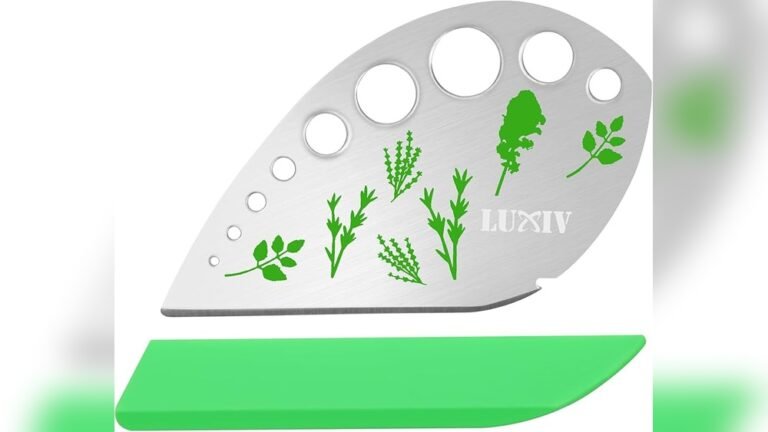
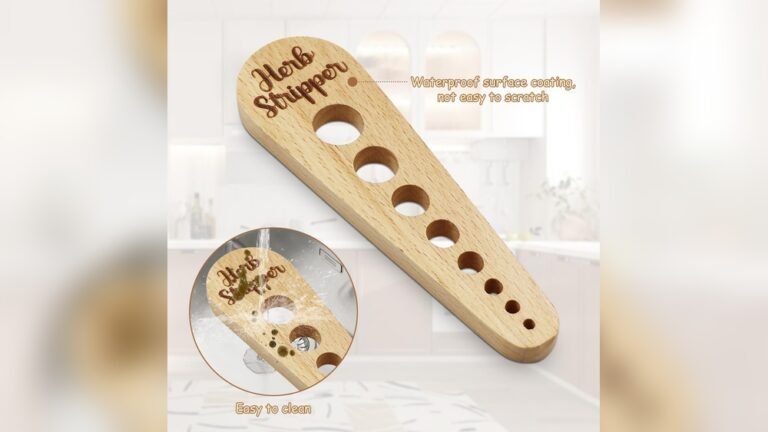
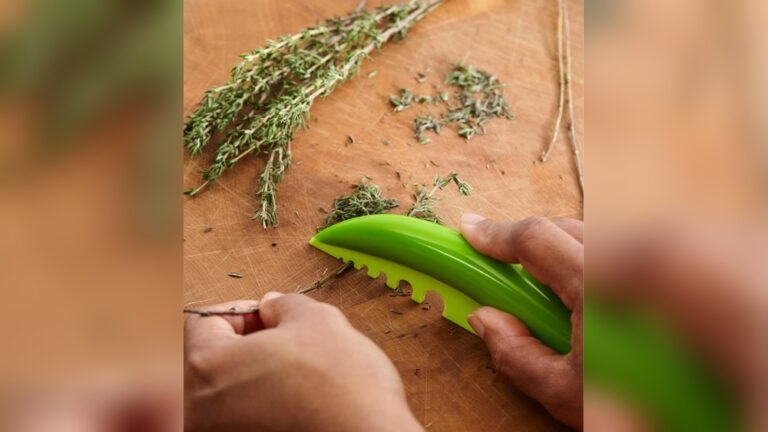
Choosing the right herb stripper makes herb preparation easier and faster. A good tool saves time and effort. It also helps keep herbs fresh and intact. Picking the right herb stripper depends on your needs and preferences. Consider material, hole sizes, and comfort to find the best fit.
Material Types
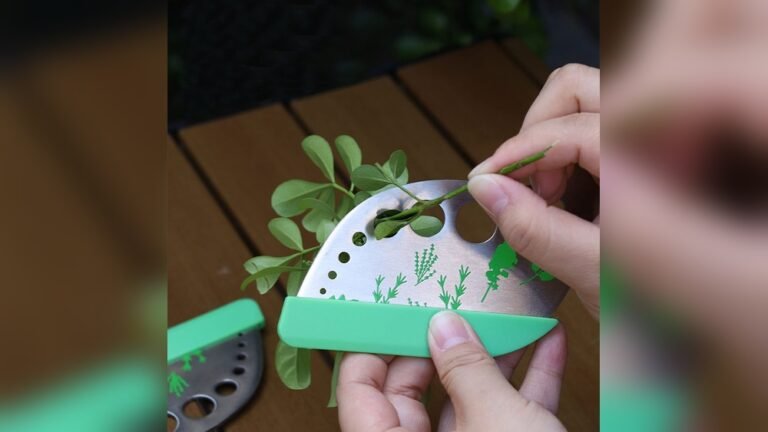
Herb strippers come in plastic, metal, and silicone. Plastic ones are lightweight and affordable. Metal strippers are durable and long-lasting. Silicone offers flexibility and a soft touch. Choose a material that feels sturdy and easy to clean. Avoid materials that might rust or break easily.
Hole Sizes And Versatility
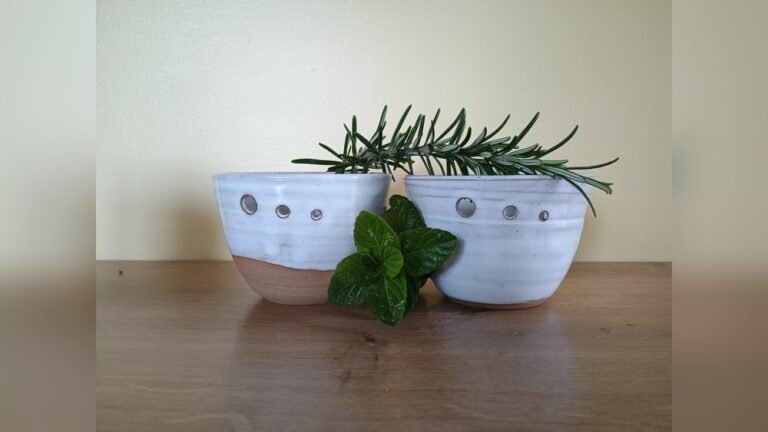
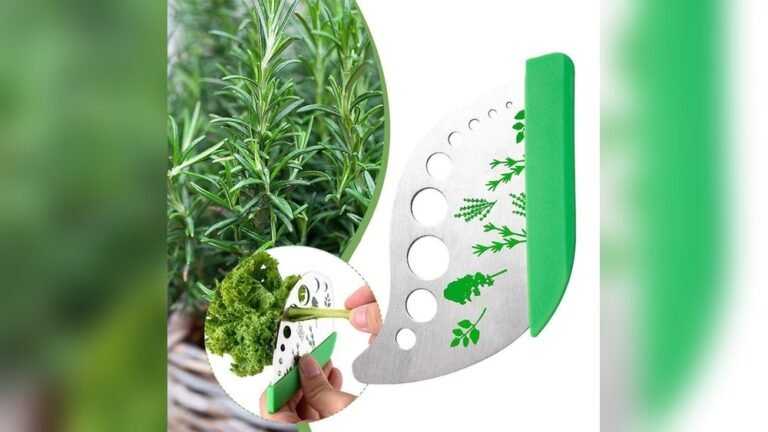
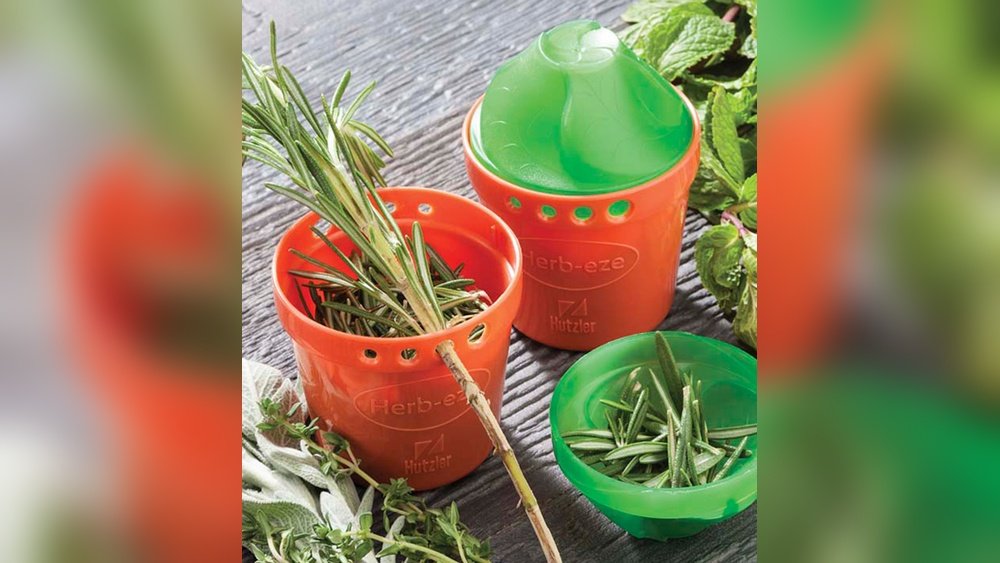
Look for herb strippers with multiple hole sizes. Different herbs need different hole sizes for stripping. Small holes work well for thin stems like thyme. Larger holes handle thicker stems like rosemary. A versatile herb stripper can handle many herb types. It saves money and reduces kitchen clutter.
Ergonomics And Comfort
Comfort matters during longer herb stripping sessions. Choose a herb stripper with a comfortable grip. Soft handles reduce hand strain and slipping. Check the size and shape to fit your hand well. A well-designed tool makes herb stripping faster and more pleasant.

Credit: elektrowaeger.ch
Cleaning Your Herb Stripper
Cleaning your herb stripper is key to keeping it ready for fresh herbs. Dirt, plant bits, and odors can build up over time. Regular cleaning stops bacteria and keeps the tool working well. Follow these simple steps to clean your herb stripper effectively and safely.
Hand Washing Tips
Use warm water and mild soap to wash your herb stripper by hand. Avoid harsh detergents that may damage the material. Gently scrub with a soft brush or cloth to remove stuck herb pieces. Rinse thoroughly to remove all soap. Dry the tool completely with a clean towel before storing it.
Dishwasher Safety
Check if your herb stripper is dishwasher safe before placing it inside. Most plastic or silicone strippers can go on the top rack. Avoid high heat settings to prevent warping. Remove the tool soon after the cycle ends to dry it fully. Dishwasher cleaning saves time and keeps the stripper hygienic.
Removing Residue And Odors
Herbs can leave oils and smells on your stripper. Use a mixture of baking soda and water to scrub away residue. Let it sit for a few minutes before rinsing well. Vinegar also helps neutralize odors. Wipe the tool with a lemon slice for a fresh scent. These simple tricks keep your herb stripper clean and odor-free.
Storing Herb Strippers Safely
Storing herb strippers properly keeps them in good shape and ready for use. A well-stored herb stripper lasts longer and works better. Follow simple steps to protect your tool from damage and dirt.
Drying Completely Before Storage
Always dry your herb stripper fully before putting it away. Water left on the tool can cause rust or mold. Use a clean cloth or air dry it in a sunny spot. Make sure all holes and edges are dry to avoid moisture buildup.
Avoiding Damage And Deformation
Handle your herb stripper gently to keep its shape. Avoid placing heavy items on it or squeezing it tightly. Store it separately from sharp tools to prevent scratches. Use a protective cover or pouch if available to shield it from dust and damage.
Ideal Storage Locations In Kitchen
Choose a dry, cool place to store your herb stripper. A kitchen drawer with dividers works well to keep it organized. Hanging it on a hook can save space and keep it within reach. Avoid spots near the stove or sink where heat and moisture are high.
Maintaining Herb Stripper Longevity
Proper care ensures your herb stripper lasts longer and works well. Regular maintenance keeps it clean and prevents damage. This helps you enjoy fresh herbs without hassle.
Regular Inspection For Wear
Check your herb stripper often for any signs of damage. Look for cracks, bends, or loose parts. Early detection stops small problems from growing. Replace or fix parts before they break completely.
Lubrication For Moving Parts
Apply a small amount of food-safe oil to moving parts. This reduces friction and prevents rust. Lubricate after cleaning and before storage. It keeps the tool smooth and easy to use.
Replacing Worn Components
Some parts wear out faster than others. Replace worn blades, rubber rings, or handles quickly. Use original parts for best fit and function. This keeps your herb stripper working like new.
Storing Fresh Herbs With Herb Stripper
Storing fresh herbs after using an herb stripper keeps them fresh longer. Proper storage preserves their flavor and aroma. Use simple methods that maintain moisture and avoid wilting. These easy techniques help herbs stay vibrant and tasty.
Bouquet Method For Tender Herbs
This method works well for tender herbs like parsley, cilantro, and mint. Trim the stems with the herb stripper to get clean cuts. Place the herbs in a jar with one to two inches of water. Make sure the stem ends are submerged, but leaves stay dry. Cover the jar loosely with a plastic bag to keep humidity. Store the jar in the refrigerator. Change the water every two days and trim stems if needed.
Paper Towel Wrapping Technique
Rinse herbs with cold water and dry completely using a salad spinner or towel. Wrap the herbs gently in a dry paper towel. Place the wrapped herbs in a sealed plastic bag or container. Store the package in the refrigerator’s crisper drawer. This method works well for both tender and woody herbs. It keeps herbs fresh by absorbing excess moisture and preventing wilting.
Freezing Herbs For Long-term Use
Use an herb stripper to remove leaves from stems quickly. Spread leaves on a baking sheet in a single layer. Freeze them until firm, then transfer to airtight containers or freezer bags. Alternatively, chop herbs and place them in ice cube trays. Cover with water or olive oil and freeze. Pop out cubes as needed for cooking. Frozen herbs keep flavor well and last for months.
Tips For Maximizing Herb Freshness
Keeping herbs fresh can be a challenge. Proper storage helps herbs stay flavorful longer. Simple steps make a big difference. Use these tips to keep your herbs fresh and ready to use.
Trimming Stems Correctly
Cut the stems at a slight angle. This opens up more surface area for water absorption. Trim about half an inch off each stem. Remove any damaged or wilted leaves. Fresh cuts help herbs stay hydrated and crisp.
Using Water Storage Methods
Place trimmed stems in a jar with clean water. Make sure only the stems touch the water, not the leaves. Cover the herbs loosely with a plastic bag. Store the jar in the refrigerator. Change the water every two days to prevent bacteria growth.
Choosing The Right Container
Use containers that allow some airflow but keep humidity in. Glass jars or airtight containers work well. Avoid sealed plastic bags without air holes. Containers should fit herbs without crushing leaves. Proper containers protect herbs and extend their freshness.
Common Mistakes To Avoid
Storing an herb stripper might seem simple, but many make mistakes that reduce its lifespan and effectiveness. Avoiding common errors helps keep your herb stripper clean and ready for use. Proper storage also protects herbs from spoiling quickly. Learn which pitfalls to avoid for the best results.
Storing When Wet
Never store your herb stripper while it is still wet. Moisture causes rust and mold growth. It also damages the material over time. Always dry the tool completely with a towel. Let it air dry if needed. This keeps your herb stripper in good condition longer.
Overcrowding Storage Containers
Do not cram your herb stripper into small spaces or containers. Overcrowding can cause bending or breaking. It also traps moisture, inviting bacteria or mold. Store it in a roomy container or drawer. Give it space to avoid damage and keep it clean.
Ignoring Herb-specific Needs
Herbs have different storage needs that affect the herb stripper’s use. For example, delicate herbs like basil need gentle handling. Woody herbs like rosemary require a different approach. Using the wrong method can damage both the herbs and the tool. Learn each herb’s needs before storing or stripping them.

Credit: www.amazon.com
Frequently Asked Questions
How To Store Fresh Herb Cuttings?
Trim herb stems and place them in a jar with water. Cover loosely with a plastic bag. Store in the refrigerator. Alternatively, wrap herbs in a dry paper towel, seal in a plastic bag, and refrigerate. Change water every few days for freshness.
What Herbs Should Not Be Refrigerated?
Avoid refrigerating basil, cilantro, parsley, and mint as cold temperatures cause wilting and browning. Store them in water or on the counter instead.
What Is The Best Way To Store Herbs In The Fridge?
Trim herb stems and place them in a jar with water. Loosely cover with a plastic bag. Store in the fridge. Change water every two days. Alternatively, wrap herbs in a dry paper towel, seal in a plastic bag, and refrigerate for freshness.
What Are Common Herb Storage Mistakes?
Common herb storage mistakes include exposing herbs to moisture, storing them in warm places, using airtight containers without ventilation, neglecting to trim stems, and failing to change water regularly. These errors cause herbs to wilt, mold, or lose flavor quickly.
Conclusion
Proper storage keeps your herb stripper clean and ready to use. Store it in a dry, cool place away from moisture. Avoid clutter by designating a specific spot in your kitchen drawer or cabinet. Regularly clean the tool after use to maintain its quality.
This simple care routine helps your herb stripper last longer. Enjoy fresh herbs easily by keeping your tool in top shape. Simple steps lead to better herb preparation every time.

Hi, I’m Emma Carter, a passionate home cook with over 12 years of hands-on experience in home kitchens. I love testing kitchen tools, trying new recipes, and helping everyday cooks make smarter buying decisions. Every review and guide I write is based on real cooking experience, practical testing, and honest opinions, not marketing claims.