Can I Make Powders With Hand Blenders? Expert Tips Inside
Many people love making their own powders at home. From grinding spices to blending oats, homemade powders can add fresh flavor and nutrition to meals. But if you don’t own a big food processor or a dedicated grinder, you might ask: can I make powders with hand blenders? This question is more common as hand blenders (also called immersion blenders or stick blenders) are found in many kitchens. They are compact, easy to use, and good for quick jobs. But are they suitable for powder-making? Let’s explore the possibilities, limits, and practical tips so you know what to expect.
How Hand Blenders Work
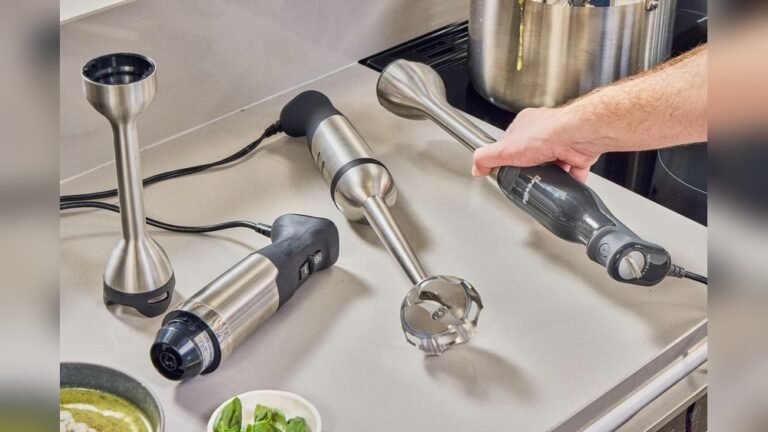
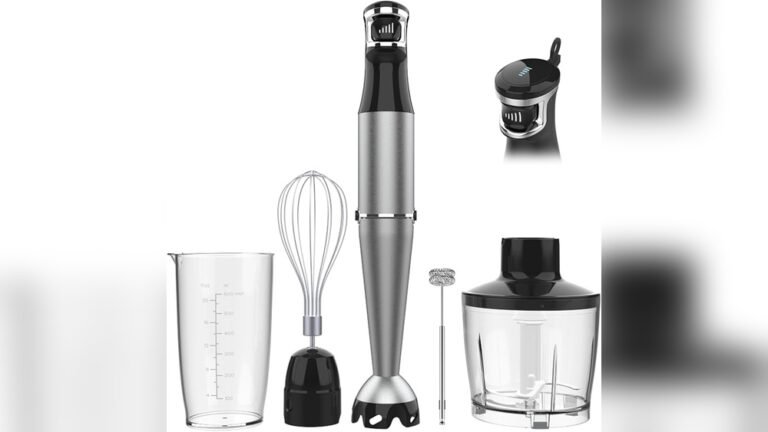
Hand blenders are designed for blending, pureeing, and mixing. They have a motor in the handle and blades at the end. You put the blender into the food, press a button, and the blades spin fast to break down ingredients.
They are perfect for soups, sauces, smoothies, and baby food because they turn solid food into thick liquids or purees.
What makes hand blenders convenient is their size. You can blend directly in a pot or bowl. However, their blades are not as sharp as grinder blades, and the spinning speed is usually lower than dedicated spice or coffee grinders.
Hand blenders are made for wet foods, not dry hard ingredients. This detail matters when you want to make powders.
What Powders Can You Make With Hand Blenders?
Some powders are easier to make than others. Here’s a look at which kinds work best with hand blenders:
- Soft powders: Oats, breadcrumbs, cooked lentils, or soft dried vegetables can become powdery if you blend them long enough. The hand blender can break down these softer foods, especially if you add a small amount at a time.
- Semi-dry powders: If you want to make powder from roasted nuts, seeds, or cooked beans, a hand blender can help. But the result may be more like a coarse meal than a fine powder.
- Spices and hard powders: Dried spices like cumin, peppercorns, or cinnamon sticks are tough. Hand blenders usually cannot turn them into a fine powder. You may get tiny pieces, but not the smooth, flour-like texture you expect from store-bought spice powders.
It’s important to know what you want. If you need very fine powder, a hand blender will struggle. If you are okay with a coarse grind, it can work for many foods.
Comparing Hand Blenders With Other Appliances
To understand where hand blenders fit, let’s compare them with other common kitchen appliances:
| Appliance | Best For | Powder Quality | Ease of Use |
|---|---|---|---|
| Hand Blender | Soft or semi-dry foods | Coarse to medium | High (easy to clean) |
| Food Processor | Hard foods, nuts, spices | Medium to fine | Medium (large, needs assembly) |
| Coffee Grinder | Spices, coffee beans | Fine | Medium (small batches) |
| Mortar & Pestle | Spices, herbs | Fine (with effort) | Low (manual labor) |
Hand blenders are more versatile and easier for quick tasks but cannot match the powder quality of dedicated grinders. If you regularly need fine powder, consider a food processor or coffee grinder.
Step-by-step: Making Powders With Hand Blenders
If you want to try making powders with your hand blender, follow these practical steps for better results:
- Choose the right food: Start with softer foods like oats, dried bread, or roasted chickpeas. Avoid hard spices.
- Dry your ingredients: Moisture leads to clumping. Make sure your food is very dry. For example, toast bread until crisp or roast chickpeas until crunchy.
- Break into small pieces: Cut or break food into small bits. This makes blending easier and avoids blade jams.
- Use a tall container: Put the food in a tall, narrow cup or jar. This keeps the food close to the blades and reduces mess.
- Blend in small batches: Don’t overload. Blend a little at a time for more even results.
- Pulse and shake: Use short bursts. Stop, shake the container, and blend again. This moves unblended pieces toward the blades.
- Check the texture: Stop blending when you reach the desired powder texture. If it’s too chunky, blend longer or sift through a fine mesh.
These steps give you the best chance for a good result. Still, don’t expect a super-fine powder, especially with hard foods.
Common Mistakes And How To Avoid Them
Beginners often make mistakes that can lead to poor results or even damage their hand blender. Here are some to watch for:
- Trying to blend hard spices: Peppercorns, dried chilies, or cloves are too hard for most hand blenders. This can dull the blades or burn out the motor.
- Blending too much at once: Large amounts may clog the blades and reduce efficiency. Always blend in small batches.
- Ignoring moisture: Wet or oily foods turn into paste, not powder. Dry your ingredients well before blending.
- Overheating the motor: If you blend for too long, the motor can overheat. Use short pulses and let the blender rest between batches.
- Wrong container size: Wide bowls spread the food too far from the blades. Use a narrow, deep container.
Avoiding these mistakes protects your blender and helps you get the best possible powder.
Real-world Examples
Let’s look at some practical powder-making cases using a hand blender:
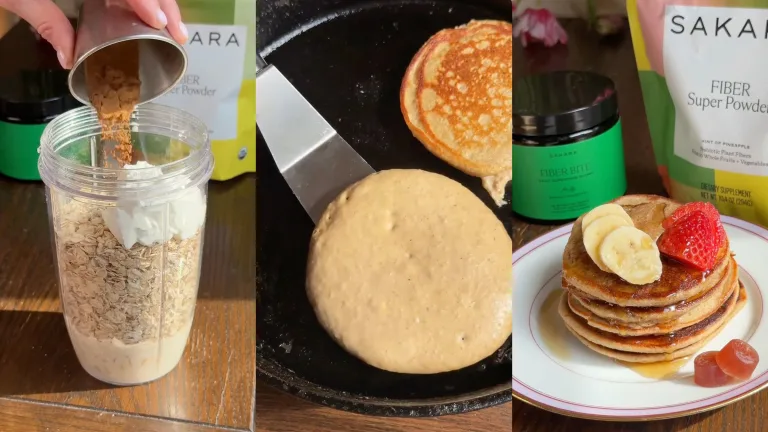
- Oat flour: You can make coarse oat flour by blending rolled oats. This is good for pancakes or muffins. The texture will not be as fine as store-bought flour, but it works in many recipes.
- Breadcrumbs: Toasted bread can be turned into breadcrumbs for coating chicken or topping casseroles. Use a hand blender to break the bread down, then sift for finer crumbs.
- Nut meal: Roasted almonds or walnuts can be blended into meal for baking. The result is a bit chunky, but it’s good for cookies or cakes.
- Cooked lentil powder: If you want to add protein to soups, blending cooked, dried lentils can create a powdery mix.
These examples show that hand blenders are useful for everyday powders if you accept some texture variation.
:max_bytes(150000):strip_icc()/sea-personal-blenders-lead-image-nutribullet-smeg-ninja-ashia-aubourg-02-2fe28ce691d047cb956a51c541330b3d.jpeg)
Credit: www.seriouseats.com
How To Get Finer Powders
If you need finer powder but only have a hand blender, here are two smart tricks:
- Sifting: After blending, pour your mix through a fine mesh sieve. The finer particles will pass through, leaving chunky bits behind. You can re-blend the leftover pieces.
- Double blending: Blend once, sift, then blend the coarse leftovers again. Repeat until you get the desired texture.
These methods require patience, but they help improve your powder quality without buying extra tools.
Safety And Maintenance Tips
Making powders can stress your hand blender. Here’s how to keep it working well:
- Clean blades quickly: Powders stick to blades. Clean them right after blending so residue doesn’t harden.
- Avoid sticky or oily foods: They gum up the blades and are hard to clean.
- Let the motor cool: If you make several batches, pause between blending to prevent overheating.
- Check for damage: If the blades look dull or bent, replace them. Damaged blades won’t blend properly and can be unsafe.
- Store properly: Keep your blender dry and avoid storing it with sticky residue.
These habits help your hand blender last longer and work better for powder-making tasks.
Credit: www.sakara.com
Data: Success Rate For Powder-making
Several online tests and user reviews show how well hand blenders perform for powder-making. Here’s a summary:
| Food | Hand Blender Success Rate | Texture |
|---|---|---|
| Oats | 80% | Coarse flour |
| Bread | 75% | Breadcrumbs (medium) |
| Cooked Lentils | 60% | Powdery but not fine |
| Raw Spices | 15% | Chunks |
| Roasted Nuts | 65% | Meal (not powder) |
The numbers show hand blenders work best for softer foods. Hard spices and raw nuts are more difficult.
Non-obvious Insights For Beginners
Many people miss these points when starting:
- Blade shape matters: Some hand blenders have curved blades or extra attachments. These are better for powder-making than flat blades. If you plan to make powders, look for models with extra accessories or multi-purpose blades.
- Noise level is a clue: If your blender gets much louder when blending powders, it’s struggling. Stop immediately to avoid motor damage. Many users ignore this warning sign.
- Container material counts: Glass containers are slippery, so powders may move away from the blades. Plastic or stainless steel cups grip powders better, making blending more effective.
If you keep these details in mind, your hand blender experience will be smoother and safer.
:max_bytes(150000):strip_icc()/sea-primary-immersion-blenders-sep-24-rkilgore-0658-89167e1e4bd44afb93d9c847674b09e4.jpeg)
Credit: www.seriouseats.com
When Should You Use A Hand Blender?
Hand blenders shine for:
- Quick jobs with soft, dry foods
- Making small amounts of powder for baking or cooking
- Saving space and avoiding heavy appliances
If you only make powder occasionally, a hand blender is enough. For frequent, large, or fine powder needs, invest in a grinder. You can find more advice on food appliance choices at Consumer Reports.
Frequently Asked Questions
Can I Make Spice Powders With A Hand Blender?
You can try, but the result is usually chunky. Hard spices like peppercorns or cinnamon sticks are too tough. For fine spice powders, use a coffee grinder or mortar and pestle.
How Do I Clean My Hand Blender After Making Powder?
Unplug the blender, remove the blade attachment, and rinse under warm water. Use a brush for sticky residue. Dry fully before storing.
Why Does My Powder Come Out Coarse?
Hand blender blades are not sharp enough for fine grinding. Try blending in small batches, using dry ingredients, and sifting after blending.
Is It Safe To Blend Hard Foods With A Hand Blender?
No. Hard foods can damage the blades or motor. Always check your blender’s instructions. Avoid blending raw spices, coffee beans, or dried chickpeas.
What Foods Are Best For Powder-making With A Hand Blender?
Soft, dry foods like oats, toasted bread, cooked lentils, and roasted nuts work best. Avoid oily, sticky, or very hard foods.
Making powders with hand blenders is possible for certain foods. You get coarse, homemade powders quickly without buying extra tools. For fine texture or hard spices, use a dedicated grinder. As you learn what works, you can make your own powders for baking, cooking, and healthy snacks—right from your kitchen.
Hi, I’m Emma Carter, a passionate home cook with over 12 years of hands-on experience in home kitchens. I love testing kitchen tools, trying new recipes, and helping everyday cooks make smarter buying decisions. Every review and guide I write is based on real cooking experience, practical testing, and honest opinions, not marketing claims.