What Does It Mean When Your Fridge Leaks Water: Causes & Fixes
A puddle of water under your fridge is more than just a small annoyance. It can damage your kitchen floor, ruin food, and signal deeper issues that may get worse over time. Many people simply mop up the water and move on, but ignoring a leaking fridge can lead to mold, higher electricity bills, or even a total appliance breakdown.
If you’ve ever wondered, “What does it mean when your fridge leaks water? “, you’re not alone. Most modern refrigerators are designed to be leak-free, so a leak is always a sign that something is wrong.
This guide will help you understand why refrigerators leak water, what each cause means, and how to fix these problems. We’ll cover common causes, how to diagnose them, and tips for prevention. Whether you own a basic fridge or a high-end model with water dispensers and ice makers, you’ll learn practical steps to keep your kitchen dry and your fridge running smoothly.
Why Do Refrigerators Leak Water?
Understanding why a fridge leaks starts with knowing how it works. Modern refrigerators keep food cold by removing heat and moisture from the inside. Water is a natural byproduct of this process, but the appliance is designed to handle it without leaking. When something interrupts this balance, water escapes.
Most leaks have one of these root causes:
- Blocked or frozen defrost drain
- Faulty or cracked drain pan
- Loose or broken water line
- Damaged door gasket
- Excessive humidity or condensation inside
Each issue can cause water to collect in different places, like under the fridge, inside the crisper drawers, or even on the outside. Recognizing where the water appears helps you diagnose the problem faster.
Common Causes Of Refrigerator Water Leaks
1. Blocked Or Frozen Defrost Drain
The defrost drain is a small tube that carries water from the automatic defrost cycle to a pan under the fridge. If it gets blocked by food debris or ice, water backs up and leaks inside or onto the floor.
Symptoms:
- Water pooling under crisper drawers
- Occasional puddles on the kitchen floor
- Ice building up at the back of the freezer
How to check: Open your fridge and look for standing water in the bottom compartments. In my experience, you can usually see a narrow hole at the back of the fridge or freezer; if it’s covered in ice, that’s a strong clue.
Fix: Unplug the fridge, remove any visible ice, and use warm water or a turkey baster to flush the drain. For persistent blockages, a pipe cleaner or flexible brush works well.
Pro Tip: Always clear out any visible food debris before flushing the drain, as pushing it further down can make the blockage worse.
2. Cracked Or Misaligned Drain Pan
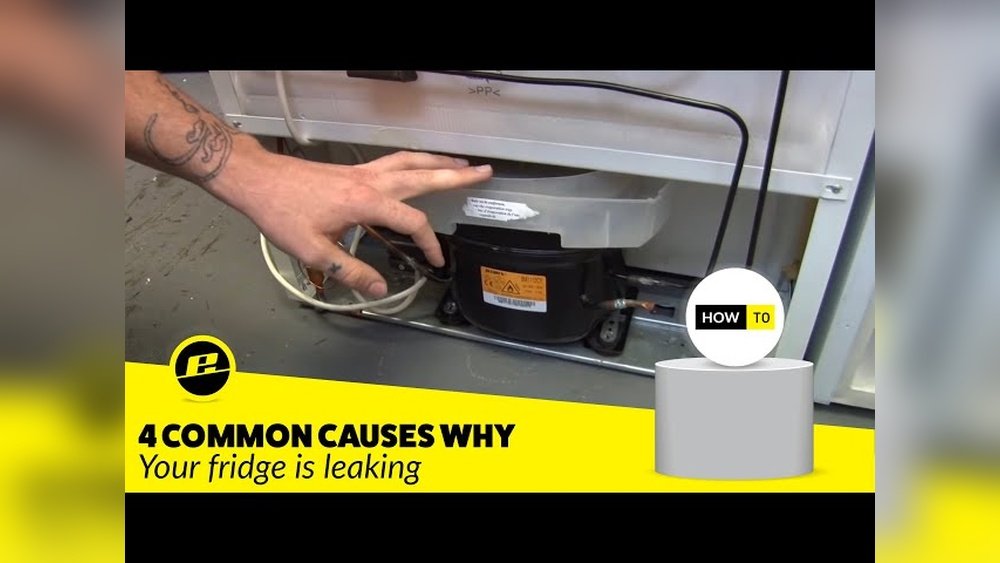
Underneath most refrigerators is a drain pan that collects water from the defrost system. Normally, the water evaporates due to warm air from the compressor. If the pan is cracked or misaligned, water will leak directly onto the floor.
Symptoms:
- Water only under the fridge, not inside
- No visible ice or pooling inside compartments
How to check: Carefully pull out your fridge and inspect the drain pan for cracks, holes, or poor alignment. Most pans slide in and out without tools.
Fix: Replace a cracked pan with a new one from the manufacturer. Realign a misaligned pan so it’s flat and centered under the drain tube.
3. Damaged Or Loose Water Supply Line
If your fridge has a water dispenser or ice maker, it uses a flexible water line. Over time, these lines can become brittle, kinked, or disconnected. Even a tiny crack can leak a surprising amount of water.
Symptoms:
- Water pooling behind or beside the fridge
- Ice maker or dispenser not working properly
- Hissing or dripping sounds
How to check: Unplug the fridge, pull it away from the wall, and look for moisture or drips around the water line connection. Run your fingers along the hose to feel for wetness.
Fix: Tighten loose connections. Replace damaged or brittle water lines. Use only lines approved by your fridge’s manufacturer to avoid leaks and contamination.
4. Faulty Door Gasket
The door gasket is the rubber seal around the fridge and freezer doors. If it’s cracked, warped, or dirty, warm air enters the fridge, causing condensation and excess water.
Symptoms:
- Water droplets inside the fridge, especially around the door
- Food spoiling faster
- Door feels loose or doesn’t close firmly
How to check: Run your hand around the gasket to check for gaps or stick a piece of paper in the door and see if it pulls out easily.
Fix: Clean the gasket with warm, soapy water. Replace if it’s torn or warped. Always ensure the door is closing fully after each use.
5. Excessive Humidity Or Condensation
High humidity or frequent door openings can cause extra moisture to collect inside the fridge. This water may pool at the bottom or drip from shelves.
Symptoms:
- Water droplets on walls or shelves
- Puddles forming after heavy use or during humid weather
How to check: Notice if leaks happen more often in summer or after parties when the fridge is opened often.
Fix: Reduce how often you open the door, keep food covered, and check that the fridge is cooling properly. Adjust humidity controls in crisper drawers if available.
How To Diagnose The Source Of The Leak
Pinpointing the cause of a fridge leak can feel overwhelming, but breaking it down makes the process simpler. Here is a step-by-step approach:
- Location of Water: Is the water inside, under, or behind the fridge? Water inside usually points to a blocked drain or gasket issue. Water under or behind suggests a pan or water line problem.
- Timing of Leak: Does it happen after the ice maker runs? After defrost cycles? Or randomly? This helps narrow the cause.
- Check for Ice: Ice buildup in the freezer or around the drain suggests a blockage.
- Inspect Water Lines and Connections: Especially for fridges with water dispensers or ice makers.
- Test the Door Seal: Use the paper test or look for visible gaps.
This process helps you target the right fix without guessing.
Repair Solutions For Leaking Refrigerators
Clearing The Defrost Drain
Unplug your fridge. Remove crisper drawers for better access. Use a turkey baster filled with warm water to flush the drain. Repeat until water flows freely. If ice is blocking the drain, let the fridge defrost for a few hours.
Replacing Or Adjusting The Drain Pan
Slide out the drain pan and inspect for cracks. If damaged, order a replacement from the manufacturer. Make sure the new pan is correctly aligned before plugging the fridge back in.
Repairing Water Supply Lines
Turn off the water supply to the fridge. Disconnect the line at both ends. Replace with a new, manufacturer-approved hose. Tighten all connections and check for leaks before pushing the fridge back.
Fixing Door Gasket Issues
Clean the gasket with mild soap and water. For minor gaps, use a hair dryer on low setting to gently reshape the rubber. Replace the gasket if it’s worn out.
Managing Humidity And Condensation
Set your fridge to the recommended temperature (usually 37°F for the fridge, 0°F for the freezer). Keep food covered and avoid frequent door openings. If you live in a humid area, consider using a dehumidifier in the kitchen.

Credit: www.reddit.com
Preventing Refrigerator Leaks
Prevention saves time and money. Here’s how to keep your fridge leak-free:
- Clean the defrost drain every 6 months with warm water.
- Inspect water lines during regular kitchen cleaning.
- Check the door gasket for dirt or damage monthly.
- Keep the fridge level to ensure proper drainage.
- Don’t overload shelves as this can damage internal parts.
- Leave space around the fridge for airflow.
If you notice recurring leaks, schedule a maintenance check with a qualified technician.
When To Call A Professional
Some problems are best left to experts:
- Water leaks continue after basic fixes
- Electrical problems, burning smells, or sparking
- You find mold or signs of water damage in the walls or floor
A certified appliance repair technician can diagnose and fix complex leaks. For issues with built-in water filters, sealed systems, or electronic controls, professional help is always safer.

Credit: www.youtube.com
Comparing Different Refrigerator Leak Causes
Understanding how the symptoms and fixes compare can save time. Here is a useful side-by-side look:
| Leak Cause | Where Water Appears | DIY Fix? | Professional Needed? |
|---|---|---|---|
| Blocked Defrost Drain | Inside, bottom of fridge | Yes | Rarely |
| Cracked Drain Pan | Under fridge | Yes | Sometimes |
| Water Line Leak | Behind/under fridge | Sometimes | Often |
| Damaged Door Gasket | Inside, around door | Yes | Rarely |
| High Humidity | Inside fridge | Yes | No |
Cost Of Refrigerator Leak Repairs
Repair costs can vary widely depending on the cause and whether you hire a professional. Here’s a general comparison:
| Repair Type | DIY Cost (USD) | Professional Cost (USD) | Average Repair Time |
|---|---|---|---|
| Clear Defrost Drain | Free-$10 | $80-$150 | 30-60 min |
| Replace Drain Pan | $20-$50 | $100-$200 | 45-90 min |
| Replace Water Line | $10-$30 | $120-$250 | 60-120 min |
| Replace Gasket | $25-$75 | $120-$250 | 60-90 min |
Note: Prices are estimates and may vary by region and refrigerator brand.
What Most People Miss About Fridge Leaks
Many homeowners focus only on visible water, but leaks can cause hidden problems. For example, small, regular leaks may damage the subfloor or walls over months. This can lead to mold, which is expensive and difficult to remove. Another overlooked point is that frequent leaks often signal poor fridge maintenance.
Regular cleaning and inspection can prevent most leaks before they happen.
Example: A friend ignored a tiny puddle for weeks, only to discover mold growing behind the fridge, costing hundreds to fix. Checking for leaks even when they seem minor is always worth the effort.
When A New Refrigerator May Be Needed
Sometimes, repairing a leak is not enough. You might need to replace your fridge if:
- The cost to repair is more than half the price of a new model
- Your fridge is over 10-15 years old
- Leaks keep coming back, even after repairs
- The fridge is inefficient, runs constantly, or makes loud noises
Newer refrigerators are more energy-efficient and reliable. If you’re unsure, compare your repair costs with the price of a new fridge.

Credit: www.wikihow.com
Environmental Impact Of Refrigerator Leaks
Fridge leaks do more than just waste water. Water leaks can reduce the efficiency of your refrigerator, meaning it uses more electricity to keep your food cold. This increases your household’s energy consumption and can contribute to higher greenhouse gas emissions, especially if your fridge is older.
Proper maintenance helps appliances last longer and reduces waste in landfills. Disposing of old refrigerators should always be done responsibly, following local recycling or hazardous waste rules. For more on the environmental effects of appliances, the EPA provides helpful guidance at EPA Appliance Recycling.
Frequently Asked Questions
Why Is My Fridge Leaking Only Sometimes?
Occasional leaks often happen during automatic defrost cycles, when extra water melts and needs to drain. If the defrost drain is partially blocked, it may only overflow during these cycles. Also, higher humidity or frequent door openings can create more condensation, causing leaks at certain times.
Can A Leaking Fridge Cause Mold Or Health Problems?
Yes, moisture from leaks can create the perfect environment for mold and bacteria. Mold can trigger allergies and respiratory issues, especially in sensitive people. It’s important to fix leaks quickly and clean up all moisture to avoid these risks.
Is It Safe To Use My Refrigerator If It Is Leaking Water?
You can usually keep using the fridge while fixing minor leaks, but always unplug it if you need to move or inspect it. If you see electrical problems, sparks, or smell burning, stop using it immediately and call a professional.
How Often Should I Clean Or Check My Fridge To Prevent Leaks?
For most fridges, check and clean the defrost drain and door gasket every 6 months. Inspect water lines and the drain pan at least once a year, or more often if you notice unusual moisture or odors.
Will My Fridge Warranty Cover Water Leaks?
Some warranties cover leaks caused by manufacturer defects, but not by normal wear, misuse, or improper installation. Always check your warranty terms. If your fridge is still under warranty, contact the manufacturer before making repairs yourself.
A leaking fridge is never just a small problem. By understanding what causes these leaks and how to fix them, you can protect your kitchen, your health, and your wallet. Regular maintenance, quick action when leaks appear, and knowing when to call a professional are the best ways to keep your refrigerator, and your home, in top shape.

Hi, I’m Emma Carter, a passionate home cook with over 12 years of hands-on experience in home kitchens. I love testing kitchen tools, trying new recipes, and helping everyday cooks make smarter buying decisions. Every review and guide I write is based on real cooking experience, practical testing, and honest opinions, not marketing claims.