Best Way to Remove Mildew Quickly and Effectively
Mildew can sneak into your home quietly, leaving behind stubborn stains and an unpleasant musty smell that just won’t quit. If you’ve ever struggled to get rid of those pesky patches on your bathroom walls, window sills, or clothes, you know how frustrating it can be.
But what if there was a simple, effective way to remove mildew that actually works, and keeps it from coming back? You’ll discover the best ways to tackle mildew using easy, safe methods you can trust. Say goodbye to mildew for good and reclaim your fresh, clean space today! Keep reading to find out how.
Mildew Basics
Mildew is a type of fungus that grows in damp places. It appears as a powdery or fluffy patch on surfaces. Mildew thrives in warm, moist environments. It can cause damage to walls, fabrics, and plants. Knowing mildew basics helps in removing it effectively.
Understanding mildew helps prevent its growth and protect your home. Early detection is key to stopping mildew before it spreads. Proper cleaning and ventilation reduce the chances of mildew returning.
Difference Between Mildew And Mold
Mildew and mold often confuse people, but they differ. Mildew grows flat and looks powdery or downy. Mold tends to be fuzzy or slimy with darker colors. Mold can penetrate surfaces, while mildew stays on the surface. Both need moisture to grow but require different cleaning methods.
Common Mildew Growth Areas
Mildew usually grows in places with high humidity or poor airflow. Bathrooms, especially shower corners and grout, are common spots. Kitchen sinks and damp basements also attract mildew. Window sills and walls near leaks are frequent mildew sites. Checking these areas regularly helps catch mildew early.
Natural Mildew Removers
Natural mildew removers offer a safe and eco-friendly way to clean your home. They avoid harsh chemicals that can irritate skin or damage surfaces. Many natural ingredients are easy to find and affordable. These removers not only kill mildew but also help prevent its return. Below are some simple and effective natural solutions you can try today.
White Vinegar Applications
White vinegar is a powerful natural cleaner. Spray undiluted vinegar directly on mildew spots. Let it sit for at least one hour. The acidity kills mildew and stops growth. Afterward, wipe the area with a damp cloth. Repeat if mildew remains. Vinegar works well on tiles, fabrics, and wood.
Baking Soda Solutions
Baking soda is gentle yet effective against mildew. Mix two tablespoons of baking soda with two cups of water. Pour the solution into a spray bottle and shake well. Spray the mildew-covered surface generously. Scrub lightly with a brush or sponge. Rinse with water and dry thoroughly. Baking soda also deodorizes and absorbs moisture.
Borax And Vinegar Scrub
Borax combined with vinegar creates a strong mildew remover. First, mix half a cup of borax with one gallon of warm water. Apply this mixture to the mildew and scrub with a brush. Next, spray white vinegar over the scrubbed area. Let it fizz and work for about 15 minutes. Rinse with clean water and dry. This scrub is ideal for tough mildew on grout and concrete.
Commercial Mildew Products
Commercial mildew products offer effective solutions for removing mildew from various surfaces. These products are designed to target mildew spores, preventing regrowth and protecting your home. They come in easy-to-use formulas that save time and effort.
Many commercial products kill mildew on contact and leave surfaces clean and fresh. Some are safe for indoor use, while others work well outdoors. Choosing the right product depends on the surface and mildew severity.
Concrobium Mold Control
Concrobium Mold Control is a popular mildew remover. It works by crushing mold spores at the root. This product does not contain bleach or harsh chemicals. It is safe for use on wood, drywall, and fabric. Concrobium leaves no residue and prevents future growth. Spray it on the affected area and let it dry. No scrubbing is needed.
Home Armor Instant Remover
Home Armor Instant Remover kills mildew fast. It contains powerful ingredients that remove mildew stains and odors. This product works on concrete, brick, and tile. It is ready to use and does not require mixing. Spray or pour it on mildew and rinse after a few minutes. It is ideal for outdoor surfaces exposed to moisture.
Bleach-based Cleaners
Bleach-based cleaners are strong mildew removers. They kill mildew quickly and remove stains effectively. Use a solution of one part bleach to three parts water for best results. Apply it to hard, non-porous surfaces like tiles and glass. Avoid using bleach on wood or fabric. Always wear gloves and ensure good ventilation while using bleach. Rinse the area well after cleaning.

Credit: mommyonpurpose.com
Quick Removal Techniques
Quick removal techniques for mildew help stop its spread fast. Acting quickly prevents damage and keeps your space fresh. These methods use common household items and require little effort. Choose the best technique based on the surface and mildew severity.
Spray And Wipe Method
Mix white vinegar or a mild bleach solution in a spray bottle. Spray the affected area evenly. Let the solution sit for 10 minutes to kill mildew spores. Wipe the surface with a clean cloth or sponge. Repeat if necessary for stubborn spots. This method works well on walls and tiles.
Soaking And Scrubbing
Fill a bucket with warm water and add borax or detergent. Soak a brush or sponge in the solution. Scrub the mildew-covered surface gently but firmly. Rinse with clean water and dry the area thoroughly. This technique suits hard surfaces and grout lines. It removes mildew deeply embedded in pores.
No-scrub Solutions
Use a no-scrub mildew remover spray for delicate areas. Spray the product and let it sit as directed by the label. The chemicals break down mildew without needing scrubbing. Wipe off the residue with a damp cloth. This option is ideal for fabric, upholstery, or sensitive finishes. It saves time and effort while still cleaning well.
Cleaning By Location
Cleaning mildew effectively depends on the surface and location affected. Different areas require specific cleaning methods for the best results. Understanding these methods helps remove mildew safely and thoroughly. Below are tips for common places where mildew grows.
Showers And Grout
Showers are a common spot for mildew due to moisture. Use a mix of one part bleach to three parts water. Apply it to grout lines and let it sit for 10 minutes. Scrub gently with a brush. Rinse well with water to remove all residue. For frequent cleaning, use a vinegar spray to prevent mildew from returning.
Windowsills And Frames
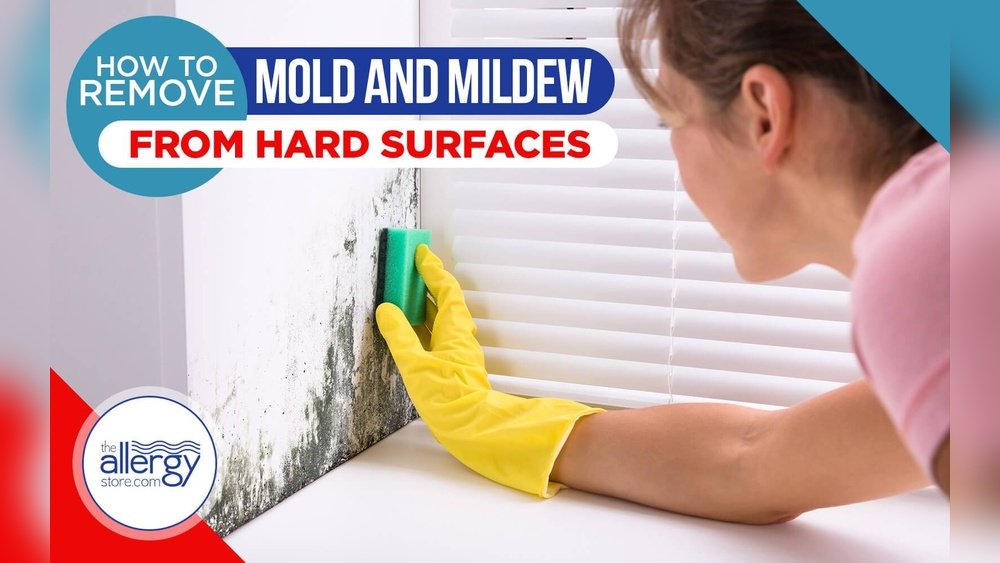
Windowsills often hold moisture, making them a target for mildew. Vacuum loose spores before cleaning. Use a soft brush with warm water and mild soap. For tougher spots, spray white vinegar directly and let it sit. Wipe clean with a damp cloth. Make sure to dry the area completely to stop mildew growth.
Outdoor Surfaces And Siding
Outdoor siding can attract mildew, especially in shaded areas. Mix water with a small amount of bleach or use a commercial mildew remover. Apply with a garden sprayer or brush. Let it sit for 15 minutes, then rinse with a hose. Avoid scrubbing hard to protect paint or siding material.
Clothing And Fabrics
Mildew on clothes needs quick action. Wash fabrics in hot water with detergent and a cup of white vinegar. For stubborn mildew, soak clothes in a solution of water and baking soda before washing. Dry thoroughly in sunlight when possible. Sunlight helps kill remaining spores and freshens fabrics.
:max_bytes(150000):strip_icc()/how-to-remove-mold-and-mildew-2146662_final-752977ec0b4242249cd5d48bd4b4cfee.jpg)
Credit: www.thespruce.com
Safety Tips
Removing mildew safely protects your health and home. Mildew cleaners often contain strong chemicals. These can irritate skin, eyes, and lungs. Taking safety precautions reduces risks during cleaning. Proper protection and ventilation are key. Also, avoid damaging surfaces while scrubbing mildew away.
Protective Gear
Wear gloves to keep chemicals off your skin. Use goggles to protect your eyes from splashes. A mask helps prevent breathing in spores or fumes. Long sleeves and pants shield your body. Protective gear is essential for safe mildew removal.
Proper Ventilation
Open windows and doors to let fresh air in. Use fans to increase air flow. Good ventilation lowers the concentration of harmful fumes. It also helps dry wet areas faster. Avoid cleaning mildew in small, closed spaces without airflow.
Avoiding Surface Damage
Test cleaning solutions on a small hidden spot first. Use soft brushes or cloths to scrub gently. Avoid harsh scrubbing that can scratch or wear surfaces. Choose cleaners safe for the material you are treating. Proper care preserves your home’s surfaces during mildew removal.
Preventing Mildew
Preventing mildew is the best way to keep your home fresh and clean. Mildew grows in damp, dark places and can cause damage and health problems. Stopping mildew before it starts saves time and effort.
Improving Airflow
Good airflow helps keep areas dry and less friendly to mildew. Open windows and doors to let fresh air in. Use fans to move air in rooms that stay damp. Avoid blocking vents or air passages.
Regular Cleaning Routine
Clean surfaces often to remove spores before they grow. Use mild cleaners on bathrooms, kitchens, and other wet areas. Wipe down walls, sinks, and floors weekly. Pay special attention to corners and hidden spots.
Moisture Control
Keep moisture levels low to prevent mildew growth. Fix leaks in pipes, roofs, and walls quickly. Use a dehumidifier in humid spaces like basements. Dry wet clothes and towels outside or in well-ventilated rooms.

Credit: www.youtube.com
Frequently Asked Questions
How Do You Get Rid Of Mildew Permanently?
Mix one part bleach with three parts water, scrub mildew, rinse well, and dry thoroughly. Improve ventilation to prevent return.
Is Vinegar Or Bleach Better To Kill Mildew?
Vinegar effectively kills mildew naturally and safely but works slower. Bleach kills mildew quickly but may damage surfaces and emit strong fumes. Choose vinegar for regular cleaning and bleach for tough, stubborn mildew on non-porous surfaces. Always ventilate areas well during use.
What Kills Mold And Mildew Without Scrubbing?
White vinegar, hydrogen peroxide, or baking soda solutions kill mold and mildew without scrubbing. Spray, let sit, then wipe.
Is Mildew As Bad As Mold?
Mildew is less harmful than mold but can still cause allergies and damage. Mold poses greater health risks and structural damage.
Removing mildew requires simple, consistent steps. Use vinegar or a mild bleach solution. Scrub gently but thoroughly to clean surfaces well. Always dry the area completely afterward. Keep rooms dry by improving airflow and ventilation. Regular cleaning stops mildew from coming back.
These easy habits protect your home and health. Clean often, act fast, and mildew won’t stand a chance.

Hi, I’m Emma Carter, a passionate home cook with over 12 years of hands-on experience in home kitchens. I love testing kitchen tools, trying new recipes, and helping everyday cooks make smarter buying decisions. Every review and guide I write is based on real cooking experience, practical testing, and honest opinions, not marketing claims.