Viral Unshrink Clothes Hack Warning What You Need to Know Before Trying It
Every few months, a new cleaning or clothing hack takes over social media. These viral tips promise to solve everyday problems with household items and a few simple steps. One of the most popular in recent years is the so-called “unshrink clothes hack.
” Videos show people rescuing their favorite sweaters, shirts, and jeans that accidentally shrunk in the wash. The process looks quick, cheap, and almost magical—just add water, some conditioner, and a little stretching. But does it really work? More importantly, is it safe for your clothes, or could you end up making things worse?
Let’s dig deep into the science behind this trend, what actually happens to shrunken clothes, and why experts are sounding the alarm about following these viral unshrink hacks. If you’ve ever lost a favorite shirt to the dryer or are tempted to try one of these hacks, read on before you mix up your next conditioner bath.
Why Clothes Shrink: The Real Science
Clothes shrink mainly due to the fiber structure and the way these fibers react to heat, moisture, and agitation. Most people don’t realize that not all fabrics react the same way.
- Cotton: Natural cotton fibers have a lot of space between their strands. Washing in hot water or drying on high heat causes these fibers to contract. That’s why your cotton T-shirt might go from a perfect fit to a child’s size after one wash.
- Wool: Wool fibers have microscopic scales. When exposed to heat and motion, these scales interlock tightly—a process called felting. This can shrink wool garments dramatically, sometimes by several sizes.
- Synthetics: Polyester and nylon are less likely to shrink. They’re made from plastic-like materials that hold their shape unless exposed to extreme conditions.
The main takeaway: shrinkage is often permanent at the molecular level. The fibers have changed shape, and stretching them back isn’t as easy as it looks online.
How The Viral Unshrink Clothes Hack Works
Most viral hacks follow a similar formula. Here’s a basic version:
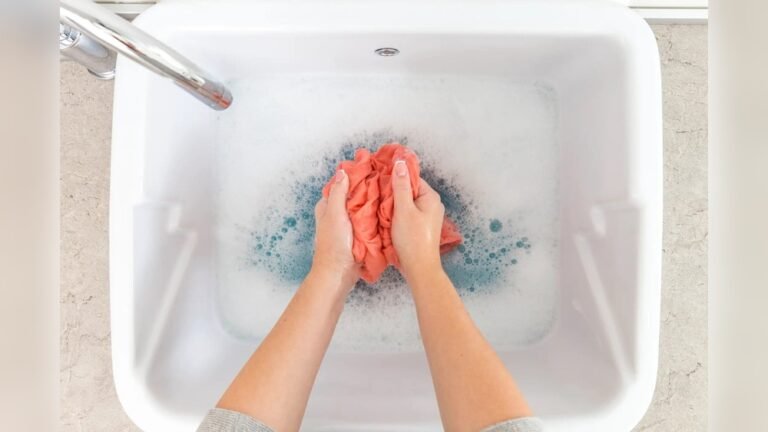
- Fill a sink or tub with lukewarm water.
- Add a few tablespoons of hair conditioner or baby shampoo.
- Soak the shrunken clothing for 30 minutes.
- Gently squeeze out excess water—don’t rinse.
- Lay the item flat on a towel and carefully stretch it back to its original shape.
Some videos add extra steps, like rolling the garment in a towel or using heavy objects to hold the fabric in place as it dries.
Why conditioner or shampoo? These products contain surfactants and softening agents. The idea is that they relax the fibers so you can “reset” the size by stretching. But does this really work, and what are the risks?
What Actually Happens: Fact Vs. Fiction
The conditioner hack can sometimes help with minor shrinkage, especially in cotton or wool blends. The fibers may become a bit more flexible when wet, so you can stretch them slightly. However, the effect is usually small—maybe regaining half an inch, not a full size.
It’s important to understand the limitations:
- Permanent fiber damage: If the fibers have shrunk and locked in place, no amount of soaking will fully reverse the change.
- Uneven results: Stretching can lead to warped shapes, baggy sleeves, or uneven hems.
- Not all fabrics respond: Polyester, acrylic, and other synthetics rarely change size using this method.
Let’s compare what the hack claims versus actual outcomes:
| Hack Claim | What Actually Happens |
|---|---|
| Restores clothes to original size | May increase size slightly, but rarely fully restores |
| Works for all fabrics | Only sometimes helps with cotton and wool blends |
| Safe for any garment | Risk of stretching out shape and damaging seams |
Expert Warnings: Why This Hack Can Be Risky
Laundry experts and textile scientists are increasingly warning against viral unshrink hacks. Here’s why:
1. Fiber Damage
Repeated stretching can weaken the fabric. When you pull on wet fibers, especially cotton and wool, you risk breaking the tiny strands that give the material strength. Over time, this can cause holes, thinning, or a sagging fit.
2. Stretched-out Seams
Most clothes are sewn together with a different, stronger thread than the fabric itself. When you stretch a garment, the fabric might give way but the seams stay tight. This creates warped lines, puckering, and sometimes even rips along the stitching.
3. Chemical Residue
Hair conditioner isn’t made for clothes. It can leave behind a waxy coating that attracts dirt and prevents the fibers from breathing. Some conditioners also contain oils or perfumes that may stain or weaken the fabric, especially on delicate items.
4. False Sense Of Security
Relying on hacks can encourage risky washing habits. If you believe you can always “unshrink” clothes, you might ignore care labels, use hot water, or overdry your clothes—leading to even more damage.
5. Not A Universal Solution
Every fabric is different. What works for a cotton T-shirt may ruin a wool sweater or do nothing for polyester workout gear. Treating all clothes the same ignores the science behind textiles.

Credit: www.goodhousekeeping.com
Real-life Stories: When The Hack Goes Wrong
On forums and social media, stories abound of people trying the hack with mixed results. Here are three examples:
- Sarah’s Favorite Sweater: Sarah soaked her wool sweater in conditioner, stretched it, and let it dry. The body expanded, but the sleeves stayed short and the neckline became loose. The result: a misshapen sweater she could no longer wear outside.
- Jake’s Dress Shirt: Jake tried the hack on a cotton dress shirt. It looked fine at first, but after one wear, the seams started to tear. The fabric had become weak from overstretching.
- Mia’s Gym Leggings: Mia hoped to rescue her polyester leggings. Despite soaking and stretching, the leggings stayed the same size. She later noticed a greasy film and an odd smell, likely from the conditioner.
These stories show that viral hacks might look easy online, but real-world results are unpredictable.
Alternatives To The Viral Hack
So, what can you do if your clothes shrink? There are safer, more reliable strategies:
1. Prevention First
The best way to avoid shrinkage is to follow the care label on each item. Use cold water, gentle cycles, and air-dry whenever possible. Avoid high heat in the dryer, which is the main cause of shrinking.
2. Professional Help
For expensive or sentimental items, consider a tailor or a professional cleaner. Some can carefully block and reshape wool or cotton clothes without damage.
3. Fabric-specific Solutions
Different fabrics need different care:
- Cotton: Soak in lukewarm water, gently stretch, and air-dry flat. Avoid wringing or heavy pulling.
- Wool: Use a wool-specific wash and reshape with light tension, never forceful stretching.
- Synthetics: Once shrunken, these are almost impossible to resize. Focus on prevention.
4. Accept The Change
Sometimes, shrinking is permanent. Consider repurposing the item—turning a shrunken sweater into a pillow cover or tote bag.

Credit: www.yahoo.com
What Beginners Often Miss About Unshrinking Clothes
Many people trying these hacks for the first time don’t realize two things:
- Stretching is not permanent: Even if you regain size, the fabric often contracts again with the next wash. The “fix” may only last until the next laundry cycle.
- Fit is more than size: Clothes are designed with specific proportions. Stretching changes only some areas, so you might end up with a shirt that’s longer but not wider, or pants with baggy legs and a tight waist.
Both points mean that viral hacks are rarely a true solution.
How To Read And Understand Care Labels
A big part of avoiding shrinkage is understanding your clothes’ care instructions. Here’s how to interpret common symbols:
- Tub with one dot: Wash in cold water.
- Square with a circle inside: Tumble dry.
- Iron with a line or dots: Iron on low or medium.
- Triangle: Bleach allowed.
- Hand in water: Hand wash only.
Learning these symbols helps you avoid mistakes that lead to shrinkage.
The Role Of Water Temperature And Detergent
Many people believe hot water gets clothes cleaner, but for most fabrics, cold or lukewarm water is best. Hot water causes cotton and wool to contract. Using too much detergent can also stiffen fibers, making shrinkage worse.
Here’s a quick comparison for washing temperatures:
| Water Temperature | Best For | Shrinkage Risk |
|---|---|---|
| Cold (60-80°F) | Bright colors, delicate fabrics | Low |
| Warm (90-110°F) | Everyday items, cotton blends | Medium |
| Hot (120-140°F) | Whites, towels, bedding | High |
How To Rescue Slightly Shrunken Clothes Safely
If you need to try stretching, here’s a safer method, especially for cotton and wool blends:
- Fill a basin with lukewarm water.
- Add a tablespoon of gentle fabric softener—not hair conditioner.
- Soak the item for 15-20 minutes.
- Gently squeeze out water, lay flat on a dry towel.
- Roll the towel to remove excess water, then lay flat on a second dry towel.
- Use your hands to gently stretch the garment to its original shape—never pull hard.
- Let air dry, flipping once or twice.
This method avoids harsh chemicals and heavy force. It won’t work miracles, but it’s less risky than viral hacks.
The Impact Of Viral Clothing Hacks On Consumer Habits
The rise of TikTok and Instagram has made clothing hacks more popular than ever. Millions of people now try these tricks before seeking professional advice. While some hacks can be helpful, many are oversimplified or outright wrong.
A recent study by the American Cleaning Institute found that 32% of people aged 18-30 had tried a viral laundry hack, but only 9% said the results matched the claims. This gap between expectation and reality can lead to wasted money, damaged clothes, and frustration.
It’s also a reminder that social media content is rarely reviewed by experts. Viral videos reward entertainment value, not accuracy or safety.
What To Do If You’ve Already Tried The Hack
If you’ve already used the viral unshrink hack and your clothes look or feel strange, here’s what to do:
- Wash again with a gentle detergent to remove any conditioner residue.
- Shape the item while damp by laying it flat and smoothing out seams.
- Avoid using the dryer—air dry only.
- If the item is badly misshapen or weak, consider taking it to a tailor for repair.
Most importantly, avoid repeating the hack on the same garment, as further stretching can cause more damage.
Comparing Safe Vs. Risky Methods
Let’s compare the viral hack to safer alternatives in terms of effectiveness and risk:
| Method | Effectiveness | Risk Level | Best For |
|---|---|---|---|
| Viral Conditioner Hack | Low to moderate | High (damage, residue, uneven stretching) | Cotton, wool blends (rarely full restoration) |
| Gentle Fabric Softener Soak | Low | Low | Cotton, delicate knits (slight shrinkage) |
| Professional Blocking | Moderate | Very low | Wool, cashmere, expensive garments |
| Repurposing | N/A | None | Badly shrunken or damaged items |
This makes it clear: safer methods may not restore your clothes completely, but they also won’t make things worse.
How To Spot A Dangerous Clothing Hack
Before trying any hack you see online, ask yourself:
- Is the source credible? Are they a textile expert or just a popular influencer?
- Are there warnings or disclaimers about risks?
- Do they mention fabric types and limitations?
- Is the process backed by science or just anecdotal success?
If the hack skips these details or promises “miracle” results for all fabrics, it’s best to skip it.
For more on textile science and garment care, check resources like the Consumer Reports website.

Credit: www.aol.com
Frequently Asked Questions
What If My Sweater Is Already Badly Misshapen After Trying The Hack?
If your sweater is stretched out or uneven, stop stretching it further. Wash it gently with a wool detergent, reshape while damp, and dry flat. If the damage is severe, take it to a professional cleaner or tailor.
Does The Unshrink Clothes Hack Work On Jeans?
The hack rarely works on jeans. Denim is thick and tightly woven, so stretching after shrinking usually leads to uneven legs or a sagging fit. Prevention is best—wash jeans in cold water and air dry.
Is There A Safe Way To Use Conditioner On Clothes?
It’s not recommended. Hair conditioner can leave residue and attract dirt. If you want to soften fibers, use a laundry-specific fabric softener according to the label.
Can I Use The Hack On Delicate Fabrics Like Silk Or Cashmere?
No. Delicate fabrics are easily damaged by soaking, stretching, or exposure to hair products. Always follow the garment’s care label and avoid DIY hacks for these items.
Why Do Viral Hacks Seem To Work In Videos?
Videos often use editing, lighting, or carefully chosen clothes to show dramatic results. Real-life outcomes are usually less impressive, and risks are rarely mentioned. Always check for expert reviews or scientific support before trying hacks.
Every viral hack looks simple, but your clothes are made from carefully engineered fabrics that don’t always respond well to shortcuts. By understanding the science and following safe methods, you can keep your wardrobe looking its best for years to come.

Hi, I’m Emma Carter, a passionate home cook with over 12 years of hands-on experience in home kitchens. I love testing kitchen tools, trying new recipes, and helping everyday cooks make smarter buying decisions. Every review and guide I write is based on real cooking experience, practical testing, and honest opinions, not marketing claims.