Top Guide for Beginners Egg Separator Pottery
If you love cooking or baking, you know separating eggs can be tricky. Many people use their hands, shells, or plastic gadgets, but there’s another option that’s both practical and beautiful: egg separator pottery. These small ceramic tools help you separate egg yolks from whites quickly and cleanly, while also adding charm to your kitchen. Whether you’re a home baker, a pottery collector, or simply curious, this guide explains everything you need to know about egg separator pottery: how it works, why it matters, how to choose the best one, and even how to use and care for it.
What Is Egg Separator Pottery?
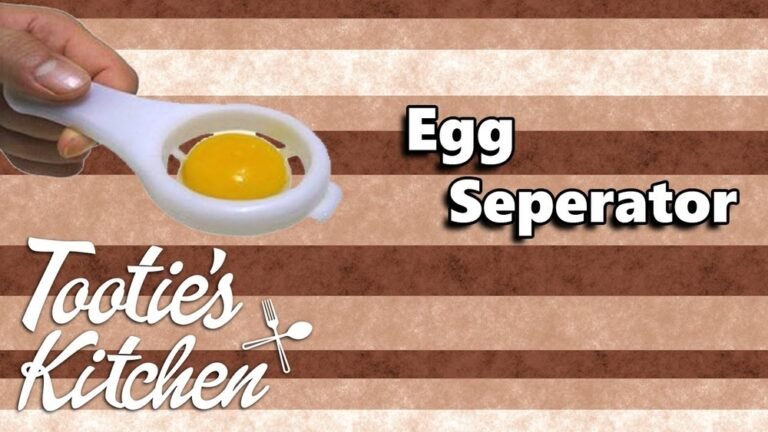
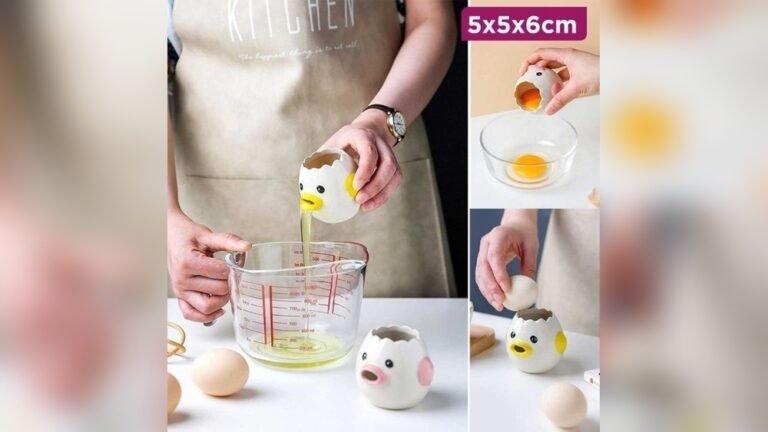
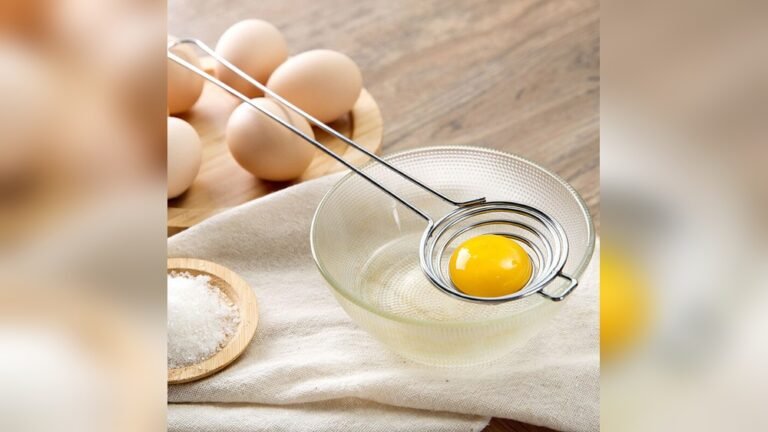
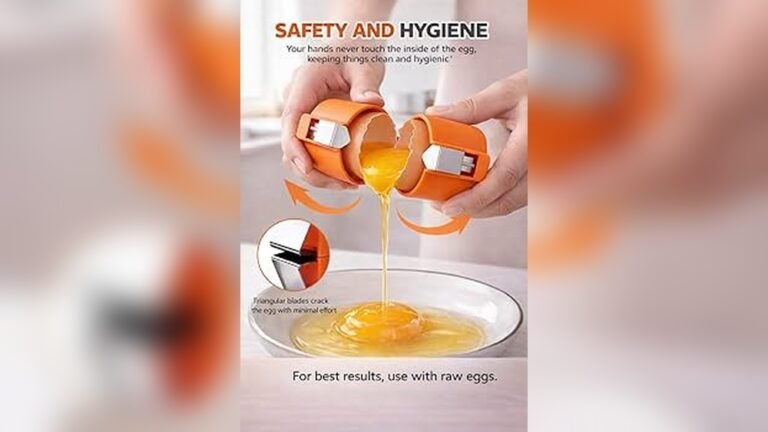
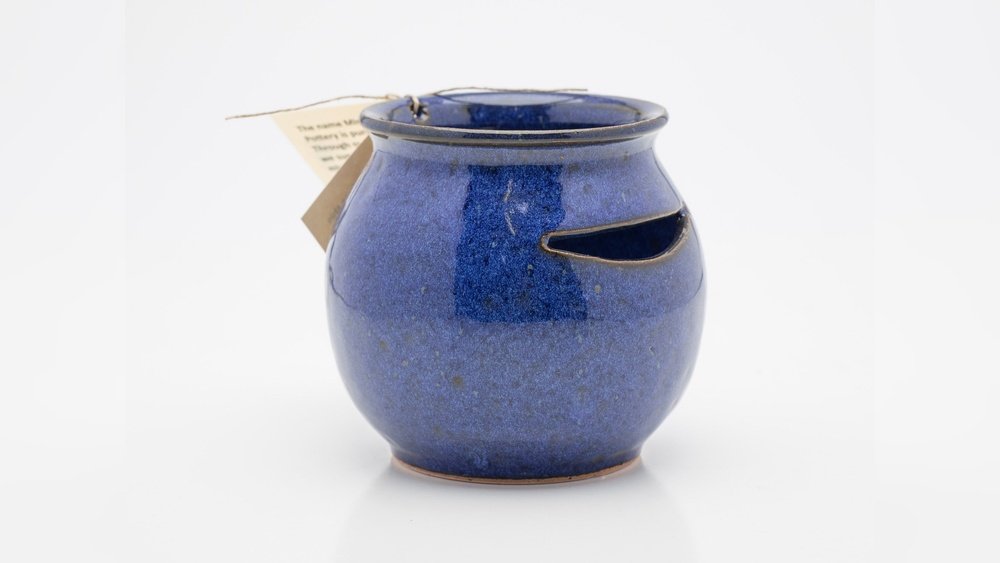
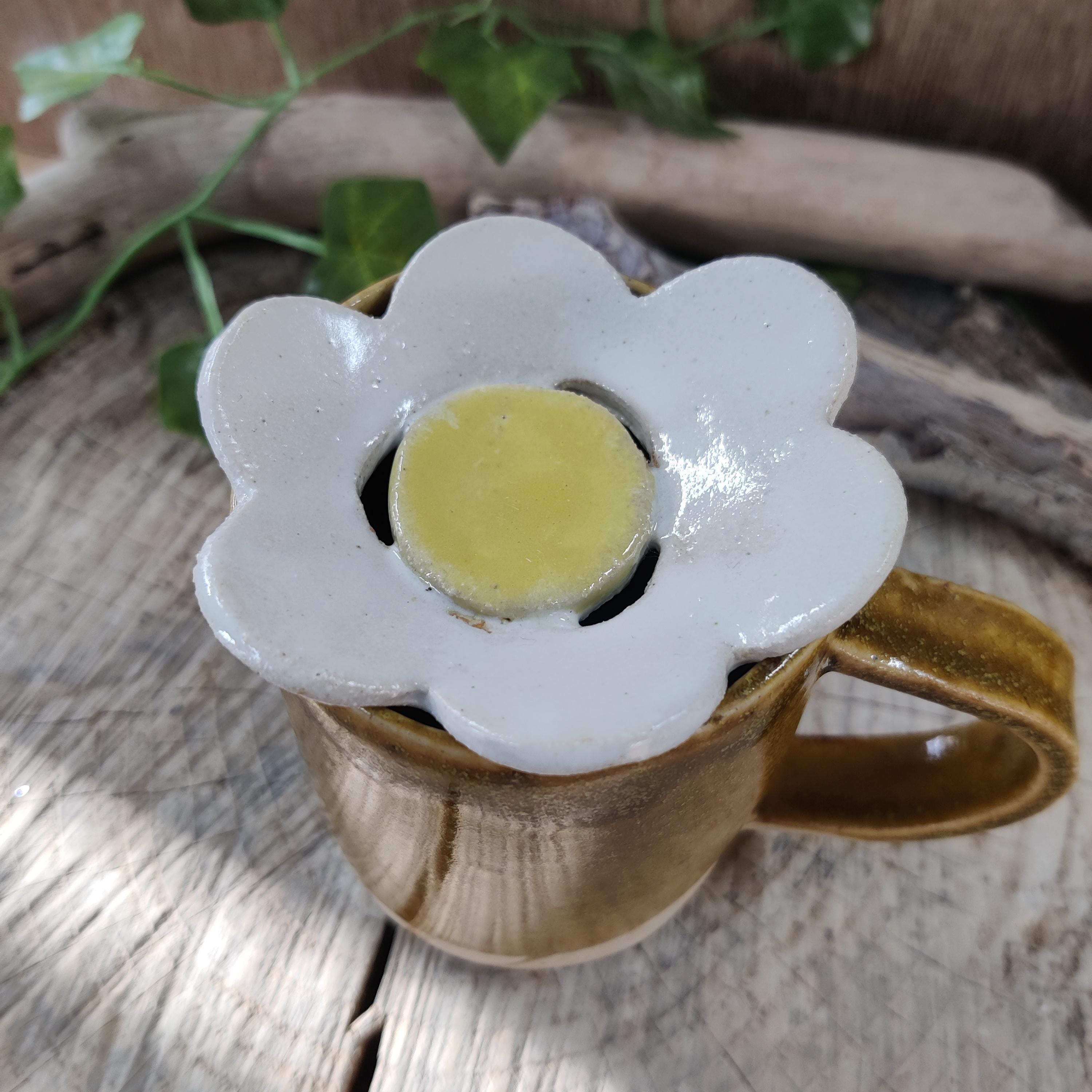
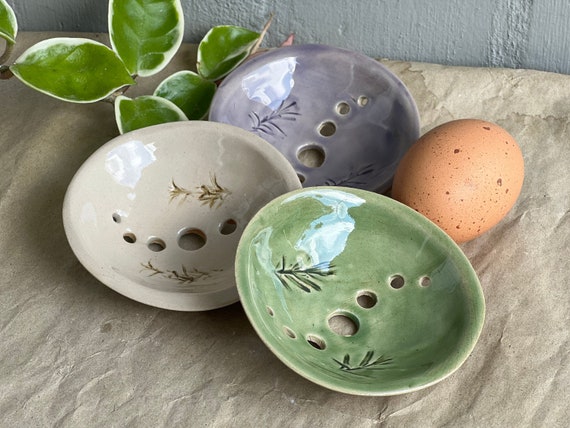
Egg separator pottery is a ceramic kitchen tool designed to separate egg yolks from egg whites. Unlike plastic or metal separators, these are handmade from clay and fired in a kiln. Their most common shape is a small cup with a spout or holes near the rim. When you crack an egg into the cup, the white flows out through the holes, leaving the yolk behind.
Pottery separators come in many styles:
- Simple, functional designs
- Whimsical shapes (animals, flowers)
- Artistic patterns or glazes
Some are made by local artisans, while others are produced by pottery studios. Most are dishwasher safe, durable, and food-safe.
Benefits Of Using Egg Separator Pottery
Ceramic egg separators offer several advantages over plastic or metal tools. Here are some reasons people prefer pottery:
- Cleaner separation: The holes are usually smooth, so egg whites flow easily. This reduces the risk of yolk breaking.
- Durable and safe: Unlike plastic, ceramic doesn’t absorb odors, stain, or degrade over time. It’s also free from BPA and other chemicals.
- Easy to clean: Most pottery egg separators are dishwasher-safe or easy to rinse.
- Aesthetic appeal: Many people love the look and feel of handmade ceramics. Pottery adds personality to your kitchen.
- Eco-friendly: Ceramic tools last a long time and don’t create plastic waste.
- Gift potential: Egg separator pottery is a popular gift for bakers, chefs, and collectors.
How Egg Separator Pottery Works
The basic design is simple but effective. Here’s how a typical pottery egg separator functions:
- You crack an egg and pour it into the separator.
- The egg white flows out through holes or a spout.
- The yolk stays inside, ready to use.
Some separators have a single wide spout, while others use several small holes. The cup is usually just big enough to hold one egg at a time.
Let’s compare common types of egg separators:
| Type | Material | Separation Method | Ease of Cleaning |
|---|---|---|---|
| Pottery | Ceramic | Holes/Spout | Easy (Dishwasher Safe) |
| Plastic | Plastic | Slits/Spoon | Easy, but can stain |
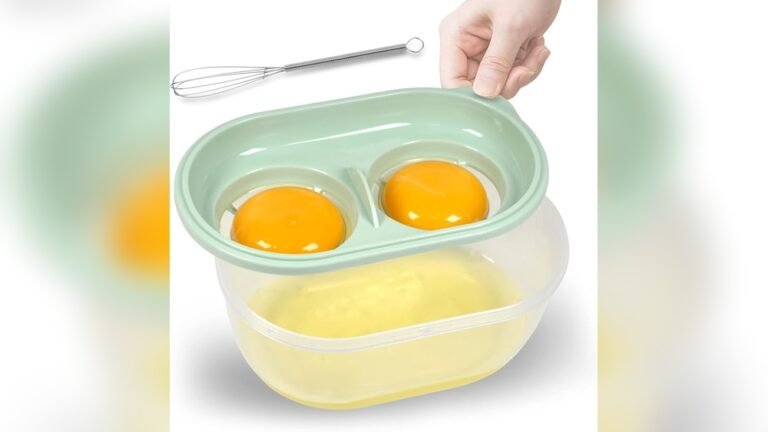
| Metal | Stainless Steel | Wire/Spoon | Easy, may rust |
| Hand/Shell | None | Manual | Messy |
Step-by-step Guide: How To Use Egg Separator Pottery
Using a pottery egg separator is easy, but a few tips will help you get perfect results:
- Select a clean separator: Make sure your pottery tool is clean and dry.
- Crack the egg: Tap the egg gently on a flat surface to avoid shell fragments.
- Open the egg: Hold the separator over a bowl, and crack the egg into the cup.
- Let the white drain: Tilt the separator slightly, allowing the white to flow out through the holes or spout.
- Check the yolk: Make sure the yolk stays inside. If the white is slow, gently shake or tap.
- Transfer the yolk: Pour or scoop the yolk into another bowl if needed.
Pro Tips
- Use fresh eggs. The white separates more easily from the yolk.
- Don’t rush. Let gravity do the work.
- Avoid poking or stirring the yolk, which can break it.
- If making recipes that need only whites, check for any yolk residue.
- If using a separator with small holes, make sure they’re not blocked.
Credit: www.etsy.com
Common Mistakes To Avoid
Even simple tools can lead to mistakes. Here are some common errors and how to prevent them:
- Cracking eggs too hard: This can break the yolk and make separation messy.
- Pouring too quickly: Letting the egg white flow slowly prevents splashing.
- Using old eggs: Older eggs have weaker yolks that break more easily.
- Not cleaning holes: Egg residue can block the separator, so always rinse well.
- Choosing the wrong size separator: Too small, and the yolk may spill; too large, and the white won’t drain properly.
Buying Guide: Choosing The Best Egg Separator Pottery
If you want to buy a pottery egg separator, consider these factors:
Material Quality
Look for food-safe glazes and durable clay. High-fired ceramics are less likely to chip.
Size And Shape
Choose a separator that fits standard eggs (large or extra-large). If you bake often, a slightly larger cup can help.
Design
Decide if you want a simple, functional separator or a decorative one. Artistic designs can make great gifts, but practical shapes are easier to use.
Cleaning And Maintenance
Check if the separator is dishwasher safe. Smooth surfaces are easier to clean.
Price
Pottery egg separators range from $10 to $40, depending on artisan and complexity. Handmade pieces cost more but are unique.
Here’s a quick comparison of buying options:
| Brand/Artisan | Price Range | Features | Availability |
|---|---|---|---|
| Local Potters | $15–$40 | Handmade, unique glazes | Craft fairs, Etsy |
| Studio Brands | $10–$30 | Consistent quality, simple designs | Online stores, kitchen shops |
| Imported | $12–$35 | Decorative, varied shapes | Online marketplaces |
Where To Buy
You can find pottery egg separators at:
- Local pottery studios or craft markets
- Online shops like Etsy
- Kitchen specialty stores
A good-quality tool makes separating eggs easier. If you’re looking for trusted pottery brands, check artisan websites or reviews on Etsy.
Cleaning And Caring For Pottery Egg Separators
Ceramic tools last long if cared for properly. Here are some tips:
- Rinse your separator immediately after use.
- Use mild soap and warm water.
- For stubborn egg residue, soak in water for a few minutes.
- Avoid using abrasive cleaners that can scratch the glaze.
- If dishwasher safe, place in the top rack.
Most pottery egg separators are fired at high temperatures, making them resistant to stains and odors.
Why Pottery Makes A Difference In The Kitchen
Pottery is more than just a tool. It’s part of kitchen culture and tradition. Handmade ceramics connect us with artisans and give a unique touch to everyday tasks. In 2026, there’s a growing trend toward using eco-friendly kitchenware. Pottery egg separators fit perfectly—durable, sustainable, and beautiful.
Some people collect pottery egg separators as a hobby. You can find rare designs from different regions or artists. Others use them daily for baking cakes, making meringues, or preparing sauces.
Credit: www.etsy.com
Comparing Pottery Vs. Other Egg Separators
To help you decide, here’s a quick comparison:
| Feature | Pottery | Plastic | Metal |
|---|---|---|---|
| Durability | High | Medium | Medium |
| Eco-Friendly | Yes | No | No |
| Style | Artistic | Plain | Plain |
| Cleaning | Easy | Easy | Easy |
| Price | Medium-High | Low | Low-Medium |
Subtle Affiliate Suggestions
If you’re starting out, consider buying a trusted pottery egg separator from an artisan or reputable kitchenware shop. Quality tools make the process smoother and can last for years. Some brands offer sets with matching bowls or spoons. Always check reviews and product details before purchasing.

Credit: www.amazon.com
Frequently Asked Questions
What Is The Best Way To Clean Pottery Egg Separators?
Rinse with warm water and mild soap right after use. For dried egg residue, soak for a few minutes. Most are dishwasher safe, but avoid harsh scrubbers.
Are Pottery Egg Separators Safe For Food Use?
Yes, as long as they’re made with food-safe glazes and fired properly. Always buy from trusted artisans or brands.
Can I Use A Pottery Egg Separator For More Than One Egg At A Time?
Most are sized for one egg. Using more can lead to overflow or breakage of yolks. For multiple eggs, separate them one by one.
Do Pottery Egg Separators Work With All Egg Sizes?
They work best with medium to large eggs. Extra-large eggs may need a bigger separator. Check the product description for size details.
Where Can I Find Unique Designs?
Look for local pottery studios, craft fairs, or sites like Etsy. Many artisans offer custom designs.
Final Thoughts
Egg separator pottery blends functionality and artistry. It solves a basic kitchen problem while adding beauty to your routine. Compared to plastic or metal, pottery separators are safer, more durable, and eco-friendly. If you care about quality tools and sustainable choices, a ceramic egg separator is a smart addition to your kitchen. Whether you’re baking, collecting, or gifting, pottery offers both style and substance. Remember, choose a food-safe, well-made separator and care for it properly. Enjoy your cooking—and let art make your kitchen tasks easier and more enjoyable.

Hi, I’m Emma Carter, a passionate home cook with over 12 years of hands-on experience in home kitchens. I love testing kitchen tools, trying new recipes, and helping everyday cooks make smarter buying decisions. Every review and guide I write is based on real cooking experience, practical testing, and honest opinions, not marketing claims.