How to Use an Egg Separator Like a Pro for Perfect Egg Whites
Are you tired of struggling to separate egg whites from yolks without making a mess? Whether you’re baking a delicate cake or whipping up a fluffy meringue, knowing how to use an egg separator can save you time and frustration.
This simple kitchen tool makes separating eggs easier, cleaner, and more efficient, no more broken yolks or sticky fingers. In this guide, you’ll learn step-by-step how to use an egg separator like a pro, plus insider tips to get perfect results every time.
Keep reading to unlock the secret to hassle-free egg separation and elevate your cooking skills instantly!
Choosing The Right Egg Separator
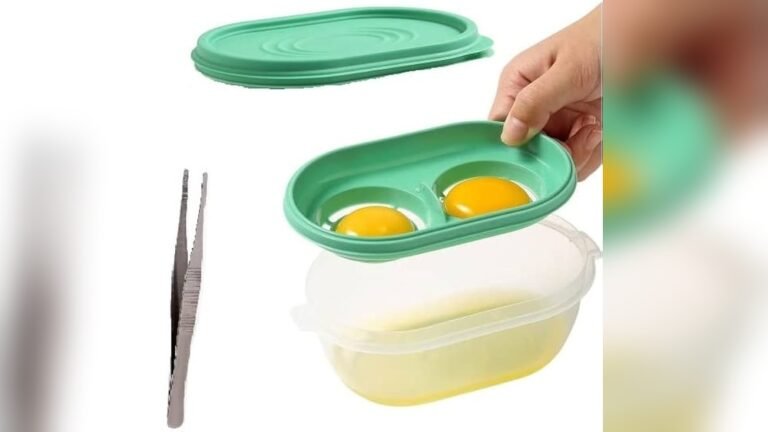
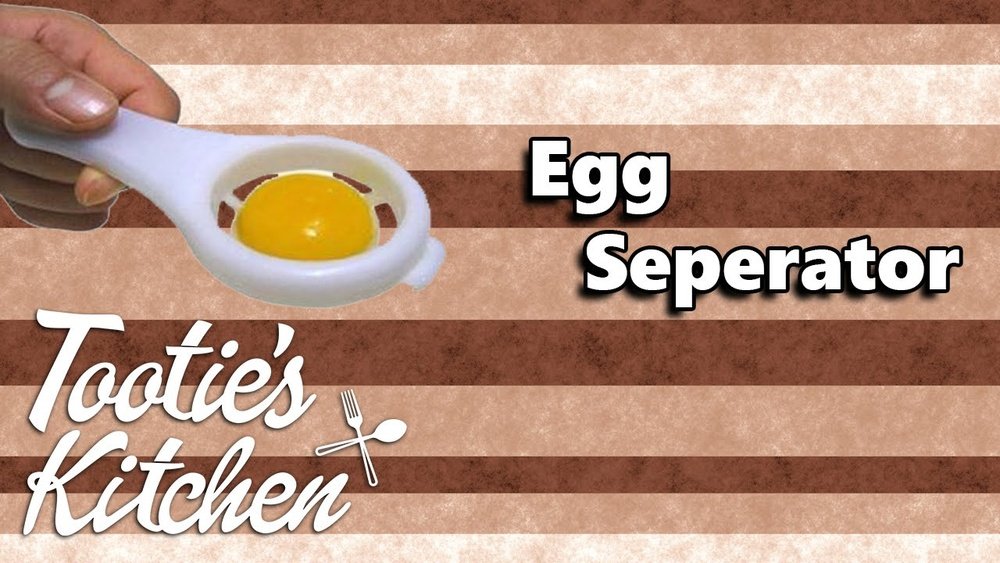
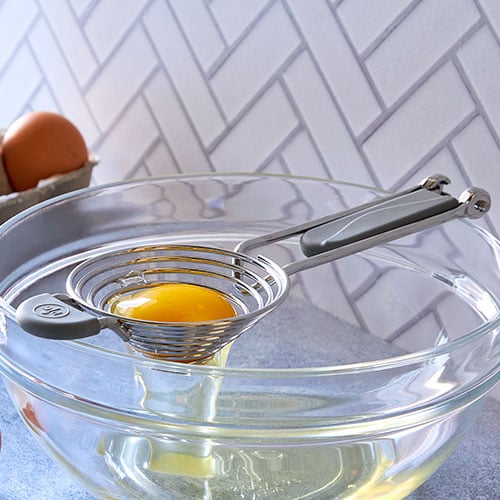
Egg separators come in various types, including cup-style, slotted spoon, and silicone models. Each type offers a different way to separate yolks from whites efficiently. Cup-style separators hold the yolk while whites drip through small holes. Slotted spoons catch the yolk, letting whites pass through the slots. Silicone separators are flexible and easy to clean.
Choosing the right egg separator depends on material and design. Stainless steel models are durable and easy to wash. Plastic separators are lightweight but may stain over time. Silicone tools resist cracking and are gentle on eggs.
Quality egg separators are available at kitchen supply stores, online retailers, and some grocery shops. Look for tools with good reviews and sturdy construction. Avoid separators with tiny holes that clog easily.
Preparing For Separation
Eggs at room temperature separate more easily. Cold eggs make the whites thick and hard to drain.
Set up three clean bowls: one for the separator, one for the whites, and one for the yolks. This helps keep things tidy.
Use only clean and sanitized tools to avoid germs. Wash your egg separator, bowls, and hands well before starting.
Ensure the egg separator fits well on the bowl edge. This keeps it stable while you crack eggs.
Step-by-step Egg Separation
Place the egg separator firmly on the edge of a clean bowl. Ensure it is steady to avoid spills.
Crack the egg gently on a flat surface, then open it carefully over the separator’s center. Avoid breaking the yolk.
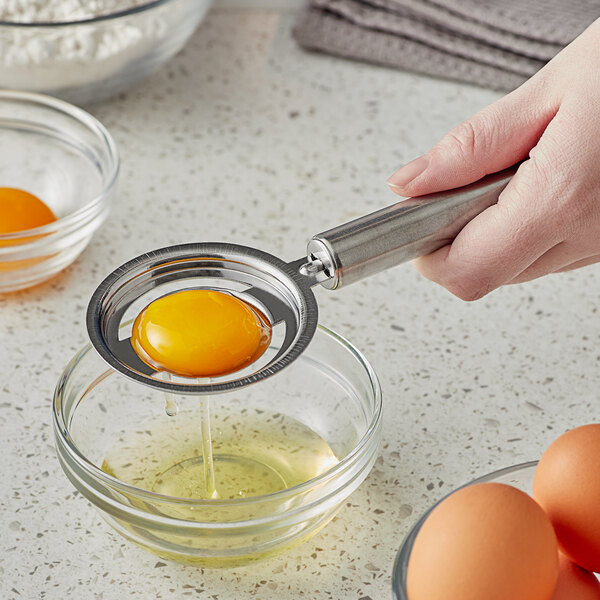
The egg white will pass through the slots, dropping into the bowl below. The yolk stays in the separator.
Move the yolk to a separate bowl once all the white has drained. Handle it gently to keep it whole.
If the white is thick, rock the separator slightly to help the liquid pass through. Avoid shaking too hard to prevent yolk breakage.

Credit: www.youtube.com
Tips For Perfect Separation
Gently shaking or rocking the separator helps the egg white pass through the slots faster. Hold the separator steady and move it side to side slowly. Avoid shaking too hard; this can break the yolk. A gentle motion makes separation smooth and clean.
The three-bowl method keeps things organized and prevents messes. Use one bowl for cracking the egg, one for egg whites, and another for yolks. This way, if a yolk breaks, it won’t spoil the whites you already separated. It’s a smart and safe way to work.
- Never rush the process. Take your time to avoid breaks.
- Make sure the separator is clean and dry before use.
- Avoid cracking eggs on the bowl edge; use a flat surface.
- Use fresh eggs for easier separation.
- Keep eggs at room temperature before separating.
Alternative Egg Separation Methods
Using shell halves is a classic way to separate eggs. Crack the egg gently in the middle. Pass the yolk back and forth between the two shell halves. Let the white drip into a bowl below. Be careful not to break the yolk.
A slotted spoon can also work well. Crack the egg into the spoon. The white will slip through the holes. The yolk stays on top. Hold the spoon over a bowl to catch the white.
Separating by hand feels natural for many cooks. Crack the egg into your clean hand. Let the white fall through your fingers into a bowl. Keep the yolk in your palm. This method lets you control the process.
Credit: www.pamperedchef.com
Cleaning And Maintaining Your Separator
Wash your egg separator immediately after use. Use warm water and mild soap to remove all egg residues. Avoid using harsh scrubbing pads that can scratch the surface. A soft sponge or cloth works best to keep the tool intact.
Rinse thoroughly to remove soap traces. Dry the separator completely with a clean towel or air dry it to prevent any moisture buildup. This helps avoid bacteria growth and keeps the tool safe for future use.
Store the separator in a dry place, away from heavy objects that could break or deform it. Hanging it or placing it in a kitchen drawer with other utensils works well. Avoid stacking it under heavy pots or pans to prevent damage.
| Storage Tips | Why It Matters |
|---|---|
| Keep dry before storing | Prevents mold and bacteria growth |
| Store separately or hung up | Protects shape and function |
| Avoid heavy items on top | Prevents cracking or bending |
Benefits Of Using An Egg Separator
Using an egg separator helps keep egg whites cleaner. The tool stops the yolk from mixing with the whites, which is very important for recipes. It saves time by making the process faster and easier. No need to worry about broken yolks spoiling your whites.
It also reduces the risk of yolk contamination. This is helpful for baking and cooking where pure whites are needed. The separator holds the yolk safely while the whites drain into your bowl. This makes your cooking smoother and less messy.
Common Questions And Troubleshooting
If the yolk breaks, try to remove the pieces quickly. Use a spoon or clean fingers to scoop out yolk bits from the whites. Avoid mixing too much because broken yolks make whites hard to whip.
Thick egg whites can slow down separation. Warm eggs gently by placing them in warm water for a few minutes. This helps the whites flow easier through the separator slots.
Avoid using cold eggs straight from the fridge. Room-temperature eggs separate better and reduce the chance of the yolk breaking. Cold eggs have firmer whites and yolks, making separation tricky.
Credit: www.webstaurantstore.com
Frequently Asked Questions
Is Chalaza Sperm?
No, chalaza is not sperm. It is a natural part of the egg that anchors the yolk in place.
What Is The Easiest Way To Separate Egg White From Yolk?
The easiest way to separate egg white from yolk is using an egg separator over a bowl. Crack the egg into the tool, letting whites drain through while yolk stays. Use room-temperature eggs for better separation. Alternatively, pass yolk between shell halves carefully.
Are Egg Whites Ok For Diabetics?
Egg whites are safe for diabetics as they contain no carbs and help maintain blood sugar. They provide lean protein and support muscle health.
Can Egg Yolk Help With Acne?
Egg yolk contains nutrients but may clog pores and worsen acne for some skin types. Use cautiously and test first.
Conclusion
Using an egg separator makes separating eggs easier and cleaner. Place the tool on a bowl, crack the egg, and let the white fall through. The yolk stays in the separator, ready for use. Room-temperature eggs separate best and reduce mess.
You can try gentle shaking if the white is thick. This simple tool saves time and helps with many recipes. Practicing a few times will improve your skill quickly. Enjoy cooking with less hassle and better results every time.
Hi, I’m Emma Carter, a passionate home cook with over 12 years of hands-on experience in home kitchens. I love testing kitchen tools, trying new recipes, and helping everyday cooks make smarter buying decisions. Every review and guide I write is based on real cooking experience, practical testing, and honest opinions, not marketing claims.