How to Separate Brine Shrimp from Egg Shells
Brine shrimp, often called sea monkeys, are a favorite live food for fish and aquatic pets. They are easy to hatch, fast-growing, and rich in nutrients. But after hatching, many hobbyists face a common problem: how to separate the tiny shrimp from their egg shells. If you leave the shells in, they can cloud your tank, harm baby fish, and even spoil water quality. The process may seem tricky, but with the right steps and tools, anyone can do it efficiently.
Let’s walk through everything you need to know—from why separation matters, to step-by-step instructions, practical tips, and mistakes to avoid. This guide will help you get cleaner, healthier brine shrimp for your aquarium.
Why Separate Brine Shrimp From Egg Shells?
Many beginners wonder if it’s really important to separate brine shrimp from their egg shells. The answer is yes—especially if you care about the health of your fish and the quality of your aquarium water.
Egg shells are not digestible. When fed to fish, they can cause:
- Digestive problems in small fish or fry
- Clogged filters and cloudy water
- Bacterial growth from decaying shells
Also, separating shrimp from shells improves feeding efficiency. Your fish get more live food and less waste.
According to aquarium experts, removing egg shells reduces the risk of disease by up to 40% in fry tanks. That’s a big difference for anyone raising baby fish.
Understanding Brine Shrimp Hatching
Before you can separate shrimp from shells, it helps to know how the hatching process works.
Brine shrimp eggs, known as cysts, are tiny and hard. When you add them to salty water (about 1.018–1.022 SG), they start hatching in 24–36 hours at 77–82°F.
After hatching, you get a mix of:
- Live shrimp (nauplii): Moving, orange dots
- Empty shells: Floating, light brown
- Unhatched eggs: Darker, often sink
Most shrimp hatch and swim towards light, while shells float and unhatched eggs sink. This natural behavior is key to the separation process.

Credit: www.youtube.com
Benefits Of Proper Separation
Doing the job right offers clear advantages:
- Cleaner feed: Only live shrimp, no shells
- Healthier fish: Less risk from indigestible material
- Longer filter life: Fewer clogs
- Better water quality: Less waste
Some breeders report higher survival rates for baby fish when feeding only clean shrimp. It’s not just about looks—it’s about results.
Step-by-step Guide: How To Separate Brine Shrimp From Egg Shells
Here’s a simple, proven way to get pure brine shrimp. You’ll need:
- A hatchery or container (1–2 liters)
- Airline tubing and an air pump
- A fine mesh net (150–250 micron)
- A small flashlight or lamp
- Clean saltwater and freshwater
1. Stop Aeration And Let Settle
Once hatching is complete (usually 24–36 hours):
- Turn off the air pump and let the water sit for 10–15 minutes.
- Shells float to the top, shrimp gather in the middle, unhatched eggs sink.
This settling step is crucial. Many beginners skip it, but it helps sort the layers naturally.
2. Use Light To Attract Shrimp
Brine shrimp are attracted to light. Place a small lamp or flashlight at the side or bottom of your hatchery.
- Wait 5–10 minutes.
- Shrimp swim toward the light, forming a dense group.
This makes them easier to collect without scooping up shells.
3. Siphon Out The Shrimp
Take a piece of airline tubing and gently siphon the shrimp from the middle layer.
- Avoid the top layer (egg shells) and bottom (unhatched eggs).
- Direct the siphon into a container or mesh net.
This step is simple but very effective. Beginners often use a spoon, which picks up shells. Tubing gives you more control.
4. Rinse With Freshwater
Pour the collected shrimp through a fine mesh net. Rinse gently with freshwater to remove salt and any shell particles.
- Use a net with 150–250 micron holes for best results.
- Swirl the net in clean water—this removes tiny shell bits.
Rinsing is important for sensitive fish and fry.
5. Feed Immediately
After rinsing, feed the shrimp to your fish right away. Fresh, live shrimp are most nutritious and active.
If you need to store them, keep them in cool, clean saltwater for up to 24 hours.
Pro Tip: Use A Cone-shaped Hatchery
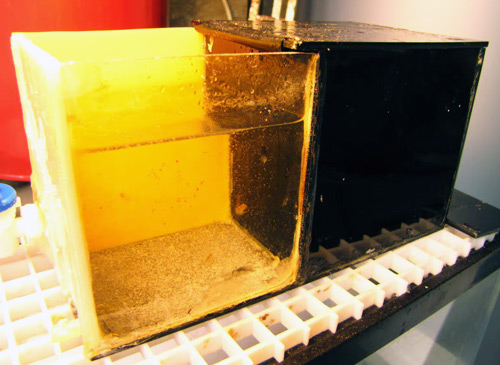
A cone-shaped hatchery helps layers separate more clearly. Egg shells float to the top, shrimp gather at the cone’s tip, and unhatched eggs sink. Many hobbyists prefer this design for easy harvesting.
Credit: reefbuilders.com
Common Mistakes Beginners Make
Mistakes can waste time and ruin your batch. Here are some to avoid:
- Not letting water settle after hatching—this mixes shells and shrimp.
- Scooping from the top—gets mostly shells, not shrimp.
- Using a coarse net—lets small shrimp escape.
- Skipping the rinse step—can transfer salt and shells to the tank.
- Feeding too soon—before shrimp are separated or rinsed.
Learning from others’ errors saves you trouble. Take your time and follow each step for clean results.
Tools And Products That Help
Separating brine shrimp is easier with the right tools. Here are some options:
- Cone-shaped hatcheries: Make separation fast and easy
- Fine mesh nets: Keep shrimp in, let shells out
- Airline tubing: Helps siphon shrimp accurately
- Shrimp sieves: Special trays with fine holes
A good-quality hatchery and net make the process smoother. They’re affordable and last for years.
Comparing Hatchery Designs
Here’s a quick look at popular hatchery types:
| Type | Separation Ease | Cost | Beginner Friendly |
|---|---|---|---|
| Flat Container | Moderate | Low | Yes |
| Cone Hatchery | High | Medium | Yes |
| Commercial Kit | Very High | High | Yes |
Cone and commercial kits offer cleaner separation, but basic containers work if you follow the steps carefully.
Comparing Mesh Net Sizes
Choosing the right net is key. Here’s a quick guide:
| Mesh Size | Shrimp Retention | Shell Removal |
|---|---|---|
| 100 micron | Excellent | Good |
| 150 micron | Very Good | Excellent |
| 250 micron | Good | Excellent |
For most beginners, 150–250 micron nets work best.
Practical Tips For Cleaner Separation
Some extra advice can help you get even better results:
- Use dechlorinated water for rinsing—chlorine harms shrimp.
- Harvest shrimp soon after hatching—they’re most nutritious.
- Keep your hatchery clean—wash after each use.
- Don’t overfeed—excess shrimp can spoil water.
- Store unused eggs in a cool, dry place—they last longer.
These tips come from experienced breeders and help you avoid problems that don’t show up until later.
Buying Guide: Choosing The Right Tools
If you’re shopping for hatcheries, nets, or kits, keep these points in mind:
- Ease of use: Cone-shaped designs are best for beginners.
- Durability: Look for sturdy plastic or stainless steel.
- Mesh quality: Fine, smooth mesh protects shrimp.
- Kit extras: Some kits include tubing, nets, and instructions.
Avoid kits with coarse mesh or poor instructions—they can make separation harder.
Here’s a brief comparison of popular products:
| Product | Features | Price Range | User Rating |
|---|---|---|---|
| Basic Flat Hatchery | Simple, low cost | $10–$15 | 3.5/5 |
| Cone Hatchery Kit | Includes net, tubing | $20–$30 | 4.5/5 |
| Commercial Sieve Set | Multiple mesh sizes | $25–$40 | 4.7/5 |
If you’re unsure, start with a cone hatchery kit. It makes the process simple and gives you all the tools you need.
For more details on brine shrimp hatching and separation, you can check this Wikipedia page.
Frequently Asked Questions
How Long Does It Take To Hatch Brine Shrimp?
Brine shrimp eggs usually hatch in 24–36 hours at 77–82°F. Higher temperatures can speed up hatching, but too much heat may reduce survival rates.
What Is The Best Way To Separate Brine Shrimp From Shells?
The easiest way is to let the water settle, attract shrimp with light, and siphon them from the middle layer. Using a fine mesh net and rinsing with freshwater improves results.
Can Egg Shells Harm My Fish?
Yes. Egg shells are indigestible and can cause digestive blockages in small fish and fry. They also cloud water and may promote bacteria growth.
Do I Need Special Tools For Separation?
While you can use basic containers, a cone-shaped hatchery and fine mesh net make separation much easier and cleaner. Airline tubing helps siphon shrimp accurately.
How Should I Store Unused Brine Shrimp Eggs?
Keep eggs in a cool, dry place. Seal tightly to keep out moisture. Stored properly, eggs can last up to several years.
Final Thoughts
Separating brine shrimp from egg shells is a small step that brings big benefits. Clean shrimp mean healthier fish, clearer water, and less risk of disease. With a little practice and the right tools, anyone can master this process—even beginners. Remember to let the water settle, use light, and siphon carefully. Investing in a cone hatchery and fine mesh net will make the job easier and faster. Take your time, avoid common mistakes, and you’ll see a real difference in your aquarium.
Good Luck With Your Brine Shrimp Hatching Journey!

Credit: www.youtube.com

Hi, I’m Emma Carter, a passionate home cook with over 12 years of hands-on experience in home kitchens. I love testing kitchen tools, trying new recipes, and helping everyday cooks make smarter buying decisions. Every review and guide I write is based on real cooking experience, practical testing, and honest opinions, not marketing claims.