Top Safety Tips for Egg Separator for Safe Use
When you’re working with eggs, safety might not be the first thing on your mind. But using an egg separator comes with its own set of risks if you’re not careful.
Imagine cracking open eggs and accidentally letting harmful bacteria slip into your dish. You don’t want that. That’s why knowing the right safety tips for your egg separator is essential. You’ll discover simple, practical ways to keep your kitchen safe and your meals healthy every time you separate eggs.
Keep reading to protect yourself and your loved ones while making cooking easier and cleaner.
Choosing The Right Egg Separator
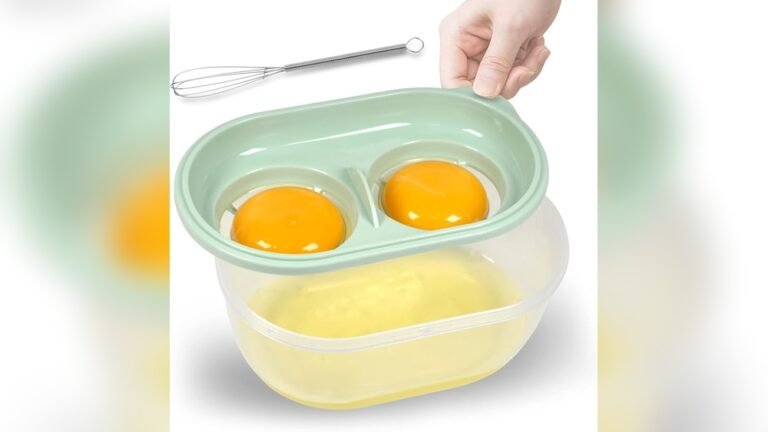
Egg separators come in different materials like plastic, stainless steel, and silicone. Plastic is lightweight and easy to use but may break more easily. Stainless steel is durable and safe for food contact. Silicone is flexible and gentle on eggs. Choose a material that feels safe and sturdy.
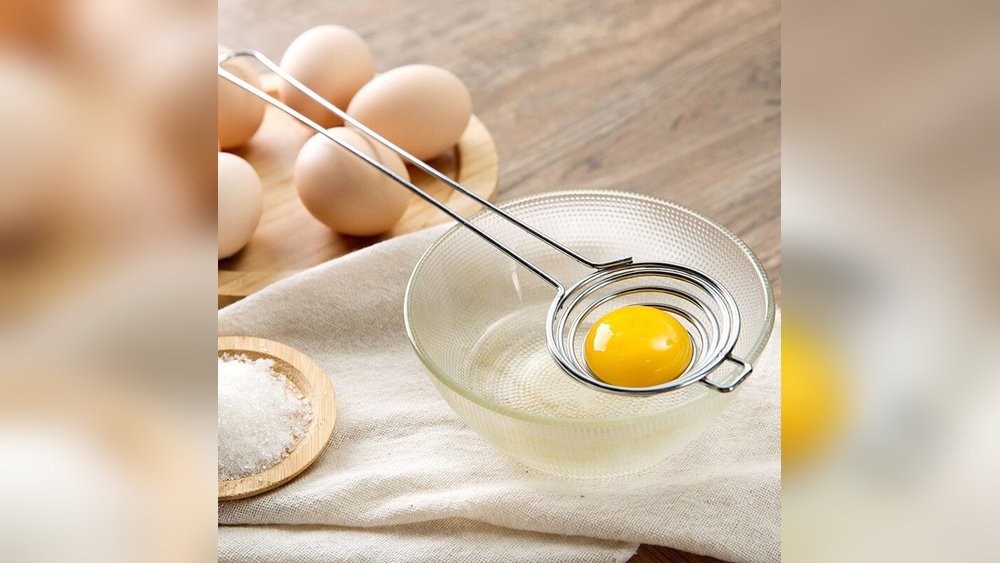
Look for separators with simple designs that fit comfortably in your hand. Wide handles and smooth edges help avoid slipping. Some separators have built-in strainers that catch shell pieces. These features make separating eggs easier and safer.
Cleaning egg separators well is very important. Use warm, soapy water to wash after each use. Some separators are dishwasher safe, which saves time. Dry them completely to prevent bacteria growth. Proper cleaning keeps your kitchen safe and your egg separator ready for use.
Handling Eggs Safely
Choose eggs that look fresh and have no cracks on the shell. Cracks can let bacteria enter the egg and cause food sickness.
Always handle eggs with clean hands to avoid shell contamination. Avoid touching the shell too much to keep germs away.
Store eggs in the refrigerator at or below 40°F (4°C). Keep eggs in their original carton to protect them from strong smells and damage.
Do not wash eggs before storing. Washing can push bacteria through the shell pores. Wash only right before use.
Safe Egg Separation Techniques
Use the egg separator on a clean surface to avoid spills. Hold it steadily while cracking the egg.
Wash your hands before and after handling eggs to stop cross-contamination. Use separate utensils for yolks and whites.
Never let raw egg touch other foods. Clean the separator after each use with warm, soapy water.
Store eggs in the fridge at or below 40°F. Discard eggs that have cracks or smell bad.
Handle raw egg whites and yolks gently. Avoid breaking the yolk if the recipe needs whites only.
Credit: www.aces.edu
Sanitizing Your Egg Separator
Wash your egg separator with warm soapy water right after use. Use a soft brush or sponge to remove all egg residues. Rinse it well to avoid soap taste.
To avoid bacterial growth, dry the separator completely with a clean towel. Let it air dry in a clean place before storing. Moisture can cause germs to grow fast.
Keep the egg separator in a dry, covered container. Store it away from raw meat or other foods that may carry bacteria. Regular cleaning keeps it safe for your next use.
Common Mistakes To Avoid
Using damaged or dirty eggs can cause illness. Always check eggs for cracks or dirt before use. Dirty eggs might carry harmful bacteria on the shell. Avoid using eggs with any visible damage.
Mixing eggshells with egg contents can spoil your recipe and cause injury. Small shell pieces may fall into the bowl. Be careful to separate shells cleanly and avoid getting shell bits in the egg separator.
Ignoring expiration dates risks using spoiled eggs. Always check the date on the carton. Using fresh eggs ensures better taste and safety. Expired eggs can cause food poisoning and bad flavor.
Additional Safety Hacks
Lemon or vinegar can help keep your egg separator clean. A small splash of lemon juice or vinegar stops bacteria from growing on the tool. Wipe the separator with these acids after use. It also removes egg smells and residue easily.
Children, older adults, and people with weak immune systems must be extra careful. Always wash hands well before and after using the egg separator. Use clean tools and fresh eggs to avoid sickness.
| Egg Waste | Safe Disposal Tips |
|---|---|
| Eggshells | Compost or throw in trash. Do not leave outside uncovered. |
| Raw Egg Whites or Yolks | Dispose of in sealed bags or containers to avoid spills. |
| Leftover Egg Liquids | Flush down the drain with plenty of water or discard in trash. |
Credit: www.aces.edu
Frequently Asked Questions
What Is The 3 3 3 Rule For Eggs?
The 3 3 3 rule for eggs means storing eggs at 3°C, cooking them for 3 minutes, and consuming within 3 days.
What Are Two Safety Tips When Working With Eggs?
Use only clean, uncracked eggs to prevent bacterial contamination. Wash hands and surfaces thoroughly after handling eggs to avoid cross-contamination.
Is Chalaza Sperm?
No, chalaza is not sperm. It is a twisted, rope-like structure that anchors the egg yolk inside the egg white.
What Country Eats The Most Eggs?
China consumes the most eggs globally, with an average of over 300 eggs per person annually. Their large population drives high demand.
Conclusion
Using an egg separator safely helps keep your kitchen clean and healthy. Always choose clean, unbroken eggs to avoid bacteria. Handle the eggs gently to prevent shell pieces from mixing with the egg. Clean your separator well after each use to stop germs from spreading.
Store eggs in the fridge to keep them fresh longer. These simple steps protect you and your family from foodborne illness. Stay careful, and enjoy your cooking with confidence every time.

Hi, I’m Emma Carter, a passionate home cook with over 12 years of hands-on experience in home kitchens. I love testing kitchen tools, trying new recipes, and helping everyday cooks make smarter buying decisions. Every review and guide I write is based on real cooking experience, practical testing, and honest opinions, not marketing claims.