How to Remove Mold From Every Surface | Expert Tips and Tricks
Mold is a stubborn problem that can invade almost any space in your home. Whether it’s hiding in the bathroom, growing on walls, or spreading in your basement, mold not only looks bad but can also cause health issues. Many people don’t realize how quickly mold can spread or how important it is to remove it the right way.
If you want to keep your living space clean and safe, knowing how to remove mold from every surface is essential.
This guide will show you step-by-step how to get rid of mold from different materials—like wood, fabric, tile, and more. You’ll learn which cleaning methods work best, what products to use, and how to prevent mold from returning. We’ll also include practical tips, some common mistakes to avoid, and clear explanations for each step.
Let’s make your home mold-free, one surface at a time.
Understanding Mold: What You Need To Know
Mold is a type of fungus. It grows in damp, warm places and spreads through tiny spores in the air. There are thousands of types of mold, but only some are harmful to humans. The most common indoor molds are Aspergillus, Cladosporium, and Stachybotrys (sometimes called black mold).
Mold can cause allergic reactions, breathing problems, and worsen asthma. According to the Centers for Disease Control and Prevention (CDC), around 20% of homes in the US have mold issues. Mold growth is most common in bathrooms, kitchens, basements, and anywhere moisture builds up.
Why Mold Grows Indoors
- Leaks: Water leaks from pipes, roofs, or windows create damp spots.
- High humidity: Humidity over 60% encourages mold growth.
- Poor ventilation: Rooms without good airflow trap moisture.
If you see musty smells, black or green spots, or peeling paint, you may have mold.
Safety First: Protect Yourself Before Removing Mold
Mold removal can expose you to spores and chemicals. Before you start:
- Wear protective gear: Use gloves, goggles, and an N95 mask.
- Ventilate the area: Open windows and doors. Use fans to move air outside.
- Keep children and pets away: Mold and cleaning products can be harmful.
Some mold infestations are too severe for DIY. If mold covers more than 10 square feet or you see signs of structural damage, call a professional.
Mold Removal Tools And Products
The right tools make mold removal easier and safer. Here’s what you need:
- Scrub brushes: Medium and soft bristle
- Sponges and rags: For wiping surfaces
- Buckets: For mixing cleaning solutions
- Spray bottles: To apply cleaners
- Plastic sheeting: To protect nearby areas
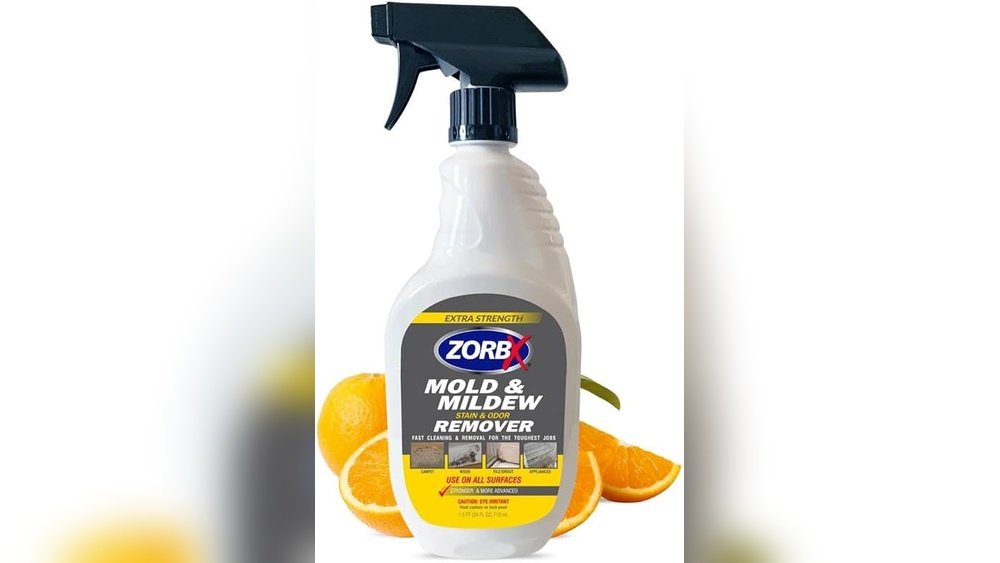
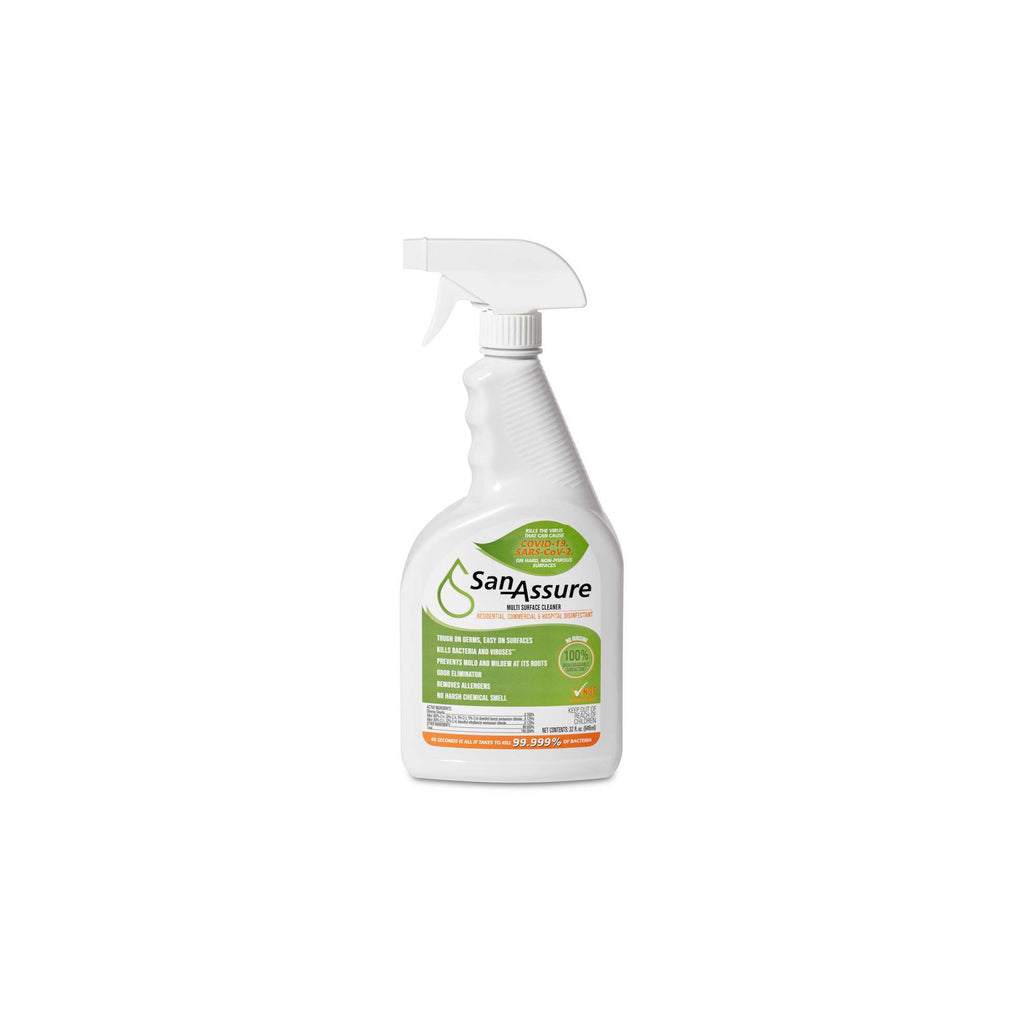
- Mold remover solutions: Such as bleach, hydrogen peroxide, vinegar, or commercial products
Let’s compare popular mold cleaners:
| Cleaner | Effectiveness | Safe for Surfaces | Cost |
|---|---|---|---|
| Bleach | High | Tile, glass, sealed surfaces | Low |
| Vinegar | Medium | Most surfaces | Low |
| Hydrogen Peroxide | High | Fabric, wood, tile | Medium |
| Commercial Mold Remover | Very High | Varies by product | High |
Tip: Never mix bleach and ammonia—they produce toxic fumes.
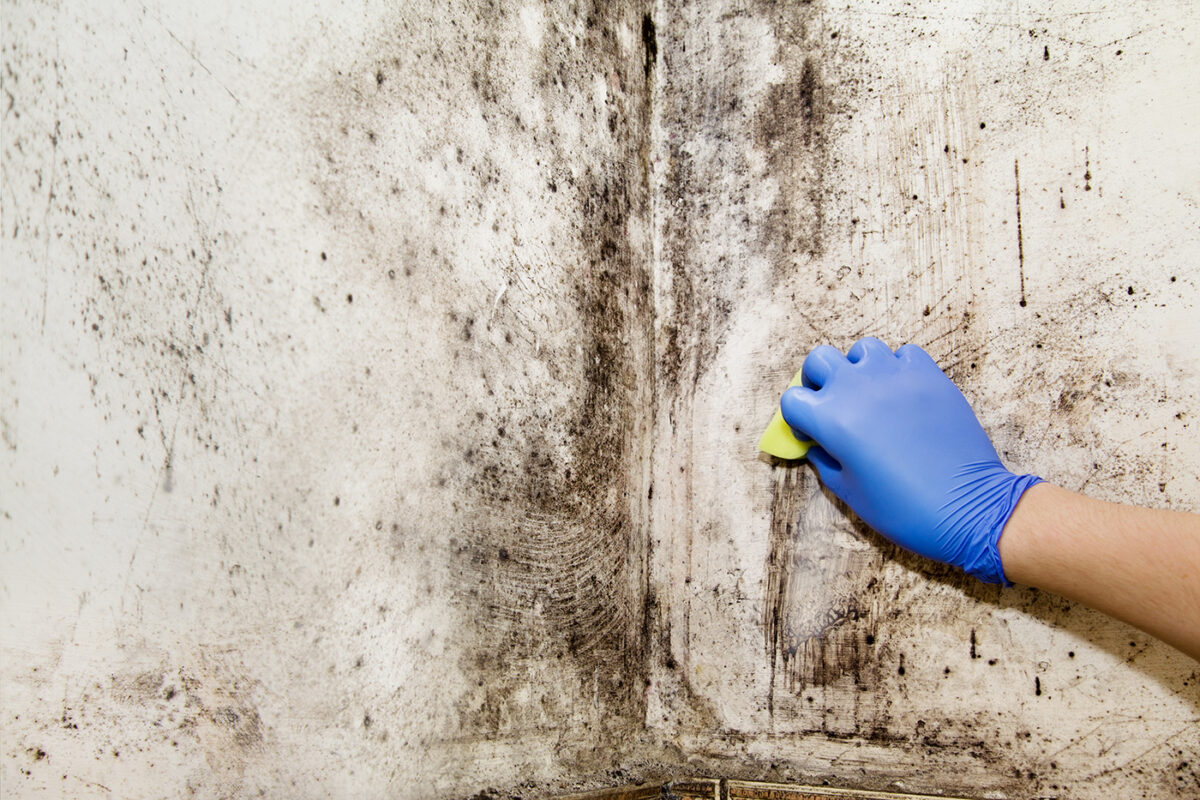
How To Remove Mold From Walls And Ceilings
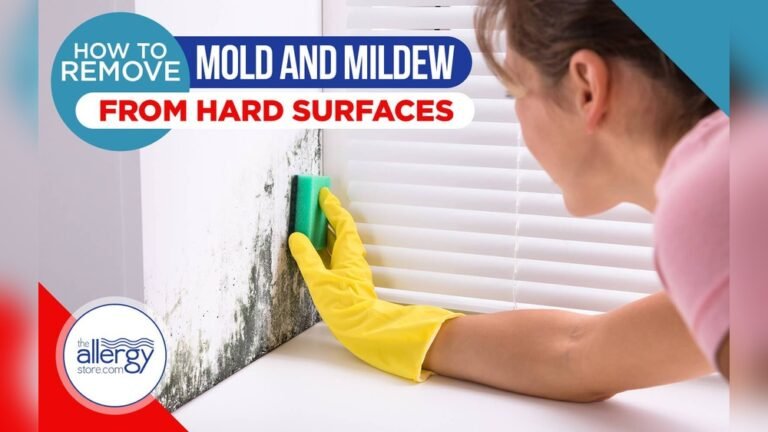
Walls and ceilings are common places for mold, especially after water damage. Here’s how to clean them:
- Identify mold type: If it’s black mold, take extra care.
- Prepare the area: Move furniture and cover the floor.
- Mix cleaning solution: Use 1 cup of bleach in 1 gallon of water. For a natural option, use undiluted vinegar.
- Apply to moldy area: Spray or sponge the solution onto the mold.
- Scrub gently: Use a soft brush or sponge to loosen mold.
- Rinse and dry: Wipe with clean water, then dry with a towel or fan.
Non-obvious Insight
Many beginners forget to dry the wall thoroughly. If you leave moisture behind, mold can return in days. Use a fan or dehumidifier after cleaning.
Removing Mold From Tile And Grout
Bathrooms and kitchens often have mold in tile and grout. Grout is porous, so mold can get deep inside.
- Make a paste: Mix baking soda and water.
- Apply paste to grout: Cover moldy spots.
- Scrub with a toothbrush: Focus on grout lines.
- Rinse with water: Wipe away paste and mold.
- Spray with vinegar: Leave for 10 minutes for extra mold killing.
- Dry area: Use a towel or fan.
Practical Example
If you have stubborn mold, use hydrogen peroxide instead of vinegar. It bubbles and helps lift mold from deep grout.
Mold On Wood: Furniture, Floors, And Walls
Wood is tricky because it absorbs moisture. Mold can grow inside wood, not just on the surface.
- Check moisture level: If wood feels soft or rotted, it may need replacement.
- Vacuum surface: Use a HEPA vacuum to remove loose spores.
- Mix cleaner: Use 1 part vinegar to 1 part water or a wood-safe mold remover.
- Scrub gently: Don’t soak wood—just dampen it.
- Wipe with dry cloth: Remove excess moisture.
- Dry completely: Place in sunlight or use a dehumidifier.
Common mistake: Many people use too much water, making the problem worse. Always use as little liquid as possible.
Credit: san-assure.com
Cleaning Mold From Fabric And Upholstery
Clothes, curtains, and sofas can get mold if they are damp for too long. Here’s how to clean them:
- Take items outside: Prevent spreading spores indoors.
- Brush off mold: Use a soft brush to loosen.
- Pre-treat with vinegar: Spray mold spots with vinegar.
- Wash with hot water: Use the hottest water safe for the fabric.
- Add baking soda: Boosts cleaning power.
- Dry in sunlight: UV light helps kill mold.
If mold remains, repeat the process or use a commercial laundry mold remover.
Data point: According to the EPA, sunlight can kill up to 90% of mold spores on fabric after 2-3 hours.
Mold On Leather: Shoes, Bags, And Furniture
Leather needs special care to avoid damage.
- Wipe with dry cloth: Remove loose mold.
- Mix mild soap and water: Use a soft cloth to wipe moldy spots.
- Avoid soaking: Leather can warp or crack.
- Dry away from heat: Air dry, never use a hair dryer.
- Apply leather conditioner: Restore softness.
Extra Tip
A small amount of rubbing alcohol (mixed with water) can help, but always test on a hidden area first.
Removing Mold From Carpet
Carpet can hide mold deep in its fibers. If mold covers a large area, consider replacing the carpet.
- Vacuum with HEPA filter: Remove loose spores.
- Mix cleaner: Use hydrogen peroxide or a carpet-safe mold remover.
- Scrub affected area: Use a stiff brush.
- Rinse with clean water: Don’t oversaturate.
- Dry thoroughly: Use fans or a wet/dry vacuum.
Comparison Table: Mold Removal On Different Carpet Types
| Carpet Type | Best Cleaner | Drying Time |
|---|---|---|
| Wool | Vinegar solution | 24 hours |
| Synthetic | Hydrogen peroxide | 12 hours |
| Berber | Commercial mold remover | 18 hours |
Mold In Air Conditioners And Hvac
Air conditioners can spread mold throughout your home. Regular cleaning is important.
- Turn off power: Safety first.
- Remove filter: Clean or replace.
- Clean coils and vents: Use a mold remover spray.
- Vacuum inside unit: Remove loose debris.
- Dry parts before reassembling: Prevent moisture buildup.
Hidden danger: Mold inside ducts can cause allergies for months. If you smell musty air, consider professional duct cleaning.
Mold On Glass And Mirrors
Glass is non-porous, so mold stays on the surface.
- Spray with vinegar or glass cleaner: Cover moldy area.
- Wipe with microfiber cloth: Removes mold and prevents streaks.
- Rinse with water: Clear residue.
- Dry with towel: Avoid water spots.
Mold On Concrete And Basement Walls
Basements are often damp, making them perfect for mold.
- Brush off loose mold: Use a stiff brush.
- Apply bleach solution: 1 cup bleach in 1 gallon water.
- Scrub area: Let sit for 10 minutes.
- Rinse and dry: Use clean water and towels.
Extra Insight
Concrete absorbs water, so after cleaning, use a dehumidifier for several days. This prevents mold from coming back.
Credit: www.taskrabbit.com
Mold In The Bathroom: Shower Curtains, Tiles, And Fixtures
Bathrooms have high humidity, so mold can appear in many places.
- Shower curtains: Wash in hot water with baking soda and vinegar.
- Tiles and grout: Use hydrogen peroxide and a toothbrush.
- Fixtures: Clean with bleach solution, rinse well.
Statistic: Bathrooms with ventilation fans have 70% less mold than those without.
How To Prevent Mold After Cleaning
Removing mold is only half the battle. Preventing it is key.
- Control humidity: Keep indoor humidity below 60%. Use dehumidifiers if needed.
- Fix leaks fast: Repair pipes, roofs, and windows.
- Improve ventilation: Open windows, use exhaust fans.
- Clean regularly: Wipe surfaces, vacuum carpets.
- Store items dry: Don’t leave wet towels or clothes on the floor.
Comparison Table: Mold Prevention Methods
| Method | Effectiveness | Cost |
|---|---|---|
| Dehumidifier | Very High | Medium |
| Ventilation Fan | High | Low |
| Regular Cleaning | Medium | Low |
| Leak Repairs | Very High | Varies |
Non-obvious tip: Many people forget to check behind furniture and appliances. Mold likes hidden spots, so inspect these areas monthly.

Credit: www.amazon.com
When To Call A Professional
If you try to remove mold but it keeps coming back, or the affected area is large, it’s time to call a professional. Professionals use special tools and chemicals that are safer and more effective for big problems. They can also check for hidden mold in walls or air ducts.
Note: The EPA recommends calling experts if you have mold after flooding or if you see signs of structural damage.
Frequently Asked Questions
What Is The Best Mold Remover For Bathrooms?
For most bathroom surfaces, hydrogen peroxide and commercial mold removers work best. They kill mold and are safe for tile, grout, and fixtures. Always follow product instructions and rinse well.
How Can I Tell If Mold Is Dangerous?
Black mold (Stachybotrys) is more toxic and can cause serious health issues. If you see black, slimy spots and smell a strong musty odor, avoid touching it and call a professional. Most common molds are less dangerous but can still cause allergies.
Can I Use Vinegar To Remove All Types Of Mold?
Vinegar is effective for many types of mold, especially on non-porous surfaces like glass or tile. It may not work as well on porous materials like wood or carpet. For tough mold, use hydrogen peroxide or a commercial product.
How Do I Keep Mold From Returning?
Keep your home dry and ventilated. Use dehumidifiers, fix leaks quickly, and clean regularly. Make sure bathrooms and kitchens have good airflow. Inspect hidden areas, like behind furniture, at least once a month.
Should I Paint Over Moldy Walls?
Never paint over mold. Paint won’t kill mold and can trap moisture, leading to bigger problems. Always remove mold completely, dry the wall, then use mold-resistant primer before painting.
Removing mold from every surface requires patience and the right methods. If you follow the steps in this guide, you can make your home safer and healthier. Remember—prevention is just as important as cleaning. Keep your home dry, ventilated, and clean to avoid mold coming back. If you need more detailed information about mold and health, visit the CDC Mold Information page. Mold is manageable if you act quickly and stay informed.

Hi, I’m Emma Carter, a passionate home cook with over 12 years of hands-on experience in home kitchens. I love testing kitchen tools, trying new recipes, and helping everyday cooks make smarter buying decisions. Every review and guide I write is based on real cooking experience, practical testing, and honest opinions, not marketing claims.