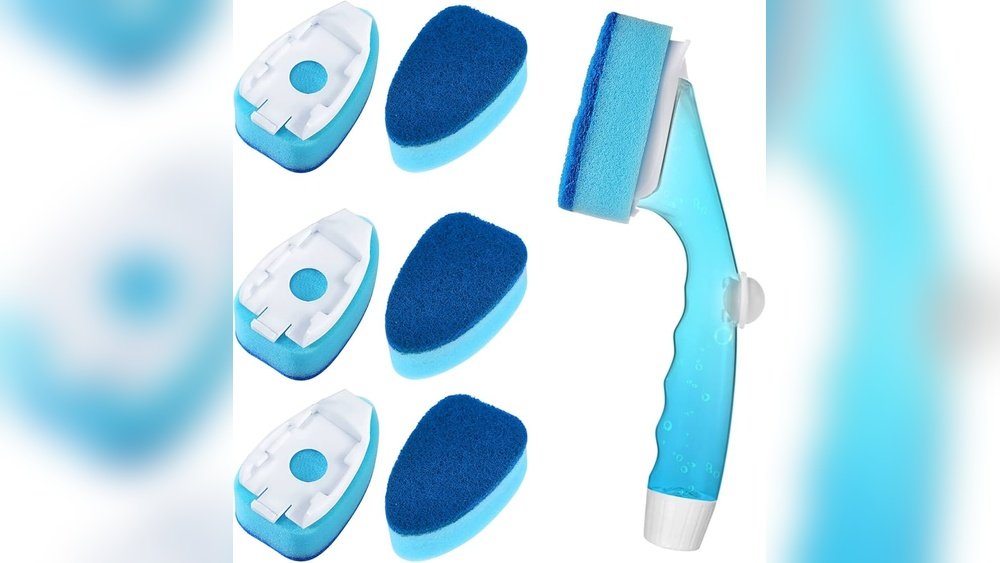
When & How to Replace Your Dish Sponge (Complete Guide)
Signs To Replace Your Dish Sponge & Health Risks
It’s easy to ignore your dish sponge until something feels wrong. Most people simply rinse and squeeze it after cleaning, then put it back next to the sink. But did you know your kitchen sponge is one of the dirtiest things in your home? It touches greasy pans, dirty plates, and even kitchen counters. Each time you use it, small food particles and moisture get trapped inside, making it a perfect place for germs to grow. If you’re not careful, your sponge can quickly become a health risk. Understanding when to replace it is important—not just for cleanliness, but for your family’s well-being. Here’s what to look for, why it matters, and how simple changes can make a big difference in your kitchen.
—
Signs It’s Time For A New Sponge
A sponge doesn’t last forever, even if it still looks okay from a distance. Many people use their sponges for weeks or even months, not realizing what’s happening inside. But a closer look—and sometimes a quick sniff—can reveal problems. Here are key signs your dish sponge needs to be replaced:
- Bad or sour smell:
If your sponge smells bad, even after you rinse it with hot water, that’s a clear sign that bacteria are living inside. The smell comes from germs breaking down food particles and releasing gases. Sometimes the odor is sour, musty, or just unpleasant.
Some people try to mask the smell with soap, but it comes back quickly. If you notice this, it’s better to get a new sponge right away.
Example: You wash your plates, rinse the sponge, but your hands smell strange afterwards. That’s not normal—it’s a warning sign.
- Visible wear and tear:
Sponges break down over time. If yours has tears, holes, or is losing pieces, it can’t clean well. Small bits of the sponge may even stick to your dishes or get left behind in the sink, which is not hygienic.
A thin, floppy sponge won’t scrub food off plates effectively and can actually spread germs rather than remove them.
Example: You see small yellow or green pieces in your sink after washing. These are signs your sponge is falling apart.
- Discoloration or stains:
Sponges often change color after repeated use, especially if you clean pans with tomato sauce, curry, or coffee. Dark spots or stains that don’t rinse out are warning signs. These stains can hide bacteria and mold. Sometimes, you’ll see black, green, or even pink spots—these are not just food stains, but signs of mold or mildew.
Example: You pick up your sponge and notice a grayish patch that wasn’t there before.
- Grease not washing out:
After washing greasy pots, some sponges stay oily no matter how much you rinse them. Greasy sponges can’t absorb water or soap well, making them less effective. Grease also traps germs, making the sponge a breeding ground for bacteria.
Example: You squeeze the sponge, and oil comes out, or it feels sticky even after using hot water and soap.
- Sponge feels slimy:
A healthy sponge should feel soft but not slippery. If your sponge feels slimy, especially after washing and rinsing, it means bacteria and possibly mold are growing. The slime is a layer of germs (called a biofilm) that is hard to remove by washing.
Example: You press the sponge, and it feels slippery and slick, not just wet.
Non-obvious insight: Even if your sponge looks and smells fine, tiny cracks or almost invisible stains can still hide bacteria. Don’t wait for obvious signs. If your sponge is over two weeks old, it’s safer to replace it.
Another tip: Using your sponge for tasks other than dishwashing (like wiping counters or cleaning spills) makes it dirtier and shortens its lifespan. Consider using separate sponges for different jobs.
—
Health Risks Of Using An Old Sponge
You might think, “It’s just a sponge, how dangerous can it be?” But the truth is, kitchen sponges are some of the dirtiest items in any household. Studies have found that sponges can hold more bacteria per square inch than a toilet seat! Here’s why using an old sponge is risky:
- Bacteria buildup:
Sponges are almost always wet, and they collect small bits of food. This creates a perfect home for bacteria like *E. coli*, *Salmonella*, and *Staphylococcus aureus*. These germs multiply quickly, sometimes doubling every 20 minutes. When you use the sponge, you spread these bacteria across your dishes, cutlery, and even your hands.
Example: After cleaning up raw chicken juice with your sponge, harmful bacteria can remain inside. If you later use the same sponge to wash a cup or spoon, germs can transfer, increasing your risk of getting sick.
- Cross-contamination:
Many people use the same sponge for multiple jobs—wiping counters, cleaning spills, or scrubbing cutting boards. If you clean up raw meat juices and then wash dishes, you’re spreading bacteria from one place to another. This is called cross-contamination, and it can make everyone in the house sick.
Example: You wipe a spill from the floor, then use the same sponge to wash a child’s bowl. Germs from the floor can end up on the dishes.
- Foodborne illness:
Old sponges can carry bacteria and viruses that cause food poisoning. Symptoms can range from mild stomach pain to severe vomiting or diarrhea. In some cases, especially for children, elderly people, or those with weak immune systems, these infections can be serious.
Example: After eating from a plate washed with a dirty sponge, someone in your home starts feeling sick the next day.
- Mold growth:
Sponges left damp for long periods often develop mold. Mold can cause allergies, skin rashes, and even breathing problems. Some molds release harmful toxins called mycotoxins, which are dangerous if they get on your dishes or hands.
Example: You see green or black spots on your sponge. Even if you don’t see mold, you might breathe in mold spores while washing dishes.
- Viruses and parasites:
While bacteria are the biggest problem, sponges can also hold viruses and parasites. These can survive in moist environments for days. Although less common, it’s still a risk—especially if you prepare food for young children or elderly family members.
Non-obvious insight: Boiling or microwaving your sponge can kill some germs, but not all. Some bacteria form spores that survive heat and start growing again later. So, regular replacement is better than relying on “disinfection tricks.”
Another tip: Don’t forget that your hands touch the sponge, faucet, and other surfaces. If you use a dirty sponge, you may also transfer germs to yourself.
—
Helpful Tips
Replacing your sponge regularly is one of the easiest ways to keep your kitchen safe. But how often is enough? Most cleaning experts and health organizations recommend replacing your dish sponge every 1–2 weeks. If you cook a lot, or clean up raw meat, replace it even more often.
If you notice any warning signs like smell, slime, or stains, don’t wait—throw the sponge away and use a new one.
Here are some practical ways to keep your kitchen sponges cleaner and safer:
1. Use The Right Sponge For The Right Job
Don’t use your dish sponge for everything. Have separate sponges or cleaning cloths for wiping counters, cleaning up spills, or scrubbing floors. Color-code your sponges if possible: for example, blue for dishes, yellow for counters.
2. Rinse Well After Each Use
After washing dishes, rinse your sponge under hot running water, squeezing it several times to remove food and soap. This helps reduce bacteria but doesn’t remove all germs.
3. Squeeze Out Excess Water
Germs love moisture. After rinsing, squeeze your sponge as dry as possible. Store it in a well-ventilated place, not lying flat in the sink. A holder with drainage helps air-dry the sponge faster.
4. Disinfect, But Don’t Rely On It Alone
Some people microwave their wet sponge for 1–2 minutes, or soak it in a bleach solution (1 tablespoon bleach in 1 liter of water for 5 minutes). These methods can reduce bacteria, but won’t make your sponge last forever. Replace the sponge regularly, even if you disinfect.
5. Avoid Using Sponges On Raw Meat Juices
If you need to clean up after handling raw chicken or meat, use paper towels or disposable wipes. Don’t use your regular dish sponge for this job.
6. Wash Sponges In The Dishwasher
If you have a dishwasher, you can place sponges on the top rack during a hot cycle. This can help reduce bacteria, but it’s not a substitute for replacement.
7. Switch To Alternatives When Possible
Some people prefer using dish brushes or silicone scrubbers. These dry faster and are less likely to hold bacteria. If you use sponges, remember to replace them often.
8. Know When To Let Go
If in doubt, throw it out. Sponges are cheap, but your health is not. Don’t risk foodborne illness to save a few cents.
9. Compost Natural Sponges
If you use natural cellulose sponges (not plastic), you can cut them into small pieces and compost them when they’re worn out. This is better for the environment.
Practical tip: Write the date on your sponge with a permanent marker when you start using it. This helps you remember when it’s time to replace it.
Another insight: If you cook for someone with a weak immune system, such as elderly parents or young children, be extra careful. Use disposable paper towels or cloths for high-risk cleaning jobs.
—
Real-life Examples & Scenarios
Let’s look at a few everyday examples to help you spot problems early:
- Busy family kitchen:
The family cooks breakfast, lunch, and dinner at home. The sponge gets used for everything—dishes, counters, even wiping spills. After one week, the sponge starts to smell and feels slimy. The best move is to replace it right away and use separate sponges for dishes and counters.
- Single person’s apartment:
Cooking is less frequent, but the sponge is used to clean up coffee spills and wipe the microwave. Because the sponge stays wet most of the time, mold starts to grow. Even if the sponge doesn’t look dirty, it should be replaced every two weeks.
- Shared student flat:
Roommates share the kitchen. No one remembers when the sponge was last changed. It’s full of stains and smells bad. This is a high risk for foodborne illness, as germs from different people can spread quickly. Solution: Set a schedule for replacing the sponge every week.
- Small restaurant or café:
Health inspectors check for sponge hygiene. Staff are trained to change sponges daily and use color-coded ones for different jobs. This helps prevent cross-contamination and keeps customers safe.
—
Common Mistakes To Avoid
Many people make small mistakes that put their health at risk. Here’s what to watch out for:
1. Using One Sponge For Everything:
Don’t clean dishes, counters, and spills with the same sponge. Use different sponges or cloths for each job.
2. Not Drying The Sponge Properly:
Leaving a wet sponge in the sink keeps it moist and helps bacteria grow. Use a sponge holder with good airflow.
3. Forgetting To Replace It:
Set a reminder or mark your calendar. Some people use the same sponge for months, not realizing the risk.
4. Relying Only On Soap:
Soap helps, but it doesn’t kill all bacteria inside the sponge. Regular replacement is still needed.
5. Ignoring Stains Or Smells:
Any sign of odor, stains, or slime means your sponge is ready to be replaced.
6. Microwaving Dry Sponges:
Always wet the sponge before microwaving, or it can catch fire.
—
Why Regular Replacement Matters
Replacing your dish sponge regularly is a simple, inexpensive way to keep your kitchen safe. A fresh sponge cleans better, smells better, and lowers your risk of illness. Most important, it protects everyone in your home from germs you can’t see.
Remember, a kitchen can look clean but still hide dangers. Sponges are small, but they have a big impact on hygiene. By learning to spot warning signs and making regular replacement a habit, you’re taking a smart step toward a healthier home.
For more information on kitchen hygiene and food safety, you can check advice from the [Centers for Disease Control and Prevention (CDC)](https://www.cdc.gov/foodsafety/keep-food-safe.html).
—
A clean dish sponge is a simple way to protect your family’s health. Don’t wait for problems—change it often, and enjoy a safer, fresher kitchen every day.

Hi, I’m Emma Carter, a passionate home cook with over 12 years of hands-on experience in home kitchens. I love testing kitchen tools, trying new recipes, and helping everyday cooks make smarter buying decisions. Every review and guide I write is based on real cooking experience, practical testing, and honest opinions, not marketing claims.