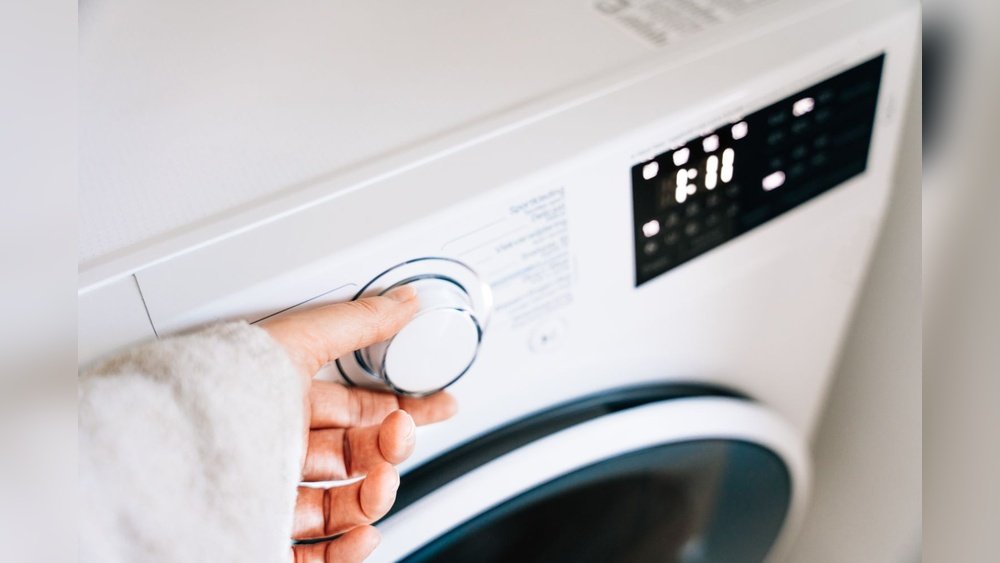
Washing Machine Cycles Experts Recommend Using Guide
When you buy a washing machine, you expect it to clean your clothes well and make laundry easier. But many people do not know which washing machine cycles to use for best results. The truth is, using the wrong cycle can waste water, damage clothes, and even leave stains behind.
Experts say choosing the right cycle matters much more than you think. If you want your clothes to last longer, smell fresher, and save money on repairs, this guide will help you understand which cycles experts recommend—and why.
The Importance Of Choosing The Right Washing Machine Cycle
Every washing machine comes with several cycles, each made for a specific type of laundry. The main cycles are usually labeled as Normal, Delicate, Heavy Duty, Quick Wash, and so on. Many people simply use the Normal cycle for everything, but this can cause problems. Using the right cycle helps:
- Prevent color fading and shrinking
- Reduce wear and tear on fabrics
- Save water and energy
- Clean stains more thoroughly
For example, washing wool sweaters on a heavy-duty cycle can ruin them. Washing towels on a delicate cycle may leave them less clean. According to the US Department of Energy, using the correct cycle can reduce energy use by up to 20%.
Common Washing Machine Cycles Explained
Let’s look at the cycles most experts say you should use for different types of laundry. Understanding these will help you make better choices every wash day.
Normal Cycle
The Normal cycle is designed for everyday clothes like cotton shirts, jeans, and underwear. It uses medium agitation and spin speeds, which means it cleans well without being too rough.
- Best for: Cotton, linen, and synthetic blends
- Not for: Delicate fabrics or heavily soiled items
Many people use this for most washes. Experts say this is fine for basic, sturdy clothes, but avoid using it for delicate or specialty items.
Delicate Cycle
The Delicate cycle uses gentle agitation and lower spin speeds. This protects fragile fabrics and prevents damage.
- Best for: Silk, lace, lingerie, wool, and fine knits
- Not for: Heavy fabrics or items with tough stains
If you want your delicate clothes to last, experts always recommend this cycle. It can also help prevent stretching and fading.
Heavy Duty Cycle
The Heavy Duty cycle uses strong agitation and longer wash times. This is made for thick, dirty items that need a deep clean.
- Best for: Towels, bedding, denim, and heavily soiled clothes
- Not for: Delicate or lightly soiled fabrics
Experts suggest using this for items like bath towels or work clothes. It uses more water and energy, so only use when necessary.
Quick Wash Cycle
The Quick Wash cycle is a short wash, often under 30 minutes. It uses less water and energy.
- Best for: Lightly soiled clothes, small loads, or when you need something fast
- Not for: Dirty or bulky items
Laundry pros say the quick wash is good for refreshing clothes, but not for deep cleaning. Don’t use it for towels or big loads.
Permanent Press Cycle
The Permanent Press cycle uses warm water and a slower spin. It reduces wrinkles and prevents shrinking.
- Best for: Dress shirts, slacks, synthetic fabrics
- Not for: Very dirty or delicate items
This cycle is popular for office wear and clothes you want to keep wrinkle-free.
Whites Cycle
Some machines have a Whites cycle. It uses hot water and strong agitation to clean white items.
- Best for: White cotton, socks, sheets
- Not for: Colors or delicate fabrics
Experts recommend this cycle for white clothes only. Using it for colors can cause fading.
Bulky/bedding Cycle
The Bulky/Bedding cycle is made for large items like blankets, comforters, and pillows. It uses more water and adjusts the spin to avoid damaging the items.
- Best for: Blankets, pillows, comforters, jackets
- Not for: Small or delicate items
This cycle helps clean big items thoroughly.
Sanitize Cycle
The Sanitize cycle uses high heat (up to 150°F) to kill germs and bacteria. This is especially useful for baby clothes or items from sick people.
- Best for: Baby clothes, towels, gym wear, bedding
- Not for: Delicate fabrics
Experts say this cycle is a must for hygiene, but can shrink or damage some fabrics.
Rinse And Spin Cycle
The Rinse and Spin cycle simply rinses and spins clothes, without detergent. It is useful for removing soap residue or freshening up laundry.
- Best for: Swimwear, clothes after hand-washing, removing excess detergent
- Not for: Cleaning dirty items
This cycle is good for a quick refresh.

Credit: www.goodhousekeeping.com
Expert Recommendations For Common Laundry Types
To help you further, here’s how experts recommend matching cycles to your laundry:
| Laundry Type | Recommended Cycle | Why |
|---|---|---|
| Cotton T-shirts | Normal | Medium agitation cleans well without damage |
| Silk Blouses | Delicate | Gentle motion protects fragile fabric |
| Bath Towels | Heavy Duty | Removes deep dirt and bacteria |
| Dress Shirts | Permanent Press | Reduces wrinkles, keeps shirts looking sharp |
| White Socks | Whites | Hot water removes stains and keeps them bright |
| Baby Clothes | Sanitize | Kills bacteria, keeps clothes safe |
| Blankets | Bulky/Bedding | Ensures deep cleaning without damage |
| Lightly Worn Clothes | Quick Wash | Fast cleaning for clothes worn briefly |
How Washing Machine Cycles Work: Technical Details
Understanding how cycles work helps you choose wisely. Each cycle changes:
- Agitation: The way the drum moves clothes. More agitation cleans better but is rougher.
- Spin speed: Faster spin removes more water but can twist fabrics.
- Water temperature: Hot water cleans better but may shrink or fade clothes.
- Cycle length: Longer cycles clean more deeply.
For example, the Heavy Duty cycle uses strong agitation and hot water, while Delicate uses gentle motion and cool water.
Here’s a comparison of three popular cycles:
| Cycle | Agitation | Spin Speed | Water Temp | Duration |
|---|---|---|---|---|
| Normal | Medium | Medium | Warm | 45–60 min |
| Delicate | Gentle | Low | Cold | 30–45 min |
| Heavy Duty | Strong | High | Hot | 75–90 min |
Common Mistakes When Choosing Cycles
Even experienced users make mistakes. Here are some common errors experts warn against:
- Using Normal for everything: This can damage delicate clothes or leave dirty items unclean.
- Washing colors on Whites cycle: Hot water can cause colors to fade or bleed.
- Using Quick Wash for dirty loads: This does not clean heavy stains well.
- Skipping the Bulky cycle for big items: Blankets can get tangled or not rinse properly.
- Ignoring care labels: Most clothes have a label that suggests the best cycle.
A non-obvious insight: Many people do not realize that using the wrong cycle can shorten the life of your washing machine. Overloading on Normal or Heavy Duty can stress the motor and drum.
How To Read Laundry Care Labels
Laundry care labels can seem confusing, but they give important clues about which cycle to use. Most labels have symbols showing water temperature, agitation, and spin speed.
- A tub with water: Machine wash
- A hand in the tub: Hand wash only
- A line under the tub: Gentle cycle
- Dots inside the tub: Number of dots shows water temperature (one dot=cold, two dots=warm, three dots=hot)
Always follow the label if you are unsure. Experts say labels are there to help you keep clothes looking new.
:max_bytes(150000):strip_icc()/does-quick-wash-clean-as-well-as-normal-cycle-GettyImages-2194276818-c4be65ed13fb4cfda1a058461472f21c.jpg)
Credit: www.realsimple.com
Choosing The Right Cycle For Stains
If you are dealing with stains, cycle choice is important. For example:
- Mud or grass: Use Heavy Duty, hot water, and pre-soak
- Wine or coffee: Use Whites cycle for white fabrics, Delicate for colored delicates
- Grease: Heavy Duty with extra detergent
A practical tip: Always treat stains before washing. The cycle helps, but pre-treating gives much better results.
Special Cycles On Modern Machines
Newer washing machines often have extra cycles, such as:
- Eco Wash: Uses less water and energy. Good for light loads.
- Allergen: Removes pollen, dust, and pet dander. Great for allergy sufferers.
- Steam Clean: Adds steam to loosen stains and kill germs.
These cycles can be useful, but experts say the basic cycles cover most needs. Only use specialty cycles if you have a specific reason.
How Cycle Settings Affect Water And Energy Use
Washing machines are responsible for about 17% of water use in a typical home. Using the right cycle can save money and help the environment.
- Quick Wash: Saves water and energy, but only for light loads.
- Heavy Duty: Uses more water and energy, so only use for really dirty items.
- Eco Wash: Saves up to 30% water compared to Normal.
Here’s a comparison of water and energy use:
| Cycle | Avg. Water Use (gallons) | Avg. Energy Use (kWh) | Best For |
|---|---|---|---|
| Normal | 14–18 | 0.25–0.35 | Everyday laundry |
| Heavy Duty | 20–25 | 0.40–0.60 | Dirty or bulky items |
| Quick Wash | 8–12 | 0.15–0.20 | Light loads |
| Eco Wash | 10–14 | 0.20–0.30 | Light loads, energy saving |
Non-obvious insight: Choosing the right cycle for the load size can save hundreds of gallons of water per year. Many users do not realize that running Heavy Duty for small loads is wasteful.
Expert Tips For Better Laundry Results
Laundry experts have some practical advice that beginners often miss:
- Sort clothes by fabric and color: This helps you pick the right cycle and prevents color transfer.
- Don’t overload the drum: Too many clothes can block water and reduce cleaning.
- Use the right detergent: High-efficiency (HE) machines need HE detergent.
- Clean your washing machine: Run a cleaning cycle monthly to prevent mold and odors.
A simple habit: Check the care label and match it to the closest cycle. This small step can extend the life of your clothes and machine.
When To Use Extra Rinse Or Pre-soak
Many machines offer extra rinse or pre-soak options. Experts recommend:
- Extra rinse: Good for towels, baby clothes, or allergy sufferers. Removes more detergent.
- Pre-soak: Useful for stains or heavily soiled items. Lets detergent work before washing.
Do not use these for every load, as it can waste water.
Cycles For Allergy And Hygiene
If you have allergies or want extra hygiene, cycles like Sanitize or Allergen are best. They use high heat or steam to remove dust mites, pollen, and bacteria.
For example, washing sheets and pillowcases on Sanitize cycle every week can reduce allergy symptoms. According to the American Academy of Allergy, Asthma & Immunology, high heat kills 99. 9% of dust mites.
Choosing Cycles For Different Washing Machines
Top-load and front-load machines have different cycle options and strengths.
- Top-load machines: Usually have faster cycles, but may be rougher on clothes.
- Front-load machines: Use less water, are gentler, but take longer.
Experts recommend using Delicate or Permanent Press for fragile items in top-loaders. For front-loaders, Heavy Duty is safe even for larger loads.
Some machines have smart sensors that choose the best cycle for you, but always check if it matches your laundry needs.
Washing Machine Cycle Myths
There are some myths about washing machine cycles:
- Myth: Hot water cleans best. Fact: Hot water can damage some fabrics; cold water works for most clothes.
- Myth: More detergent means cleaner clothes. Fact: Too much detergent can leave residue and cause buildup.
- Myth: Quick Wash is good for all loads. Fact: Only for lightly soiled clothes.
Experts say following these myths can cost you money and damage your clothes.
How Often Should You Use Each Cycle?
There is no fixed rule, but experts suggest:
- Normal: For most everyday washes, 3–4 times a week.
- Delicate: Whenever you wash fragile fabrics.
- Heavy Duty: Once a week for towels and bedding.
- Quick Wash: As needed for lightly worn clothes.
- Sanitize: Monthly for hygiene, more often if someone is sick.
Adjust the frequency based on your family size and laundry habits.
The Future Of Washing Machine Cycles
Modern machines are getting smarter. Some now use AI to suggest the best cycle, or adjust settings based on load weight and fabric type. Brands like LG and Samsung have sensors that detect soil level and water hardness.
In the future, you may see machines that scan care labels and automatically choose the right cycle. Until then, understanding these expert recommendations is your best defense against laundry mistakes.

Credit: www.aol.com
Frequently Asked Questions
What Cycle Should I Use For Washing Jeans?
Experts recommend the Normal or Heavy Duty cycle for jeans. Use cold or warm water to prevent shrinking and fading. If the jeans are heavily soiled, use Heavy Duty; for everyday wear, Normal is fine.
Is It Safe To Wash All Clothes On The Normal Cycle?
No, it is not safe for delicate fabrics like silk, wool, or lace. Normal works for cotton and synthetics, but Delicate is better for fragile items. Always check the care label.
How Do I Prevent Colors From Fading In The Wash?
Use the Delicate cycle with cold water for colored clothes. Avoid hot water and Whites cycle. Turn clothes inside out and use a gentle detergent.
What Cycle Is Best For Allergy Sufferers?
The Sanitize or Allergen cycle is best. These cycles use high heat or steam to kill dust mites, pollen, and bacteria. It is good for bedding, towels, and baby clothes.
Can I Wash Blankets And Pillows In A Regular Cycle?
Experts say you should use the Bulky/Bedding cycle. Regular cycles can twist or damage large items. Bulky/Bedding uses more water and slower spins to protect them.
If you want more technical details about washing machine cycles, you can check this official resource: US Department of Energy.
Choosing the right washing machine cycle is not just about convenience—it’s about caring for your clothes, saving money, and protecting your machine. With these expert recommendations, you can avoid mistakes, keep your laundry looking great, and make your washing machine last longer.
Remember, every cycle is made for a reason. The next time you do laundry, take a moment to pick the right one. It will make a big difference.
Hi, I’m Emma Carter, a passionate home cook with over 12 years of hands-on experience in home kitchens. I love testing kitchen tools, trying new recipes, and helping everyday cooks make smarter buying decisions. Every review and guide I write is based on real cooking experience, practical testing, and honest opinions, not marketing claims.