Things You Should Never Clean With Vinegar: Avoid These Mistakes!
You probably use vinegar as a go-to cleaner for many things around your home. It’s natural, affordable, and seems like a miracle solution.
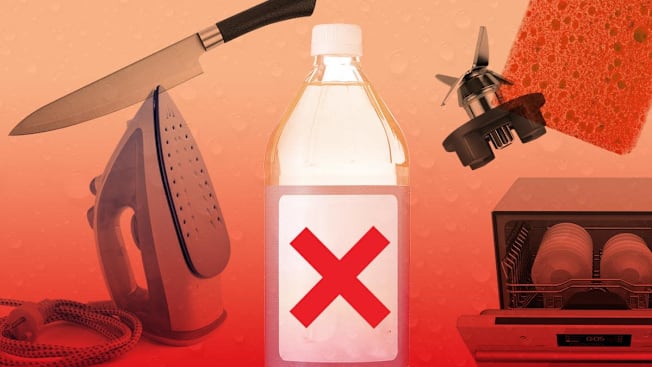
But did you know that vinegar can actually cause serious damage to some surfaces and items? Using vinegar the wrong way might ruin your favorite hardwood floors, dull your knives, or even harm your electronic screens. If you want to protect your belongings and keep your home looking its best, it’s crucial to know what you should never clean with vinegar.
Keep reading, and you’ll discover the surprising list of items that vinegar can’t touch—saving you time, money, and frustration.
Credit: www.consumerreports.org
Vinegar And Wood Surfaces
Electronics and screens need special care during cleaning. These items have delicate surfaces and sensitive components. Using the wrong cleaner can cause damage. Vinegar is a common household cleaner, but it can harm screens and electronics. It is important to understand why vinegar is unsafe and what safe options exist.
Why Vinegar Harms Screens
Vinegar contains acetic acid, which can erode screen coatings. Many screens have anti-reflective or protective layers. Vinegar can break down these layers, causing dullness or discoloration. It may also damage touch sensors, making screens less responsive. The acid can seep into tiny openings and harm internal parts. Using vinegar on screens increases the risk of permanent damage.
Safe Cleaning Options
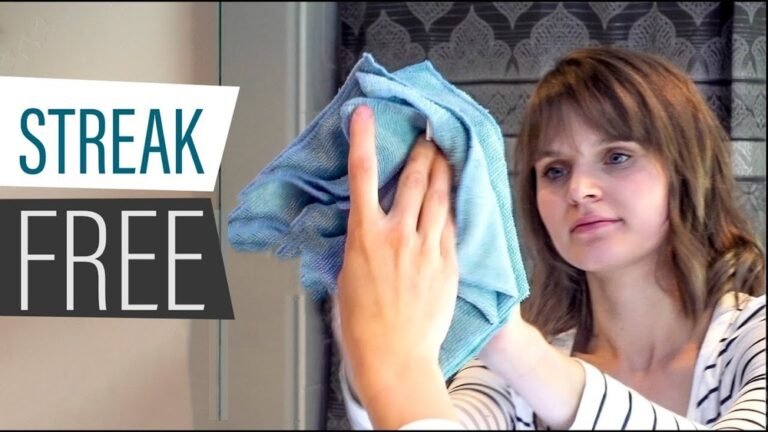
Use a microfiber cloth to gently wipe screens. For tougher smudges, slightly dampen the cloth with water. Avoid spraying any liquid directly onto screens. Special screen cleaning solutions are available and safe to use. These cleaners are designed to protect coatings and sensitive parts. Always unplug devices before cleaning to avoid electrical issues.
Credit: cleanzen.com
Stone Countertops And Vinegar
Vinegar is a popular household cleaner, but it is not safe for all textiles and fabrics. Some materials can get damaged or lose their quality when cleaned with vinegar. It is important to know which fabrics to avoid and how to treat stains properly.
Using vinegar on the wrong fabric can cause discoloration, weakening, or shrinkage. Protect your clothes and home textiles by choosing safer cleaning methods.
Delicate Fabrics To Avoid
Do not use vinegar on delicate fabrics like silk, wool, and rayon. These materials can break down or change color. Vinegar’s acidity harms the fibers and shortens the fabric’s life. Avoid cleaning curtains, upholstery, and clothing made from these fabrics with vinegar.
Always check the care label before using any cleaning product. When in doubt, test a small hidden area first. Protect your delicate textiles by choosing gentle, fabric-safe cleaners instead of vinegar.
Handling Stains Without Vinegar
Stains on fabrics require careful treatment without vinegar. Use cold water and mild detergent for most stains. Gently blot, do not rub, to avoid spreading the stain or damaging the fabric.
For stubborn stains, try specialized stain removers made for the fabric type. Enzyme-based cleaners work well on protein stains like blood or sweat. Always follow product instructions and test on a hidden spot first.
Proper stain care preserves your textiles and keeps them looking fresh. Avoid vinegar to protect your fabrics from harm.
:max_bytes(150000):strip_icc()/Simply-Recipes-Z-Heinz-Vinegar-Cleaning-LEAD-OPTION-01-589eec2a942c4c9da830d00d129bc9e5.jpg)
Credit: www.simplyrecipes.com
Frequently Asked Questions
What Can I Not Use Vinegar To Clean?
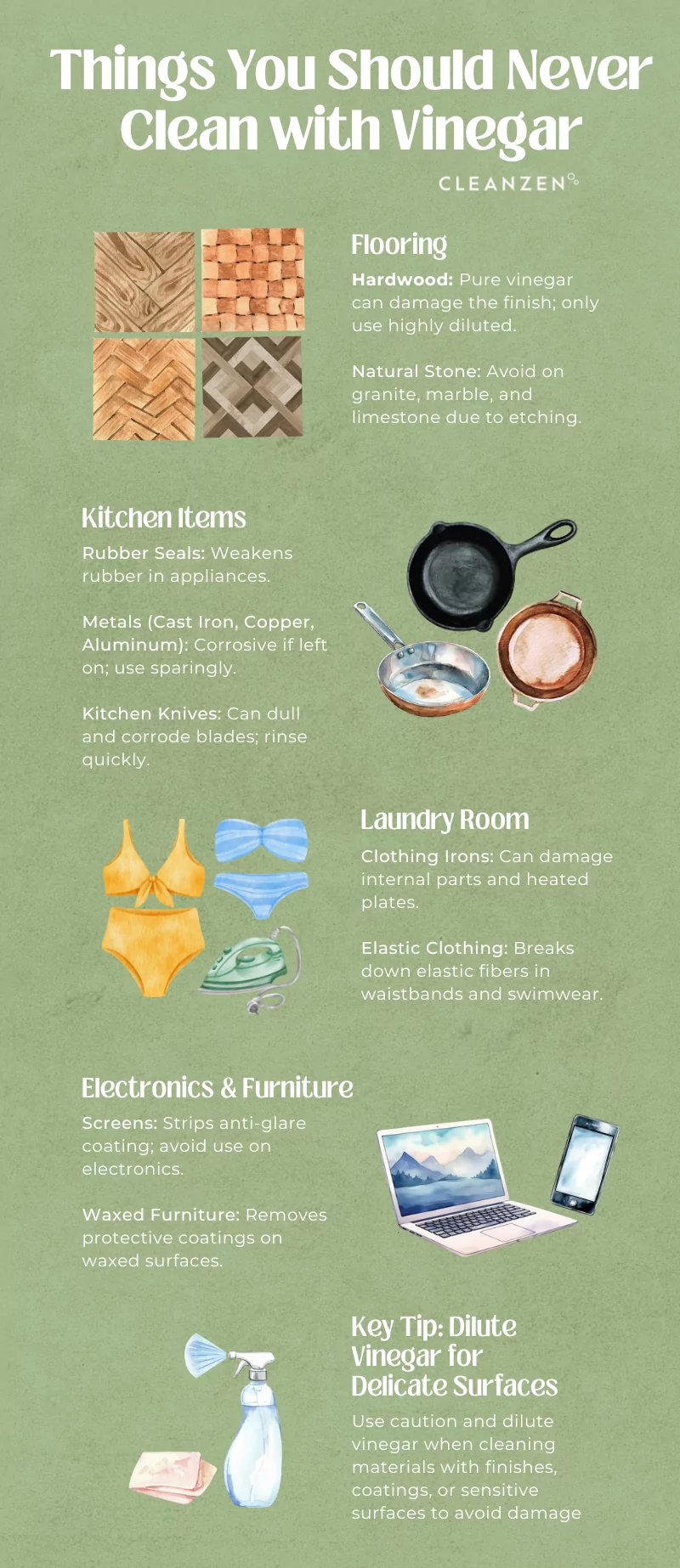
Avoid using vinegar on hardwood floors, natural stone, cast iron, electronic screens, knives, rubber, delicate fabrics, and grout. It can damage finishes and surfaces.
What Cleaning Products Are Safe For Migraines?
Fragrance-free, natural cleaners with essential oils like lemon or eucalyptus are safe for migraines. DIY mixes of baking soda, vinegar, and water also work well. Avoid strong chemicals and synthetic scents to prevent triggering headaches.
Why Are People Spraying Their Porch With Vinegar?
People spray their porch with vinegar to kill young weeds and break down light organic buildup. It offers a natural, mild cleaning effect that reduces the need for harsh chemicals. Vinegar works best on early-stage weed growth but doesn’t replace heavy-duty cleaning.
Can I Mix Dawn Dish Soap And Vinegar?
Yes, you can mix Dawn dish soap and vinegar for cleaning. This combo effectively cuts grease and grime on many surfaces. Avoid using it on natural stone, hardwood, or delicate fabrics to prevent damage. Always test a small area first to ensure safety.
Conclusion
Vinegar works well for many cleaning jobs but can harm certain items. Avoid using it on hardwood floors, natural stone, electronics, and cast iron pans. Vinegar’s acidity may cause damage, discoloration, or corrosion. Choosing the right cleaner keeps your belongings safe and lasting longer.
Always check which surfaces vinegar suits before using it. Safe cleaning protects your home and your investment. Remember, not all natural cleaners fit every task. Use vinegar wisely to keep your space fresh without risks.

Hi, I’m Emma Carter, a passionate home cook with over 12 years of hands-on experience in home kitchens. I love testing kitchen tools, trying new recipes, and helping everyday cooks make smarter buying decisions. Every review and guide I write is based on real cooking experience, practical testing, and honest opinions, not marketing claims.