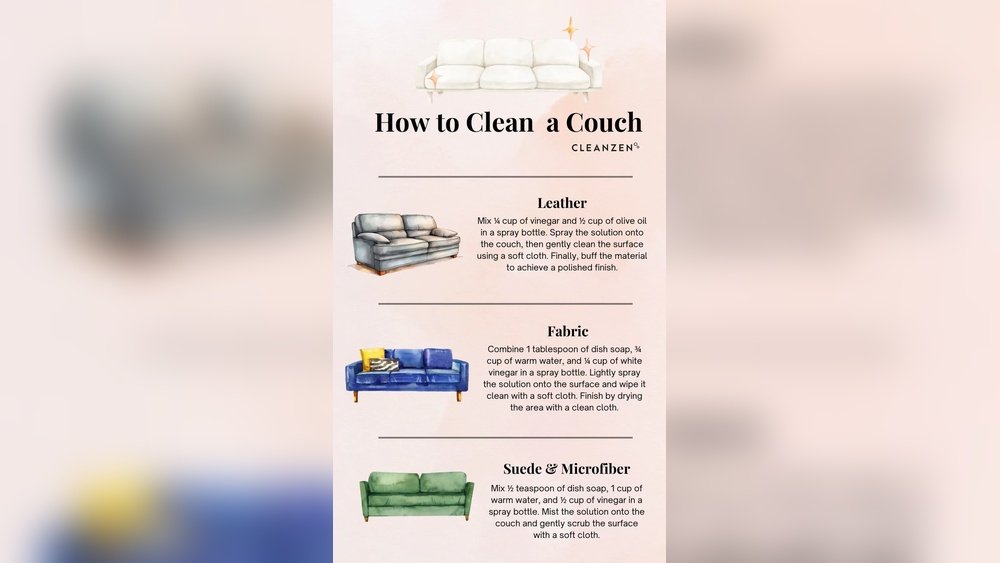
How to Clean Any Couch Expert Tips for a Fresh and Spotless Sofa
Your couch is more than just a place to sit, it’s where you relax, entertain, and make memories. But over time, spills, dust, and pet hair can make it look tired and worn out.
You might think cleaning a couch is complicated or that you need expensive products to get it right. The truth is, with the right steps and tools, you can refresh any couch yourself, no matter the fabric or style. In this guide, you’ll discover simple, effective ways to clean your couch thoroughly, protect it from damage, and keep it looking fresh longer.
Ready to bring your couch back to life? Keep reading to learn how to clean any couch like a pro!
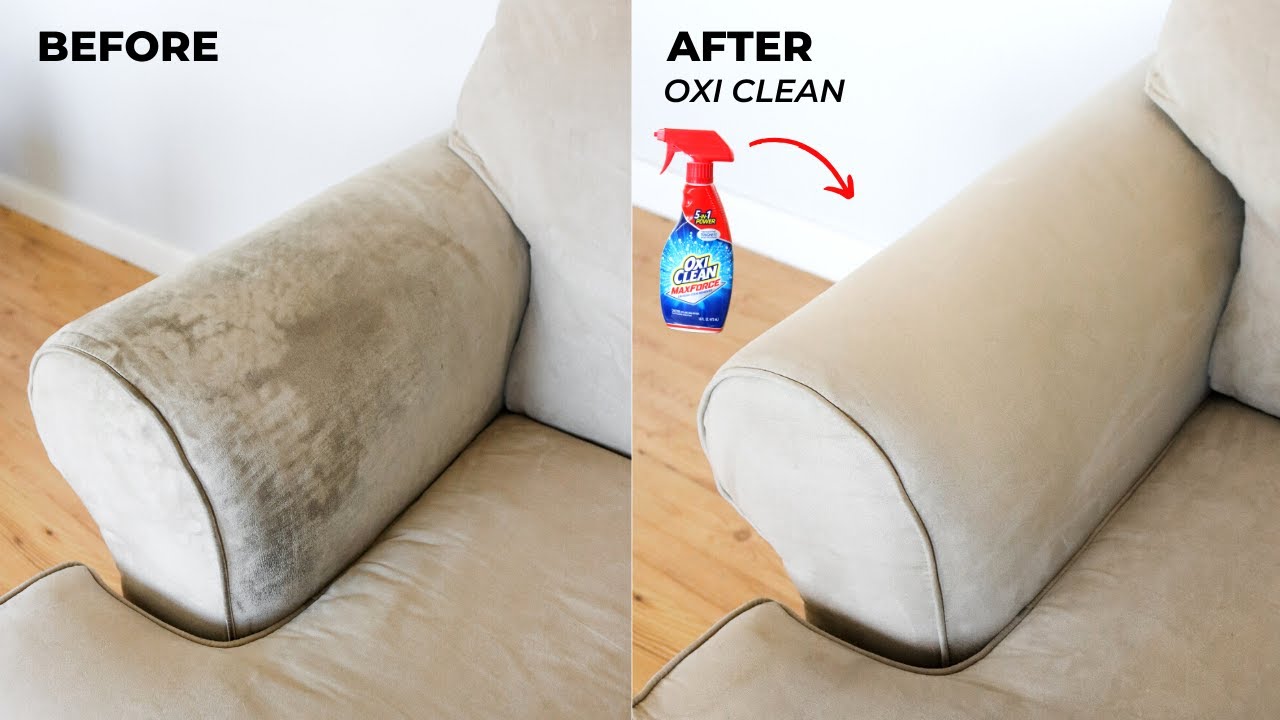
Credit: www.youtube.com
Identify Couch Material
Spot treating stains on your couch helps keep it looking fresh. Acting quickly stops stains from setting in. Use gentle methods to protect fabric and colors. Know the right steps to handle different stains safely.
Identify Stain Types
First, look closely at the stain. Is it oily, watery, or dry? Food stains, grease, ink, or pet messes all need different care. Knowing the stain type guides you to the best cleaner.
Check the fabric tag for cleaning codes. It may say W, S, or WS. These codes tell you which cleaning agents are safe to use on your couch.
Use Appropriate Cleaners
Use water-based cleaners for W-coded fabrics. Solvent-based cleaners work for S-coded fabrics. For WS codes, either cleaner is okay. Avoid harsh chemicals that may damage fabric.
Test any cleaner on a hidden spot first. Watch for color fading or fabric damage. Always follow the product instructions carefully.
Blotting Vs. Scrubbing Techniques
Blot stains gently with a clean cloth or paper towel. Press down to soak up liquid. Do not rub, as it can spread the stain and harm fibers.
Scrubbing is only for tough stains and sturdy fabrics. Use a soft brush or cloth and mild cleaner. Work from the outside toward the center of the stain.
Always rinse the area with clean water after cleaning. Blot dry to remove cleaner residue. Let the couch air dry completely before use.

Credit: www.youtube.com
Gather Cleaning Supplies
Allergy prevention is key to keeping your home healthy. Couches collect dust, pet dander, and allergens over time. These particles can trigger sneezing, itching, and other allergic reactions. Taking steps to clean your couch regularly reduces these risks. This helps you breathe easier and enjoy a cleaner living space.
Remove Dust And Allergens
Vacuum your couch often using a brush attachment. This removes dust and small particles from fabric and crevices. Pay special attention to seams and under cushions. Use a damp cloth to wipe hard surfaces on leather or vinyl couches. Regular cleaning stops allergens from building up and spreading in your home.
Use Hypoallergenic Covers
Cover your couch with hypoallergenic slipcovers. These protect against dust mites and pet dander. Choose covers made from tightly woven fabrics. Wash covers frequently in hot water to kill allergens. This simple step creates a barrier and keeps your couch cleaner for longer.
Schedule Professional Cleanings
Book professional upholstery cleaning once or twice a year. Experts use deep cleaning methods that remove hidden allergens. This service reaches areas vacuuming cannot. Professional cleanings improve air quality and reduce allergy symptoms. It is a smart investment for a healthier home environment.
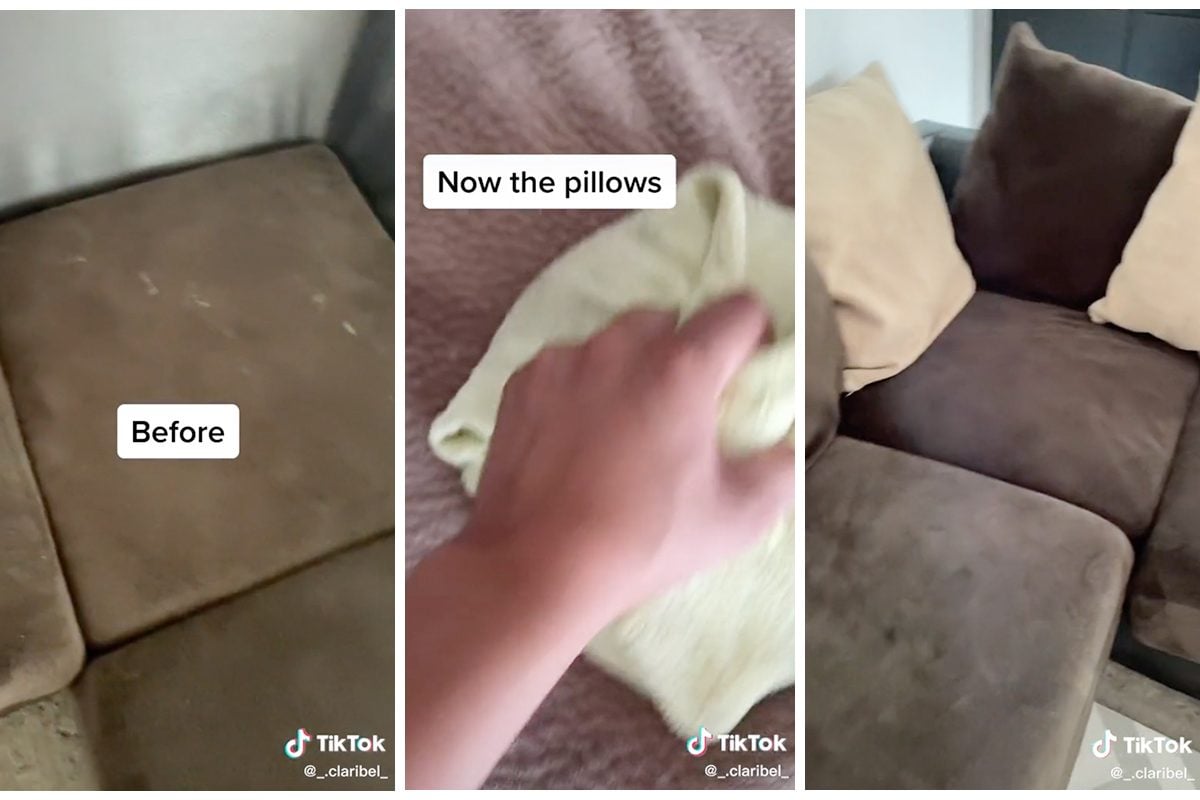
Credit: www.tasteofhome.com
Frequently Asked Questions
What Is The Best Way To Clean A Fabric Couch?
Vacuum your fabric couch thoroughly, then check its cleaning code. Use water-based cleaners for W or WS codes. For S codes, apply solvent cleaners. Always blot stains gently with a damp cloth. Avoid soaking fabric and let it air dry completely.
What Is The 2/3 Rule For Couches?
The 2/3 rule for couches means the couch should cover about two-thirds of the wall space in a room. This balances scale and space.
Can Couch Cleaning Help With Allergies?
Couch cleaning removes dust, pet dander, and allergens trapped in fabric. This reduces allergy symptoms and improves indoor air quality. Regular cleaning keeps your home healthier and more comfortable during allergy season.
What Can I Use To Clean My Couches At Home?
Vacuum your couch thoroughly, remove cushions, and check the cleaning code tag. Use water-based cleaners for W or WS codes, solvents for S, and vacuum only for X. For fabrics, mix water, mild soap, and vinegar; for microfiber, use isopropyl alcohol with a damp cloth.
Conclusion
Cleaning your couch regularly keeps it fresh and inviting. Always vacuum first to remove dust and crumbs. Use the right cleaner based on your couch’s fabric type. Treat stains quickly to avoid permanent marks. Gentle cleaning methods protect your couch’s material and color.
Simple steps can extend your couch’s life and comfort. A clean couch creates a healthier home environment. Keep your furniture looking great with easy, regular care.

Hi, I’m Emma Carter, a passionate home cook with over 12 years of hands-on experience in home kitchens. I love testing kitchen tools, trying new recipes, and helping everyday cooks make smarter buying decisions. Every review and guide I write is based on real cooking experience, practical testing, and honest opinions, not marketing claims.