Are Hand Blenders And Immersion Blenders the Same?
Are Hand Blenders And Immersion Blenders The Same
Choosing the right kitchen tools can be confusing, especially when names sound similar. Many people wonder if hand blenders and immersion blenders are actually the same thing or if there are important differences. If you enjoy making soups, sauces, or smoothies at home, understanding these tools can save you time and money. In this article, we’ll break down the similarities and differences, share practical examples, and give you clear advice on choosing the best blender for your needs.
What Is A Hand Blender?
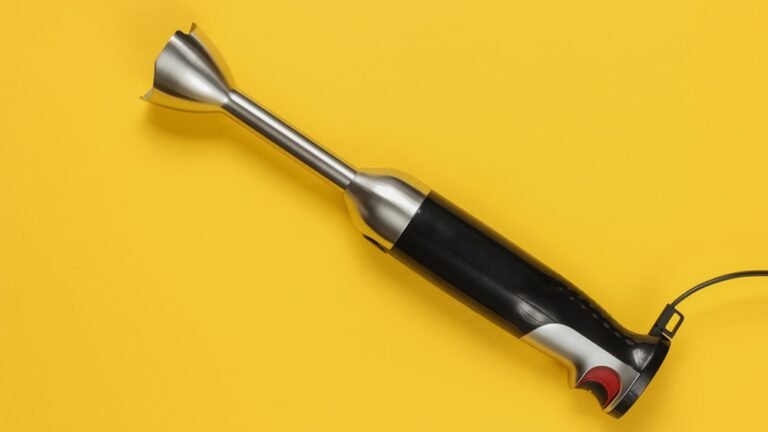
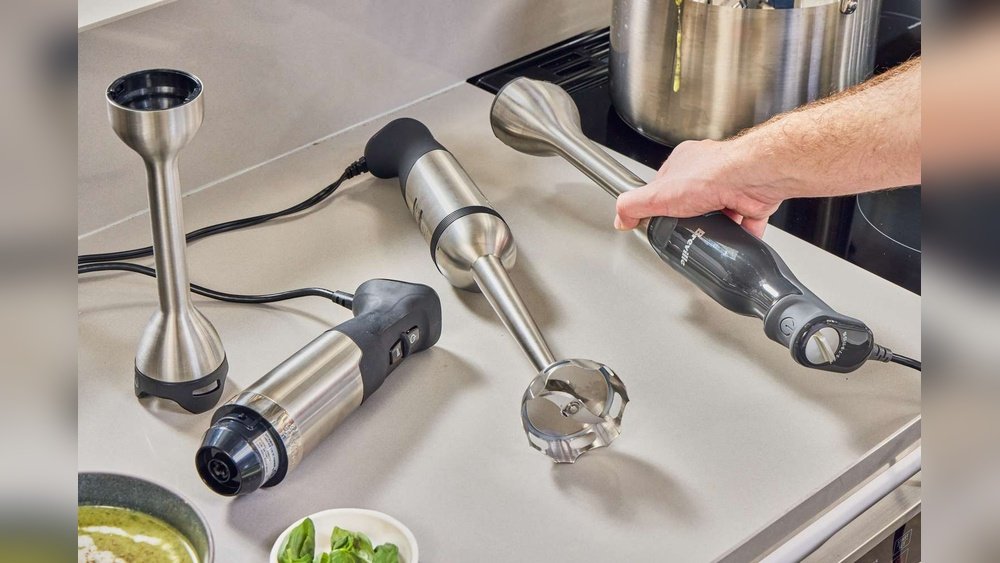
A hand blender is a small, electric kitchen appliance designed to blend, puree, or mix food directly in the container where you are preparing it. It usually has a long, slender body that fits comfortably in one hand, with blades at the end.
Most hand blenders are powered by electricity, but some manual or battery-operated models exist. The main advantage of a hand blender is that you can blend food right in a pot, bowl, or even a glass, eliminating the need to transfer ingredients to a separate blender jar.
This not only saves time but also reduces cleanup.
Key features of hand blenders:
- Compact and lightweight design
- Detachable blending shaft for easy cleaning
- One or more speed settings
- Can include attachments like a whisk or chopper
For example, if you want to puree hot soup, you can use a hand blender directly in the cooking pot, avoiding the risk of spilling hot liquid during transfer.
What Is An Immersion Blender?
An immersion blender is a kitchen appliance with a long stick-like shape and spinning blades at the bottom. The name “immersion” comes from the fact that you immerse (put) the blender directly into the food or liquid you want to blend.
Immersion blenders are designed for the same tasks as hand blenders: blending, pureeing, mixing, and even whipping. They are used in pots, bowls, pitchers, or any container deep enough to avoid splashing.
Common uses for immersion blenders:
- Making creamy soups directly in the pot
- Blending smoothies in a tall glass
- Pureeing baby food
- Mixing salad dressings
Like hand blenders, immersion blenders are popular because of their convenience and easy storage.
Are Hand Blenders And Immersion Blenders The Same?
Many people use the terms hand blender and immersion blender as if they mean exactly the same thing. In most cases, this is correct. Both names refer to the same type of appliance—a stick-shaped blender that you hold in your hand and immerse in food.
Let’s look at a simple comparison:
| Feature | Hand Blender | Immersion Blender |
|---|---|---|
| Shape | Stick | Stick |
| How it’s used | Held in hand, immersed in food | Held in hand, immersed in food |
| Common tasks | Blend, puree, mix | Blend, puree, mix |
| Other names | Stick blender, wand blender | Stick blender, wand blender |
Bottom line: In most countries and in most stores, hand blender and immersion blender refer to the same tool. Other terms like stick blender or wand blender also mean the same thing.
Why The Two Names?
The different names come from how people describe the tool:
- “Hand blender” means you hold it in your hand.
- “Immersion blender” describes how you use it: You immerse it in the food.
Some brands or stores may use one name more than the other. In the United States, “immersion blender” is common, while “hand blender” is often used in Europe and other places.
Differences From Other Blenders
It’s easy to confuse hand/immersion blenders with other kitchen blenders. Let’s clear up the differences.
| Type | Main Feature | Best For |
|---|---|---|
| Hand/Immersion Blender | Stick-shaped, used in any container | Soups, sauces, small batches |
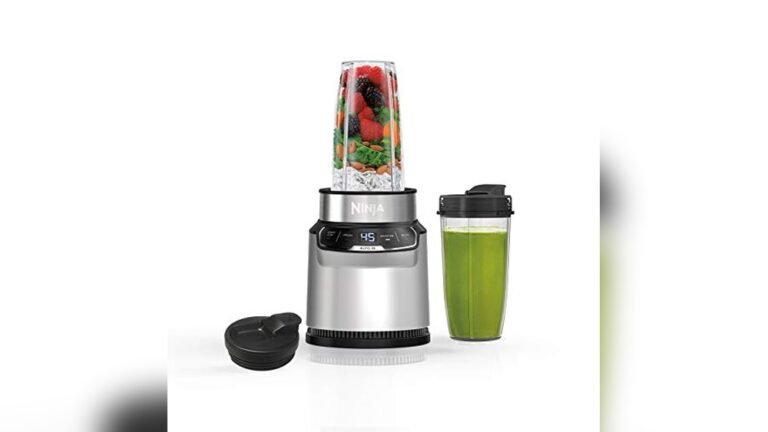
| Countertop Blender | Large base with jar | Smoothies, ice crushing, large batches |
| Hand Mixer | Dual beaters, no blade | Whipping cream, cake batter |
| Food Processor | Wide bowl, many attachments | Chopping, shredding, dough |
Key point: Only the hand/immersion blender has the stick shape and is used directly in pots or bowls.
When To Use A Hand/immersion Blender
Hand/immersion blenders are very versatile. Here are some situations where they really shine:
- Pureeing Soup: After cooking vegetables in broth, blend them right in the pot for a smooth, creamy soup.
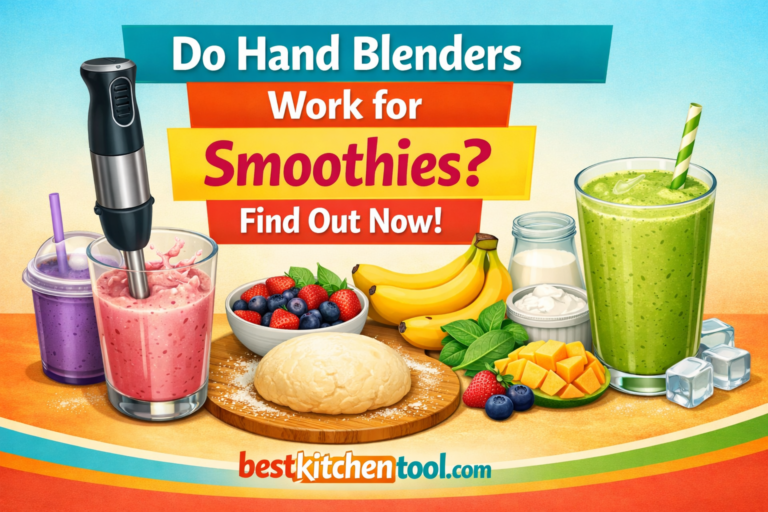
- Making Smoothies: Quickly blend fruit, yogurt, and milk directly in a cup or pitcher.
- Blending Sauces: Smooth out tomato sauce or gravy without pouring hot liquid into a blender jar.
- Mixing Drinks: Froth milk for coffee or mix protein shakes.
- Homemade Mayonnaise: Emulsify oil and egg directly in a jar for perfect mayo.
A common mistake is trying to use an immersion blender for tasks it’s not designed for, like crushing ice or kneading dough. These tasks need a countertop blender or food processor.
Pros And Cons
Understanding the benefits and drawbacks can help you decide if a hand/immersion blender is right for you.
Pros
- Easy to use and store: Slim design fits in a drawer.
- Less cleanup: Blend in the same pot—fewer dishes.
- Versatile: Handles many tasks with the right attachments.
- Safe for hot foods: No need to transfer hot soup.
Cons
- Limited power: Not good for hard foods or ice.
- Small batches: Best for 1-4 servings, not big quantities.
- Less consistent: May leave small lumps if not used carefully.
Pro tip: For very smooth textures, move the blender slowly and tilt it to reach all areas.

Credit: www.tasteofhome.com
What To Look For When Buying
If you decide to buy a hand/immersion blender, focus on these key factors:
- Power (Wattage): More watts mean better performance for tougher foods. Most good models range from 200–800 watts.
- Speed Settings: Multiple speeds give you more control.
- Blade Design: Look for stainless steel blades with a guard to prevent splashing.
- Attachments: Some models include a whisk, chopper, or blending cup.
- Ease of Cleaning: Removable shafts can go in the dishwasher.
Here’s a quick comparison of sample models:
| Model | Power (Watts) | Speeds | Attachments | Price Range |
|---|---|---|---|---|
| Braun MultiQuick 5 | 350 | 2 | Whisk, chopper | $50–$70 |
| Cuisinart Smart Stick | 300 | 2 | Beaker | $35–$45 |
| KitchenAid Hand Blender | 200 | 2 | None/basic | $30–$50 |
Non-obvious insight: Some people focus only on motor power, but blade shape and speed control are just as important for smooth results.
Common Mistakes And How To Avoid Them
Even experienced cooks sometimes make mistakes with hand/immersion blenders:
- Using in shallow containers: This causes splashing. Always use a deep bowl or pot.
- Trying to crush ice: Most hand/immersion blenders are not strong enough and may break.
- Not moving the blender: Keep the blender moving up and down for even blending.
- Overheating: Running the motor for too long can burn it out. Give it short breaks.
To prevent these problems, always read the manual and follow the manufacturer’s advice.
Cleaning And Maintenance Tips
Hand/immersion blenders are easy to clean if you do it right away. Detach the blending shaft and wash it under running water, or put it in the dishwasher if safe. Wipe the motor part with a damp cloth—never immerse it in water.
Tip: To clean stuck-on food, blend soapy water in a cup for a few seconds, then rinse.
Regular cleaning keeps the blender working well and prevents food smells or stains.
Are Attachments Worth It?
Many hand/immersion blenders come with extra tools like whisks or mini choppers. These attachments can make your blender even more useful:
- Whisk: Whip cream, beat eggs, or mix batter.
- Chopper: Chop nuts, herbs, or garlic quickly.
- Beaker: Blend small quantities without splashing.
However, if you only want to blend soups or sauces, a basic model may be enough. Attachments are helpful but not always necessary.
Non-obvious insight: Not all attachments fit all models. Check compatibility before buying extras.
:max_bytes(150000):strip_icc()/sea-immersion-blenders-sep-24-test-kitchenaid-go-cordless-battery-included-rkilgore-1164-037a41c0d176499986553674a8ccf56c.jpeg)
Credit: www.seriouseats.com
Safety Tips
- Unplug before changing attachments: Prevents accidents.
- Avoid metal pots with nonstick coating: The blade guard can scratch them.
- Watch for hot splatters: Start on low speed, then increase as needed.
Safe use will help your hand/immersion blender last longer and keep your kitchen accident-free.
Environmental Impact
Hand/immersion blenders use less energy than large countertop blenders. Their small size means fewer resources to produce and ship. When the motor or blades wear out, many parts are recyclable.
If you want to learn more about the environmental impact of kitchen appliances, visit the EPA’s recycling page.
Real-world Example
Maria, a busy mom, started using a hand/immersion blender to make healthy soups for her family. She found that blending hot soup directly in the pot was much faster and safer than using her old countertop blender. Cleanup was also easier.
After buying a model with a whisk attachment, she began making homemade whipped cream for desserts. The immersion blender became her favorite kitchen tool.
Final Thoughts
So, are hand blenders and immersion blenders the same? For almost all home cooks, the answer is yes. The names are used for the same stick-style kitchen tool that blends food directly in your pot or bowl. They are perfect for quick, small blending jobs and easy cleanup. If you need to handle big batches or crush ice, a countertop blender is better. But for everyday tasks—soup, sauce, smoothies—a hand/immersion blender is a must-have.
Choosing the right model, using it correctly, and keeping it clean will give you years of kitchen convenience. Next time you see “hand blender” or “immersion blender” on a store shelf, you’ll know exactly what you’re getting.

Credit: www.goodhousekeeping.com
Frequently Asked Questions
What Is The Difference Between A Hand Blender And A Stick Blender?
There is no difference. “Hand blender” and “stick blender” are two names for the same tool. Both refer to a stick-shaped blender you hold in your hand and use directly in food.
Can I Use A Hand/immersion Blender To Crush Ice?
Most hand/immersion blenders are not designed to crush ice. The motor and blades are usually not strong enough. For ice, a countertop blender is a better choice.
Are Hand/immersion Blenders Good For Making Smoothies?
Yes, they are great for smoothies made with soft fruits, yogurt, or milk. For frozen fruit or ice, use a high-powered countertop blender.
How Do I Clean A Hand/immersion Blender Safely?
Detach the blending shaft and rinse under water or wash in the dishwasher if safe. Wipe the motor part with a damp cloth. Never put the motor in water.
Why Does My Hand/immersion Blender Leave Lumps In Food?
Lumps happen if you don’t move the blender enough, use too large pieces, or blend in too small a container. Try moving the blender up and down and cutting food into smaller pieces before blending.
Hi, I’m Emma Carter, a passionate home cook with over 12 years of hands-on experience in home kitchens. I love testing kitchen tools, trying new recipes, and helping everyday cooks make smarter buying decisions. Every review and guide I write is based on real cooking experience, practical testing, and honest opinions, not marketing claims.