What Are Hand Blenders Used For? Top Uses & Benefits Explained
Most kitchens today have more gadgets than ever before. Yet, some tools stand out for their usefulness and versatility. The hand blender is one such device. Compact, easy to use, and surprisingly powerful, it has changed how people prepare food at home. Whether you are a busy parent, a student, or someone who loves to cook, understanding what hand blenders are used for can help you make the most of this handy appliance.
What Is A Hand Blender?
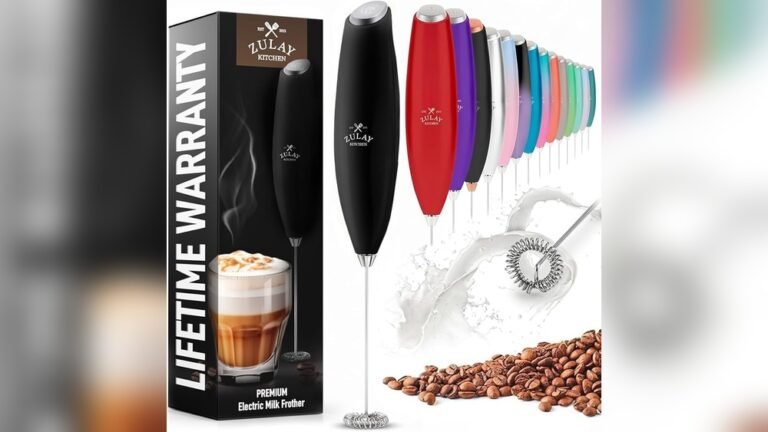
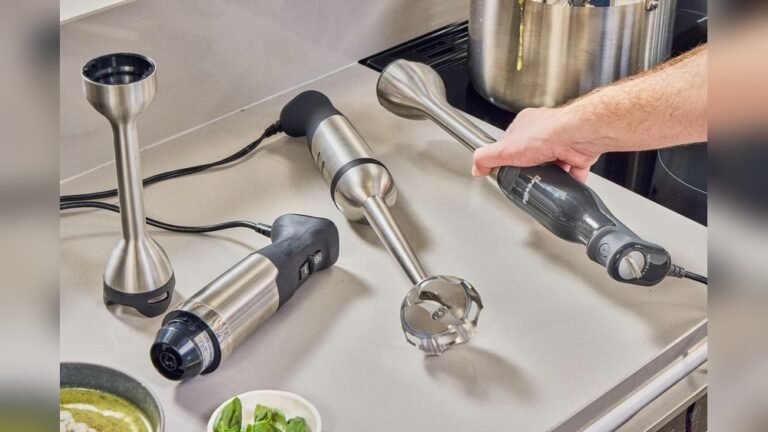
A hand blender is also known as an immersion blender or a stick blender. Unlike traditional blenders, a hand blender does not have a separate jug. Instead, it is a handheld device with blades at one end. You hold the motor end in your hand and place the blades directly into your bowl or pot. This design means you can blend, mix, or puree foods right where they are being prepared, saving time and reducing the number of dirty dishes.
Main Uses Of Hand Blenders
Hand blenders are not just for making smoothies. They are used for a wide range of cooking tasks. Here are some of the most common and practical ways people use hand blenders in their kitchens:
1. Making Smoothies And Milkshakes
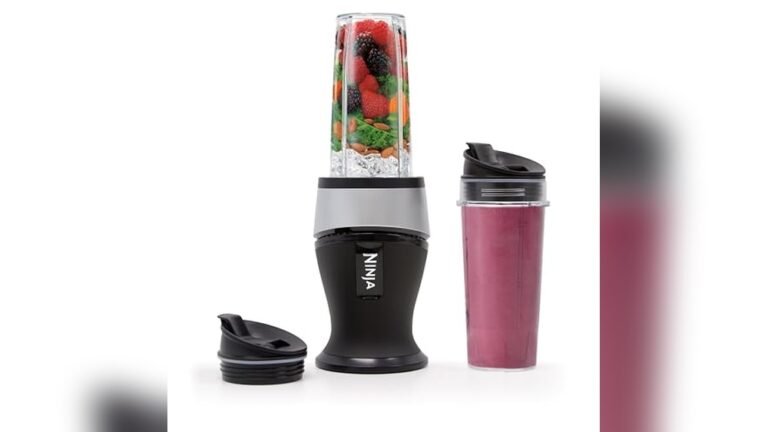
The most popular use is for smoothies and milkshakes. Just add fruits, vegetables, milk, or yogurt into a cup or jug. Insert the hand blender and blend until smooth. Because the device is easy to move around, you can blend single servings or larger batches.
2. Pureeing Soups
Hand blenders are a favorite for making creamy soups. You can blend hot soups directly in the pot, which is much safer and easier than transferring hot liquid to a traditional blender. This method saves time and reduces the risk of spills or burns.
3. Mixing Baby Food
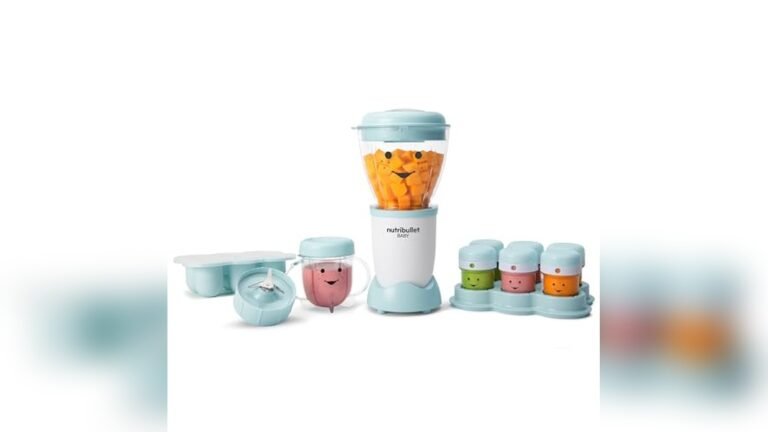
For parents, making homemade baby food is simple with a hand blender. You can puree fruits, vegetables, and even cooked meats into the right texture for your child. It is fresh, cost-effective, and allows you to control exactly what your baby eats.
4. Whipping Cream And Beating Eggs
With the right attachments, many hand blenders can whip cream or beat eggs. This feature is great for making desserts, omelets, or baked goods. It is much faster than whisking by hand and requires less clean-up than a stand mixer.
5. Making Sauces And Dips
Hand blenders work well for sauces like mayonnaise, pesto, or aioli. You can also make dips such as hummus or guacamole. The blender helps combine ingredients quickly and creates a smooth, even texture.
6. Blending Hot Ingredients
One advantage of hand blenders is their ability to blend hot foods safely. For example, you can blend cooked vegetables for a mash or mix ingredients for a hot chocolate. Most regular blenders cannot handle hot foods without risk.
7. Chopping Nuts And Herbs
Some hand blenders come with a chopper attachment. This feature lets you chop nuts, herbs, or even small amounts of vegetables. It is useful for preparing salads, garnishes, or toppings.
8. Preparing Batters
Hand blenders can mix pancake, waffle, or cake batter smoothly. Their slim design allows you to mix directly in the bowl without making a mess.
9. Crushing Ice
While not all models can handle this, some hand blenders with powerful motors can crush ice for drinks or desserts. Always check the manual before trying this to avoid damage.

Credit: www.ebay.com
Common Attachments And Their Uses
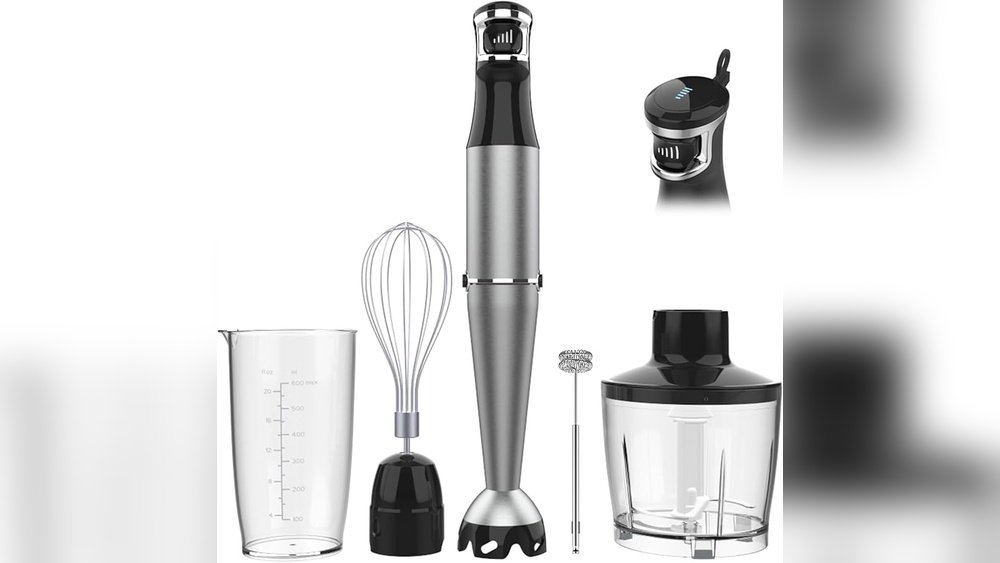
Many hand blenders come with extra tools or attachments. Here is a quick look at the most common ones and what they do.
| Attachment | Main Use |
|---|---|
| Blending Shaft | Pureeing, blending, mixing liquids |
| Whisk | Whipping cream, beating eggs |
| Chopper | Chopping nuts, herbs, onions |
| Beaker | Blending smoothies, sauces |
Advantages Of Using A Hand Blender
Hand blenders offer several advantages over other kitchen appliances. Here are some key points:
- Portability: Hand blenders are light and easy to move. You can use them in any bowl or pot.
- Quick Clean-Up: Since you blend directly in your container, there is less washing up.
- Space-Saving: They take up less space than countertop blenders or food processors.
- Versatility: One device can handle many tasks, reducing the need for multiple gadgets.

Credit: www.kitchenaid.com
Limitations And When Not To Use A Hand Blender
While hand blenders are flexible, they are not the best tool for every job. Understanding their limits can help you avoid common mistakes:
- Large Quantities: Hand blenders are not ideal for big batches. They are best for small to medium amounts.
- Heavy Doughs: They cannot handle thick bread or pizza dough. Use a stand mixer for these.
- Hard Foods: Items like frozen fruit or large ice cubes can damage the blades or motor unless your model is designed for them.
- Precision Chopping: For very fine or even chopping, a food processor works better.
Real-world Example: Making Tomato Soup
Let’s walk through a practical example. Imagine you want to make a creamy tomato soup. Without a hand blender, you would need to transfer hot soup to a blender in batches, which is messy and risky. With a hand blender:
- Cook tomatoes, onions, and garlic in a pot.
- Add broth and let everything soften.
- Insert the hand blender into the pot and blend until smooth.
- Add cream or seasoning, and blend again if needed.
This method is quicker, safer, and you only have one pot to clean.
Comparing Hand Blenders With Other Appliances
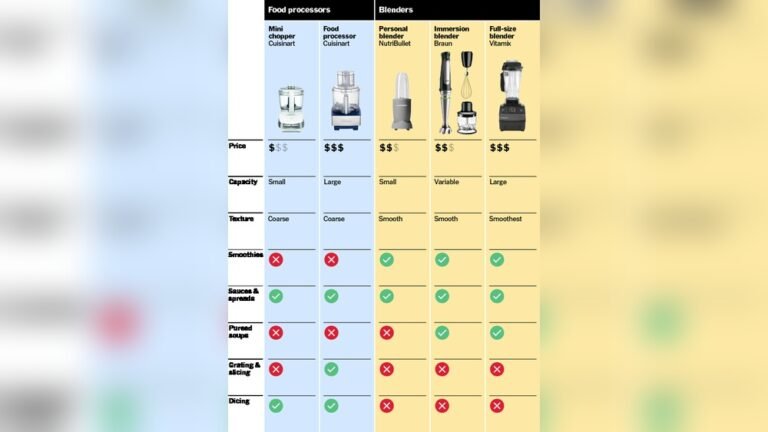
Choosing between a hand blender, countertop blender, or food processor can be confusing. Here’s a quick comparison to help you decide which is best for your kitchen.
| Feature | Hand Blender | Countertop Blender | Food Processor |
|---|---|---|---|
| Best For | Soups, sauces, small batches | Smoothies, large drinks | Chopping, slicing, shredding |
| Portability | High | Low | Medium |
| Clean-Up | Easy | Medium | Hard |
| Power | Medium | High | High |
| Space Needed | Low | High | High |
Practical Tips For Using A Hand Blender
Using a hand blender seems simple, but a few tips can help you get the best results and avoid trouble.
- Move the blender around: For even blending, move the device in circles and up and down.
- Use a deep container: This prevents splashing. A tall jug or deep pot works well.
- Start slow: Begin at low speed, then increase. This helps control the texture and prevents spills.
- Cut large foods first: Chop big pieces into smaller chunks before blending to reduce strain on the motor.
- Clean right away: Rinse the blades and attachments immediately. Dried food is harder to remove and can dull the blades.
- Check for hot splashes: When blending hot soups, keep the blender deep in the liquid to avoid burns from splashes.
Mistakes Beginners Often Make
Even though hand blenders are easy to use, beginners can make some common mistakes:
- Overfilling containers: Too much liquid can spill out when blending. Always leave some space.
- Forcing hard foods: Trying to blend frozen or tough foods can break the blades or burn out the motor.
- Not securing the container: If your bowl or pot is not steady, it can tip over during blending.
- Using in non-stick pans: The metal blades can scratch non-stick surfaces. Use a plastic or stainless pot, or buy a blender with a plastic guard.
Hand Blender Maintenance And Safety
Taking care of your hand blender will help it last longer and work better.
- Unplug before cleaning: Always unplug the device first for safety.
- Remove blades carefully: The blades are sharp. Handle with care and use a brush, not your fingers, to clean.
- Never immerse the motor: Only the detachable parts can be washed in water. Keep the motor dry.
- Store safely: Keep blades out of reach of children and store the device in a dry place.
When To Choose A Hand Blender
Hand blenders are especially useful if you:
- Have a small kitchen or limited storage
- Cook for one or two people most of the time
- Like making creamy soups, sauces, or dips
- Need a quick tool for mixing and chopping small quantities
If you often cook large meals or need to chop or slice many ingredients, you may still want a food processor or full-size blender.
Environmental Benefits
Hand blenders can be an eco-friendly choice. They use less electricity than large appliances. Since you can prepare food directly in the cooking pot, you use fewer dishes and less water for cleaning. Making your own baby food or sauces also reduces packaging waste from store-bought versions.
Key Features To Look For
If you are planning to buy a hand blender, here are some features that matter:
- Power: Look for at least 200 watts for most kitchen tasks.
- Speed settings: Multiple speeds give better control over texture.
- Comfortable grip: Non-slip handles are safer, especially when blending hot food.
- Easy to detach parts: Removable blending shafts and accessories are easier to clean.
- Durability: Stainless steel blades and shafts last longer than plastic.
Popular Brands And Price Ranges
There are many brands of hand blenders. Some popular options in the US are Braun, Cuisinart, and KitchenAid. Basic models start around $20, while high-end versions with multiple attachments can cost $100 or more. Choose a model that fits your needs and budget.
Here’s a quick comparison of typical features at different price points:
| Price Range | Power | Attachments | Material |
|---|---|---|---|
| $20–$40 | 200–250W | 1–2 (basic) | Plastic shaft |
| $40–$80 | 250–350W | 2–4 (whisk, chopper) | Stainless steel shaft |
| $80–$120 | 350W+ | 4+ (advanced set) | Full stainless steel |
Non-obvious Insights
Many people do not realize that hand blenders can also be used for:
- Emulsifying salad dressings: The high-speed blending helps oil and vinegar mix smoothly.
- Making soap or cosmetics: Some use a dedicated hand blender (not for food) to mix homemade lotions or soaps.
- Reducing food waste: You can blend leftover cooked vegetables or fruits into soups or smoothies, minimizing waste.
Reliable Resources
For more about the history and types of blenders, you can read about it on Wikipedia.

Credit: www.sharkninja.co.uk
Frequently Asked Questions
What Foods Should Not Be Blended With A Hand Blender?
Avoid very hard or frozen foods, thick doughs, and large ice cubes unless your blender is designed for them. These can damage the blades or motor.
Can I Use A Hand Blender For Hot Liquids?
Yes, hand blenders are great for hot soups or sauces. Just be careful to keep the blades fully submerged to prevent splashing, and always read the manufacturer’s safety advice.
Are Hand Blenders Dishwasher-safe?
Most attachments like the blending shaft, whisk, or chopper bowl are dishwasher-safe. The motor part should never be immersed in water or put in the dishwasher.
How Powerful Should A Hand Blender Be?
For most home cooking, 200–350 watts is enough. If you plan to blend tougher foods or want more speed options, choose a model with higher wattage.
Do Hand Blenders Work As Well As Regular Blenders?
Hand blenders are perfect for small batches and tasks like pureeing soups or making sauces. For large amounts, frozen drinks, or super-smooth results, a countertop blender is sometimes better.
Hand blenders are simple tools that can make cooking easier and more enjoyable. With the right model and a bit of practice, you will find many creative uses for this small but mighty device in your kitchen.
Hi, I’m Emma Carter, a passionate home cook with over 12 years of hands-on experience in home kitchens. I love testing kitchen tools, trying new recipes, and helping everyday cooks make smarter buying decisions. Every review and guide I write is based on real cooking experience, practical testing, and honest opinions, not marketing claims.