What’S the Difference between a Blender And a Juicer: Key Insights
Are you confused about whether to choose a blender or a juicer for your kitchen? You’re not alone.
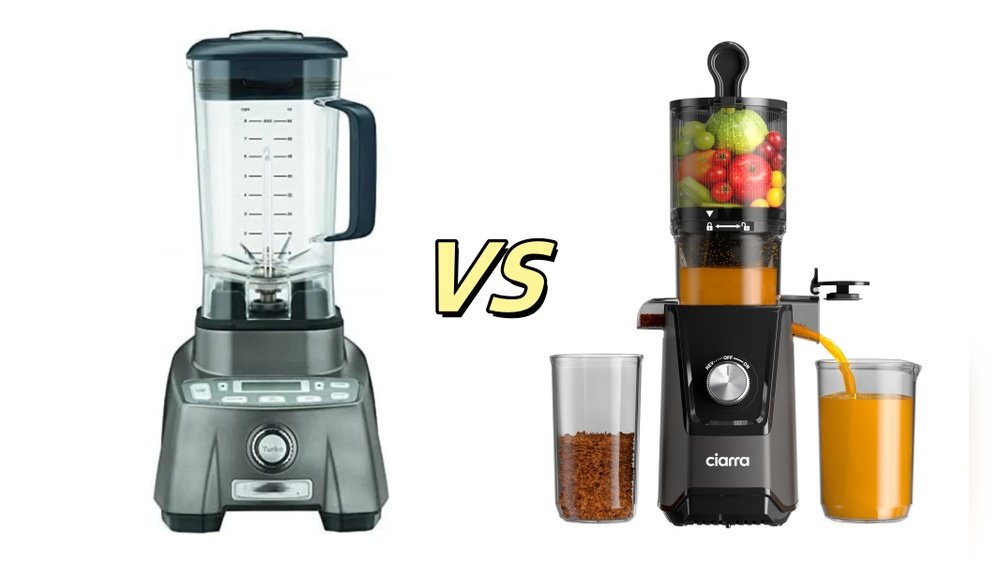
Both appliances help you enjoy fruits and veggies, but they work in very different ways—and that affects your health, taste, and daily routine. Understanding the key differences can help you pick the right one for your lifestyle and goals. Keep reading, and you’ll discover exactly how a blender and a juicer differ, so you can make the best choice for your smoothies, juices, and overall nutrition.
Blender Basics
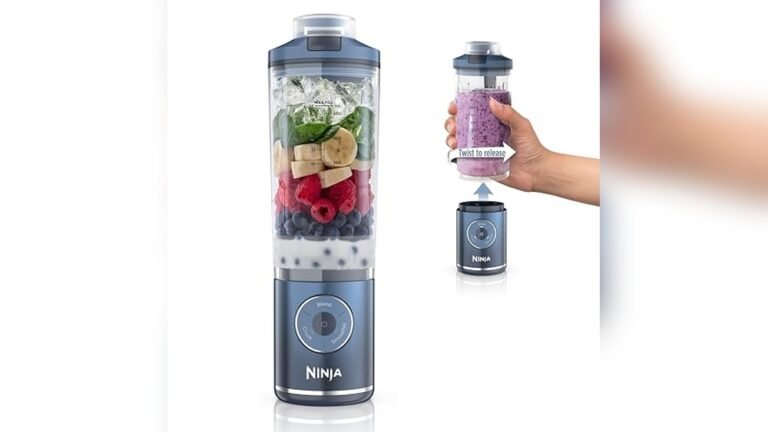
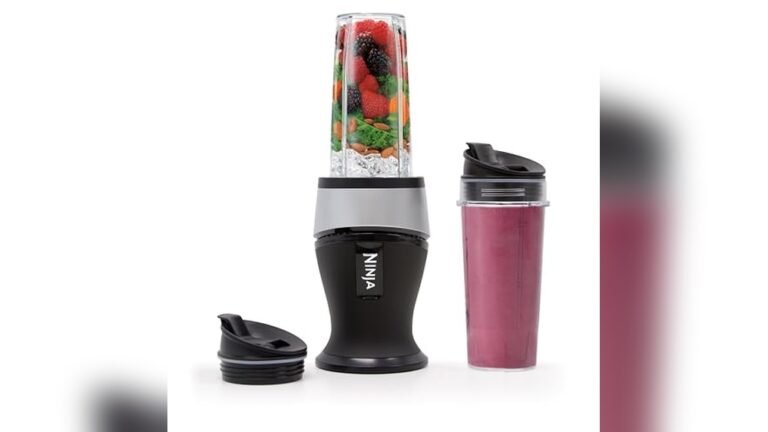
A blender uses sharp blades to chop and mix whole fruits and vegetables. It keeps the fiber inside, making smoothies thick and filling. This means the nutritional content includes vitamins, minerals, and fiber.
Blenders are perfect for making smoothies, soups, and sauces. They can also crush ice and blend nuts. The texture is usually thicker than juice. Blending lets you enjoy the whole fruit or vegetable, not just the juice.
Juicer Fundamentals
The juicing process extracts liquid from fruits and vegetables. It removes most of the pulp and fiber. This creates a concentrated juice full of vitamins and minerals. The juice is easy to drink and digest quickly.
Nutrient concentration in juices is higher because fiber is taken out. Without fiber, nutrients absorb faster into the body. However, some fiber benefits are lost in juicing.
| Juicer Type | How It Works | Best For |
|---|---|---|
| Centrifugal | Spins fast to separate juice from pulp | Hard fruits and vegetables |
| Masticating | Crushes and presses produce slowly | Leafy greens and wheatgrass |
| Triturating | Grinds and presses for maximum juice | All types of produce |
Nutritional Differences
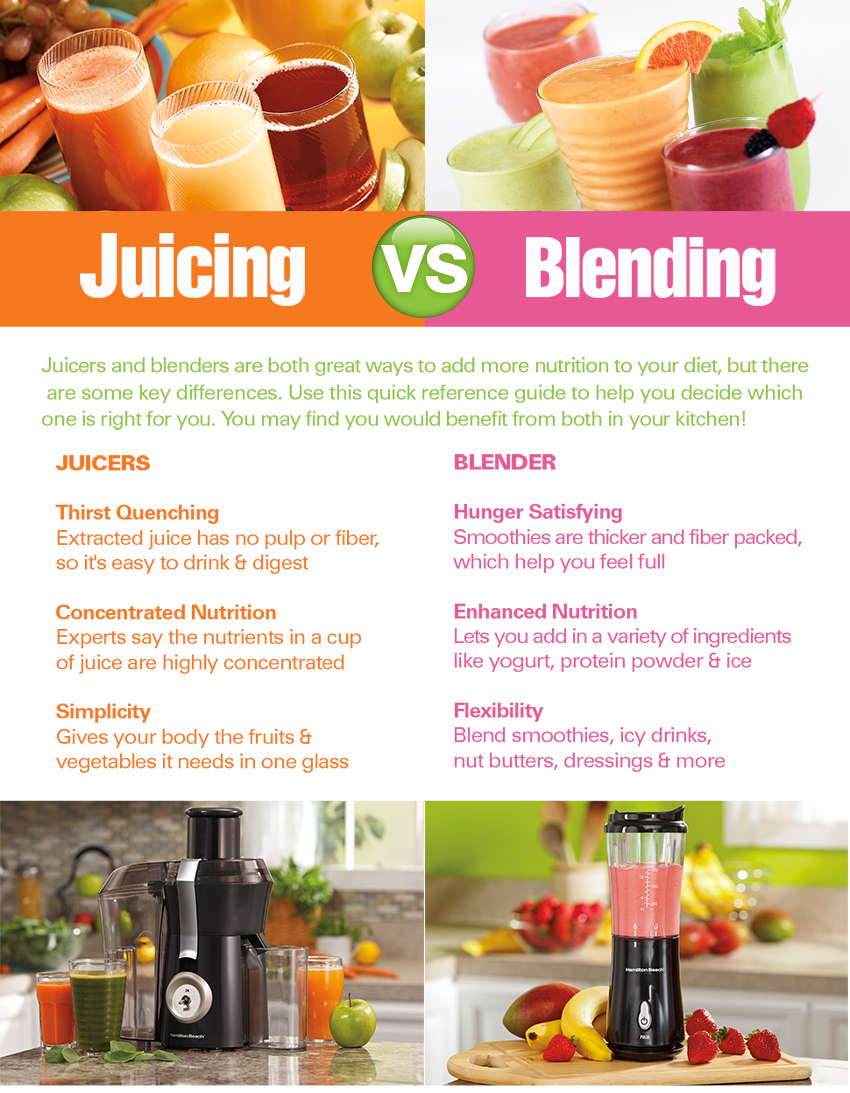
Blenders keep all the fiber in fruits and vegetables. This means you get a fuller texture and more bulk in your drink. Fiber helps slow down sugar absorption, which is good for your blood sugar levels.
Juicers remove most of the fiber. They give you a more concentrated juice with vitamins and minerals. This juice is easier for the body to absorb quickly. It can be good for people who need fast energy.
| Aspect | Blender | Juicer |
|---|---|---|
| Fiber Content | High, whole fruit and veggies | Low, fiber removed |
| Vitamin & Mineral Absorption | Slower due to fiber | Faster, more concentrated |
| Impact on Digestion | Slows digestion, fuller feeling | Easier digestion, less fullness |
Taste And Texture
Blenders create a thick and smooth texture by crushing whole fruits and vegetables. They keep all the fiber, so the drink feels fuller and heavier. Juicers remove the pulp, making the drink thinner and lighter. This results in a more liquid and less fibrous texture.
The flavor of blender drinks is often richer and more natural because all parts of the food stay in the drink. Juicers give a clearer, sweeter taste since only the juice is extracted without the fiber. This can make flavors more intense but less complex.
Blenders work well with many ingredients like fruits, vegetables, nuts, and seeds. Juicers are best for watery fruits and veggies like oranges, apples, and celery. Thick or dry foods, like bananas or avocados, do not juice well but blend smoothly.
Health Benefits
Blenders keep all the fiber in fruits and vegetables. This helps with feeling full and can support weight loss. Juicers remove fiber but give a more concentrated source of vitamins. This can help you get nutrients quickly without feeling heavy.
Juicing can give you a quick energy boost because it is easier to digest. Blending takes longer to digest but provides steady energy. Both methods help with detoxifying the body by supplying antioxidants and nutrients.
Using a blender supports long-term wellness by keeping fiber and making meals more filling. Juicing can be a good choice for a nutrient-rich drink that is easy on the stomach. Both tools help improve your health in different ways.
Credit: hamiltonbeach.ca
Convenience And Cleanup
Blenders are usually easier to use with simple buttons. Juicers may need more parts to assemble.
Cleaning a blender takes about 2-3 minutes. Juicers can take 5-10 minutes due to many pieces.
Both need regular cleaning to avoid smells and stains. Use warm soapy water for best results.
Maintenance is simple for blenders: just check the blades and motor. Juicers need careful cleaning of filters and screens to keep working well.
Choosing between them depends on how much time you want to spend cleaning and using the machine.
Cost Considerations
The initial investment for blenders is usually lower than juicers. Blenders often cost between $30 and $200, while juicers can range from $50 to over $400. Juicers with advanced features tend to be pricier.
Ongoing expenses include cleaning and maintenance. Juicers may require more frequent cleaning due to pulp buildup. Blenders are easier to clean with fewer parts. Also, some juicers need replacement parts like filters.
Value for money depends on usage. Blenders offer more versatility for smoothies, soups, and sauces. Juicers provide fresh juice but are limited in function. Consider what you want to make most often.
Choosing What Fits You
Lifestyle and Dietary Goals matter a lot in choosing between a blender and a juicer. Blenders keep all the fiber from fruits and vegetables, which helps with digestion and fullness. Juicers remove the fiber, giving a smooth drink rich in vitamins and minerals, good for quick energy or detox. If you want more nutrients and less fiber, a juicer fits better. For whole food benefits and thicker drinks, choose a blender.
Kitchen Space and Equipment Needs also influence the choice. Juicers tend to be bigger and more complex with multiple parts. Blenders are often simpler and easier to store. Cleaning a juicer can take more time because of its many pieces. Blenders usually clean faster, which suits busy kitchens.
Frequency of Use is key. If you want fresh juice every day, a juicer might be worth the effort. For occasional smoothies or cooking, a blender works well. Consider how often you want to prepare drinks to pick the right tool for your routine.
Creative Uses
Blenders are great for making smoothies by mixing whole fruits and vegetables. They keep the fiber, which helps digestion and keeps you full longer. Try recipes like berry banana smoothies or green spinach blends with yogurt for a creamy texture.
Juicers extract liquid from fruits and vegetables, leaving behind pulp. This makes a nutrient-rich juice that is easy to drink and digest. Popular combinations include carrot-apple-ginger or beet-cucumber-lemon juices.
Hybrid techniques combine both tools. Start by juicing fruits for a smooth liquid, then blend with ice or yogurt. This creates a tasty, refreshing drink with some fiber still included.

Credit: www.youtube.com

Credit: ciarragadgets.com
Conclusion
Choosing between a blender and a juicer depends on your needs. A blender keeps the fiber, making drinks thicker and filling. A juicer removes fiber, giving a smoother, nutrient-rich liquid. Both tools help you enjoy fruits and vegetables in different ways.
Think about your health goals and taste preference. Either way, adding fresh produce to your diet is a smart choice. Simple and tasty options await with both appliances.

Hi, I’m Emma Carter, a passionate home cook with over 12 years of hands-on experience in home kitchens. I love testing kitchen tools, trying new recipes, and helping everyday cooks make smarter buying decisions. Every review and guide I write is based on real cooking experience, practical testing, and honest opinions, not marketing claims.