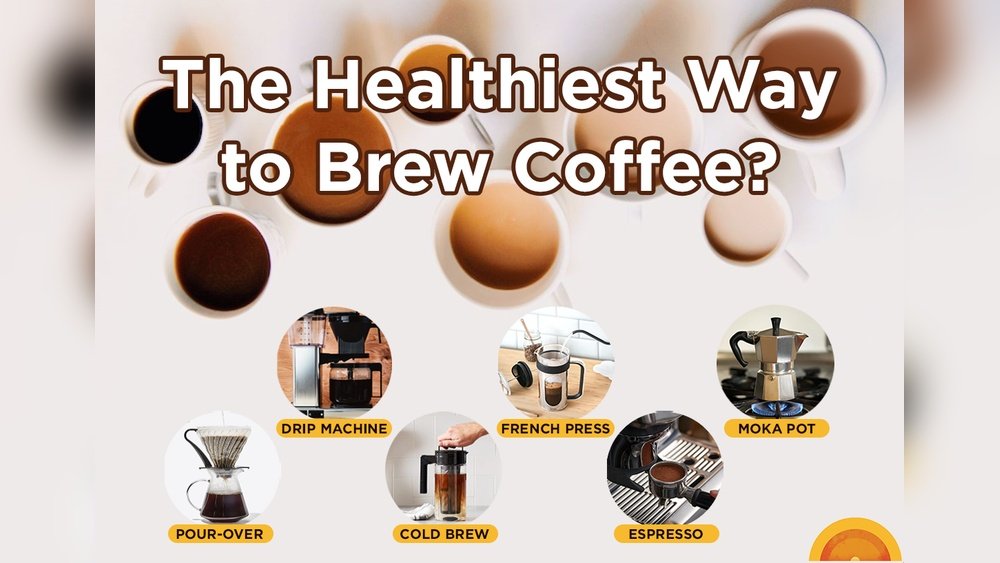
What is the Healthiest Way to Make Coffee: Ultimate Guide to Clean Brewing
You probably start your day with a cup of coffee, but have you ever wondered if the way you make it affects your health? Not all coffee is created equal—how you brew it can change its impact on your body.
Some methods keep the good stuff and remove the bad, while others might add unwanted risks like raising cholesterol. If you want to enjoy your coffee without worrying about negative effects, it’s important to know which brewing methods are the healthiest.
Keep reading to discover simple, science-backed tips that can help you brew coffee the right way—so you get all the benefits and none of the drawbacks. Your daily cup could be doing a lot more for you than you think!

Credit: organicallybecca.com
Coffee And Health
Coffee offers many health benefits when consumed in moderation. It can improve mental alertness and provide antioxidants that protect cells. Studies show coffee may lower the risk of certain diseases like Parkinson’s and type 2 diabetes.
Yet, too much coffee can cause problems. It might lead to nervousness, sleep trouble, and a fast heartbeat. Some people may feel stomach upset or acid reflux after drinking coffee.
| Health Condition | Effect of Coffee | Tip |
|---|---|---|
| High Blood Pressure | May raise blood pressure temporarily | Limit intake to 1-2 cups daily |
| Acid Reflux (GERD) | Can increase acid, causing discomfort | Choose darker roasts or cold brew |
| Sleep Issues | Caffeine may disrupt sleep cycles | Avoid coffee late in the day |
| Pregnancy | High caffeine linked to risks | Limit to under 200 mg per day |

Credit: twochimpscoffee.com
Brewing Methods And Health Impact
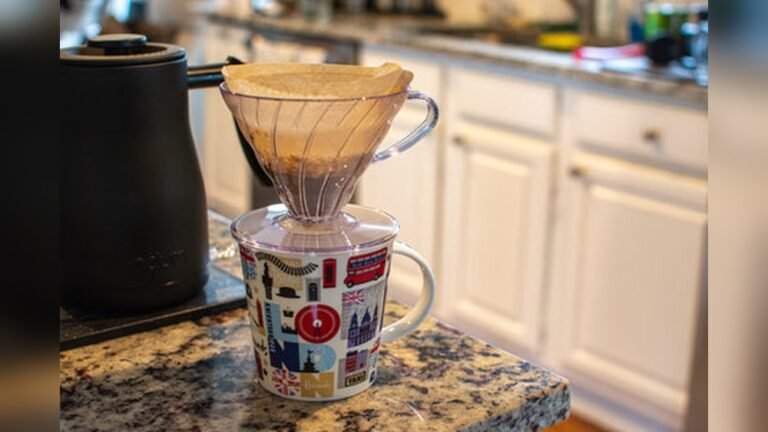
Paper-filtered coffee traps oily substances called cafestol. These oils can raise cholesterol levels. Using a paper filter reduces this risk, making the coffee healthier for your heart. This method keeps most antioxidants and flavors while cutting harmful compounds.
Unfiltered coffee, like French press or boiled coffee, allows cafestol to pass through. Drinking these types often may raise bad cholesterol. This can increase the chance of heart problems over time.
Cold brew coffee is made by steeping coffee grounds in cold water for many hours. This method creates a smoother taste with lower acidity. It is easier on the stomach and may reduce acid reflux symptoms.
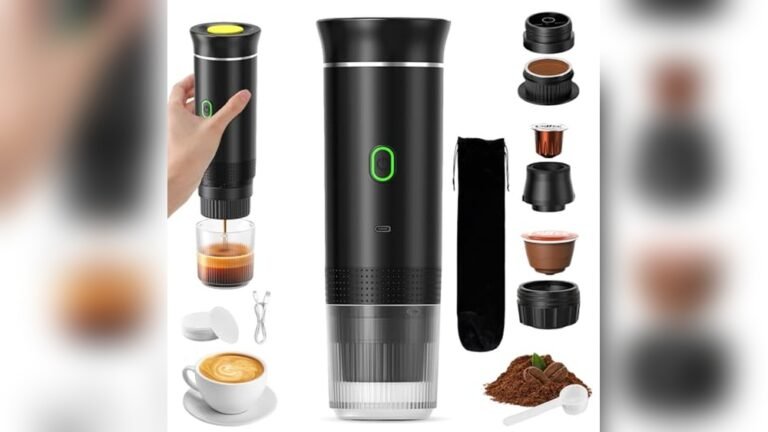
Espresso is brewed quickly under pressure, which keeps it strong and rich. It has a lower acid content than some other methods. This can be gentler on the stomach but has higher caffeine concentration per ounce.
Choosing The Right Coffee Beans
Organic beans are grown without synthetic pesticides or fertilizers. They often have higher antioxidant levels than conventional beans. Conventional beans may contain traces of chemicals. Choosing organic supports healthier soil and environment.
Roast levels affect acidity and flavor. Light roasts keep more acidity and antioxidants but may upset sensitive stomachs. Darker roasts have less acid but fewer antioxidants. Medium roasts balance taste and acidity well.
Freshness matters for both taste and health benefits. Coffee beans start losing flavor and nutrients soon after roasting. Buy beans from a trusted source and use them within a few weeks. Store in a cool, dark place in an airtight container.
Water Quality And Temperature
Using clean water is very important for making healthy coffee. Water that tastes fresh and has no bad smells helps keep coffee pure and safe to drink. Dirty or hard water can change the coffee’s taste and may add unwanted chemicals.
The best water temperature for brewing coffee is between 195°F and 205°F. This range helps to pull out the coffee’s full flavor without burning the grounds. Water that is too hot makes coffee bitter. Water that is too cool makes it weak and sour.
Good water quality and the right temperature together make coffee taste better. They also help keep your coffee healthy by avoiding harmful substances and preserving the natural antioxidants in the beans.
Equipment And Cleanliness
Choose brewing equipment made from safe materials like glass, stainless steel, or ceramic. Avoid plastic parts that may release harmful chemicals into your coffee. Use paper filters to catch oils and impurities, which helps make coffee healthier.
Clean your coffee maker regularly to prevent mold and bacteria buildup. Rinse all parts with hot water and mild soap after each use. Deep clean your equipment once a week to remove coffee stains and oils.
Keep your brewing area free of dust and dirt. Store coffee beans in airtight containers to avoid contamination. Use fresh, clean water every time to brew the best, healthiest cup.
Healthy Additions And Serving Tips
Avoid excess sugar and creamers to keep coffee healthy. Too much sugar adds empty calories and harms your body. Creamers often have unhealthy fats and additives. Choose natural sweeteners like honey or maple syrup in small amounts for a better taste. These options add fewer chemicals and some nutrients.
Pair coffee with foods that support health. Nuts, fruits, or whole grain toast work well. These foods provide fiber, vitamins, and minerals. Eating with coffee helps balance blood sugar and reduces acidity in your stomach.
Daily Coffee Habits For Health
Drink coffee in moderation to enjoy health benefits without risks. Limit your intake to about 1-2 cups per day. Serving sizes matter; a small cup is better than a large mug.
Choose the best time to drink coffee. Avoid it late in the day to prevent sleep problems. Morning or early afternoon is ideal for most people.
Pay attention to how your body reacts. If coffee causes discomfort or jitters, reduce your amount or try a milder brew. Everyone’s body is different.

Credit: www.nutritiousyogi.com
Conclusion
Choosing the healthiest way to make coffee improves your daily routine. Using paper filters helps reduce harmful compounds in your cup. Brewing with fresh, quality beans adds natural antioxidants. Avoid adding too much sugar or cream to keep it light.
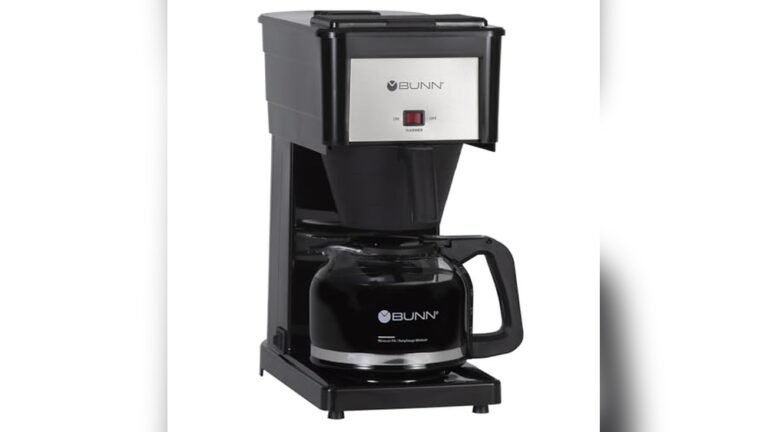
Drinking coffee in moderation supports overall health and energy. Simple methods like pour-over or drip brewing work best. Enjoy your coffee while caring for your body and taste buds. Small changes make a big difference in your coffee’s health benefits.

Hi, I’m Emma Carter, a passionate home cook with over 12 years of hands-on experience in home kitchens. I love testing kitchen tools, trying new recipes, and helping everyday cooks make smarter buying decisions. Every review and guide I write is based on real cooking experience, practical testing, and honest opinions, not marketing claims.