Best Way to Boil Water for Drinking: Safe and Simple Methods
Boiling water is one of the oldest and most reliable ways to make it safe for drinking. Whether you are at home, camping, or facing an emergency, knowing the best way to boil water for drinking can protect your health and give peace of mind. But boiling water is not just about heating it until bubbles appear. To get the safest results, you need to understand the science, use the right technique, and avoid common mistakes. In this guide, you’ll learn how to boil water effectively, how to choose the right tools, and what details matter for truly clean, safe drinking water.
Why Boiling Water Makes It Safe
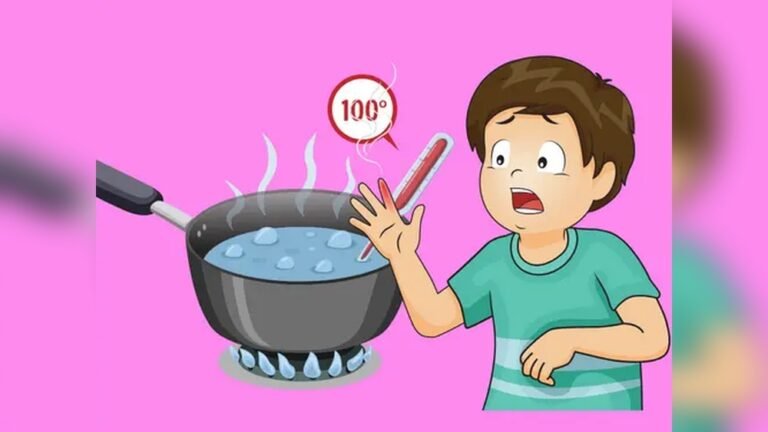
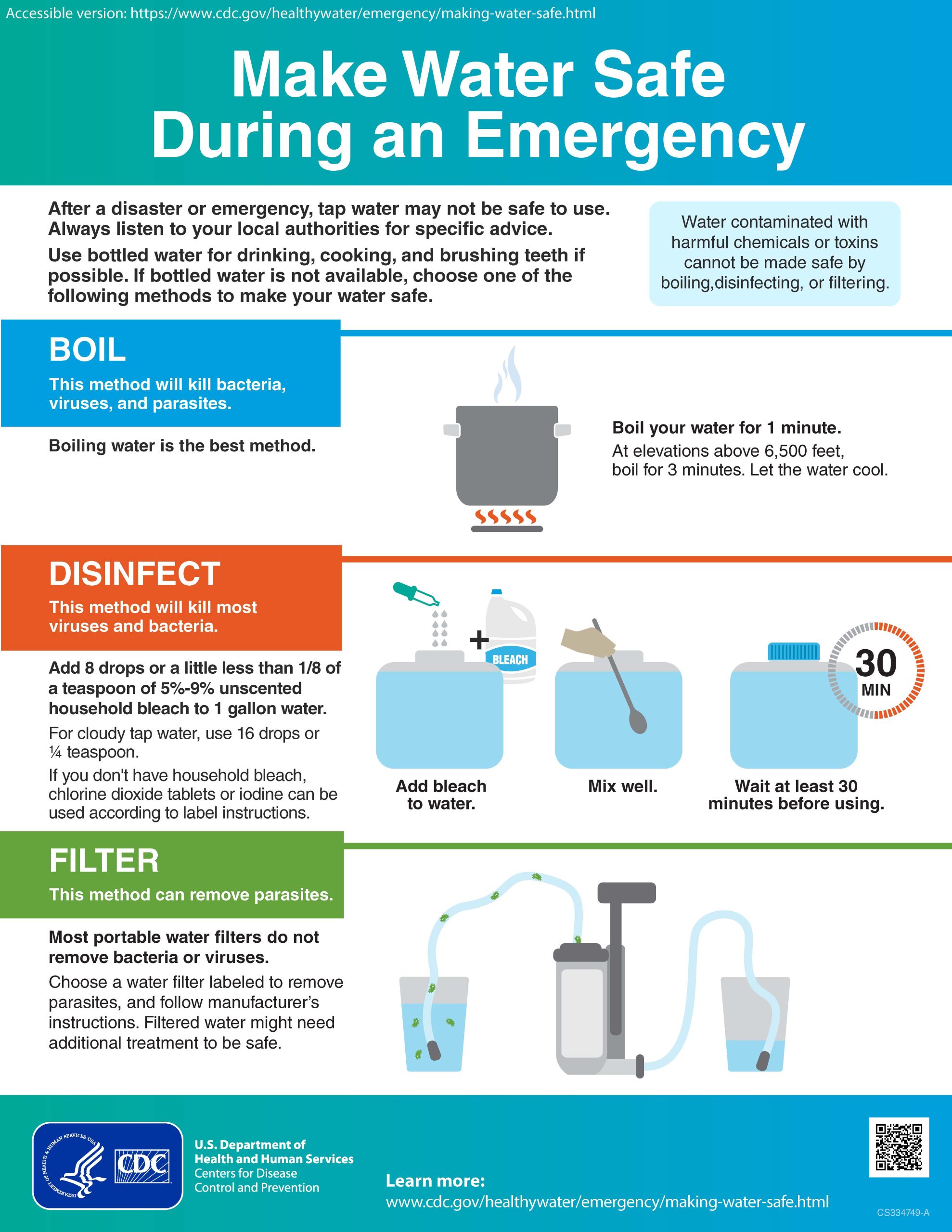
Boiling water is popular because it kills most germs, bacteria, viruses, and parasites. When water reaches 212°F (100°C) at sea level, almost all harmful organisms die within one minute. This is why boiling is recommended by health organizations around the world.
However, boiling does not remove chemicals, heavy metals, or some toxins. If the water source is contaminated with pesticides, lead, or other pollutants, boiling will not make it safe. In such cases, you should use a filter or seek another source.
But for biological threats—like bacteria or viruses—boiling is highly effective.
Choosing The Right Method To Boil Water
You can boil water with many tools. The best option depends on your situation and resources. Here are the main choices:
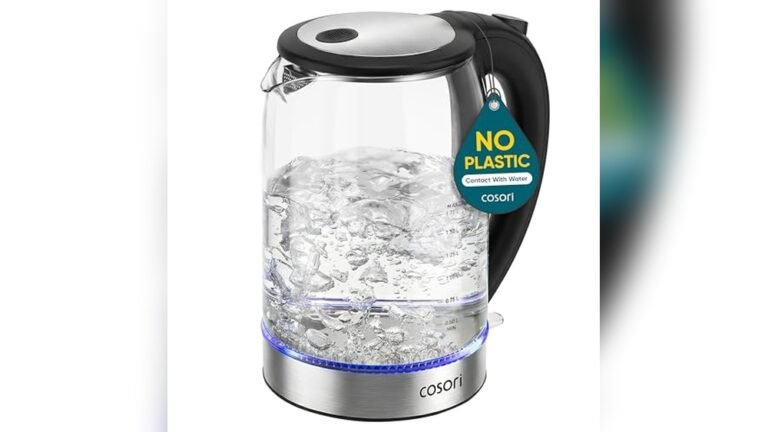
Electric Kettle
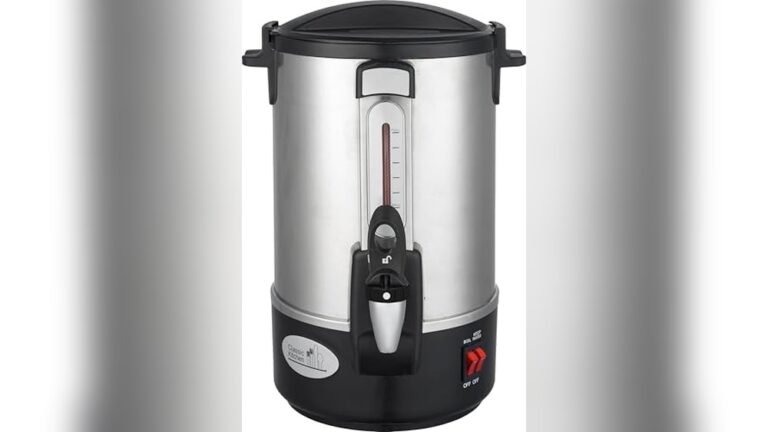
Electric kettles are common in homes and offices. They are fast, efficient, and easy to use. Most models automatically turn off when the water boils. This reduces the risk of overboiling and saves energy. For clean tap water, an electric kettle is perfect.
Stovetop Pot Or Saucepan
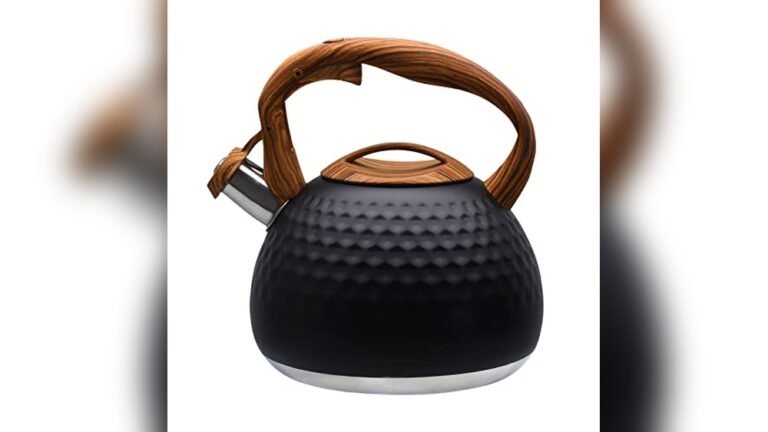
Using a stovetop pot is classic and flexible. You can boil large amounts of water at once. This is ideal for families or group settings. Gas and electric stoves both work well. Stainless steel or glass pots are best, because they do not react with water.
Microwave Oven
Microwaves can boil water quickly in small batches. But there is a risk of superheating—water heated above boiling point without bubbles, which can suddenly erupt. Always use a microwave-safe container, and place a wooden stick or spoon in the water to reduce superheating risk.
Portable Camping Stove
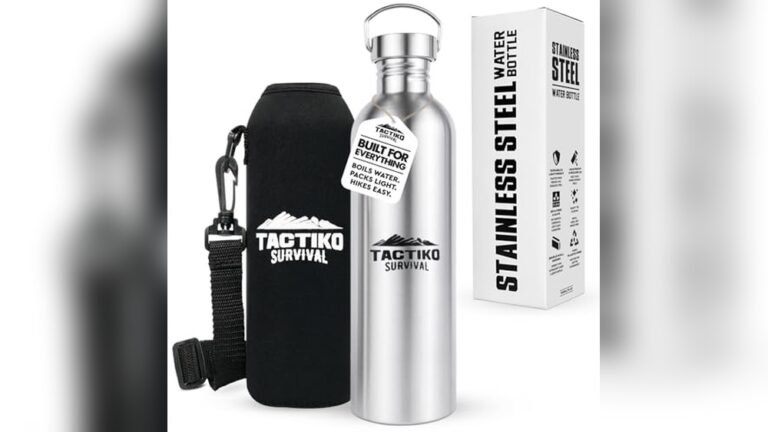
If you are outdoors, a camping stove or backpacking burner is handy. These devices use propane, butane, or other fuels. Choose a sturdy pot, and boil water in a sheltered spot away from wind.
Solar Water Heater
In sunny regions, a solar water heater can boil water without electricity or fuel. These are slow and need direct sunlight but are eco-friendly. They are less practical for emergencies but good for off-grid living.
Credit: www.cdc.gov
Step-by-step Guide: Boiling Water Safely
The safest way to boil water for drinking follows these steps:
- Select a Clean Container: Use stainless steel, glass, or food-grade plastic. Avoid pots with rust or cracks.
- Fill with Water: If possible, use clear water. If the water is cloudy, let it settle and pour off the top, or filter through a cloth.
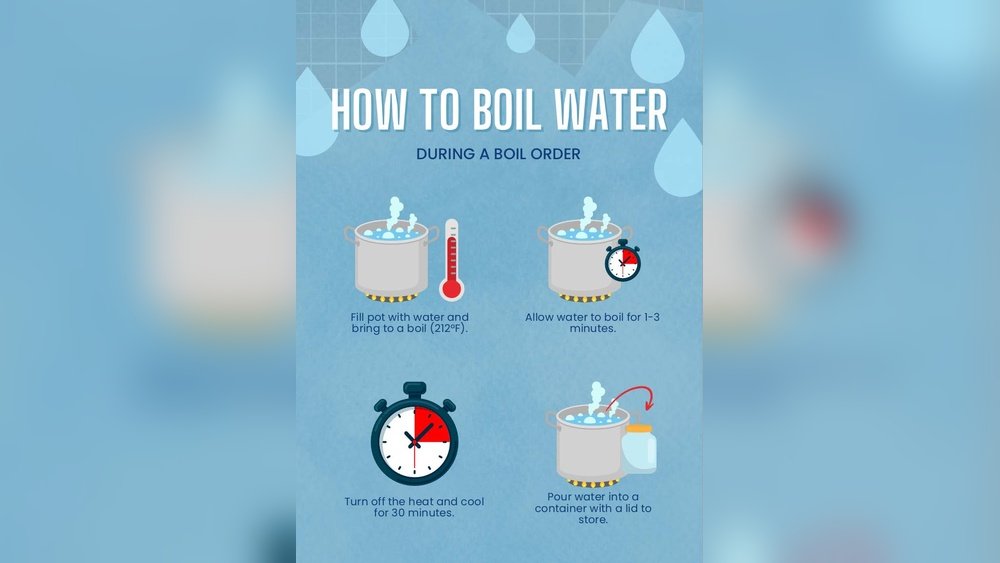
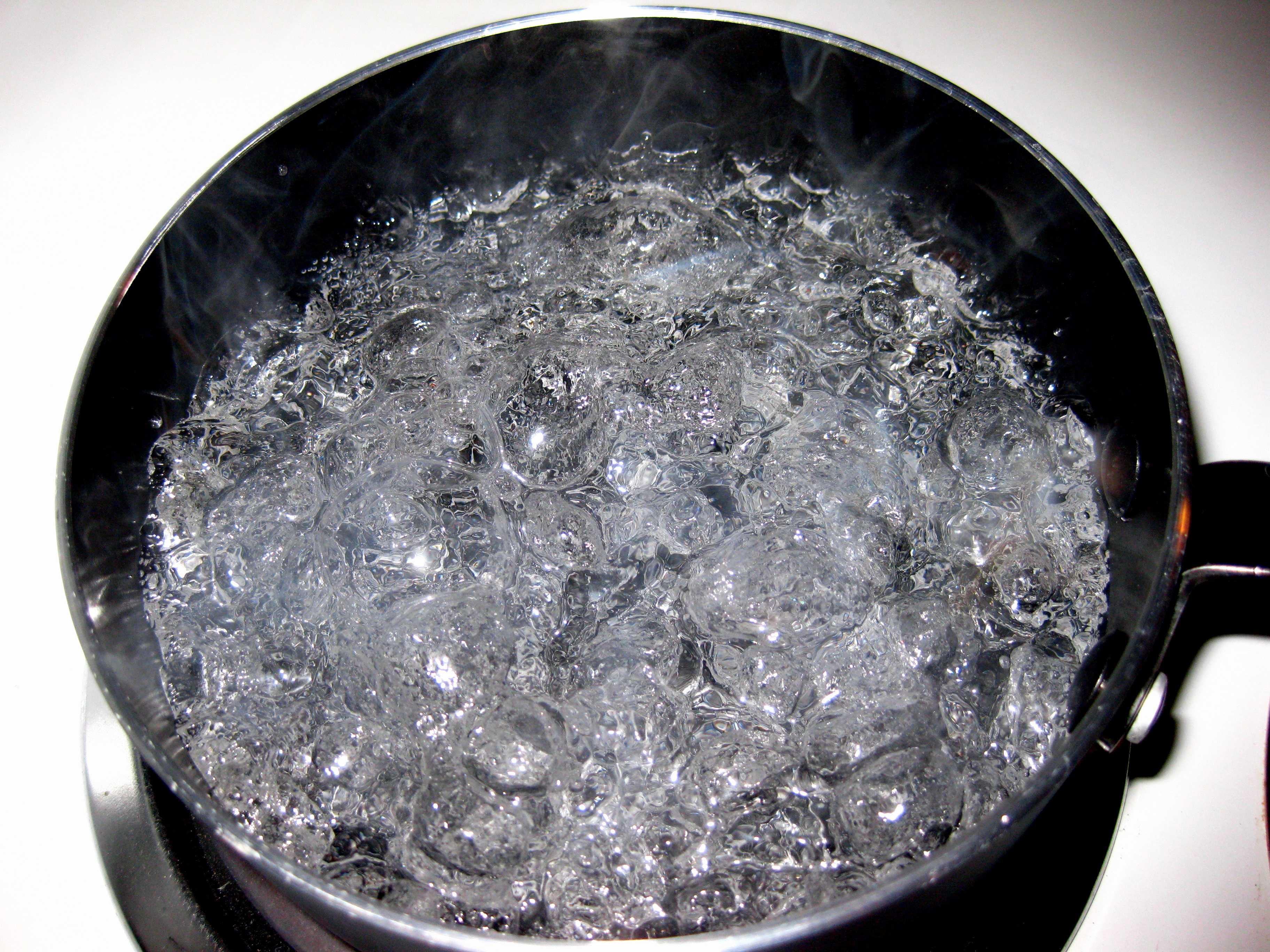
- Heat Until Rolling Boil: Watch for large bubbles rising continuously. At sea level, this happens at 212°F (100°C).
- Boil for at Least 1 Minute: This kills most germs. At higher altitudes (above 6,500 feet), boil for 3 minutes because water boils at a lower temperature.
- Let Cool: Allow water to cool naturally. Do not add ice or cold water, as this can reintroduce germs.
- Store Safely: Use clean, covered containers. Avoid touching the inside or pouring into unwashed bottles.
Common Mistakes When Boiling Water
- Underboiling: Stopping at the first bubbles. Wait until you see a rolling boil.
- Contaminated Storage: Pouring boiled water into dirty containers.
- Overfilling: Water can splash and spill, wasting fuel and risking burns.
- Reboiling: Boiling water again does not make it cleaner, and repeated boiling can increase concentration of some chemicals.
Comparing Boiling Methods: Speed, Efficiency, And Safety
Different boiling methods have pros and cons. Here is a comparison to help you choose:
| Method | Time to Boil (1L) | Safety | Ease of Use |
|---|---|---|---|
| Electric Kettle | 3–5 min | Very Safe | Very Easy |
| Stovetop Pot | 6–10 min | Safe | Easy |
| Microwave | 2–4 min | Moderate | Easy |
| Camping Stove | 8–15 min | Safe | Moderate |
| Solar Heater | 30–90 min | Safe | Difficult |
As you can see, electric kettles are fastest and safest for most people. Stovetop pots are good for larger batches. Microwaves can be fast, but need caution.
How Altitude Changes Boiling
Water boils at a lower temperature at high altitudes. For example, at 6,500 feet (2,000 meters), water boils at about 198°F (92°C). Germs die slower at lower temperatures. Experts recommend boiling water for at least 3 minutes at high altitudes.
Here is a quick overview:
| Altitude | Boiling Point | Recommended Boil Time |
|---|---|---|
| Sea Level | 212°F (100°C) | 1 min |
| 3,000 ft (900 m) | 206°F (97°C) | 1.5 min |
| 6,500 ft (2,000 m) | 198°F (92°C) | 3 min |
| 10,000 ft (3,000 m) | 194°F (90°C) | 3–5 min |
If you live or travel in mountainous areas, always boil longer to be safe.
What Boiling Water Does Not Remove
Boiling kills most living organisms. But it does not remove:
- Heavy metals like lead and arsenic
- Chemicals such as pesticides
- Taste and odor from pollution
- Microplastics
If your water source is polluted, use a water filter before boiling. Filters remove particles and some chemicals. For the highest safety, use both filtration and boiling.
Practical Tips For Boiling Water
- Pre-filter cloudy water: Use a coffee filter, cloth, or paper towel to remove dirt.
- Cover the pot: This speeds up boiling and keeps out dust.
- Never reuse boiled water: If water sits for days, reboil before drinking.
- Use clean utensils: Stir with a clean spoon if needed.
- Let boiled water cool naturally: Fast cooling can attract germs.
One practical insight: Many people think boiling for longer is always better. In reality, boiling for more than 10 minutes can concentrate minerals and chemicals, especially if the water is not pure. Stick to recommended times.
Boiling Water In Emergencies
During disasters or outages, boiling water is often the quickest way to get safe drinking water. If you lose power, use a gas stove, camping stove, or even a wood fire. If possible, filter water before boiling.
In emergencies, remember:
- Gather water: Rainwater, rivers, or streams can be used if clear.
- Pre-filter: Remove visible dirt or debris.
- Boil as long as needed: Minimum 1 minute, 3 minutes if altitude is high.
- Cool and store safely: Use clean bottles or jugs.
A non-obvious tip: Boiling water over a wood fire can add taste and odor. Let the water settle, and pour off the top to avoid ash.

Credit: www.wikihow.com
How To Boil Water Without Electricity
No electricity? You can still boil water:
- Gas stove: Standard in many homes.
- Camping stove: Portable and reliable.
- Fireplace or wood fire: Build a safe fire and use a sturdy pot.
- Solar heater: Needs sunlight and patience.
Always use a pot with a tight lid, and keep children away from open flames.
Storing Boiled Water
Boiled water stays safe if stored correctly. Here’s what to do:
- Use clean bottles: Glass or BPA-free plastic is best.
- Label and date: Write the date on the container.
- Keep sealed: Air can reintroduce germs.
- Store in cool, dark place: Avoid direct sunlight.
Boiled water lasts up to 24–48 hours at room temperature. For longer storage, refrigerate.
Signs That Your Water Needs Boiling
Some signs mean you should boil water even if it looks clean:
- Local boil advisories: Always follow public health advice.
- Unusual taste or odor: Can signal contamination.
- After floods or storms: Water sources may be unsafe.
- Well water: Private wells can be affected by bacteria.
If in doubt, boil before drinking.
Comparing Boiling With Other Water Purification Methods
Boiling is reliable, but other methods exist. Here’s a quick comparison:
| Method | Main Benefit | Main Limitation |
|---|---|---|
| Boiling | Kills germs | Does not remove chemicals |
| Filtration | Removes particles | Some filters miss viruses |
| Chemical treatment (chlorine) | Kills bacteria | Leaves taste |
| UV purifier | Kills germs | Needs clear water |
| Distillation | Removes most contaminants | Slow and expensive |
For everyday use, boiling is simple and effective. For polluted water, combine boiling with filtering.
Scientific Evidence And Official Guidance
The Centers for Disease Control and Prevention (CDC) recommends boiling water to kill bacteria, viruses, and protozoa. It is the preferred method during emergencies, travel, and when water quality is uncertain. For more details, see the official advice from the CDC.
Final Thoughts
Boiling water is a timeless, trusted method for making it safe to drink. The best way is to use a clean pot or kettle, bring water to a rolling boil, and keep it boiling for at least one minute—or three minutes at high altitudes.
Avoid common mistakes like underboiling or using dirty containers. For maximum safety, pre-filter cloudy water, and store boiled water in clean, sealed bottles.
Remember, boiling does not remove chemicals or heavy metals. If you suspect pollution, use a filter or find another source. For emergencies, boiling is your fastest and most reliable option. With these tips, you can always have safe drinking water for yourself and your family.
Credit: www.denverwater.org
Hi, I’m Emma Carter, a passionate home cook with over 12 years of hands-on experience in home kitchens. I love testing kitchen tools, trying new recipes, and helping everyday cooks make smarter buying decisions. Every review and guide I write is based on real cooking experience, practical testing, and honest opinions, not marketing claims.